
Why India Needs Green Energy Now
India’s energy sector stands at a historic turning point. With rising fuel demands, climate change concerns, and international pressure to reduce carbon emissions, the Indian government has doubled down on sustainable energy initiatives. Among the boldest pushes are investments in sustainable aviation fuel (SAF), biofuels, and green hydrogen. This transition isn’t just about clean energy—it’s about reshaping India’s national development narrative, ensuring energy security, and creating millions of green jobs.
India’s green fuel revolution aligns with its ambitious goal of achieving net-zero carbon emissions by 2070. This comprehensive approach integrates multiple stakeholders—farmers, industries, startups, researchers, and government institutions—working together to reduce dependence on fossil fuels while accelerating economic growth.
In this in-depth analysis, we explore the historical backdrop, government policies, industry progress, real-life examples, challenges, and the road ahead for India’s green future.
The Historical Context: India’s Dependence on Fossil Fuels
For decades, India’s growth story has been powered by coal, oil, and natural gas. Nearly 80% of its energy consumption is still fossil-fuel-based. This dependence has:
- Increased import bills, making India vulnerable to global oil price fluctuations.
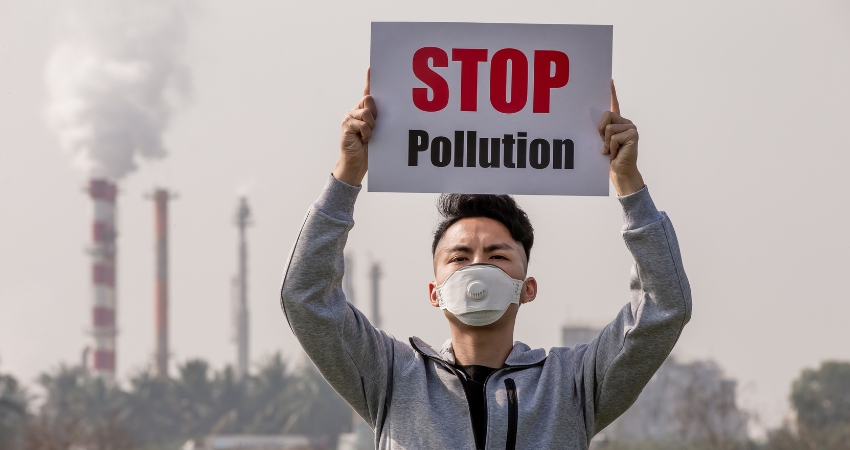
- Led to rising pollution levels in cities like Delhi, Mumbai, and Kanpur.
- Created international pressure to meet Paris Agreement climate targets.
Import Burden and Energy Security Concerns
India imports over 85% of its crude oil requirements. In 2022–23, the oil import bill crossed $180 billion, straining the economy. Such dependence also creates energy insecurity during geopolitical crises.
Health and Environmental Impact
- India’s air pollution leads to over 1 million premature deaths annually (source: Lancet report).
- Burning fossil fuels contributes significantly to PM2.5 particles, making India home to 14 of the world’s 20 most polluted cities.
Thus, India recognized the urgent need to transition to sustainable alternatives.
Policy Push for Sustainable Aviation Fuel: Foundation for Green Fuels
1. National Bio-Energy Mission (NBEM)
- Launched to promote biogas, biomass power, and waste-to-energy plants.
- Focus on rural energy generation and waste reduction.
- Over 10,000 MW potential capacity identified in rural India.
2. National Policy on Biofuels (2018, updated 2022)
- Target: 20% ethanol blending with petrol by 2025-26.
- Expands feedstock base: sugarcane, rice, maize, used cooking oil.
- Encourages second-generation biofuels using crop residues and lignocellulosic biomass.
3. National Hydrogen Mission (2021)
- Goal: India to become a global hub for green hydrogen production.
- Production target: 5 million tonnes annually by 2030.
- Allocated ₹19,744 crore under the National Green Hydrogen Mission (2023).
4. Sustainable Aviation Fuel (SAF) Mandates
- India is pushing airlines to adopt SAF blending.
- Collaboration with global agencies like ICAO.
- Pilot SAF flights by IndiGo and SpiceJet, demonstrating technical feasibility.
Bold fact: According to NITI Aayog, India can cut 10% of its crude oil imports through ethanol blending alone.
Sustainable Aviation Fuel: Taking Flight Toward a Greener Sky
Aviation contributes nearly 2% of global CO₂ emissions, but its impact is disproportionately higher due to high-altitude emissions. For India, with its booming airline industry, reducing aviation’s carbon footprint is crucial.
What is SAF?
Sustainable Aviation Fuel (SAF) is produced from non-petroleum renewable sources such as:
- Agricultural residue
- Municipal solid waste
- Algae-based feedstock
- Used cooking oil
Benefits of SAF
- Reduces lifecycle emissions by up to 80% compared to fossil jet fuel.
- Enhances India’s energy security by reducing jet fuel imports.
- Opens export opportunities for Indian refiners.
Recent Development
In 2023, Air India conducted a Delhi–Mumbai flight partially powered by SAF, marking a milestone for Indian aviation.
Global Collaboration
- India is part of ICAO’s Carbon Offsetting and Reduction Scheme for International Aviation (CORSIA).
- Domestic airlines are exploring partnerships with European SAF producers to accelerate adoption.
Curiosity angle: Could India become Asia’s leading SAF exporter by 2030?
Biofuels: From Farms to Fuel Tanks
India’s biofuel journey is deeply connected to its agrarian economy.
Types of Biofuels India Is Investing In:
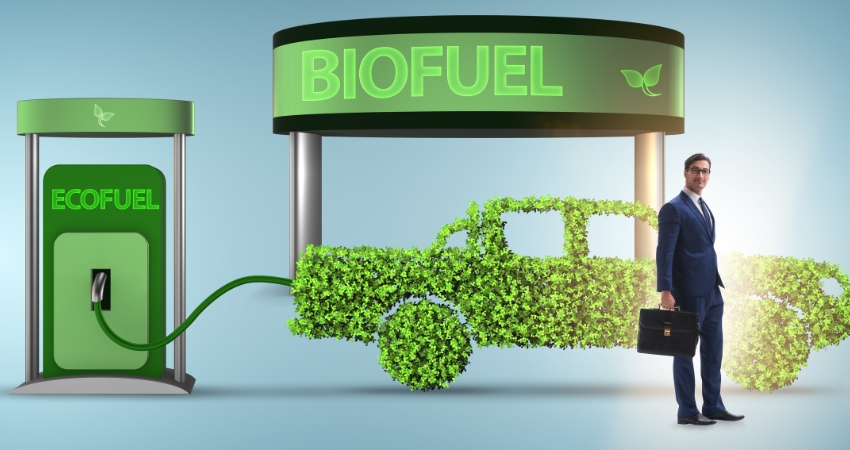
- Ethanol: Blended with petrol to reduce crude oil imports.
- Biodiesel: Produced from used cooking oil and non-edible oils.
- Compressed Biogas (CBG): Generated from agricultural waste and cattle dung.
Success Story: Rural Farmers Benefitting
In Maharashtra, farmers are now selling sugarcane waste and crop stubble to ethanol plants. Instead of burning stubble (a major cause of Delhi’s smog), they earn an additional ₹2,000–₹3,000 per acre.
Government Incentives
- Over 5000 CBG plants planned under the SATAT scheme.
- Oil marketing companies (OMCs) are signing long-term purchase agreements.
Fact check: India saved nearly ₹10,000 crore in its oil import bill in 2022 due to ethanol blending.
Green Hydrogen: The Fuel of the Future
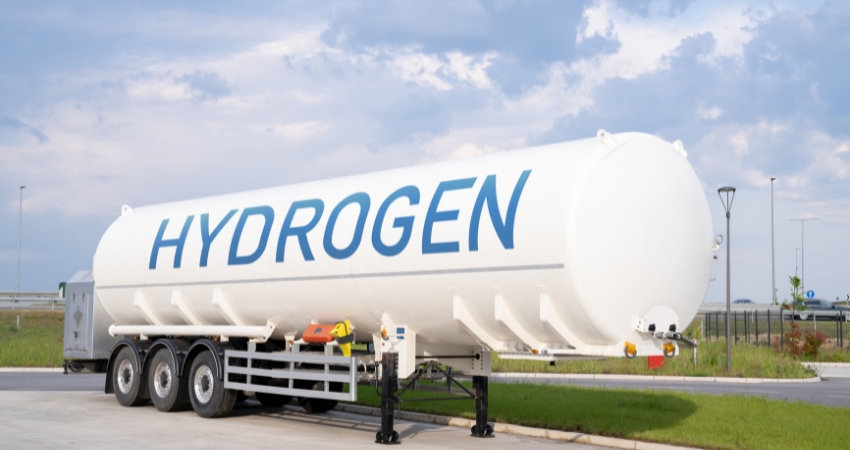
If SAF is today’s solution, green hydrogen is tomorrow’s superpower.
Why Green Hydrogen?
- Produced by splitting water using renewable electricity (solar, wind).
- Emits only water vapor, making it a zero-carbon fuel.
- Can decarbonize sectors like steel, cement, and heavy transport, which biofuels can’t fully address.
India’s Global Ambition
- India wants to become a top exporter of green hydrogen to Europe and Asia.
- Reliance Industries, Adani, and NTPC have announced multi-billion-dollar hydrogen projects.
- Ports like Gujarat’s Hazira and Maharashtra’s Ratnagiri are being developed as hydrogen hubs.
Example: Hydrogen-Powered Bus in Delhi
In 2023, Delhi tested its first green hydrogen bus, offering a glimpse into India’s clean mobility future.
International Partnerships
- India signed MoUs with Germany and Japan for hydrogen technology exchange.
- Collaborations with Saudi Arabia for green hydrogen exports.
Curiosity angle: Will India’s hydrogen buses replace CNG buses by 2035?
Challenges in India’s Green Fuel Push
Despite progress, hurdles remain:
- High production cost: SAF and green hydrogen are still more expensive than fossil fuels.
- Infrastructure gaps: Limited storage and distribution networks.
- Technology dependence: India relies on imports for electrolyzers and SAF tech.
- Farmer participation: Requires trust and fair pricing models.
- Consumer acceptance: Adoption of new fuels in transportation and industry remains gradual.
The Road Ahead: Opportunities for India
1. Global Leadership in Green Tech
India can position itself as a green fuel exporter, especially to energy-hungry regions.
2. Job Creation
The biofuel and hydrogen sectors could create 5 million jobs by 2030.
3. Rural Empowerment
Farmers selling waste for ethanol and CBG plants directly link agriculture with clean energy.
4. Climate Action
By 2030, India aims to cut 1 billion tonnes of CO₂ emissions, meeting its Paris Agreement commitments.
Real-Life Citizen Stories
- Punjab Farmer Story: Instead of burning stubble, farmers now sell it to ethanol producers, improving both income and environment.
- Hydrogen Bus Passenger: Commuters in Delhi’s pilot hydrogen bus project reported cleaner air and smoother rides.
- Startup Innovation: A Bengaluru-based startup is developing microalgae-based SAF, showing India’s innovation capacity.
Actionable Guidance: What Citizens Can Do
- Students: Explore careers in renewable energy, bioengineering, and hydrogen research.
- Professionals: Upskill in green technologies, policy, and energy analytics.
- Consumers: Support ethanol-blended petrol and adopt cleaner transport options.
- Farmers: Sell crop waste to ethanol and biogas plants instead of burning it.
India’s journey toward sustainable aviation fuel, biofuels, and green hydrogen is not just about energy—it’s about national resilience, job creation, and leadership in global climate action. From farmers in Punjab selling stubble for ethanol to cutting-edge hydrogen projects in Gujarat, the movement is shaping India’s growth story.
This is more than policy—it’s a people-driven transformation. The next decade will determine whether India emerges as a global green energy superpower.