Why This Shift Matters
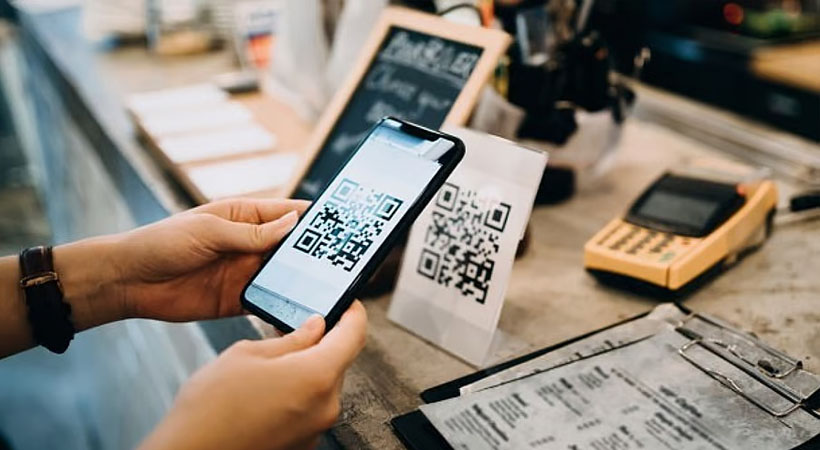
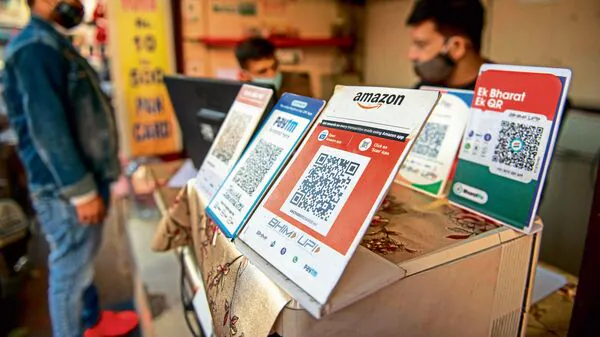
Digital payments are already the backbone of India’s fintech revolution. With UPI (Unified Payments Interface) facilitating billions of transactions monthly, India has built one of the world’s most advanced real-time payment systems.
Yet, as usage grew, the vulnerabilities also multiplied—PIN theft, OTP interception, and scams have become persistent concerns. Now, with the October 2025 shift to allow biometric authentication (face, fingerprint) for UPI transactions, India is poised to leap into a new era—one of secure convenience and elevated trust.
This blog explores the history, implications, and roadmap of this transformation, positioning it in India’s national development and digital security narrative.
Digital Payments & Authentication in India
Growth of UPI & Digital Payments
- UPI launched in 2016, under the architecture of NPCI (National Payments Corporation of India).
- It allowed immediate inter-bank transfers via mobile devices using Virtual Payment Addresses (VPAs).
- Over time, it supplanted older systems (NEFT, IMPS) for small and medium payments.
- Today, UPI accounts for the majority of digital transactions in India—volume and value.

Authentication Methods Before: PIN, OTP, 2FA
- Traditionally, UPI payments required a numeric PIN (4- or 6-digit) as a second factor.
- For onboarding, password resets, etc., OTP via SMS was commonly used.
- RBI’s guidelines have long mandated two-factor authentication (2FA) or additional factor authentication (AFA) for digital payments.
- However, PINs and OTPs are not foolproof—phishing, SIM swap, SMS interception, and shoulder surfing remain threats.
Aadhaar & Biometric Infrastructure
- Aadhaar Act, 2016 laid the legal foundation for biometric identity with fingerprint and iris data collection.
- Over time, Aadhaar authentication (via biometric or OTP) has been used across welfare schemes, eKYC for banks, and UIDAI services.
- The Aadhaar system thus constitutes a massive biometric database, already used for identity verification across sectors.
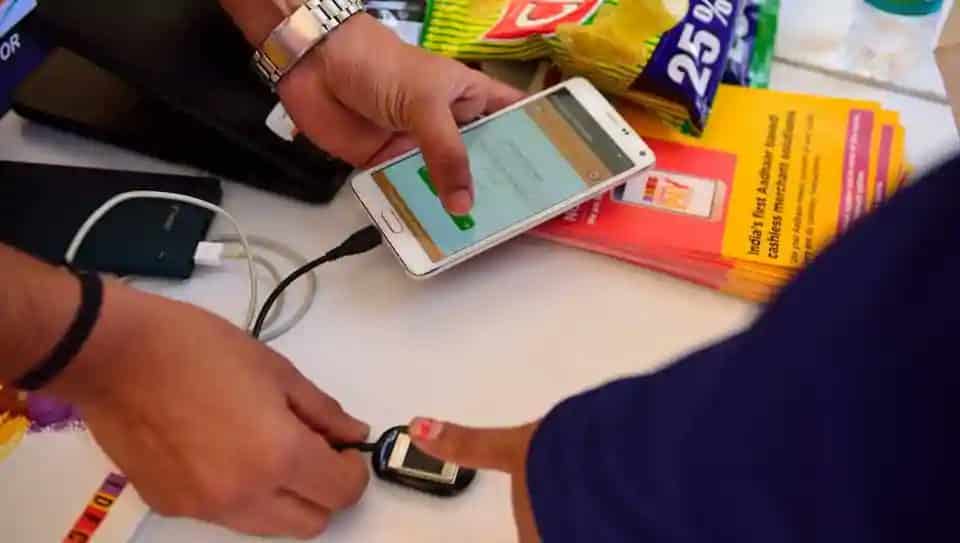
- Earlier, Aadhaar Enabled Payment System (AePS) allowed rural banking transactions (balance, withdrawal, fund transfer) through biometric authentication.
In sum, India already had biometric foundations—but not in widespread use for day-to-day retail digital payments. That changes now.
The Policy Change: What’s New as of October 2025
The Announcement & Timing
- As of October 8, 2025, India will officially allow biometric authentication (face or fingerprint) for UPI payments.
- This change comes following updated RBI guidelines that permit alternative authentication methods beyond PIN.
- NPCI is expected to roll out this feature and showcase it at fintech events (e.g., Global Fintech Festival in Mumbai) as a flagship offering.
What the Policy Permits
- Authentication via face recognition and fingerprint scanning on user devices.
- This will act as an alternative to PIN, not necessarily a full replacement at first.
- The biometric data involved will leverage the Aadhaar database or device-level secure storages.
- Fallback mechanisms (PIN, OTP) are expected in cases where biometric fails or is unavailable.
- The new rules do not immediately eliminate PINs but pave the way for a multi-option authentication landscape.
Regulatory & Security Backing
- RBI’s Authentication Mechanisms for Digital Payment Transactions directive allows alternative authentication and mandates dynamically generated factors (i.e., non-reusable per transaction).
- RBI is also allowing risk-based checks by issuers, giving flexibility to use biometric methods for low- to medium-value transactions, and stricter checks for higher risk ones.
- For AePS systems (in rural banking), RBI has recently released due diligence guidelines to shore up security, prevent fraud, and ensure trust in biometric transactions.
- The policy also aligns with India’s Payments Vision 2025 which emphasizes expanding digital payments, security, and financial inclusion.
In effect, policy, regulation, and infrastructure are converging to make biometric payments a reality.
How Biometric Authentication Will Work
Device-Based Biometric Authorization
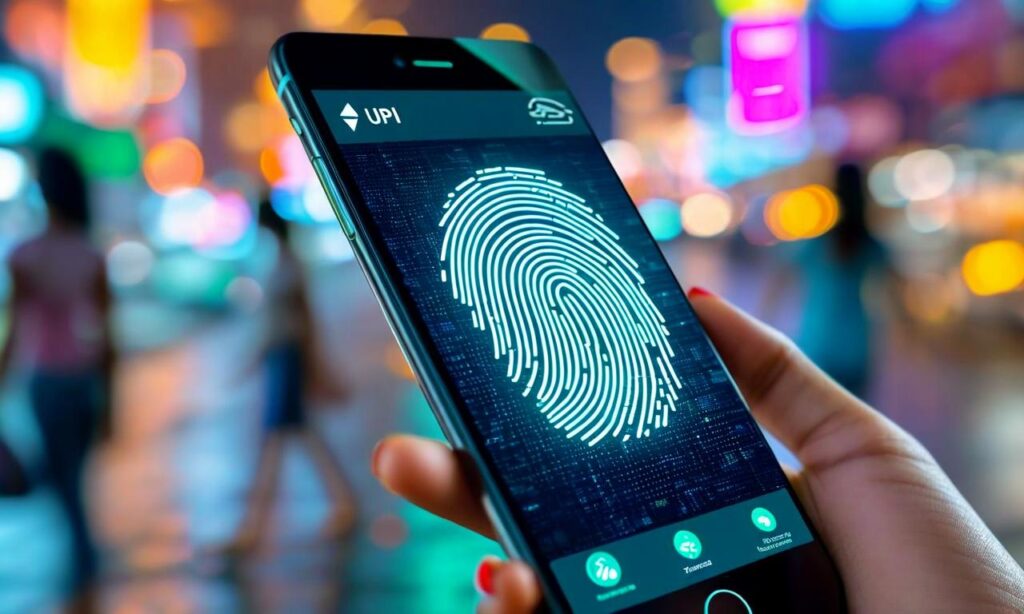
- The authentication will happen on the user’s device, using built-in biometric sensors (fingerprint sensor, face camera) and secure hardware modules (e.g., Trusted Execution Environment, Secure Enclave).
- This means biometric data does not leave the device, reducing risk of central data breach. Many sources emphasize privacy being maintained.
- The app or UPI client will prompt for biometric scan to approve the transaction instead of entering the PIN.
Linking with Aadhaar / Identity Verification
- Biometric authentication may link to Aadhaar database, verifying that the user is the same as the biometric identity in record.
- For new UPI setup, switching PIN, or fallback cases, Aadhaar-based face or fingerprint may be used to establish identity verification.
Transaction Flow (Simplified)
- User initiates a UPI transaction (P2M or P2P).
- UPI app recognizes that the user has enabled biometric authentication.
- Instead of asking for PIN, the app requests a biometric scan.
- Device authenticates the user locally, generates a cryptographic signature or token.
- Transaction is approved and sent to bank / NPCI backend.
- If biometric fails, fallback to PIN or OTP may be triggered.

Scope, Limits & Phased Rollout
- Likely small to medium transaction amounts will be the first to allow biometric authorization.
- High-value transactions may still require stronger or combined checks.
- Coexistence of PIN + biometric + fallback methods will be typical in early phases.
- Gradually, as adoption, trust, and infrastructure mature, biometric may become default.
- Devices without biometric sensors may continue with PIN/OTP for the time being.
Security, Privacy & Risks: Challenges and Safeguards
Strengths of Biometric Authentication
- Cannot be forgotten or easily guessed, unlike PINs.
- Unique per individual — less susceptible to brute-force attacks.
- Local device storage (not centralized) reduces mass breach risks.
- Faster and friction-free user experience, which encourages adoption and reduces PIN/OTP fatigue.
Key Risks & Concerns
- Biometric spoofing / presentation attacks (e.g. fake fingerprint molds, photos)
- False positives / false negatives due to sensor errors or environment
- Device compromise or malware capturing biometric data in transit
- Fallback method exploitation (if PIN or OTP fallback is weak)
- Privacy concerns over linking Aadhaar biometric data for everyday payments
- Data misuse or surveillance if biometric identity is tied to transactions
Safeguards & Regulatory Protections
- Device-level secure enclaves ensure biometric data never leaves device.
- Liveness detection, anti-spoofing algorithms, behavioral matching.
- Anonymous cryptographic tokens instead of direct biometric data transfer.
- Fallback options only when strict conditions are met.
- Regulatory oversight & audits by RBI / UIDAI / NPCI.
- Transparent user consent, revocation and opt-out safeguards.
- Strict data privacy rules under IT/DP laws and biometric policy frameworks.
Balance Between Security & Convenience
The shift to biometrics must strike a balance: convenience should not come at the cost of weakened security or loss of user control. Regulatory audits, device certification, and transparent user rights are essential.

Real-World Use Cases & Early Adoption
Banking & Fintech Pilots
- Federal Bank recently launched biometric e-commerce payments (compliant with RBI’s 2FA) to eliminate reliance on OTPs.
- Some UPI / fintech apps (e.g. Navi UPI) claim to be among the first to allow fingerprint / face payment in India.
- NPCI is reportedly unveiling wearable / glass-based authentication as part of this move.
Rural & Financial Inclusion
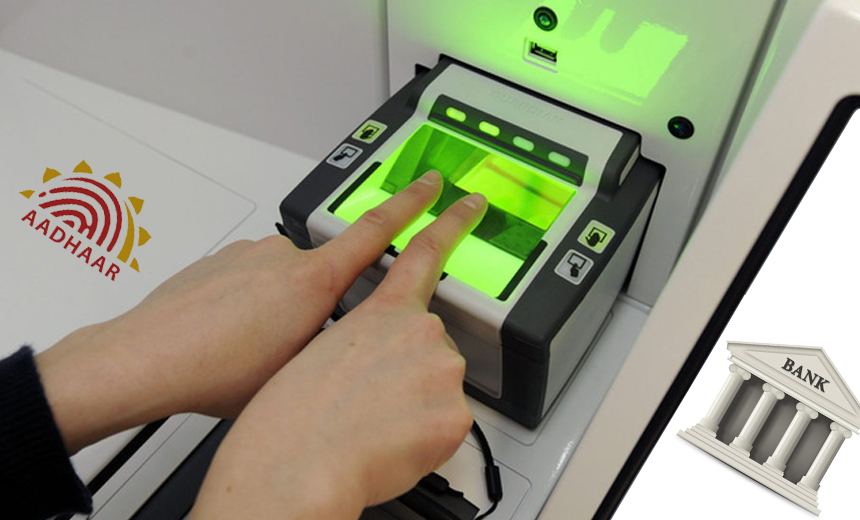
- In rural India, AePS platforms already allow basic banking via biometric authentication of Aadhaar at banking correspondents.
- This experience provides a foundation for mainstream biometric transactions even in low-connectivity regions.
Real-Life Anecdote (Hypothetical Illustration)
Consider Rajesh, a small shop owner in a Tier 2 town. He has been using UPI with PIN for years. Now with biometric authentication enabled, customers can pay by simply scanning their face or fingerprint (if both parties have biometric-enabled UPI). This reduces friction, speeds up billing, and reduces PIN misuse or customer hesitation (especially older users who forget PINs).
Similarly, a student in rural school gets a stipend via UPI. Instead of remembering a PIN, he can receive and spend it via just fingerprint authentication, making digital inclusion simpler.
These are the kinds of stories that will surface as adoption grows.

The Impact: Fraud, Inclusion & Trust
Fraud Reduction & Secured Transactions
- Many UPI frauds today involve theft or leakage of PINs / OTPs. Biometric reduces this vector.
- Transaction-level cryptographic verification prevents replay attacks.
- Fallback paths force additional verification, reducing “easy takeovers.”
Boost to Financial Inclusion
- Users formerly intimidated by PINs / security concerns may adopt digital payments more readily.
- Elderly, illiterate, or tech-averse users can authenticate easily with biometrics.
- Rural users with AePS experience can transition to full UPI usage.
Enhanced Trust & User Confidence
- A more secure system bolsters trust in digital payments.
- Encourages further digital innovations (micro-loans, embedded payments).
- Aligns with India’s national development goals of a cashless, secure, inclusive economy.
Potential Concerns & Critiques
Privacy & Surveillance Fears
- Linking every transaction with Aadhaar biometric could lead to profiling or oversight.
- Concerns about how biometric usage logs may be retained, used, or misused.
- Fear that opting out or fallback might penalize users.
Digital Divide & Device Gaps
- Not all devices support biometric sensing (older phones).
- Low-end smartphone users may be excluded or forced to continue with PIN/OTP forever.
- Users may resist biometric adoption due to distrust or cultural reservations.
System Failures & Accessibility
- What if biometric fails (e.g. injury to finger, face mask, device damage)?
- Fallback must be robust for universal access.
- Biometric sensors can degrade or malfunction over time.
Regulatory & Implementation Lag
- Ensuring all banks, PSPs, fintech players comply correctly is nontrivial.
- Audits, certification, interoperability standards needed.
- Public awareness, user education, and grievance redress mechanisms are essential.
Comparative Global Perspectives
Biometric Payments Worldwide
- Some countries and companies have piloted biometric payments (e.g. fingerprint, face ID) for point-of-sale, e-commerce, or banking.
- Mastercard has piloted biometric passkey services and payments in India.
- Globally, biometric authentication is already used in high-security sectors, but rarely as the primary mode for mass retail transactions.
Lessons from Other Jurisdictions
- Rigorous anti-spoofing and liveness checks are vital.
- Clear opt-in, user consent, revocation paths help address privacy concerns.
- Device-level security (secure enclaves, TPMs) is a must.
- Gradual rollout with fallbacks ensures smooth adoption.
India’s initiative, given its Aadhaar infrastructure and high smartphone penetration, is among the most ambitious implementations globally.
What Stakeholders Must Do: Actionable Guidance
For Users / Consumers
- Check if your UPI app supports biometric authentication post-October 8.
- Understand your fallback option (PIN / OTP) and configure it.
- Keep your mobile OS and apps updated to get security patches.
- Use biometric locks and secure your device (screen lock, encryption).
- Monitor transactions, set alerts, and report anomalies promptly.
For Banks / Payment Service Providers / Fintech
- Update UPI apps to incorporate biometric prompts, fallback logic, and secure key stores.
- Work with device manufacturers, biometric SDKs, and security firms to ensure anti-spoofing, liveness, and secure execution.
- Ensure compliance with RBI / NPCI guidelines, audits, and interoperability.
- Educate customers, provide fallback support, and run phased rollouts.
For Regulators & Policymakers
- Audit biometric authentication frameworks, privacy safeguards, and certification standards.
- Monitor fraud trends and adjust thresholds for risk-based checks.
- Release clear rules for biometric data use, storage, revocation, and user rights.
- Run public awareness campaigns, grievance redress mechanisms, and transparency modules.
- Periodically review and upgrade standards as new threats emerge.
Future Roadmap: Where This Can Go Next
- Biometric becomes default mode over time, with PIN/OTP as fallback only.
- Wearable devices, smart glasses, voice biometrics may join the authentication options.
- Integration with digital rupee / CBDC payments using biometric authorization.
- Multi-modal biometrics (face + voice + finger) for high-risk transactions.
- Behavioral biometrics and AI for continuous authentication.
- Expansion of biometric payments to other platforms: e-commerce, transport, IoT.
India’s Payments Vision 2025 and Digital India agenda could extend this to embed biometric payments in everyday services—electricity, tolls, microcredit, etc.
Takeaways
India’s move to biometric authentication for UPI marks a transformative step—elevating security, convenience, and trust in the digital payment ecosystem. It combines India’s strong Aadhaar base with modern device security to reduce fraud and expand inclusion.
Key takeaways:
- Biometric auth is launching on Oct 8, 2025, initially as an alternative to PIN.
- Data processing is designed to be device-local, protecting privacy.
- Fallback mechanisms (PIN, OTP) will remain to ensure access resilience.
- Successful rollout depends on robust implementation, public trust, and regulation.
- Users, banks, and regulators must adapt, educate, and audit proactively.