Why Atmanirbhar Bharat Meaning Is Controversial
Despite being widely promoted as a progressive and growth-oriented vision, the concept of atmanirbhar bharat meaning continues to generate debate among economists, policymakers, and industry experts. While the idea of self-reliance sounds inherently positive, the controversy arises from how it is interpreted, implemented, and communicated.
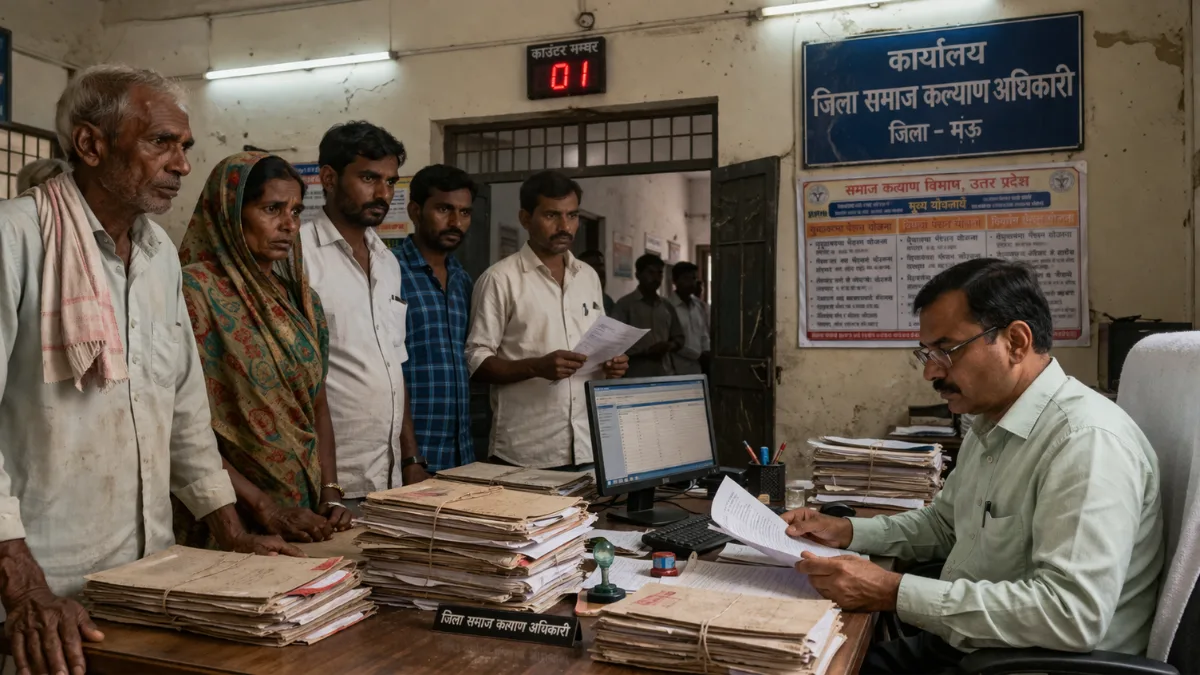
[caption id="attachment_10035" align="alignnone" width="1024"]

Rise of startups and digital platforms contributing to a self-reliant India[/caption]
At the core of the debate is a fundamental question: Does self-reliance mean strengthening domestic capabilities while staying globally connected, or does it signal a shift toward protectionism? This ambiguity has led to multiple viewpoints and ongoing discussions about the real self reliance India impact.
Key Triggers Behind the Debate
Several factors contribute to the controversy:
- The fear of protectionism, where domestic industries are shielded from global competition
- Concerns about efficiency and productivity, especially if local industries lack competitiveness
- The potential impact on global trade relationships and foreign investments
- Risks of policy overreach, including excessive government intervention
Critics argue that an aggressive push toward domestic production could lead to higher costs, reduced innovation, and limited consumer choices. On the other hand, supporters see it as a necessary correction in a world where global supply chains are increasingly uncertain.
Different Perspectives on Self Reliance India Impact
Supporters’ View
Supporters of the initiative believe that the atmanirbhar bharat meaning represents a strategic and timely shift in India’s economic approach. In an era marked by geopolitical tensions and supply chain disruptions, building internal strength is seen as essential.
Key Arguments in Favor:
- Reduces dependency on imports, especially in critical sectors like defense, pharmaceuticals, and electronics
- Creates employment opportunities by boosting domestic manufacturing
- Strengthens national security through local production capabilities
- Encourages innovation, startups, and entrepreneurship
From this perspective, the self reliance India impact is expected to create a more resilient and future-ready economy that can withstand global uncertainties.
Critics’ View
Critics, however, raise concerns about the long-term implications and execution challenges of the policy. They argue that the concept, if misapplied, could reverse decades of economic liberalization.
Key Concerns:
- A shift toward protectionist policies may reduce global competitiveness
- Higher production costs could lead to increased prices for consumers
- Limited exposure to global competition may reduce innovation
- Over-dependence on government incentives may distort market dynamics
Many economists emphasize that global integration—not isolation—has historically driven economic growth. They question whether the current interpretation of atmanirbhar bharat meaning maintains this balance effectively.
Facts vs Claims: Separating Reality from Narrative
To understand the true self reliance India impact, it is important to distinguish between verified outcomes and popular claims.
Verified Facts:
- Growth in domestic manufacturing, especially in electronics and mobile production
- Expansion of India’s startup ecosystem and digital infrastructure
- Government-backed incentives boosting targeted industries
Common Claims:
- India will achieve complete self-sufficiency in a short time
- Imports will significantly decline across all sectors
- Local products are inherently superior to global alternatives
Reality Check:
In reality, self-reliance is a gradual, sector-specific process, not an overnight transformation. Complete independence from global trade is neither practical nor economically beneficial. Instead, the goal is to reduce critical dependencies while remaining globally competitive.
[caption id="attachment_10036" align="alignnone" width="1024"]

Growth of domestic manufacturing under the Atmanirbhar Bharat initiative[/caption]
What People Often Overlook
While most discussions focus on policy and economics, several deeper aspects of the atmanirbhar bharat meaning are often overlooked:
1. Self-Reliance Does Not Mean Isolation
The initiative aims to strengthen domestic capabilities while continuing to engage with global markets.
2. Quality vs Quantity Challenge
Local production must meet global standards in both quality and cost to be truly sustainable.
3. Skill Development Gap
A skilled workforce is essential for achieving meaningful self-reliance, yet this remains a key challenge.
4. Importance of Private Sector Participation
Government policies can provide direction, but real progress depends on private sector innovation, efficiency, and scalability.
This balanced understanding highlights that the self reliance India impact is complex, evolving, and deeply dependent on execution rather than just intent.




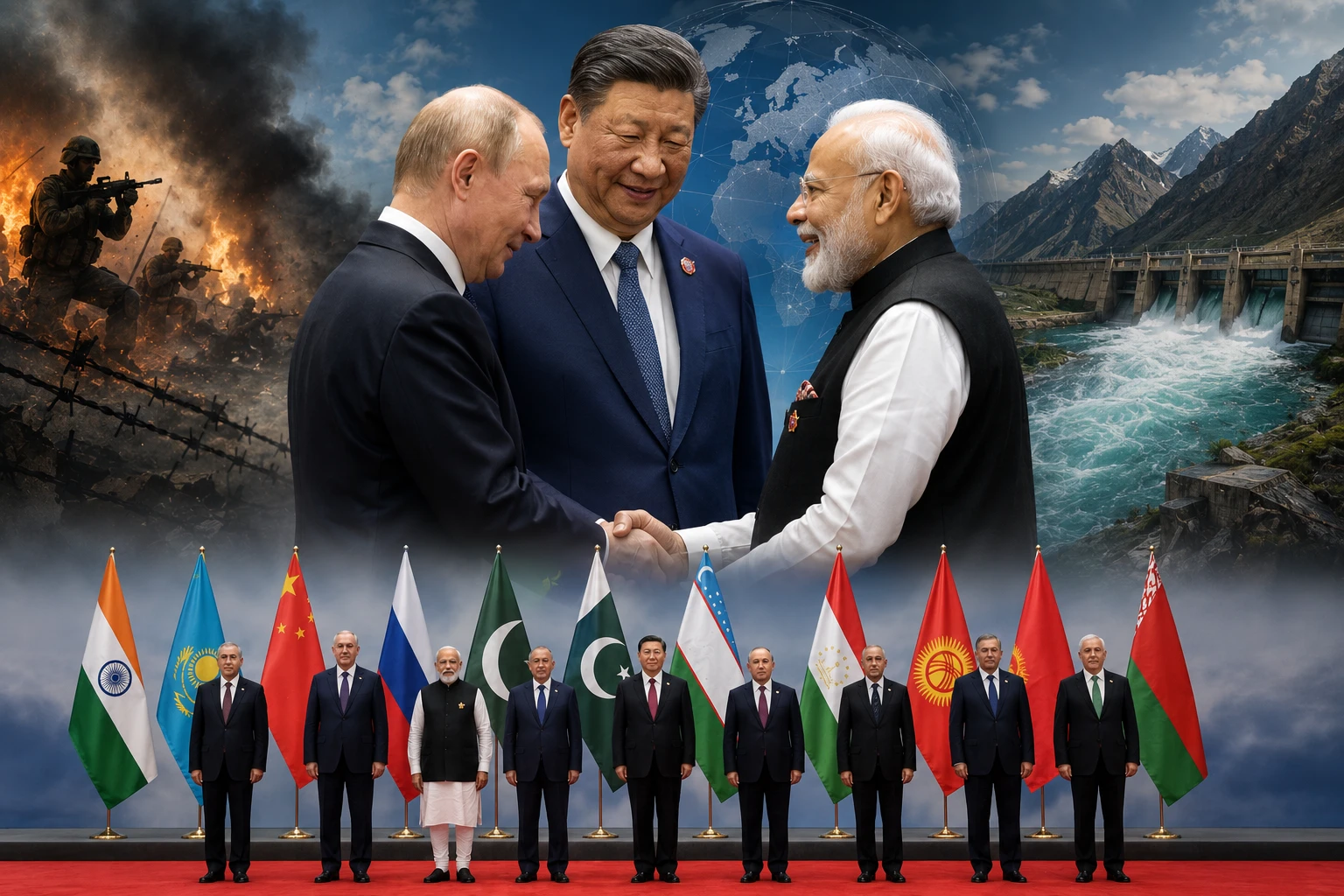
 India strengthening its position in global trade through self-reliance[/caption]












Comments (0)