

Scientists Unveil a Revolutionary Method to Rejuvenate Aging Human Cells: A New Era for Regenerative Medicine Begins
Ageing has always been one of the most profound biological realities of human life. While societies across centuries have explored countless ways to slow down the process of decline, from herbal traditions to modern pharmaceuticals, science has long struggled to answer a fundamental question: Can aging cells be revived rather than simply preserved? A recent discovery from scientists at Texas A&M University suggests the answer may now be closer to “yes” than ever before.
In a pioneering achievement, researchers have developed a technique that re-energizes ageing human cells by restoring the function of their mitochondria, which are often referred to as the engines or power stations of the cell. The study demonstrates that when mitochondrial health is revived, cells regain not just their energy capacity but also their ability to repair themselves and support neighboring cells. This method has the potential to redefine how medicine approaches ageing, tissue repair and degenerative diseases.
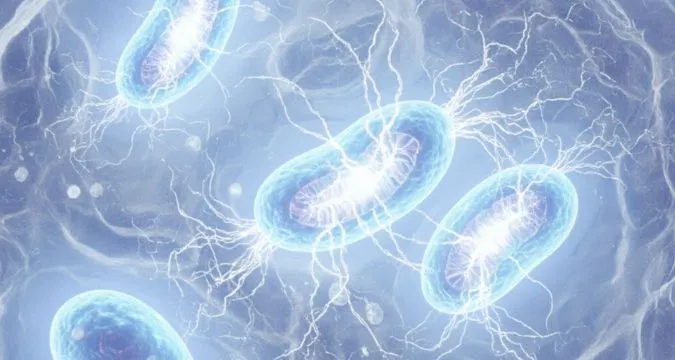
The implications go far beyond laboratory experiments. If this approach is refined for human therapeutic use, it could transform treatment for cardiovascular diseases, muscle degeneration, age-related organ decline and even the broader pursuit of healthy longevity.
This long-form analysis explores the science behind the breakthrough, the relevance of mitochondria in human aging, the unique nanotechnology at the heart of the study, early clinical impact and the vast potential that lies ahead.
The Science Behind Ageing: Why Cells Decline Over Time
Understanding the significance of the discovery requires an understanding of how aging works at the cellular level. Biologists often describe aging as a multifactorial process influenced by genetics, lifestyle and environmental stress. However, among these contributing factors, mitochondrial decline stands out as a major driver.
Mitochondria are responsible for producing adenosine triphosphate, the molecule that fuels nearly all biological activities including muscle contraction, brain function, immune defence, cellular repair and metabolic balance. In youth, mitochondria operate with maximum efficiency. They multiply rapidly, repair themselves and generate stable streams of energy.
With age, however, mitochondria begin to fragment, mutate or slow down due to oxidative stress and accumulated damage. When this decline sets in, cells lose their ability to regenerate, chronic inflammation increases and tissues grow weaker. This contributes to:
- muscle loss
• reduced heart function
• lower immunity
• slower wound healing
• neurodegeneration
• metabolic disorders like diabetes
Multiple studies from institutions like Harvard Medical School, the Buck Institute for Research on Ageing and the University of Cambridge have established mitochondrial dysfunction as one of the primary hallmarks of aging. When energy systems collapse, every biological system suffers.
Scientists have spent decades attempting to reverse this decline. Some attempted gene editing, others focused on pharmaceuticals such as NAD boosters. While these interventions have shown partial benefits, none have successfully demonstrated the ability to revive ageing human cells safely and effectively without altering genetics.
This is what sets the Texas A&M breakthrough apart.
The Birth of a New Technology: Nanoflowers Crafted for Cellular Healing
Central to the discovery is a microscopic innovation known as nanoflowers. These structures derive their name from their unique blossom-like shape. Crafted from molybdenum disulfide, a material increasingly used in biomedical research, these nanoflowers possess a surface with sponge-like pores that absorb damaging molecules known as reactive oxygen species.
Reactive oxygen species (ROS) are chemically reactive molecules produced by the natural metabolism of cells. In small amounts, they are part of normal biological signalling. But as humans age, ROS levels rise excessively due to weakened antioxidant systems. High ROS levels damage DNA, proteins and importantly, mitochondria.
Also Read: 8 Morning Drink That Approve By AIIMS
Traditional antioxidant supplements do little to counter this because they cannot reach deep inside cells or influence mitochondrial repair directly. The newly developed nanoflowers, however, are engineered to enter the cellular environment and act with far more precision.
When researchers introduced these nanoflowers to ageing human stem cells in laboratory conditions, something remarkable happened. The particles rapidly absorbed oxidative stress molecules, clearing the environment for the cell’s natural healing systems to activate. As mitochondrial stress reduced, the cells began triggering genes responsible for mitochondrial biogenesis, the process of creating new mitochondria.
This is the equivalent of replacing a weakened engine with a new, fully functional one. For aging cells, it is the difference between slow decline and renewed vitality.
Beyond Self-Healing: Cells That Restore Their Neighbors
One of the most astonishing results of the experiment was the secondary effect the rejuvenated cells had on nearby damaged cells. Even though scientists have known for years that cells can exchange mitochondria, this process is minimal and diminishes with age. Healthy cells occasionally lend mitochondria to distressed neighbours, but the scale is too small to influence widespread regeneration.
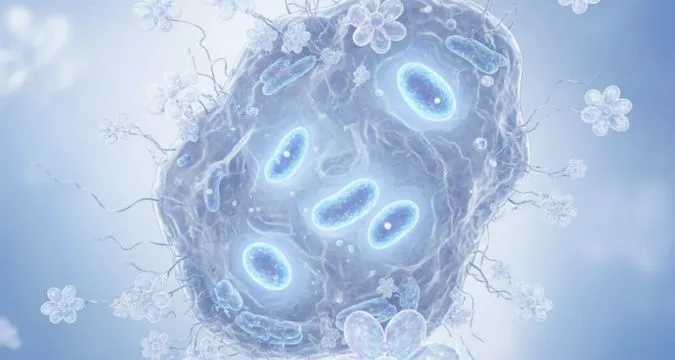
After treatment with nanoflowers, however, the rate of mitochondrial transfer skyrocketed. Experiments showed:
- nearly double the natural mitochondrial exchange rate
• muscle cells showed three- to fourfold improvement in growth
• heart cells damaged by chemotherapy displayed significantly higher survival rates
This mitochondrial sharing acts like a biological repair kit. When a rejuvenated cell donates mitochondria to a damaged one, it improves the recipient cell’s ability to heal, divide and function properly. Over time, if applied clinically, this could help restore tissues affected by age, injury or disease.
This discovery offers something rare in medical science: a method that leverages the body’s intrinsic repair mechanisms instead of forcing artificial changes onto it.
How This Innovation Differs from Gene Editing and Stem Cell Therapy
One of the major debates in regenerative medicine revolves around how to rejuvenate cells while avoiding risks associated with genetic modification. Gene editing tools like CRISPR have revolutionised scientific research, but regulatory and ethical concerns slow their path into human medical practice.
Similarly, stem cell therapy holds immense promise but often requires complex manipulation, immunosuppression or genetic alterations.
The nanoflower method is notable because:
- it requires no genetic changes
• it uses biocompatible materials
• it activates natural biological pathways
• it supports cell-to-cell communication
• it has low risk of triggering unwanted mutations
This positions the technology as a more accessible, safer alternative that could reach clinical application sooner.
A Closer Look at the Lab Findings
The research team conducted a series of tests across muscle cells, heart cells, stem cells and damaged tissues to verify the impact of nanoflowers. Findings included:
- Improved mitochondrial membrane potential
This measure indicates how effectively mitochondria produce energy. Treated cells displayed significantly higher energy output than ageing cells. - Reduced apoptosis
Apoptosis refers to programmed cell death. Damaged cells that received mitochondria from treated stem cells showed reduced death rates. - Enhanced tissue regeneration indicators
Markers associated with muscle repair and cellular division increased three to four times in treated samples. - Increased antioxidant capacity
Cells demonstrated elevated resilience against oxidative stress.
These results collectively strengthen the argument that mitochondrial restoration may offer a viable pathway to reverse biological ageing markers at the cellular level.
Potential Applications: A Roadmap for Future Medical Use
The implications of this discovery reach far beyond basic cell biology. If this approach becomes suitable for human therapies, it could reshape how medicine treats many of the most prevalent diseases worldwide.
1. Cardiovascular Disease Treatment
Heart diseases remain the leading cause of death globally. The heart contains cells with high energy demand, making mitochondrial decline particularly dangerous. If this technology can restore mitochondrial function in cardiac tissues, it could help:
- repair heart muscle post-heart attack
• support patients undergoing chemotherapy
• reduce the severity of age-related cardiac decline
2. Applications in Muscle Degeneration
Muscle weakness and atrophy are common consequences of ageing. Conditions like muscular dystrophy could benefit from mitochondrial revival, which enhances muscle regeneration and endurance.
3. Neurodegenerative Diseases
Although the current experiment did not involve brain cells, mitochondrial dysfunction is heavily associated with disorders such as:
- Alzheimer’s disease
• Parkinson’s disease
• ALS
Future research could determine whether nanoflower-based therapies can restore energy balance in neurons as well.
4. Immune Ageing
The immune system weakens with age due to mitochondrial decline in immune cells. Restoring these mitochondria could help strengthen immune response in older adults.
5. Anti-ageing and Longevity Therapies
The possibility of rejuvenating ageing tissues offers potential applications in:
- skin rejuvenation
• organ repair
• wound healing
• early intervention against age-related diseases
While full age reversal remains far from reach, slowing or partially reversing cellular ageing could significantly improve healthy life expectancy.
Challenges Ahead: The Road From Lab to Human Therapy

Despite the promising results, scientists emphasize that much work remains before this technology can be used in clinical treatments. The main challenges include:
- Safe delivery mechanism
Ensuring nanoflowers reach the correct tissues without affecting unintended areas. - Long-term evaluation
Studying how newly created mitochondria behave over months and years inside human tissues. - Immunological response
Verifying that the body does not react adversely to the nanoflowers or the resulting biological changes. - Controlled dosing
Fine-tuning the ideal concentration of nanoflowers needed for targeted therapeutic use. - Scaling production
Developing reliable manufacturing systems for large-scale clinical demand.
The scientific community remains cautiously optimistic because the study’s foundational principle aligns with natural cellular behavior, making it more likely to translate safely into human medicine.
How This Breakthrough Fits Into the Global Ageing Research Landscape
Over the past decade, the field of ageing research has attracted major investments from governments, private foundations and technology companies. Initiatives include:
- US National Institute on Ageing’s Longevity Projects
• Japanese government’s anti-ageing medicine programmes
• European Union’s Horizon projects on healthy ageing
• Private investments from companies focusing on gene therapy and cellular reprogramming
Most modern approaches revolve around stem cells, telomere extension, senolytic drugs and metabolic interventions. The Texas A&M discovery adds a powerful new dimension: mitochondrial revitalization without genetic alteration, which is a milestone many researchers have envisioned but struggled to achieve.
Why This Breakthrough Matters for the Future of Medicine
If ageing cells can be revived and allowed to repair neighboring tissues, medicine would no longer be limited to slowing decline. Instead, it could shift toward restoration, a more regenerative and optimistic form of healthcare.
Future hospitals could see:
- treatments that restore heart tissue after failure
• injectable therapies that revive muscle strength
• therapies for chemotherapy-damaged organs
• regenerative recovery for age-related frailty
This would help reduce the burden on healthcare systems as populations age. According to the United Nations, the global population aged 60 and above is expected to double from 1 billion to 2.1 billion by 2050. Age-related diseases are projected to become the dominant healthcare challenge of the century. Breakthroughs like this are essential to preparing for that future.
Also Read: mRNA Technology
A Turning Point in Understanding Human Ageing
The deeper message behind this discovery is philosophical as much as scientific. It challenges long-held assumptions that biological ageing is irreversible. While humans may never achieve total reversal of aging, the ability to restore mitochondrial vitality redefines what is possible in modern medicine.
Ageing is no longer viewed solely as a passive decay but as a process that can be influenced, improved and potentially redirected at the cellular level.
This redefines everything we know about longevity research.
More Read

A Future Where Ageing Can Be Managed and Reversed at the Cellular Level
The Texas A&M discovery represents a monumental step toward a future where human cells can be revitalised without genetic engineering or pharmaceuticals. By restoring the essential power centers of the cell, scientists have opened the door to treatments that could support cardiovascular health, muscle recovery and perhaps even protection against degenerative diseases.
Much work remains to transform this laboratory innovation into a clinical therapy. But the path is now clearer than it has ever been. With continued research, refinement and global scientific collaboration, the dream of regenerative aging may soon become a reality.
Humanity stands at the edge of a transformative moment. For the first time, we have evidence that aging cells can regain their energy, restore their structure and even heal their neighbors. It marks the beginning of a new chapter in biomedical science, where age-related decline may no longer be seen as inevitable but as a biological challenge that can be addressed through innovation, technology and a deeper understanding of our own cellular universe.