

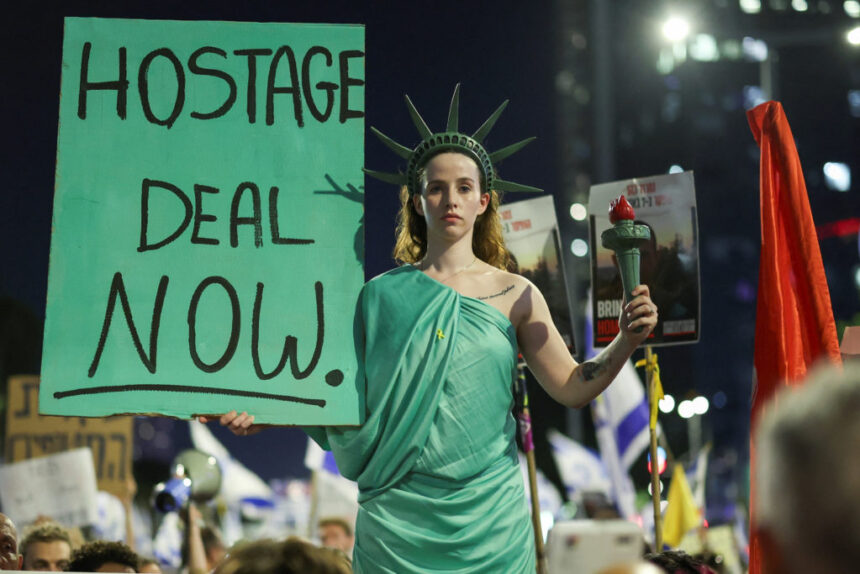
In October 2025, Israel’s cabinet formally approved the “outline” of a deal with Hamas to release hostages held in Gaza in exchange for Palestinian prisoners, coupled with a Gaza ceasefire. This step marks one of the most significant developments to date in attempts to resolve parts of the decades-long Israeli-Palestinian conflict and the ongoing Gaza war triggered by Hamas’s October 7, 2023 attacks.
While many details remain to be finalized, this framework signals a tentative but meaningful shift from open conflict toward negotiated settlement, humanitarian relief, prisoner exchange, and diplomatic engagement. Given the intensity of the war, the political risks, and the deep distrust between the parties, implementation will be fraught. But the approval of an “outline” is itself evidence that parties—under pressure from mediators, international actors, and internal constraints—are inching toward compromise.
This article engages in a deep dive: what the outline contains, what is not yet settled, the challenges ahead, the historic background, and what success or failure might look like.
Background: War, Hostages, and Previous Exchanges
The October 7, 2023 Attack and Aftermath
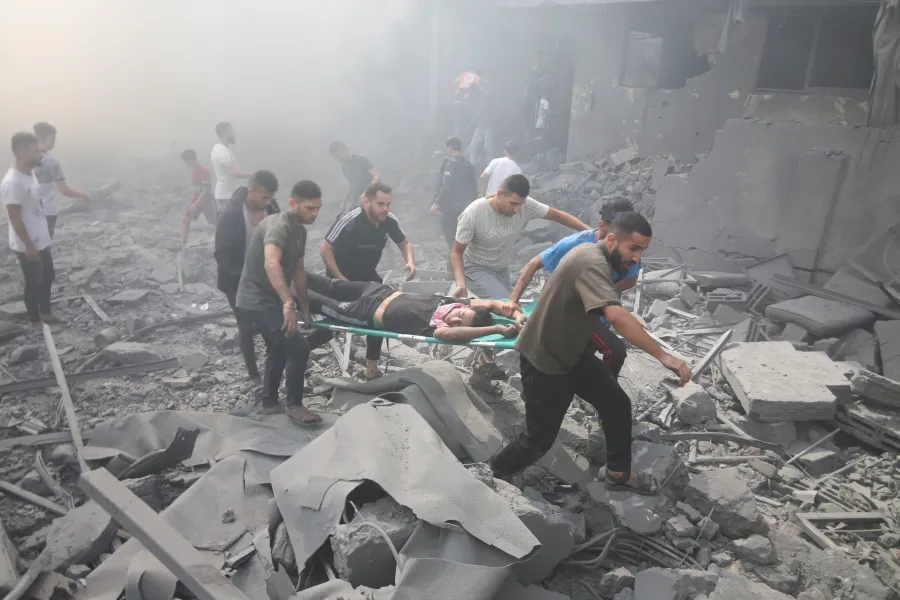
On October 7, 2023, Hamas launched a large-scale attack from Gaza into southern Israel, killing many Israelis and taking over 200 hostages into Gaza. Israel responded with major military operations in Gaza, aiming to destroy Hamas’s infrastructure, eliminate its leadership, and rescue hostages. The war has been devastating: thousands of civilian casualties, widespread destruction of buildings, severe humanitarian crisis, displacement, and intermittent international pressure for ceasefires.
Past Ceasefire & Exchange Efforts
Over the course of the conflict, several rounds of negotiations led to partial ceasefires and hostage-prisoner swaps. For instance:
-
In January 2025, Israel and Hamas reached an agreement—including a six-week pause in fighting—under which Hamas agreed to release dozens of hostages and Israel freed hundreds of Palestinian detainees.
-
These prior deals demonstrated two truths: that exchanges are possible under pressure and mediation, and that each step is fragile given mistrust, political conditions, and battlefield dynamics.
-
The 2025 ceasefire and exchange deal built on a “three-phase” proposal that envisions eventual full withdrawal, reconstruction, and long-term stability.
-
United Nations Security Council Resolution 2735 (June 2024) called on Hamas to accept a comprehensive hostage-ceasefire plan, reinforcing the diplomatic basis for such agreements.
But none of those earlier agreements fully resolved the war. Fighting, skirmishes, and political brinkmanship often resumed. The new “outline” reflects the accumulated lessons, pressures, and urgency for a more durable step.
What the “Outline” Approved by Israel Includes

Because the cabinet approved only an “outline,” many precise terms remain to be hammered out. Based on public statements, reporting, and diplomatic leaks, here are the elements that are known or strongly reported:
1. Ceasefire & Withdrawal Timelines
-
The outline includes a ceasefire, to begin as soon as Israeli cabinet approval is given.
-
Israel’s military forces are to pull back to an “agreed line” within 24 hours of pause implementation. This repositioning is crucial to creating space for hostages’ release, humanitarian aid, and monitoring.
-
After withdrawal, Hamas is expected to release hostages within 72 hours (i.e., three days).
These deadlines compress the critical first phase of the deal, placing urgency on executing measures, verifying compliance, and reducing space for spoilers.
2. Hostage Release
-
Hamas will release all remaining hostages, including those presumed dead and those still alive. The cabinet statement and media reports refer to “living and deceased” hostages.
-
The hostages will be transferred via neutral intermediaries (such as the International Committee of the Red Cross) to Israel after the exchange arrangement.
The exact number of hostages remaining, their conditions, and the order of release (e.g. weakest or wounded first) are yet to be confirmed fully in public reports.
3. Prisoner Release by Israel
-
In return, Israel will release Palestinian prisoners. Media accounts suggest that the released prisoners will include women, minors, and individuals imprisoned for non-violent offenses or less serious charges.
-
Some reporting cites 2,000 Palestinian prisoners being released as part of the deal’s first phase.
-
It is generally understood that senior Hamas leaders or persons convicted for especially heinous attacks may be excluded from this initial phase. Those debates will be central to finalizing terms. (Media has flagged this as a likely sticking point.)
Thus, the exchange is asymmetric but intended to create immediate goodwill and traction.
4. International Monitoring & Oversight
-
A multinational or international monitoring presence is foreseen. For example, 200 U.S. troops are expected to be deployed to Israel (outside Gaza) to help oversee the ceasefire implementation and compliance.
-
The monitoring force may also include personnel from Egypt, Qatar, Turkey, and Arab states, embedded or coordinating with local actors.
-
Their tasks likely include verifying troop withdrawal, overseeing the safe transit of hostages and prisoners, facilitating humanitarian aid, and investigating violations.
-
The deal outlines the reopening or expansion of key crossings (e.g. via Egypt) to facilitate humanitarian aid flow into Gaza.
-
Israel will allow unimpeded humanitarian access to Gaza, including food, water, medicine, and medical evacuation of wounded people.
-
Efforts to evacuate civilians from conflict zones and provide relief to the most vulnerable populations are emphasized.
6. Duration & Phase One Focus
-
This is described publicly as “phase one” of a broader peace and reconstruction initiative. Not all issues are expected to be resolved immediately.
-
Longer-term issues—disarmament of Hamas, Gaza governance, reconstruction, security arrangements—are expected to be negotiated later.
-
The timeline for the first phase is tight: within 24 hours for withdrawal, 72 hours for hostages’ release, and quick activation of humanitarian mechanisms.
Key Unknowns & Risks
Because only an outline is approved, significant details remain unresolved, and many challenges lie ahead.
A. Exact Numbers and Identities
-
How many hostages remain? Some reports suggest ~ 48, with ~ 20 still alive, ~ 26 presumed dead, and the fate of a few uncertain.
-
Which hostages will go first? Prioritization (wounded, women, children) is sensitive.
-
Which Palestinian prisoners will be released? Especially contentious will be including or excluding persons convicted of violent acts.
-
Will any Hamas leadership figures or high-profile militants be excluded? Likely yes, but details are key.
B. Ceasefire Integrity & Violations
-
Even after formal approval, violations or provocations may occur—by extremist groups, splinter factions, or rogue actors.
-
Ensuring both sides respect the withdrawal in the 24-hour window is critical; any delay or military movement could unravel trust.
-
Monitoring and enforcing compliance are challenging, especially in densely populated urban zones.
C. Hamas Disarmament & Future Security
-
The outline does not yet clearly mandate complete disarmament of Hamas, particularly its military infrastructure.
-
Who governs Gaza after the truce? What oversight, security architecture, or transitional administration will prevail?
-
Will Israel demand guarantees, demilitarization, or third-party oversight? These may become major sticking points.
D. Reconstruction, Relief & Governance
-
Even if hostilities stop, Gaza requires massive rebuilding—roads, housing, utilities, hospitals. Funding, supervision, and reconstruction governance need clear frameworks.
-
Coordinating aid flow, ensuring equitable distribution, avoiding corruption or diversion, and maintaining security for relief workers will test the agreement.
-
How the Palestinian Authority or local civic structures integrate into this is unsettled.
E. Political Pressures & Coalition Dynamics
-
In Israel, Prime Minister Netanyahu’s far-right coalition includes voices hostile to any ceasefire or release of prisoners. Internal dissent or threats of collapse loom.
-
On the Israeli side, families of hostages and victims may push for more aggressive demands or reject compromises.
-
In Hamas, negotiating factions may resist concessions; hardliners may view peace deals as betrayal.
F. External & Regional Stakeholders
-
Egypt, Qatar, Turkey, the United States, and other regional actors have significant influence—and their satisfaction or dissatisfaction could tip the balance.
-
The U.S. deployment, regional local influence, and mediation credibility must hold.
-
Proxy dynamics (e.g. Iran, Hezbollah, other militant groups) could perturb the process.
Why This Approval Matters
Even an outline approval is important for several reasons:
1. Shift from War to Negotiation Momentum
After years of intense conflict, this signals a transition toward negotiation, diplomacy, and international engagement. It suggests parties believe that continued fighting is untenable indefinitely.
2. Political Imperative & Public Pressure
Israeli society, international partners, and donor states have pushed for resolution, especially with mounting casualties and humanitarian crises. Inaction carries reputational, moral, and strategic costs.
3. Leverage for Further Steps
By approving a framework, Israel gains leverage in shaping final terms—such as who is released, conditions, stages. The outline is a baseline for bargaining.
4. Humanitarian Relief & Peace Dividend
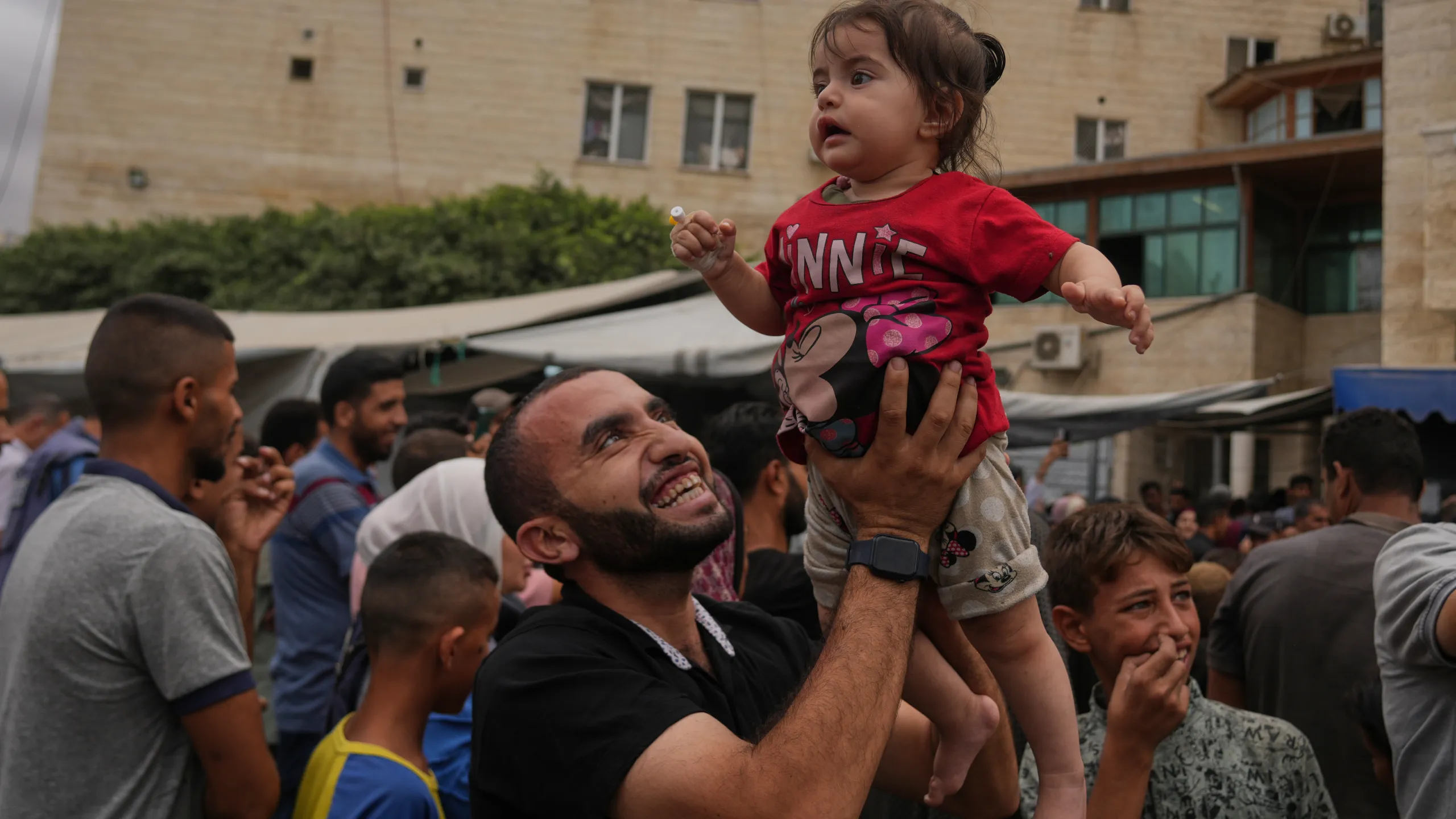
Even partial cessation, prisoner exchange, and aid access can save lives, ease suffering, restore some trust, and open space for reconstruction and normalcy.
5. Diplomatic Symbolism & Legacy
This move positions Israel (and its backers) as willing to engage seriously with peace steps—potentially influencing global perception, alliance dynamics, and long-term peace frameworks.
Possible Scenarios & Road Ahead
Given the outline, here are possible trajectories:
Optimistic Scenario
-
Israel and Hamas abide by the timetable: withdrawal in 24 hours, hostages released in 72 hours, and prisoner exchange as promised.
-
Monitoring mechanisms hold up, violations are few, and humanitarian aid flows unimpeded.
-
Reconstruction begins, and further dialogues extend to disarmament, governance, normalization, and a durable ceasefire.
-
Confidence between parties rebuilds modestly, enabling gradual extensions, further prisoner swaps, and perhaps a path toward a two-state framework.
Middle (Fragile) Scenario
-
Partial compliance: some hostages released, but delays or disputes over prisoner lists.
-
Minor ceasefire violations or provocations test trust.
-
Aid corridors open but unevenly; reconstruction slow.
-
Negotiations stall on disarmament, governance, or security, requiring ongoing mediation and pressure.
-
The outline remains a fragile peace framework but may endure if side actors remain committed.
Pessimistic Scenario
-
Breakdown: one side accuses the other of violations, pulling back or resuming hostilities.
-
Hostage release blocked by disputes over prisoners or security guarantees.
-
Political fallout: Israeli coalition collapse or public backlash, Hamas hardliners regain control.
-
Ceasefire attempt collapses, reigniting full conflict, inflicting further suffering and undermining faith in diplomacy.
Stakes: What Success or Failure Will Mean
For Hostages and Families
Successful execution means safe return or repatriation of hostages—a deeply emotional, symbolic, and personal victory. Failure would prolong agony, deepen resentment, and harm faith in future negotiations.
For Israel
-
Credibility: Israel’s willingness to negotiate credible frameworks bolsters its legitimacy globally.
-
Security: A durable ceasefire could allow Israel to reset strategic priorities, reduce operational costs, and focus on defense consolidation.
-
Politics: Netanyahu and his government’s survival may hinge on delivering results; failure might fuel domestic upheaval.
For Gaza / Palestinians
-
Humanitarian relief: Ceasefire and aid access would alleviate the harshest suffering.
-
Governance: How Gaza is administered post-deal—by Hamas, Palestinian Authority, or third-party mechanisms—is pivotal.
-
Dignity and justice: Prisoner releases are meaningful symbols of recognition and reciprocity, but long-term aspirations (statehood, sovereignty) remain unmet.
For Regional and Global Relations
-
Mediator credibility: Egypt, Qatar, the U.S., Turkey, and others see their diplomatic influence tested.
-
Precedent: A functioning model of hostage exchange + ceasefire may influence other conflicts (e.g. Lebanon, Yemen).
-
Geopolitics: A successful deal could shift alignments in the Middle East, impacting Israeli relations with Arab states, normalization dynamics, and regional security architectures.