

Indian Student Killed in Toronto:A Tragic Loss Far From Home
Indian Student Killed in Toronto has once again cast a harsh spotlight on the vulnerability of international students living thousands of miles away from their families. The incident, which occurred near the University of Toronto Scarborough Campus, has sent shockwaves through the Indian diaspora in Canada and raised uncomfortable questions about student safety, urban crime, and institutional preparedness.
The young victim, a doctoral student pursuing advanced research, represented the aspirations of countless Indian families who invest not only financially but emotionally in overseas education. His death is not just a statistic in a crime ledger; it is the abrupt end of a life defined by academic promise and global ambition.
What Happened Near the University of Toronto
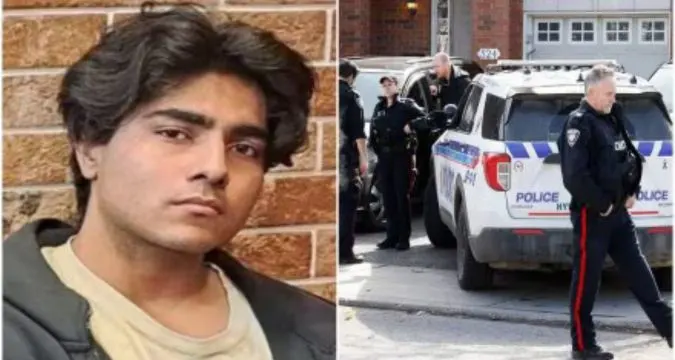
According to local police authorities, the student was found with a gunshot wound in the Highland Creek Trail and Old Kingston Road area. Emergency services rushed to the scene, but he was pronounced dead before he could be taken to a hospital. Investigators have confirmed that the suspects fled the area before police arrived, triggering an immediate lockdown of the nearby campus as a precautionary measure.
The location of the incident is particularly troubling. University-adjacent areas are generally perceived as safe zones, frequented by students, researchers, and faculty members. A fatal shooting in such a space disrupts not only public order but also the sense of security that academic institutions depend upon.
Identity of the Victim and Academic Background
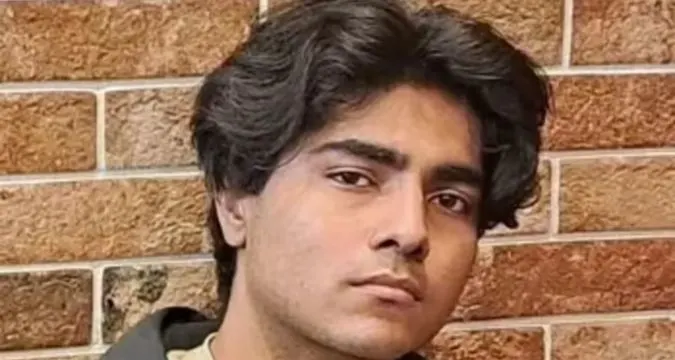
The deceased student was identified as Shivank Avasthi, an Indian national enrolled in a doctoral programme. Friends and peers described him as focused, academically driven, and deeply committed to his research. Like many Indian doctoral candidates abroad, he was part of a highly competitive academic pipeline that blends scholarship, innovation, and international collaboration.
Doctoral students often live modestly, balancing research responsibilities with teaching assignments and part-time work. Their schedules frequently extend late into the night, making them more exposed to risks associated with urban transit and isolated public spaces.
Also Read: Bangladesh On Edge
Consulate General of India Responds
The Consulate General of India in Toronto issued a statement expressing deep anguish over the killing. Officials confirmed that they are in direct contact with the victim’s family and are coordinating closely with Canadian authorities to provide all possible assistance.
Such assistance typically includes legal coordination, post-mortem formalities, documentation, and repatriation support. For grieving families navigating a foreign legal system, consular involvement becomes a crucial lifeline.
Beyond procedural help, the statement carried a strong emotional undertone, acknowledging the gravity of losing a young scholar under violent circumstances. Diplomatic missions rarely use language of anguish unless the situation is particularly grave, underscoring the seriousness of the incident.
Toronto’s Rising Crime Anxiety

The killing marked one of Toronto’s homicides this year, adding to growing public unease about violent crime in parts of the city. While Toronto continues to rank as one of North America’s safer metropolitan areas overall, isolated yet high-impact incidents like this shape public perception far more than aggregate statistics.
For international students, perception matters as much as reality. Safety concerns influence not only personal choices but also enrollment decisions, parental trust, and the reputation of host cities across global education markets.
A Second Shock: Another Indian-Origin Woman Killed
The tragedy involving the student came just days after another disturbing incident involving an Indian-origin woman in Toronto. The 30-year-old woman was found murdered, prompting police to issue a nationwide arrest warrant for a suspect known to her.
Investigators indicated that the case appeared to involve intimate partner violence, a form of crime that often remains hidden until it escalates into irreversible tragedy. The Indian Consulate also expressed shock and sorrow in this case, reiterating its commitment to supporting the victim’s family and monitoring the investigation closely.
The proximity of these two incidents has intensified anxiety within the Indian community, particularly among students and young professionals living independently abroad.
Also Read: A Life Lost Too Soon
International Students and Invisible Risks
Canada has long been a preferred destination for Indian students, offering quality education, post-study work opportunities, and a multicultural environment. However, international students often face layered vulnerabilities:
- They are unfamiliar with local crime patterns
- They may live in budget accommodations in less secure areas
- They frequently rely on late-night public transport
- They hesitate to engage with law enforcement due to uncertainty or fear
These factors do not imply systemic failure, but they highlight the need for targeted safety frameworks rather than generic assurances.
Role of Universities in Student Safety
Universities cannot control city-wide crime, but they play a critical role in risk mitigation. Campus lighting, security patrols, shuttle services, emergency alert systems, and student orientation programmes are essential components of a comprehensive safety strategy.
The lockdown following the shooting indicates that emergency protocols were activated, but prevention remains the larger challenge. Institutions hosting large international populations must proactively engage with local police, community groups, and student associations to identify risk zones and behavioral advisories.
Diplomatic Sensitivity and Bilateral Context
Incidents involving foreign nationals inevitably carry diplomatic implications. While there is no indication of foul play linked to nationality, such cases test the responsiveness of host countries and the advocacy role of diplomatic missions.
India and Canada share deep educational and people-to-people ties. Thousands of Indian students contribute significantly to Canadian universities and local economies. Ensuring their safety is not just a moral obligation but also a strategic necessity for sustaining bilateral trust.
Also Read: Operation Clog Toilet
A Community in Mourning
For Indian students across Canada, the killing has sparked grief mixed with fear. Candlelight vigils, social media tributes, and community meetings reflect a collective attempt to process the loss and demand accountability.
Parents back in India, already anxious about children living abroad, are left with renewed worry. The emotional cost of such incidents extends far beyond borders, reaching homes that may never have imagined confronting such loss.
Looking Ahead: What Needs to Change
This tragedy must not fade into routine news cycles. Several steps demand attention:
- Enhanced safety audits around university neighborhoods
- Stronger student-police liaison mechanisms
- Mental health and trauma support for affected students
- Clear communication channels for international families
- Data-driven crime prevention strategies in student-heavy zones
While no city can guarantee absolute safety, proactive governance and institutional responsibility can significantly reduce risk.,
More Read

Conclusion: Beyond Headlines and Statements

The death of an Indian doctoral student in Toronto is more than an isolated act of violence. It is a reminder of the fragile balance between opportunity and risk in global education migration.
Expressions of anguish, though necessary, must be accompanied by sustained action. For every student who travels abroad chasing knowledge and growth, safety should never become an afterthought.
For The Vue Times, this story is not just about crime. It is about responsibility, accountability, and the human cost of silence when warning signs go unaddressed.