On most days, the internet feels invisible. You scroll, tap, upload, react—rarely stopping to think about who owns what you create, where your data lives, or why certain platforms shape what you see. The system works, until it doesn’t. An account gets banned. A platform shuts down. Years of digital presence vanish with a notification.
This quiet fragility is where the conversation around What Is Web3? begins—not as a buzzword, but as a response to a growing discomfort with how the internet currently operates.
The Internet We Know—and the One That’s Emerging
To understand Web3, it helps to step back.
The early internet—what people now call Web1—was static. You consumed information, mostly passively. Websites existed, but interaction was limited.

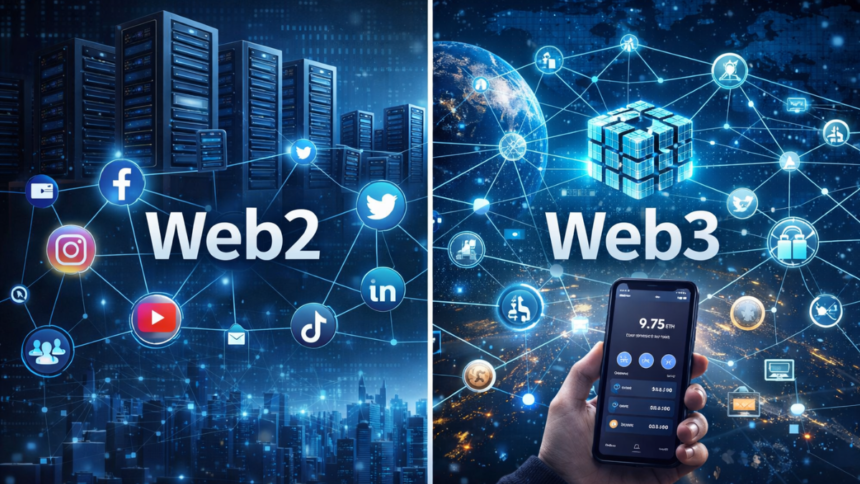
Then came Web2. Social media, user-generated content, platforms that turned everyone into creators. It brought convenience, scale, and connectivity. But it also centralized power. A handful of companies began controlling data, identity, and distribution.
Web3 doesn’t arrive as a clean replacement. It emerges as a correction.
At its core, Web3 proposes a simple shift: instead of platforms owning the internet experience, users should.
That sounds idealistic. It’s also deeply technical.
What Is Web3? A Clear Explanation Without the Hype
Strip away the jargon, and Web3 is essentially a decentralized version of the internet built on technologies like blockchain.

In practical terms, that means:
- No single authority controls the system
- Users own their data and digital assets
- Transactions and interactions are recorded transparently
- Trust is built through code rather than institutions
Instead of logging into a platform with an email and password, you might connect through a digital wallet. Instead of storing content on centralized servers, it could be distributed across networks. Instead of companies monetizing your data, you might directly participate in value creation.
That’s the theory.

The reality is more complicated.

Why Web3 Is Suddenly Everywhere
For years, Web3 existed on the edges—discussed in developer forums, crypto communities, and niche startups. Then, almost abruptly, it entered mainstream conversations.
Three forces pushed it forward:
1. Distrust in Centralized Platforms
Data breaches, algorithm manipulation, and content moderation controversies have made people more aware of how much control platforms hold.
2. Rise of Digital Ownership
From NFTs to tokenized assets, people began experimenting with owning digital items in ways that felt tangible.
3. Financial Incentives
Let’s be honest—much of Web3’s visibility came from money. Cryptocurrencies, speculative markets, and rapid gains pulled attention faster than any philosophical argument could.
But beyond the hype cycles, something more structural is happening.
The Real Shift: Ownership Over Access
Web2 conditioned users to access services.
Web3 attempts to give users ownership.
That difference may sound subtle, but it changes everything.
On a traditional platform, your content lives within their ecosystem. Your followers aren’t truly yours. Your reach depends on algorithms.
In a Web3 environment, ownership is tied to your identity—not the platform. If you move, your assets and connections move with you.
This is particularly significant for:
- Creators (who rely on platforms for distribution)
- Developers (who build within ecosystem constraints)
- Users (who unknowingly trade data for access)
It’s less about technology and more about control.
How Web3 Actually Works (Without Getting Lost in Technical Noise)
At the heart of Web3 are a few key building blocks:
Blockchain
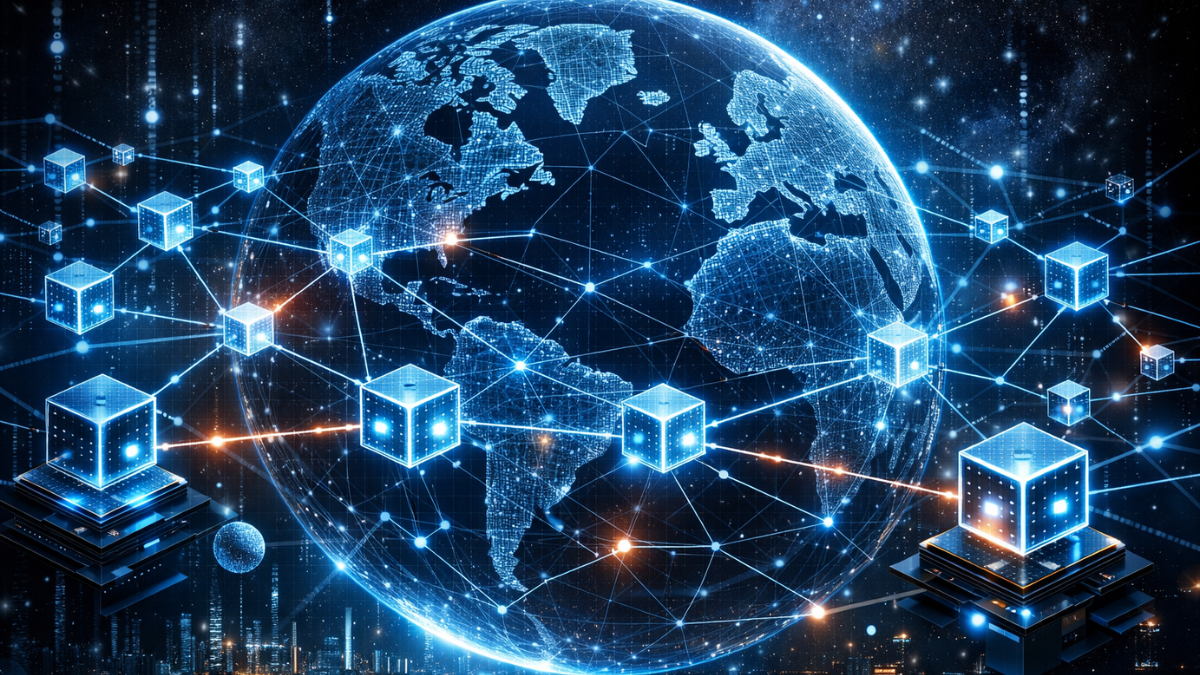
A distributed ledger that records transactions across multiple systems. It removes the need for a central authority.
Smart Contracts
Self-executing agreements written in code. They automate processes without intermediaries.
Tokens
Digital representations of value or ownership. These can represent anything—from currency to access rights.
Decentralized Applications (dApps)
Applications that run on blockchain networks instead of centralized servers.
Individually, these technologies already exist. Web3 is about how they come together to reshape interaction.
The Promise—and the Friction
Every new technology carries a narrative of inevitability. Web3 is no different.
Supporters argue it will:
- Democratize the internet
- Reduce dependence on big tech
- Empower users financially and socially
Critics point out:
- Complexity is still too high for everyday users
- Scalability remains a challenge
- Many projects prioritize speculation over utility
Both perspectives are valid.
Web3 isn’t failing—it’s still forming.
Where Web3 Is Already Showing Up
Despite the debates, Web3 is not entirely theoretical. It’s already influencing certain spaces:
Finance (DeFi)
Decentralized finance platforms allow users to lend, borrow, and trade without traditional banks.
Gaming
Players can own in-game assets, trade them, or move them across platforms.
Content Creation
Writers, artists, and musicians are experimenting with direct monetization models.
Identity Systems
Projects are exploring ways to create digital identities not tied to corporations.
None of these are perfect. But they signal direction.
The Psychology Behind Web3’s Appeal
Part of Web3’s momentum isn’t technical—it’s emotional.
It taps into a broader shift in how people see control, ownership, and trust in digital spaces.
There’s a growing discomfort with:
- Being the product rather than the user
- Losing control over digital presence
- Depending entirely on centralized systems
Web3 offers a narrative of autonomy. Whether it fully delivers is still uncertain, but the appeal is undeniable.
The Risks No One Should Ignore
It’s easy to romanticize decentralization. It’s harder to build systems that actually work at scale.
Some critical concerns remain:
- Security risks: Hacks and exploits are common in poorly designed systems
- Regulatory uncertainty: Governments are still figuring out how to respond
- User responsibility: Without intermediaries, mistakes can be irreversible
Decentralization shifts power—but also responsibility.
That trade-off isn’t for everyone.
So, What Is Web3 Really Becoming?
Web3 isn’t a replacement for the current internet. It’s a layer evolving alongside it.
Most users won’t suddenly switch to a fully decentralized web. Instead, hybrid models will emerge:
- Centralized platforms integrating decentralized features
- Users selectively adopting Web3 tools
- Industries experimenting where it makes sense
The future is likely less revolutionary—and more gradual.
The Bigger Question Behind “What Is Web3?”
The question isn’t just technical.
It’s philosophical.
Who should control the internet?
Web3 doesn’t fully answer that yet. But it forces the question into the open.
And that alone makes it significant.
More Read

Conclusion
Web3 is not a finished product. It’s an ongoing negotiation between technology, economics, and user behavior.
Some parts will fade. Others will evolve quietly and become foundational.
Understanding What Is Web3? isn’t about predicting winners. It’s about recognizing a shift—one that challenges how the internet has operated for decades.
The real impact of Web3 may not be in replacing platforms, but in reshaping expectations.
And once expectations change, systems eventually follow.
Final Insight
Web3 isn’t just about decentralization—it’s about redefining digital trust. The real shift will not come from technology alone, but from how users demand control, ownership, and accountability in the internet they rely on every day. Stay Tuned for Latest Updates-The Vue Times
Frequently Asked Questions
What is Web3 in simple terms?
Web3 is a decentralized version of the internet where users have more control over their data, identity, and digital assets instead of relying on centralized platforms.
How is Web3 different from Web2?
Web2 is controlled by companies that manage data and platforms. Web3 aims to remove intermediaries, allowing users to interact directly through decentralized systems.
Is Web3 only about cryptocurrency?
No. While cryptocurrencies are a part of Web3, the concept also includes digital ownership, decentralized apps, and new internet infrastructure beyond just finance.
Why is Web3 important?
Web3 challenges the current internet model by giving users ownership and reducing reliance on centralized authorities, which could reshape digital economies and privacy.
Is Web3 the future of the internet?
Web3 is likely to influence the future, but it may not fully replace existing systems. A hybrid internet combining Web2 and Web3 features is more realistic in the near term.