
Introduction
Have you ever chatted with a bot that zipped back with an answer right away, or seen apps that can snag appointments, dash off emails, or even whip up content all by themselves?
Perhaps you’ve told a virtual assistant to set a reminder or looked something up online and got a spot-on answer in the blink of an eye. It’s almost like the software gets you—and sometimes, it even jumps in before you’ve even asked.
That’s more than just automation; it’s something cleverer. This is why understanding AI agents explained really matters.
AI agents are fast becoming a key part of how today’s software runs. From virtual helpers to top-notch business tools, they’re reshaping how we get along with technology every day.

Instead of just tapping buttons and giving orders, we’re now working with systems that can think, decide, and take action.
But what exactly are AI agents? How do they pull it off? And why is everyone suddenly buzzing about them?
Let’s unpack it all in the simplest, most beginner-friendly way possible, as we dive deeper into AI agents explained.
What Are AI Agents? (Definition Section)
Let’s understand AI agents explained in the easiest way possible.
👉 An AI agent is a software program that can understand information, make decisions, and take actions on its own to complete a task.

Unlike traditional software, which only follows fixed rules, AI agents are designed to be more flexible and intelligent.
They can:
- Understand inputs like text, voice, or data
- Analyze what the user wants
- Make decisions based on that understanding
- Take action without constant human instructions
Simple Comparison

Think of it like this:
👉 A normal app waits for your command step-by-step
👉 An AI agent can understand your goal and do the steps for you
Easy Example
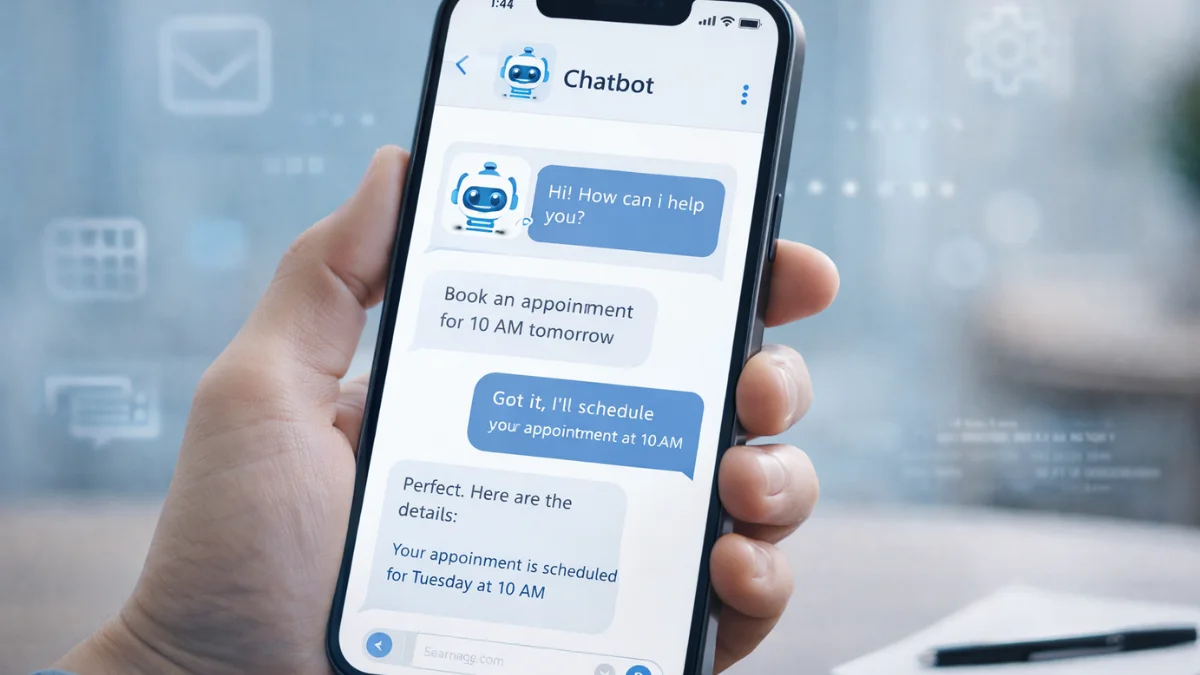
If you say:
“Schedule a meeting tomorrow at 10 AM”
A basic app might ask you to:
- Open calendar
- Select date
- Choose time
- Add details
But an AI agent can do all of that automatically.
Another Example
A customer support chatbot that:
- Understands your question
- Finds the right answer
- Replies instantly
👉 That is an AI agent in action.
How It Works / Why It Exists
Why Do AI Agents Exist?
AI agents were created to solve a very common problem:
👉 Humans don’t want to do repetitive, boring, or time-consuming tasks again and again.
Whether it’s replying to emails, managing schedules, or answering the same customer questions, these tasks take time and energy.
Businesses and individuals need tools that can:
- Save time
- Reduce manual effort
- Work faster and smarter
That’s exactly why AI agents exist.
How AI Agents Work (Step-by-Step)
Let’s break this down into a simple flow so anyone can understand.
Input (Understanding the Task)
Everything starts with input.
This could be:
- A question
- A command
- A request
Example:
“Send a reminder email to my team”
The AI agent first understands what you’re asking.
Processing (Thinking Phase)
Now the AI agent processes the request.
It analyzes:
- What the task is
- What steps are required
- What tools or data it needs
It’s like the “thinking” stage.
Decision Making
The agent decides what to do next.
For example:
- Identify email recipients
- Draft message
- Choose send time
This is where the intelligence of AI agents comes into play.
Action (Doing the Task)
Now the AI agent takes action.
It can:
- Send emails
- Book appointments
- Generate responses
- Update systems
All automatically.
Learning (Improving Over Time)
Some AI agents can learn from experience.
They improve by:
- Understanding user preferences
- Remembering past actions
- Adjusting future responses
Over time, they become more accurate and helpful.
Examples / Use Cases
Real-World AI Agent Examples
AI agents are already part of your daily life—even if you don’t realize it.
Chatbots (Customer Support)
Many websites use AI chatbots to:
- Answer common questions
- Solve issues quickly
- Provide 24/7 support
Example:
When you ask about order status on an online store and get an instant reply.
Virtual Assistants
Voice-based assistants can:
- Set alarms
- Answer questions
- Control smart devices
They act like digital helpers in your daily routine.
Email & Productivity Tools
AI agents can:
- Draft emails automatically
- Summarize long documents
- Schedule meetings
This saves a lot of time for professionals.
Content Creation Tools
AI-powered tools can:
- Write blog posts
- Generate captions
- Suggest content ideas
They are widely used by marketers and creators.
E-commerce Recommendations
Shopping platforms use AI agents to:
- Suggest products
- Show personalized recommendations
- Improve user experience
Example:
“Recommended for you” sections.
Automation in Business
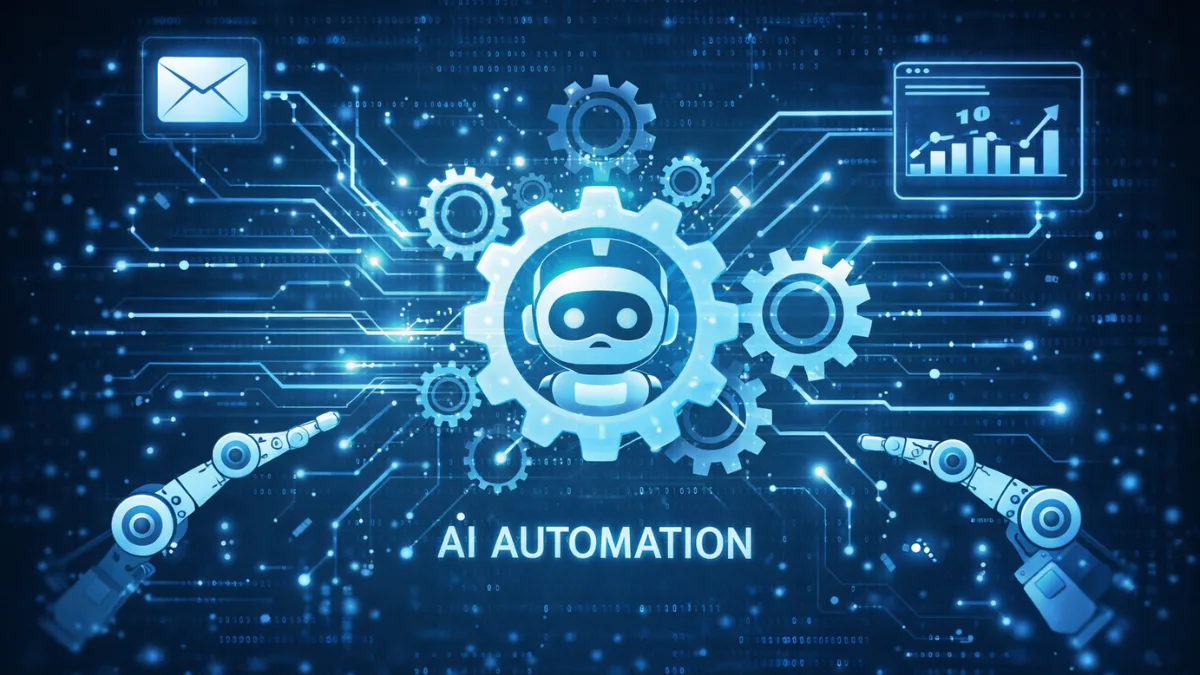
Companies use AI agents to:
- Manage workflows
- Handle repetitive tasks
- Analyze data
This improves efficiency and reduces workload.
Why It Matters Today
The importance of AI agents explained is growing rapidly because technology is moving toward smarter systems.
People today expect:
- Instant results
- Less manual work
- Personalized experiences
AI agents make all of this possible.
Impact on Daily Life
AI agents are already changing:
- How we shop
- How we communicate
- How we work
They make tasks easier and faster.
Impact on Jobs & Skills
AI agents are also transforming the job market.
They are:
- Reducing repetitive jobs
- Creating new tech-related roles
- Helping people focus on creative work
Future of AI Agents
In the future, AI agents may:
- Act like personal assistants
- Manage entire workflows
- Handle complex decision-making
Imagine a system that can plan your day, manage your tasks, and solve problems automatically.
That’s where we’re heading.
Pros / Benefits
Here are the major benefits of AI agents:
- Saves Time
Automates repetitive tasks quickly - Improves Efficiency
Completes tasks faster than manual work - 24/7 Availability
Works anytime without breaks - Better User Experience
Provides instant responses - Cost-Effective
Reduces need for large teams - Scalable
Can handle multiple tasks at once - Personalization
Adapts to user behavior and preferences - Consistency
Delivers reliable results without fatigue
Challenges / Criticism
While AI agents are powerful, they are not perfect.
⚠️ Common Challenges
- Lack of Human Understanding
AI may not fully understand emotions or context - Errors & Inaccuracy
Sometimes gives incorrect answers - Data Privacy Concerns
Needs user data to function effectively - Dependence on Technology
Overuse may reduce human skills - Job Displacement
Some roles may be replaced by automation
Ethical Concerns
There are also important questions:
- Should AI make decisions for humans?
- How much control should AI have?
- Who is responsible if AI makes a mistake?
These issues are still being debated.
More Read

Conclusion
So, what is the main takeaway from AI agents explained?
AI agents are not just another tech trend—they are a major shift in how software works.
They are transforming systems from:
👉 Passive tools → Active assistants
They help:
-
Save time
-
Improve efficiency
-
Simplify everyday tasks
But like any powerful technology, they must be used responsibly.
Final Thought
AI agents are shaping the future of technology.
As they continue to evolve, they will become:
-
Smarter
-
Faster
-
More integrated into daily life
👉 The goal is not to replace humans, but to support and enhance human capabilities.
Understanding AI agents today means preparing yourself for a smarter, more automated future.
And the sooner you understand them, the better you can use them to your advantage.
FAQs
1. What is an AI agent in simple words?
An AI agent is a smart software program that can understand tasks, make decisions, and perform actions automatically without constant human input.
2. How are AI agents different from normal software?
Normal software follows fixed instructions, while AI agents can think, adapt, and make decisions based on the situation.
3. Where are AI agents used in real life?
AI agents are used in chatbots, virtual assistants, email tools, shopping recommendations, and business automation systems.
4. Are AI agents safe to use?
Yes, but they must be used carefully. There are concerns about data privacy, accuracy, and over-dependence on technology.
5. Will AI agents replace human jobs?
AI agents may replace some repetitive jobs, but they also create new opportunities and help humans focus on more creative and important tasks.