
Introduction: Why the Karur Stampede Matters for India’s National Affairs
Crowds are an inseparable part of India’s social, cultural, and political identity. From religious yatras that draw millions of devotees to political rallies designed to showcase strength, mass gatherings reflect the country’s diversity and democratic energy. But when these gatherings are mismanaged, they can quickly turn into tragedies.
The Karur stampede in Tamil Nadu (2025) is the latest reminder of this reality. What began as a political rally filled with enthusiasm ended in sorrow, with lives lost, families shattered, and the nation forced to confront the same question yet again: Why do stampedes keep happening in India despite decades of warnings, guidelines, and technological advancements?
This is not just an issue of public safety. It is a matter that touches India news, national affairs, Indian government policy, and India’s national development goals. A single mismanaged event can tarnish India’s reputation, hurt its economy, and most importantly, erode public trust in governance.
In this in-depth analysis, we examine:
- The historical pattern of stampedes in India
- What exactly happened in Karur, Tamil Nadu
- Why these incidents continue to occur in the present era
- What policies, reforms, and technologies can prevent future tragedies
A Historical Look at Crowd Disasters in India
India’s relationship with stampedes is not new. Unfortunately, the scale of our gatherings has always carried risks, and history shows a tragic list of incidents that could have been avoided with better planning.
Early Incidents and the Post-Independence Era
One of the deadliest stampedes in Indian history occurred during the 1954 Kumbh Mela in Allahabad, where more than 800 people were crushed to death after a portion of a crowd-control barrier collapsed. The tragedy drew international attention, highlighting India’s struggle to manage large gatherings even in the early years of independence.
Religious Stampedes Across Decades
Religious faith brings people together in large numbers, but when combined with inadequate infrastructure, it often results in chaos.
- 2008 Chamunda Devi Temple Stampede (Jodhpur, Rajasthan): A rumor about a bomb created panic in a narrow temple corridor, killing over 250 devotees.
- 2011 Haridwar Religious Gathering: Over 20 pilgrims lost their lives when a bridge collapsed under pressure.
- 2013 Ratangarh Temple Stampede (Madhya Pradesh): More than 100 people died when panic spread on a bridge after rumors of collapse.
These tragedies reveal a common factor: lack of proper exit routes, inadequate medical support, and untrained security personnel.
Political and Social Gatherings
It is not just religious events. Political rallies, too, have witnessed stampedes. In many states, crowds rush toward leaders’ convoys, often breaking through barricades.
- In 2016, Varanasi Bridge Stampede claimed dozens of lives when devotees gathered for a religious procession that also carried political overtones.
- In multiple rallies across India, sudden surges when leaders arrive have caused injuries and near disasters.
Fact: According to the National Crime Records Bureau (NCRB), India recorded 2,500+ stampede-related deaths between 2000–2020. The real number could be higher due to underreporting in rural areas.
What These Patterns Show
The history tells us three things:
- Stampedes are not random accidents; they are systemic failures.
- India has repeatedly ignored past lessons, treating each tragedy as isolated.
- Without proactive reforms, tragedies like Karur 2025 will continue to repeat.
What Happened at the Karur Stampede?
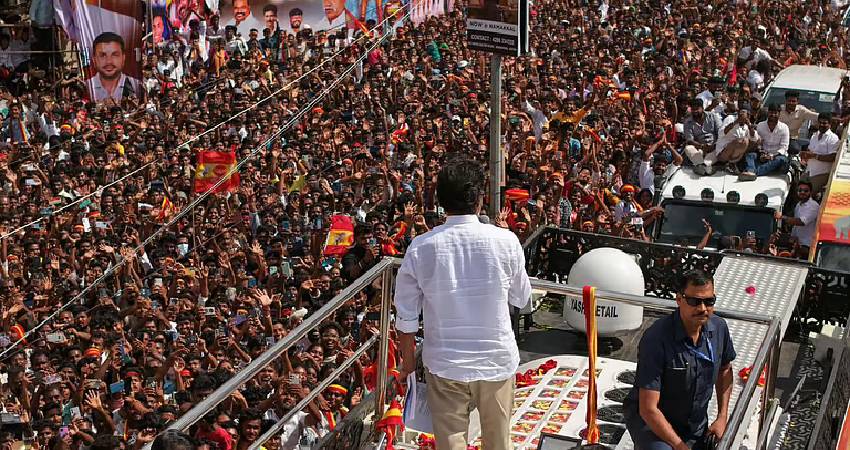
The Karur incident, which unfolded during a political rally in Tamil Nadu, exposed the fragile nature of India’s event management systems. Actor-politician Vijay’s Thamizhaga Vettri Kazhagam (TVK) rally was meant to showcase political strength, but it spiraled into chaos.
The Scale of the Gathering
- Permission Granted: Authorities allowed a crowd of ~30,000.
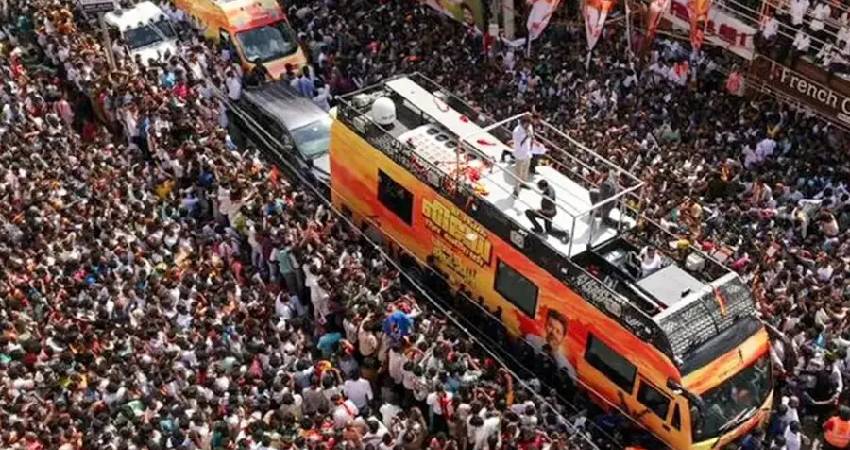
- Actual Attendance: Reports suggest ~60,000 or more people turned up, double the sanctioned limit.
- Demographics: Many attendees came from rural districts, arriving early in the day, eager to catch a glimpse of Vijay.
The Triggers of the Tragedy
- Delayed Arrival of Chief Guest
Vijay was expected around noon, but delays meant that people stood in the scorching sun for hours. With no shelter or water, exhaustion set in. - Overcrowding Beyond Capacity
The venue, designed for fewer people, could not handle the surge. Crowds spilled beyond barricades, and bottlenecks formed near the stage. - Lack of Amenities
Water, food, medical stations, and shaded areas were inadequate. People began fainting, creating panic. - Security Shortfalls
Reports highlighted insufficient police and volunteers, leaving large sections of the crowd unmanaged. - The Panic Surge
When Vijay’s convoy finally arrived, excitement turned into chaos. People pushed forward to catch a glimpse, triggering a domino effect of pushing and trampling.
Human Stories from the Ground
Lakshmi, a 34-year-old mother who attended the rally, recalled:
“We had been waiting since morning. It was hot, and people around me fainted. When we heard the noise of his vehicle, everyone rushed forward. I held on to my daughter’s hand as tightly as I could. Not everyone was so lucky.”
Another eyewitness, Rajesh, a college student, shared:
“There was no space to breathe. Some tried climbing the barricades. When the pushing started, people fell. Those who fell could not get up.”
These voices remind us that behind the statistics are real lives, families, and dreams cut short.
Immediate Aftermath
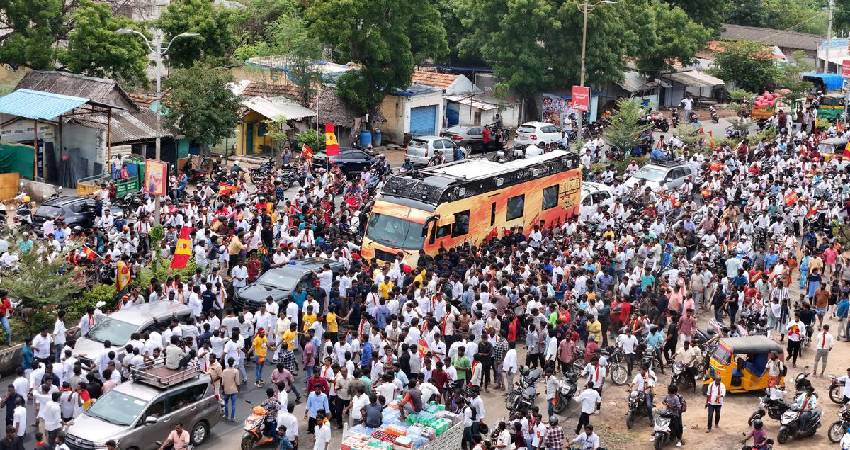
- Emergency response was slow due to blocked roads and the density of the crowd.
- Victims were taken to nearby hospitals, but ambulances struggled to navigate.
- Political blame games began immediately, with opposition parties accusing the organisers of negligence.
Government Response
The Tamil Nadu Chief Minister promised a comprehensive inquiry and announced that the state would draft new guidelines for public gatherings. Compensation was announced for victims’ families, but critics argue that monetary relief does not solve the systemic gaps.
Fact: Analysts say the Karur stampede could have been avoided if existing NDMA (2014) crowd management guidelines had been enforced.
Lessons from Past Stampedes in India
India has witnessed several tragic stampedes in religious gatherings, political rallies, and public events. The Karur tragedy is not an isolated incident—it is part of a worrying pattern that stretches back decades. For instance:
- 2005, Maharashtra – More than 250 devotees lost their lives at a temple festival due to overcrowding and lack of exits.
- 2013, Madhya Pradesh – Over 100 people were killed during a stampede at Ratangarh temple when panic spread through the crowd.
- 2016, Varanasi – A stampede during a religious procession led to dozens of deaths, highlighting poor preparedness.
Each of these events revealed similar flaws: poor planning, insufficient policing, weak infrastructure, and the absence of modern crowd management technology.
The Karur stampede serves as another reminder that India’s crowd safety mechanisms still need urgent reforms.
Why Did the Karur Stampede Happen Now?
Several interconnected reasons contributed to this tragedy:
- Overcrowding Beyond Capacity
The venue had far more attendees than it could safely handle, leading to bottlenecks at entry and exit points. - Lack of Trained Security Personnel
Most security arrangements were handled by undertrained local staff instead of professional crowd management units. - Absence of Technology
No real-time monitoring systems, CCTV coverage, or crowd density sensors were in place. - Poor Communication
Misinformation and panic spread quickly when people thought the area was unsafe. - Reactive Approach
Authorities acted only after the crisis began instead of proactively managing the flow of people.
The Karur incident shows that India’s crowd safety policies are often reactive rather than preventive, despite repeated lessons from past tragedies.
Government Policies on Crowd Safety
While India has several guidelines, implementation remains weak.
- National Disaster Management Authority (NDMA) issued a detailed guideline in 2014 on “Managing Crowds at Religious Places and Fairs.” It includes capacity planning, emergency exits, and simulation drills.
- Local Governments are supposed to enforce permissions and safety clearances before allowing events.
- Police Manuals often contain sections on event safety, but these are rarely updated to reflect modern needs.
The Karur stampede highlights that policy is strong on paper but weak in practice. Enforcement gaps remain the biggest barrier to crowd safety.
How Can India Prevent Future Stampedes?
India needs a multi-pronged approach:
- Digital Technology for Crowd Monitoring
Use AI-driven sensors, drones, and CCTV to monitor crowd density in real time. - Strict Venue Capacity Regulations
Ensure no more than the approved number of attendees enter a venue. - Professional Training
Create specialized Crowd Management Units within state police forces. - Public Awareness Campaigns
Teach citizens how to behave during emergencies—avoid rushing, follow instructions, and help others. - Emergency Infrastructure
More exits, barricades, and proper ventilation in crowded areas. - Accountability
Organizers and officials must be held legally responsible for negligence.
By adopting these measures, India can transition from reactive disaster management to proactive safety planning.
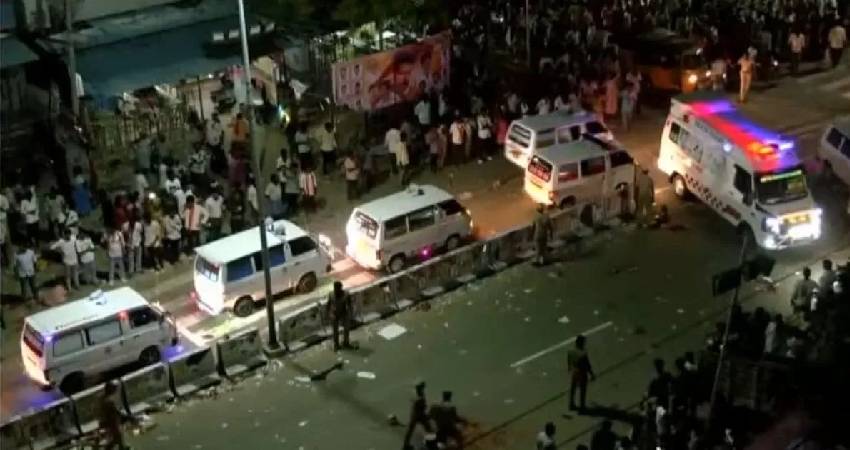
Real-Life Stories from Karur
During the tragedy, local volunteers stepped in to save lives. One eyewitness recounted how villagers formed a human chain to guide people out of the crowded exit. Another story highlighted how a young student called emergency services, helping paramedics reach victims faster.
These stories show that while systemic reforms are crucial, community participation also plays a vital role in reducing casualties during crises.
Learning from Global Best Practices
India is not alone in facing stampedes. Many countries have struggled with crowd disasters but introduced reforms that drastically reduced such tragedies.
- Saudi Arabia: After repeated stampedes during the Hajj pilgrimage, Saudi authorities invested in multi-level pathways, electronic crowd monitoring systems, and strict pilgrim quotas. Today, Hajj is one of the most sophisticatedly managed events globally.
- United Kingdom: Following the 1989 Hillsborough stadium disaster, the UK implemented all-seater stadiums, real-time surveillance, and stricter licensing requirements for large gatherings.
- Japan: Crowd management is deeply integrated into urban planning, with regular safety drills and disaster preparedness programs in schools and workplaces.
Key takeaway for India: Technology + policy enforcement + public awareness is the winning formula to prevent stampedes.
The Way Forward for India
To prevent another Karur-like tragedy, India must act decisively. The following steps can form the backbone of long-term reforms:
- National Crowd Safety Policy – A dedicated, legally binding framework applicable across states.
- Mandatory Risk Assessments – Every large event should undergo safety audits before permissions are granted.
- Crowd Management in Smart Cities – Integrating AI, IoT, and big data into urban crowd monitoring systems.
- Annual Training Programs – Police, volunteers, and event organizers must undergo mandatory training sessions.
- Emergency Drills for Citizens – Schools, colleges, and community groups should practice evacuation drills regularly.
By embedding safety into the DNA of governance and society, India can build resilience against crowd disasters.
The Human Cost of Inaction
The Karur stampede is not just a statistic—it represents lost lives, grieving families, and shaken communities. Unless urgent reforms are made, similar tragedies will continue.
Every life lost is a reminder of systemic gaps, but also an opportunity to rebuild trust through better governance, stronger enforcement, and responsible citizenship.
A Safer Future Is Possible
The Karur stampede underscores the urgent need for proactive crowd control measures in India. With a growing population, expanding religious gatherings, and urban congestion, the stakes are only rising.
But the path forward is clear:
- Adopt technology-driven monitoring
- Strengthen policy enforcement
- Promote citizen awareness
- Hold organizers accountable
If India embraces these reforms, tragedies like Karur can be prevented rather than mourned.
The Karur tragedy should be a turning point in India’s national development journey. As citizens, policymakers, and community leaders, we must all play our role in building a safer future.