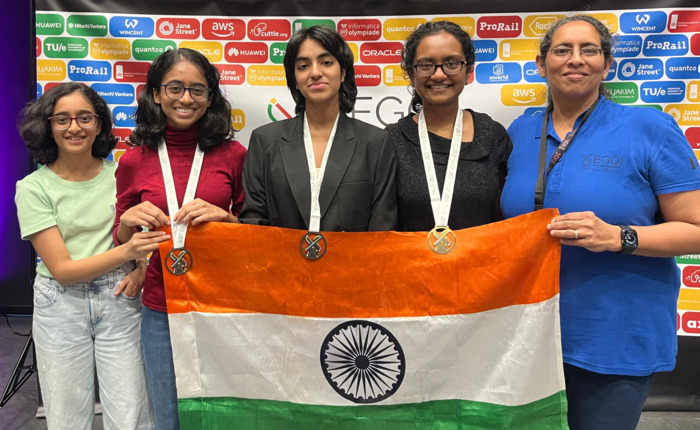
Indian students have continuously come out as a leading performer in Global Science Olympiads and have medaled in Mathematics, Physics, Chemistry, Biology, and Astronomy. Their success is very popular and researched around the world. In India, this superiority is seen as the result of an organized process. It includes intensive Olympiad-level training, the strength of the Indian educational system, and a culture of academic success in India. From early problem-solving and experiments to advanced coaching, the environment nurtures Indian students, encouraging curiosity, resilience, and intellectual growth. These students are making a global success of their scientific skills as STEM education in India keeps on transforming.
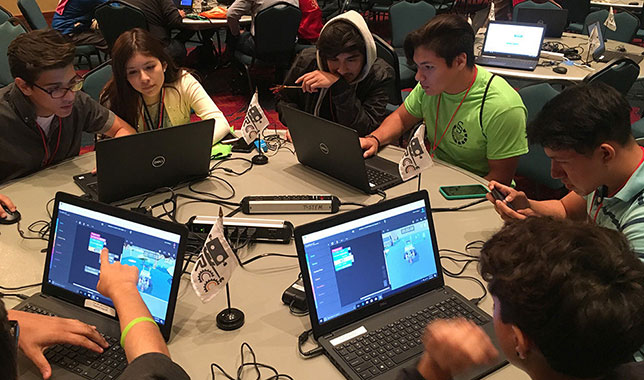
Good Academic Bases and Early Exposure
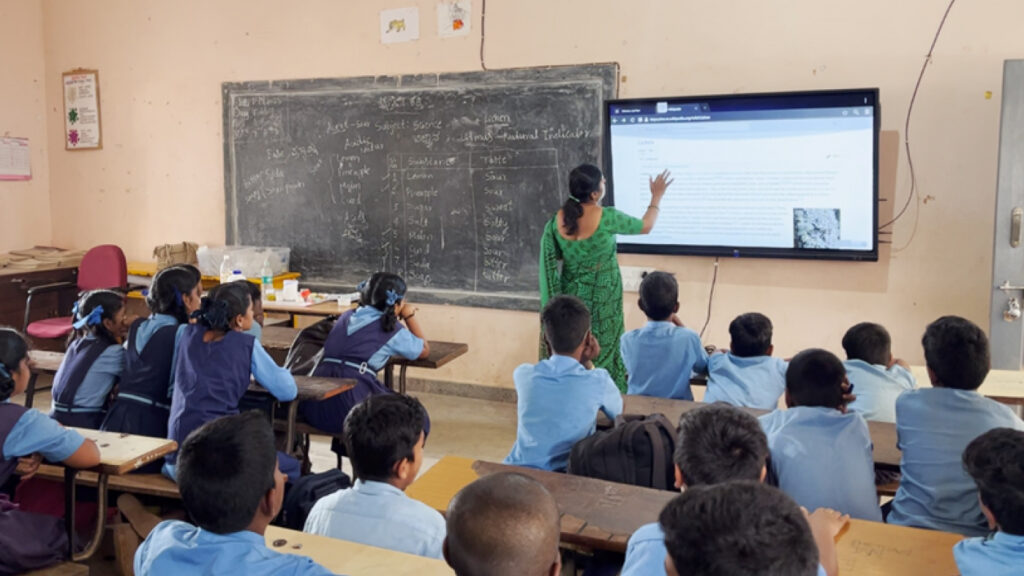
An Indian Olympiad hopeful starts his or her voyage much earlier than high school. The Indian education system teaches the basics of math and science from a very young age. Puzzles, logic exercises, and simple experiments help students develop analytical thinking. Boards like CBSE and ICSE focus on understanding over memorization, creating a strong foundation essential for solving Olympiad problems.
Young learners gain early competitive experience through national and regional Olympiads like SOF, NSTSE, and Olympiad Foundation contests. Attendance at such competitions instructs children on how to solve problems in an innovative way and utilize time wisely. Even students in tier-2 and tier-3 cities now excel using digital resources and local coaching programs. These early experiences spark a passion for science that continues through their academic life.
It also adds to students self-learning as a habit. Science kits, natural phenomena observation, logic puzzles at home. The seemingly minor activities equip them with the multi-layered, multi-level problems they will face at the international Olympiads. The exposure at early age coupled with solid educational background guarantees the preparedness of Indian students to approach the higher degrees topics with confidence.

Competitive Exams Culture and STEM Education
There is a very competitive academic environment in India. At a young age, students are subjected to demanding exams such as IIT-JEE, NEET, KVPY and NTSE. Such environment of competitive exams promotes accuracy, analytical approach, and perseverance. Teachers train students to perform under pressure, manage time, and solve problems strategically, directly applying these skills in Global Science Olympiads.
Meanwhile, there has been an impressive increase in STEM education in India. The schools also prioritize coding, robotics, practical experiments and attending science fairs. Students are also urged to create projects, offer research, and examine interdisciplinary ideas. Such activities foster critical thinking, creativity and innovation- attributes that would make them successful in Olympiads.
Moreover, competitive attitude in India trains students on the importance of perseverance. They get to know how to cope with failures, reconsider errors and perfect strategies. Winning one competition leads to the desire to win the next, which leads to a never-ending cycle of performance. This twofold nature of strict Olympiad training and exposure to STEM presents an Indian student with a special advantage in the global contest.
Special Training and Mentorship
Availability of specialized training programs is one of the main reasons that made India successful in the Olympiad. Specialized institutes exist in Kota, Hyderabad, Delhi and Mumbai, which train students at the national and international Olympiads. Organizations such as the Homi Bhabha Centre for Science Education (HBCSE) conduct national selection camps, where they intensively coach students across the country on advanced subjects, laboratory experiments, and theoretical problem-solving.

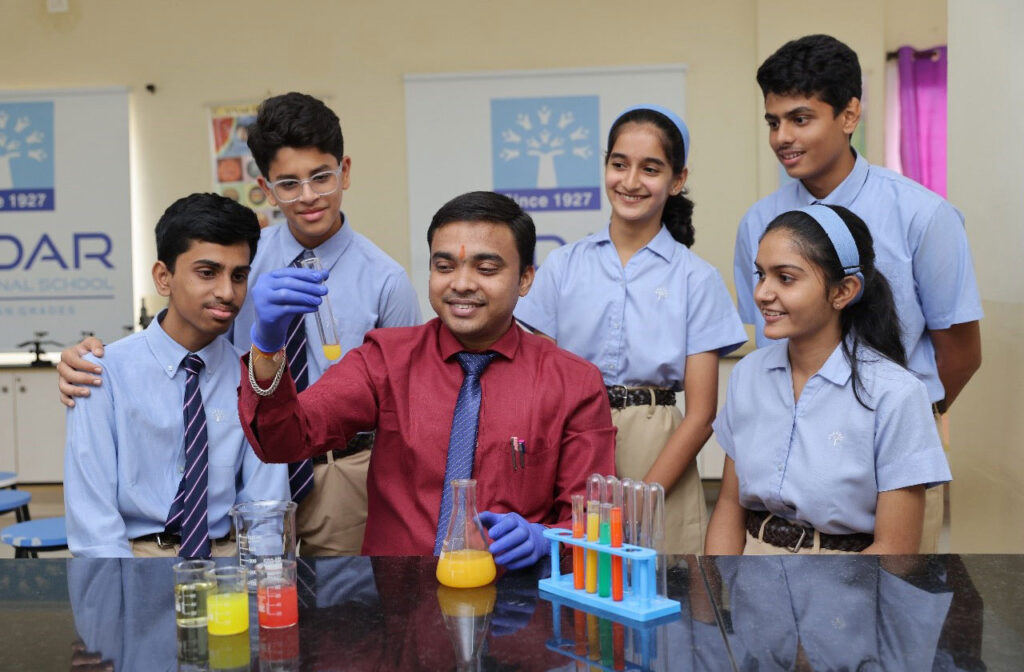
Mentorship is also a significant factor. Some ex-Olympians, university scholars, and seasoned instructors take the students on a tour of the sophisticated ideas and problem-solving techniques. They assist students to learn how to think, solve unknown problems in a logical manner and performance in a timed situation. For example, at national camps, mentors actively engage students in performing experimental projects, discussing alternative solutions in peer groups, and analyzing errors in reasoning, all with the guidance of mentors who have firsthand Olympiad experience.
These mentors also inculcate confidence and strength. Students are taught that memorization is not all, one should learn concepts and understand them and use them creatively. Such approach of mentorship also allows keeping Indian students in the top of the international science competitions every year.

Labor, Resources, and Internet Access
Indian Olympiad aspirants are different due to discipline and perseverance. Olympiad preparation has become a daily routine, with many students spending 4 to 6 hours on it in addition to school work. They repeatedly solve complicated problems until they master them. Moreover, they use mistakes as a source of learning and constantly improve their methods. This strong commitment to work ethic ensures they are prepared for the pressures of Global Science Olympiads.
Preparation has also been altered due to the digital platforms. Advanced content and international practice problems as well as virtual mentoring sessions are available in websites such as Art of Problem Solving (AOPS), Brilliant.org, Khan Academy, and NPTEL. Students will be able to work with students all over the world, take fake tests, and discuss the solutions in real-time. This does not only improve problem-solving but also gives confidence to meet global competition. Students in small towns and rural schools are now able to compete equally with those in metropolitan centers, as they have equal opportunities.
English proficiency too provides the Indian students with a non decisive advantage. Because the majority of Olympiads are conducted in English, English-medium schools allow students to focus fully on the problems without being distracted by language barriers. This, together with their punishing study practices and international level material, makes Indian students highly prepared.
Inspiration, Past, and Future
Olympiad Indian medals are role models, who are an inspiration to thousands of aspiring students. The case of Nipun Goel (Mathematics) and Shreyas Kapur (Physics) shows how they excelled in the Olympiads after years of rigorous training and coaching. Moreover, they rose to fame globally. This serves as an example of how Olympiad preparation, coupled with discipline, mentoring, and endurance, can make someone a world-renowned figure. The legacy of Olympians is numerous mentors who have established a culture of direction, motivation, and high standards.
The future of STEM education in India is even better. Government schemes like INSPIRE, KVPY fellowships, and state-level science programs are expanding opportunities for young learners. Research labs, robotics clubs, coding clubs, and science fairs are increasingly available in smaller towns, ensuring a diverse pool of talent. As more students participate, India is not just winning medals but also fostering innovation and original research.
But the maintenance of such a legacy needs to be balanced. Educators should encourage students not only to compete and win medals but also to enjoy the learning process. Olympiads are concerned with cultivating curiosity, critical thinking and creativity. With a strong Indian education system, motivated mentorship, and rigorous training, these factors ensure continued success. Consequently, Indian students will keep leading in Global Science Olympiads. Furthermore, they will help shape the future of science and technology worldwide.
Conclusion
The perpetual achievement of the Indian students in Global Science Olympiads is not merely a matter of intelligence. It results from strong academic backgrounds, a culture of exams, disciplined Olympiad training, mentorship, family support, and national pride in education. These students show that with effort, perseverance, and passion for STEM education in India, extraordinary achievements are possible. Year after year, they demonstrate that when talent is nurtured in the right environment, excellence follows, inspiring future generations to follow their path.