Introduction
India’s rapid shift toward digital transactions has been one of the most talked-about economic transformations in recent years. From roadside vendors accepting QR payments to large enterprises relying on seamless online transactions, the idea of a “cashless society” is no longer theoretical. But behind this visible shift lies a deeper and more complex story. The cashless economy India reality is not just about convenience—it is about infrastructure, inclusion, policy, and behavioral change.
The push toward digital payments has accelerated significantly in the last decade, driven by technological advancements, government initiatives, and changing consumer habits. However, while the growth looks impressive on the surface, questions remain about its sustainability, inclusiveness, and long-term impact.
Understanding this topic is crucial today because it sits at the intersection of economic policy, financial inclusion, and technological innovation. This article explores the issue in depth, separating perception from reality while presenting a balanced and analytical view.
Background and Context
India has historically been a cash-driven economy. For decades, cash transactions dominated both urban and rural markets due to limited banking access, low digital literacy, and infrastructural challenges.
The shift toward digital payments began gradually with the expansion of banking services and mobile connectivity. However, a major turning point came during the demonetization policy of 2016, which invalidated high-value currency notes. This move disrupted the cash ecosystem and accelerated the adoption of digital payment systems.
Following this, several initiatives were introduced:
- Unified Payments Interface (UPI)
- Digital wallets
- Aadhaar-enabled payment systems
- Government campaigns promoting “Digital India”
These developments created the foundation for what is now considered a growing digital economy.
What Is Happening Right Now
The current landscape of digital transactions in India reflects one of the fastest financial transformations in the world. The digital payments India growth story is not just about numbers—it is about a structural shift in how people interact with money. Over the past few years, India has moved from a predominantly cash-driven economy to a system where digital payments are increasingly becoming the default choice, especially in urban and semi-urban areas.
This transformation has been fueled by a combination of technological innovation, government-backed initiatives, and changing consumer behavior. The rise of affordable smartphones, low-cost internet, and user-friendly payment platforms has made digital transactions accessible to millions. At the same time, policy support has created an enabling environment for adoption.
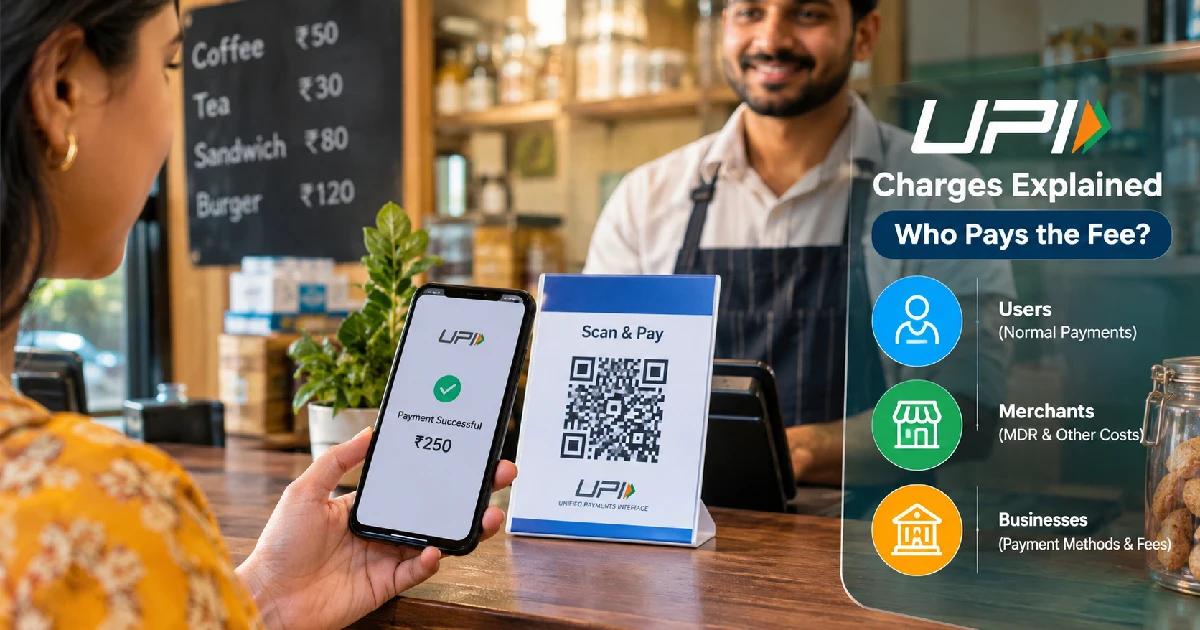
[caption id="attachment_10073" align="alignnone" width="1024"]
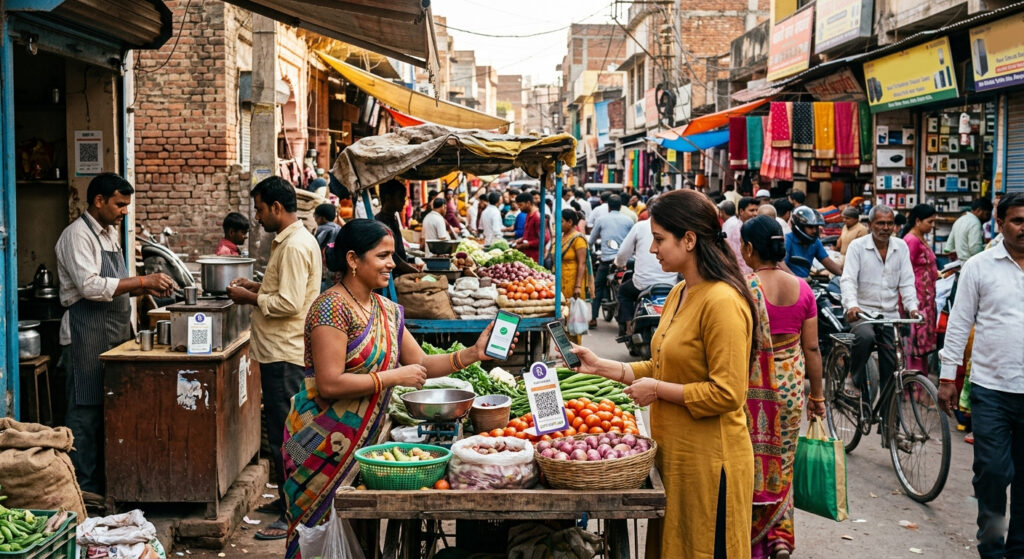
Small businesses are rapidly adopting QR-based payment systems across India.[/caption]
Key Developments Driving Growth
Several important developments define the current phase of digital expansion:
- UPI transactions have scaled massively, processing billions of transactions every month, making it one of the most widely used real-time payment systems globally
- QR code-based payments have become ubiquitous, with even small street vendors and local shops adopting them
- Mobile-first payment applications dominate, offering seamless, instant, and secure payment options
- Government initiatives continue to promote digital adoption, encouraging both businesses and consumers to move toward formal financial systems
Current Trends Across Segments
A closer look at different sectors reveals how adoption varies:
| Area |
Trend |
| Urban Payments |
Predominantly digital-first, especially for daily transactions |
| Rural Adoption |
Growing steadily but still inconsistent due to infrastructure gaps |
| Small Businesses |
Rapid adoption of QR-based payments and digital tools |
| E-commerce |
Fully digital ecosystem with integrated payment systems |
Despite this strong momentum, the cashless economy India reality is more complex than it appears. Cash continues to play a critical role, particularly in informal sectors, rural markets, and among populations with limited access to digital infrastructure. Rather than a complete replacement, India is witnessing a coexistence of cash and digital systems.
Cashless Economy India Reality: Why This Topic Is Controversial
While the idea of a cashless economy is often associated with efficiency, transparency, and modernization, it has also become a subject of intense debate. The cashless economy India reality highlights a gap between aspiration and ground-level execution.
Key Triggers of Controversy
Several factors contribute to the ongoing debate:
- Financial inclusion gaps: A significant portion of the population still lacks access to formal banking systems
- Digital divide: Urban areas benefit more compared to rural regions where connectivity and digital literacy remain challenges
- Data privacy and security concerns: Increased reliance on digital platforms raises questions about user data protection
- Dependence on technology infrastructure: Internet outages or system failures can disrupt transactions
- Impact on informal economy: A large segment of India’s economy operates on cash, making transition difficult
While proponents emphasize transparency and efficiency, critics argue that an aggressive push toward digital systems may unintentionally exclude vulnerable populations. This tension between progress and inclusion is at the core of the controversy.
Cashless Economy India Reality: Different Perspectives
Understanding the full picture requires examining both sides of the argument.
Supporters’ View
Supporters of a cashless economy see it as a natural and necessary evolution of the financial system.
- Transparency and Reduced Corruption
Digital transactions leave an audit trail, making it harder to engage in unaccounted financial activities and improving overall accountability.
- Convenience and Speed
Transactions can be completed instantly without the need to handle physical cash, making everyday payments more efficient.
- Economic Efficiency
Reducing the dependence on cash lowers costs associated with printing, transportation, and storage of currency.
- Boost to Formal Economy
Digital payments encourage businesses to enter the formal economy, improving tax compliance and economic tracking.
- Innovation and Growth
The digital payments India growth ecosystem has led to the rise of fintech startups, new payment solutions, and technological advancements.
Critics’ View
Critics, however, highlight several structural and practical challenges.
- Digital Divide
Not everyone has access to smartphones, stable internet, or the skills needed to use digital platforms effectively.
- Exclusion Risks
Elderly individuals, low-income groups, and rural populations may find it difficult to adapt to digital systems.
- Cybersecurity Threats
As digital transactions increase, so do risks of fraud, hacking, and data breaches.
- System Reliability
Dependence on servers and connectivity means that even minor disruptions can halt transactions.
- Informal Economy Impact
A significant portion of India’s workforce operates in the informal sector, where cash remains the primary mode of exchange.
Cashless Economy India Reality: Facts vs Claims
Separating facts from assumptions is essential to understanding the true state of digital transformation.
Verified Facts
- Digital transactions in India have grown exponentially over the past decade
- UPI has become one of the largest real-time payment systems globally
- Government policies actively promote digital adoption and financial inclusion
Common Claims
- “India is becoming fully cashless”
- “Cash will disappear in the near future”
- “Digital payments are accessible to everyone”
Reality Check
- Cash usage remains significant, especially in rural and informal sectors
- Digital adoption is uneven across regions and demographics
- Infrastructure and literacy gaps continue to limit universal access
The cashless economy India reality lies somewhere between rapid growth and persistent challenges.
[caption id="attachment_10074" align="alignnone" width="1024"]
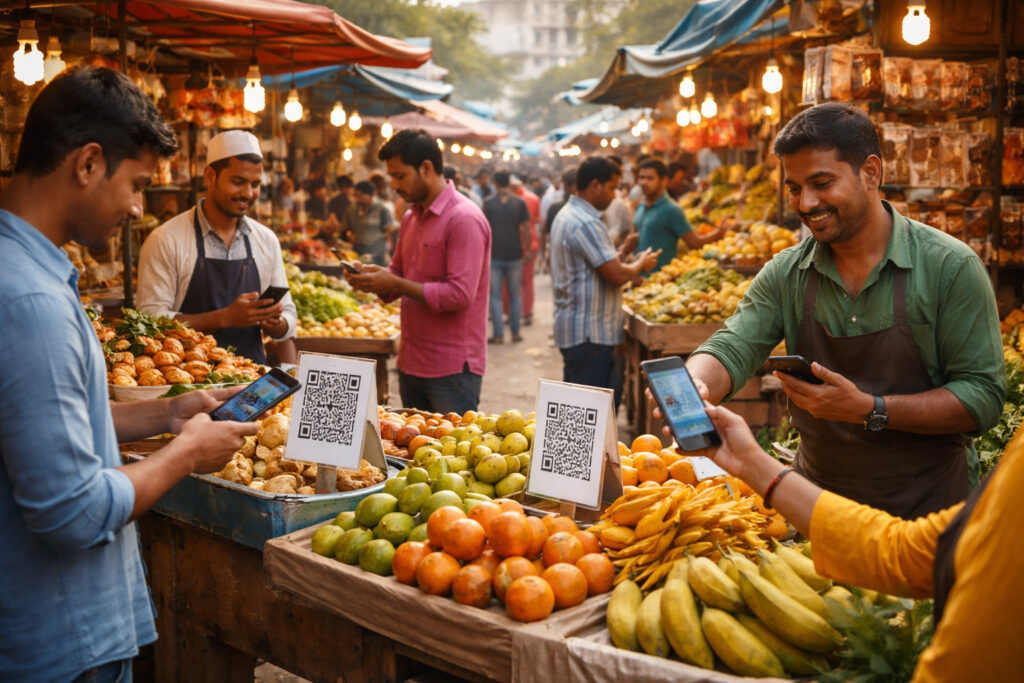
Digital payments are transforming everyday transactions across urban and semi-urban India.[/caption]
What People Might Be Missing
Much of the public discourse focuses on visible growth, but several underlying aspects are often overlooked.
1. Cash and Digital Coexistence
Digital payments are not replacing cash entirely; instead, both systems are evolving together to serve different needs.
2. Behavioral Change Takes Time
Trust in digital systems does not develop overnight. Adoption depends on familiarity, reliability, and user confidence.
3. Infrastructure Is the Backbone
Without stable internet connectivity, electricity, and secure platforms, digital systems cannot function effectively at scale.
4. Inclusion Is Not Automatic
Access to a smartphone or bank account does not guarantee meaningful participation in the digital economy.
These hidden layers highlight that the journey toward a cashless economy is not just technological—it is deeply social and structural.
Impact on Society, Economy, and Users
The shift toward a digital economy has far-reaching implications.
For Consumers:
- Easier transactions
- Better financial tracking
- Exposure to digital risks
For Businesses:
- Increased efficiency
- Access to wider markets
- Need for digital adaptation
For Economy:
- Improved tax compliance
- Growth of fintech sector
- Potential widening of inequality if not managed carefully
Role of Media and Narrative
Media plays a significant role in shaping public perception of the cashless economy India reality.
Observations:
- Success stories are widely highlighted
- Challenges are often underreported
- Digital transformation is framed as inevitable
Social media platforms further amplify selective narratives, sometimes creating an overly optimistic picture.
Bigger Picture and Future Outlook
The future of digital payments in India is likely to be hybrid rather than fully cashless.
Possible Scenarios:
- Hybrid Economy
Cash and digital systems coexist with different use cases.
- Increased Regulation
Stronger policies for data protection and cybersecurity.
- Technological Advancements
AI, blockchain, and fintech innovations reshape payment systems.
- Greater Financial Inclusion Efforts
Focus on bridging digital and financial gaps.
The digital payments India growth trajectory is expected to continue, but its success will depend on inclusivity and resilience.
Conclusion
The cashless economy India reality is far more nuanced than it appears. While digital payments have transformed the way transactions are conducted, they have not replaced cash entirely. Instead, India is moving toward a blended financial ecosystem where both systems coexist.
[ruby_related heading="More Read" total=5 layout=1 offset=5]
The growth of digital payments represents progress, but it also highlights structural challenges that need careful attention. Issues like digital access, financial literacy, and data security must be addressed to ensure that this transformation is inclusive and sustainable.
Ultimately, the success of India’s digital economy will depend not just on technology, but on how effectively it serves all sections of society. The real question is not whether India will become cashless, but how balanced and equitable its financial future will be.










Comments (0)