Introduction
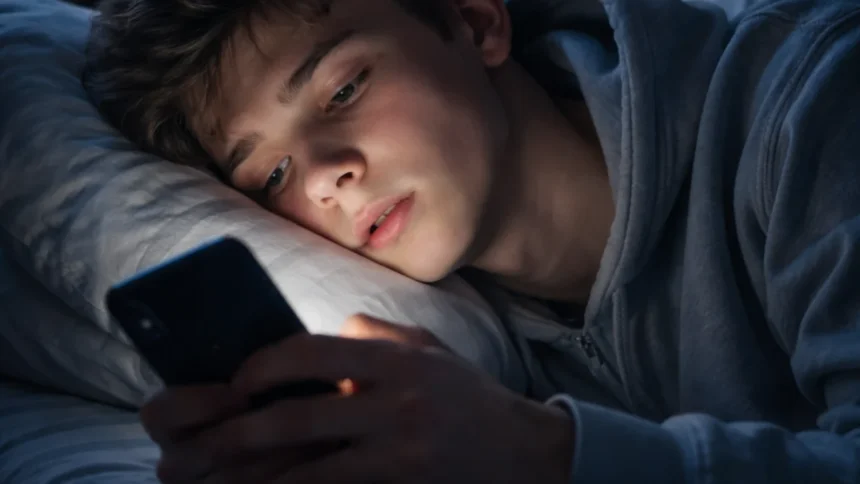
Have you ever found yourself diving into TikTok or Instagram, planning to just browse for a few minutes, only to look up and realize an hour has vanished? You’re scrolling through, giggling at random memes, watching the latest trending sounds, and soaking in all those short videos. But after all that, you might feel mentally drained, a bit scattered, and maybe even a little hollow inside.
Well, there’s actually a name for that peculiar sensation: Internet Culture Brainrot Meaning. This term has really taken off on social media, particularly among Gen Z. Whether it’s jumbled video edits or those viral meme cycles, people often just say, “I have brainrot” after getting lost in a sea of content.
But what does this phrase truly signify? Is it just a passing joke, or is there something more significant behind it? Let’s dive into this and unpack it in the simplest terms possible.
What is Brainrot Meaning?
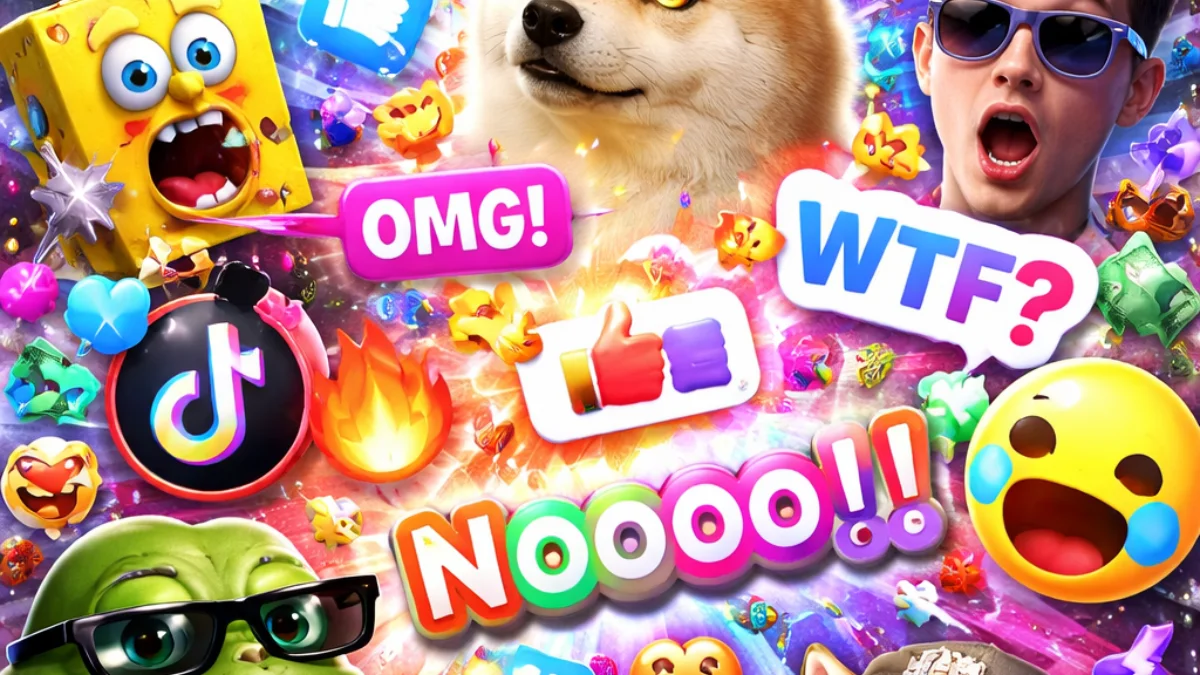
Brainrot is the mental state you might feel after taking in way too much repetitive, fast-moving, and low-effort content online.

In super simple terms:
👉 It’s when your brain feels totally “overloaded” or “fried” from all that endless scrolling.
It’s key to know that this isn’t a medical thing—it’s just internet slang used in a funny way.
People use it to describe things like:
– Feeling mentally wiped out after scrolling

– Trouble focusing on important stuff
– Getting stuck thinking about random memes
– Losing track of time online

For example:
If you binge-watch 50–100 short YouTube Shorts filled with loud noises, quick cuts, and random jokes, and then feel totally drained—that’s brainrot.
Basically, it’s your brain’s way of saying:
👉 “Okay, that was just way too much content.”
How It Works / Why It Exists
Why Does Brainrot Happen?
The concept of Internet Culture Brainrot Meaning exists because of how modern digital platforms are designed.
Apps today are not just for entertainment—they are built to keep your attention for as long as possible.
Let’s understand this step-by-step:
Endless Scrolling
Platforms like TikTok and Instagram Reels use infinite scrolling.
- No stopping point
- No “end” of content
- Just swipe → next video
This creates a loop where your brain keeps expecting something new
Short, High-Energy Content
Most videos are:
- 5–30 seconds long
- Fast-paced
- Full of visuals, music, and effects
This keeps your brain constantly stimulated without giving it time to rest.
Dopamine Reward System
Every time you watch something funny or interesting, your brain releases a small amount of dopamine (a “feel-good” chemical).
This creates a pattern:
👉 Watch → Enjoy → Want more → Keep scrolling
Over time, your brain starts craving this constant stimulation.
Repetition of Trends
You’ll notice the same:
- Sounds
- Meme formats
- Editing styles
- appearing again and again.
While this repetition feels familiar and enjoyable, it also overloads your brain with similar content
Mental Overload
After a long scrolling session, your brain feels:
- Tired
- Distracted
- Unable to focus
That’s when people say:
👉 “My brain is rotting” or “I have brainrot.”
Examples / Use Cases
Internet Trends (Brainrot Content)
Let’s look at the types of content that commonly lead to brainrot:
Repetitive Meme Edits
Videos that use the same joke format repeatedly with different clips.
Loud and Chaotic Humor
Fast cuts, zoom effects, exaggerated reactions, and random sound effects.
“No Context” Content
Videos that make absolutely no sense—but still feel funny or addictive.
Viral Audio Trends
One trending sound used in thousands of videos across platforms.
AI Voice Memes
Weird, robotic voices saying random or funny things in unexpected ways.
Hyper-Edited Videos
Content with constant transitions, flashing text, and visual overload.
Real-Life Situations
If you think you might be dealing with a case of “brainrot,” consider these signs:
- You meant to quickly check Instagram for just 5 minutes, but somehow, an hour has passed as you mindlessly scrolled.
- You find it hard to concentrate on your studies right after watching a few Reels.
- You can recall random memes from ages ago but struggle to remember crucial details or important information.
- You often feel exhausted, even when you haven’t exerted yourself physically.
- You keep hearing those catchy, trending sounds playing on repeat in your head.
These are just some of the common ways brainrot can make itself known in everyday life.
Why It Matters Today
You know that term, “Internet Culture Brainrot”? It’s actually quite significant because it shows how much our content consumption habits have changed. Back in the day, people mostly stuck to things like:
- Full-length movies
- TV series
- Longer YouTube videos
But these days, most folks lean towards:
- Short video clips
- Quick entertainment fixes
- Content they can access right away
And this trend is really pronounced among younger generations.
Impact on Daily Life
Brainrot affects several areas:
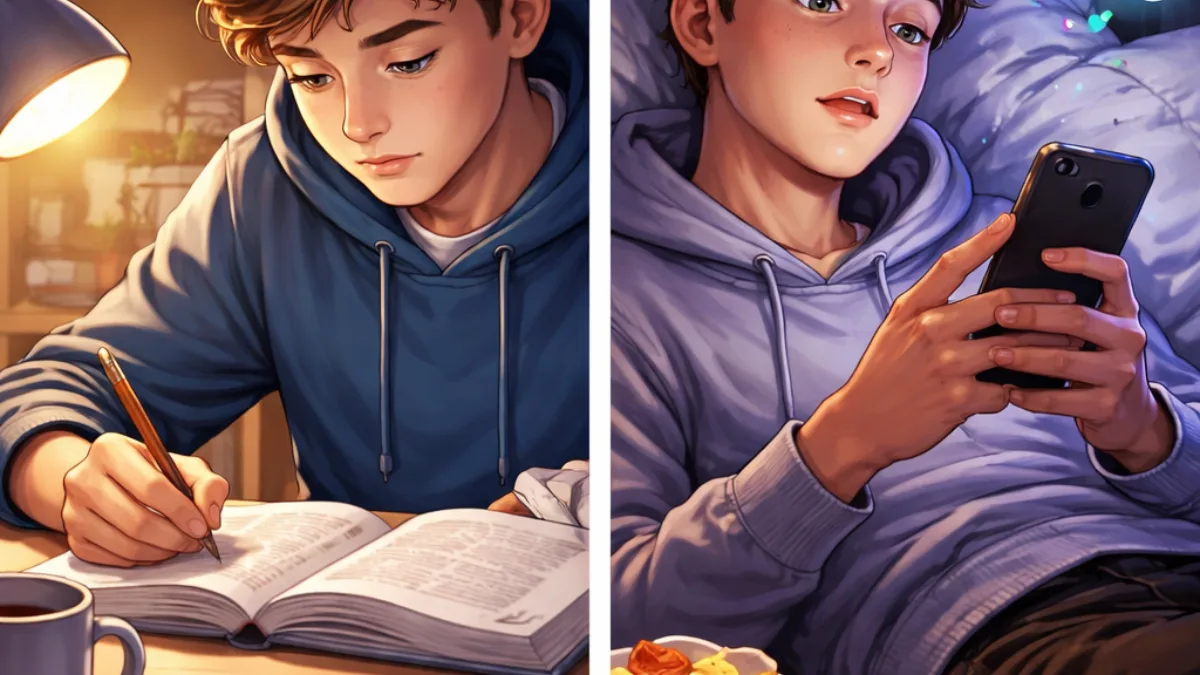
- Attention Span → Harder to focus on studies or work
- Productivity → Time gets wasted easily
- Sleep → Late-night scrolling becomes common
- Mental Clarity → Too much information, less focus
Gen Z and Internet Culture
One interesting thing is how Gen Z uses humor to describe serious issues.
Instead of saying:
“I feel mentally exhausted from social media”
They say:
👉 “I have brainrot”
This makes the conversation:
- Relatable
- Funny
- Easy to share
But behind the humor, there’s a real concern about digital habits.
Pros / Benefits
Even though brainrot sounds negative, it’s not completely bad.
Here are some benefits when content is consumed in moderation:
- Entertainment & Stress Relief
Watching memes and funny videos helps you relax after a long day - Creativity Boost
Exposure to trends and edits can inspire content creation ideas - Social Connection
Sharing memes builds friendships and online communities - Trend Awareness
Helps you stay updated with what’s popular - Quick Mental Breaks
Short videos can refresh your mind during study or work breaks - Easy Content Consumption
Requires less effort compared to long videos or reading
👉 The key is balance—too much of it leads to brainrot.
Challenges / Criticism
While brainrot is often used jokingly, there are real downsides to it.
⚠️ Common Criticisms
- Reduced Attention Span
People struggle to focus on long-form content or studies - Addiction to Scrolling
It becomes hard to stop once you start - Mental Fatigue
Your brain feels tired without doing meaningful work - Lower Productivity
Hours get wasted on non-productive content - Overstimulation
Brain gets used to constant high-energy input - Sleep Disruption
Late-night scrolling affects sleep quality
Impact on Students
For students, brainrot can lead to:
- Difficulty concentrating in class
- Less interest in books
- Poor time management
- Increased procrastination
Digital Dependency
Another concern is dependency on fast content.
People may start finding:
- Books → “Too slow”
- Lectures → “Too boring”
- Long videos → “Too long”
This shift can impact learning habits over time.
Conclusion
Alright, let’s break down what “Internet Culture Brainrot Meaning” actually means for us.
It’s not just some passing online phrase; it’s really about seeing how the content we consume every day online is changing the way we think and act. Brainrot highlights:
- The sheer power that short, quick videos and posts now hold.
- How quickly and completely our attention can be grabbed and kept.
- The way our online routines are starting to shape our everyday lives.
More Read

Final Thought
We’re not aiming to ditch apps like TikTok or Instagram entirely. Rather, the focus is on using them with awareness and intention. Go ahead, enjoy those memes and have a good laugh at the latest trends, but just be careful not to let your time slip away. Ultimately, technology should be serving you, not the other way around.
FAQs – Brainrot Meaning & Internet Culture
1. What does “brainrot” mean in internet slang?
“Brainrot” refers to the feeling of mental exhaustion or distraction caused by consuming too much repetitive or fast-paced online content, especially short videos and memes.
2. Why is brainrot trending on social media?
Brainrot is trending because platforms like TikTok and Instagram promote short, addictive content that keeps users scrolling for long periods, making the term relatable for many users.
3. What type of content causes brainrot?
Content that is fast, repetitive, and highly stimulating—such as memes, viral audio clips, chaotic edits, and short-form videos—commonly leads to brainrot.
4. Is brainrot harmful to your brain?
Brainrot is not a medical condition, but excessive screen time and continuous scrolling can affect attention span, focus, and productivity over time.
5. How can you avoid brainrot while using social media?
You can avoid brainrot by limiting screen time, taking regular breaks, avoiding endless scrolling, and balancing online entertainment with productive activities.