
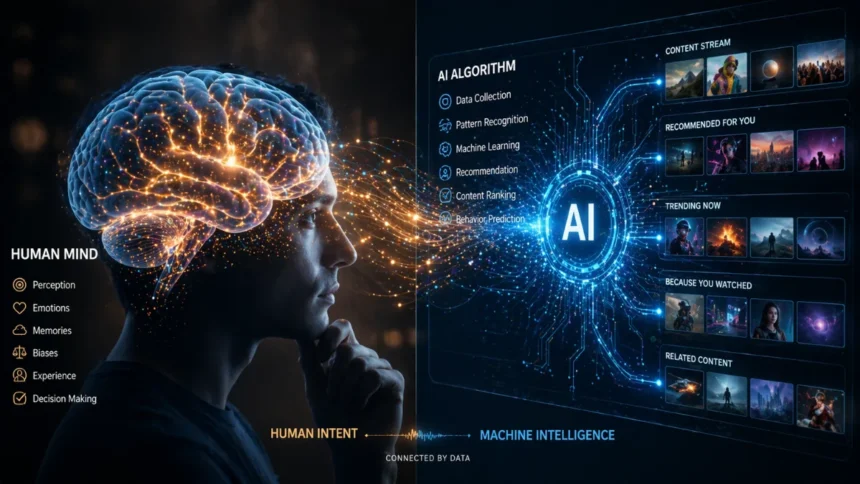
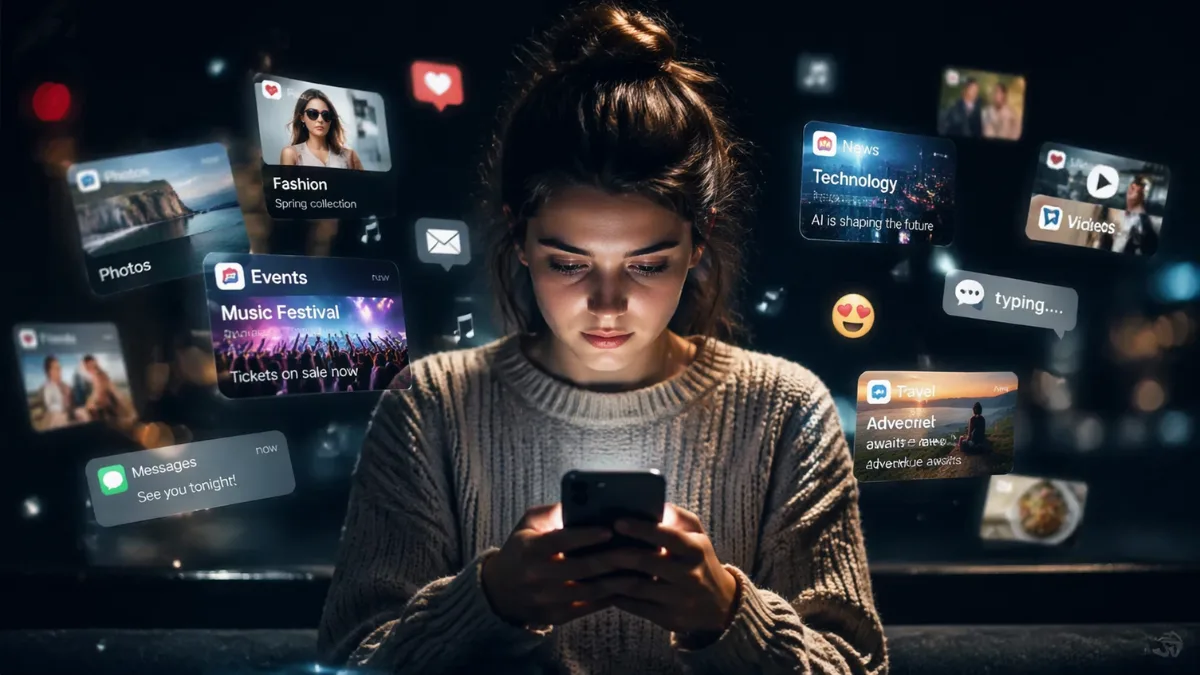
When you first take notice, it’s not about what you’re seeing—it’s about how it makes you feel. You unlock your phone, swipe through for a moment, and suddenly, everything just feels… familiar. The videos match your sense of humor. The news stories echo your own worries. Even the ads seem strangely tailored, like someone’s been quietly observing your habits.
That unseeable hand at work on your screen isn’t luck. It’s precision.
And that’s when the question you can’t ignore pops up: What exactly is this “Algorithmic Culture”?
What Is Algorithmic Culture?
It’s not just humans crafting culture anymore. More and more, it’s machines taking the lead in shaping it.
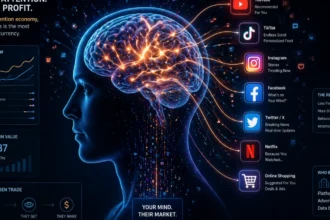
Sites like YouTube, Instagram, and TikTok depend on sophisticated recommendation systems that decide which content gets noticed and which fades into digital obscurity. These systems study your behavior—what you watch, how long you linger, what you fast-forward through—and tweak your feed on the fly.
The outcome? A culture that feels tailored just for you, but is mostly designed by algorithms.
From Human Taste to Machine Logic
Culture used to move slowly. Trends were shaped by communities, media institutions, and shared experiences. A hit song or a viral moment took time to spread.
That timeline has collapsed.
Today, algorithms act as cultural accelerators. They identify patterns in user behavior and amplify them at scale. A niche meme can go global overnight—not because people consciously chose it, but because the system detected engagement signals and pushed it forward.
This shift marks a subtle but profound change:
taste is no longer entirely human—it’s partially predicted.
When a platform decides what millions of people see first, it indirectly decides what becomes popular. Over time, this creates feedback loops where users engage with what’s shown, and what’s shown becomes what users engage with.
It’s a closed circuit. And it’s powerful.
Why Algorithmic Culture Feels So Personal
One of the most fascinating aspects of algorithmic culture is how individual it feels.
Two people can open the same app and experience completely different realities. One sees fitness content, another sees political debates, and a third is immersed in entertainment clips.
This personalization isn’t accidental—it’s psychological design.
Algorithms optimize for attention. They learn what keeps you scrolling and then deliver more of it. Over time, this creates a sense of familiarity, even comfort. The feed becomes an extension of your preferences.
But there’s a trade-off.
The more tailored your digital environment becomes, the narrower it can get. Exposure to diverse viewpoints decreases, while reinforcement of existing beliefs increases. This is where algorithmic culture begins to intersect with human psychology—particularly bias, identity, and validation.
The Hidden Influence on Behavior and Belief
Repeated exposure shapes perception. If your feed consistently highlights certain narratives, trends, or viewpoints, they begin to feel dominant—even if they aren’t.
This is especially visible in areas like:
- Political content
- Social movements
- Lifestyle trends
- Consumer behavior
For example, a product doesn’t just go viral because it’s good—it goes viral because it’s repeatedly shown. A viewpoint doesn’t feel popular because it’s widely accepted—it feels popular because it’s widely distributed.
In this sense, algorithms don’t just reflect culture.
They quietly rewrite it.
The Business Behind Algorithmic Culture
There’s a reason algorithmic systems are so effective—they are designed with clear incentives.
Most platforms operate on an attention-based economy. The longer users stay engaged, the more valuable they are to advertisers. Algorithms are therefore optimized to maximize time spent, interaction, and retention.
This creates a predictable outcome:
- Content that triggers emotion performs better
- Content that encourages interaction gets boosted
- Content that keeps users scrolling is prioritized
It’s not always about quality. It’s about engagement.
This is why sensational headlines, polarizing opinions, and addictive short-form videos dominate feeds. They are not accidents—they are outcomes of optimization.
Algorithmic culture, in this sense, is not just technological.
It’s economic.
The Illusion of Choice
One of the most debated aspects of algorithmic culture is the idea of choice.
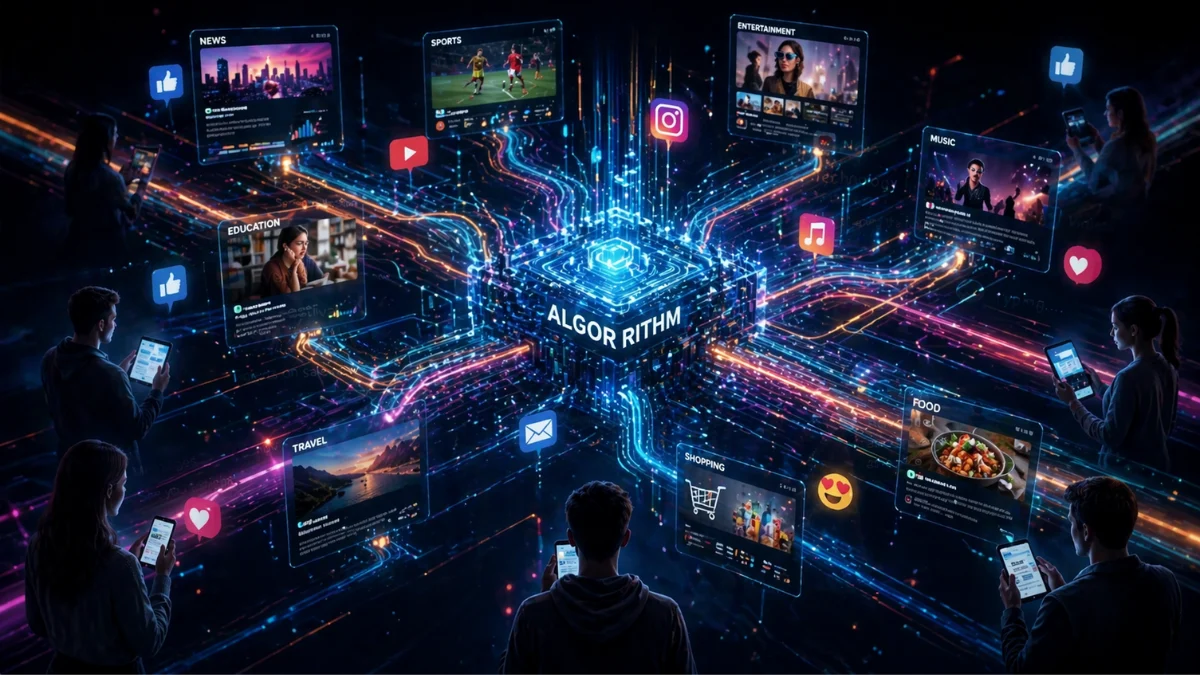
Users feel in control. They follow accounts, like posts, and search for content. But beneath that interaction lies a curated system deciding what gets visibility.
You don’t see everything. You see what the algorithm chooses to show you.
This creates what many experts describe as a “filtered reality.” Not false—but selectively constructed.
And that raises an uncomfortable question:
If your digital environment is curated, how much of your perspective is truly independent?
Why Algorithmic Culture Is Trending Now
The conversation around What Is Algorithmic Culture? has gained urgency for several reasons.
First, the scale. Billions of users interact with algorithm-driven platforms daily. The influence is no longer niche—it’s global.
Second, the stakes. Algorithms now affect areas beyond entertainment:
- News consumption
- Political awareness
- Career opportunities (via visibility)
- Social identity
Third, awareness is growing. Users are beginning to question why they see what they see. Concepts like “echo chambers,” “filter bubbles,” and “algorithm bias” are becoming part of mainstream discussion.
In other words, people are starting to notice the system behind the screen.
The Human Response: Adapting to the Algorithm
Interestingly, the relationship between humans and algorithms isn’t one-sided.
Creators, businesses, and even individuals have begun adapting their behavior to fit algorithmic preferences.
You see it in:
- Content formats designed for engagement
- Posting times optimized for reach
- Hooks and captions engineered to retain attention
People are not just consuming algorithmic culture—they are learning to perform within it.
This creates a new kind of literacy.
Understanding the algorithm becomes a skill.
What Comes Next?
Algorithmic culture is still evolving. As artificial intelligence becomes more advanced, recommendation systems will become even more precise.
Future possibilities include:
- Hyper-personalized digital environments
- Predictive content delivery before users even search
- AI-generated content tailored to individual preferences
But alongside these advancements, concerns will grow:
- Transparency of algorithms
- Ethical use of data
- Impact on mental health and societal cohesion
The challenge isn’t stopping algorithmic culture—it’s understanding it well enough to navigate it responsibly.

Conclusion
Algorithmic culture doesn’t announce itself. It doesn’t demand attention. It simply works in the background, quietly shaping what people see, feel, and believe.
The shift is subtle, but significant.
Culture is no longer just created—it’s curated at scale, filtered through systems designed to optimize engagement. And while this brings convenience and personalization, it also introduces new questions about influence, autonomy, and awareness.
Understanding What Is Algorithmic Culture? isn’t just about technology.
It’s about recognizing the invisible architecture behind modern life—and deciding how much control we’re willing to give it.
Final Insight
The most powerful systems are the ones you don’t notice. Algorithmic culture thrives in that invisibility. The real advantage today isn’t escaping it—it’s seeing it clearly. Because once you understand the system, you stop being shaped by it—and start choosing how you engage with it.-The Vue Times