

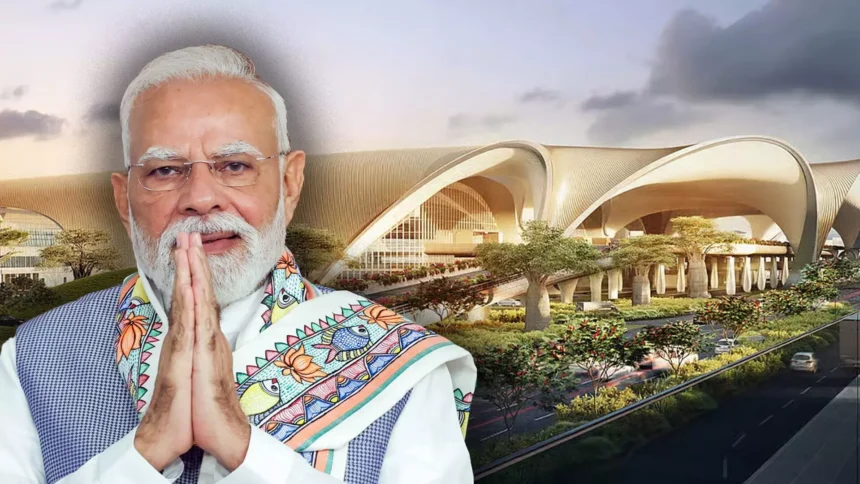
In 2025, India witnessed a transformative development in its aviation sector with the inauguration of Mumbai’s second international airport by Prime Minister Narendra Modi. The airport, designed to cater to the growing air traffic in India’s financial capital, represents not just a major infrastructure achievement but also a significant leap toward modernizing the country’s aviation ecosystem.
India, the world’s third-largest aviation market, has faced growing demands for air travel capacity, especially in metropolitan hubs. The new airport promises to ease congestion, enhance passenger experience, and strengthen India’s global connectivity.
1. Background: The Need for a Second Mumbai Airport
Mumbai’s existing Chhatrapati Shivaji Maharaj International Airport (CSMIA) has long been operating at peak capacity, handling over 120 million passengers annually, often exceeding its designed limits.
The growing demand stemmed from:
-
Rapid urbanization and increasing population in Mumbai and surrounding regions
-
Expansion of business hubs, finance, and IT industries requiring frequent domestic and international travel
-
A surge in low-cost carriers and regional connectivity initiatives
-
Increasing tourist inflow to Maharashtra and western India
Recognizing these challenges, the government and private stakeholders proposed a second airport to decongest air traffic, improve operational efficiency, and enhance passenger safety and comfort.
2. Planning and Construction
The second Mumbai airport project is a joint initiative between the government and private investors, incorporating the latest in airport design, technology, and sustainability.
Key features of the planning phase included:
-
Strategic location in Navi Mumbai to ensure better regional accessibility
-
Integration with major highways and planned metro lines for efficient connectivity
-
Eco-friendly construction practices, including solar power generation and rainwater harvesting
-
Modular design allowing future expansion as passenger traffic grows
The construction took several years, involving meticulous planning, environmental assessments, and stakeholder engagement to minimize social and ecological impacts.
3. Inauguration Ceremony
Prime Minister Modi inaugurated the airport in a high-profile ceremony, emphasizing the strategic importance of this infrastructure.
Key highlights of the inauguration included:
-
Prime Minister Modi unveiling the terminal and cutting the ceremonial ribbon
-
Speeches highlighting India’s growing prominence in global aviation
-
Live demonstrations of airport facilities, including AI-powered check-in counters, automated baggage systems, and smart security screening
-
Acknowledgment of laborers, engineers, and planners who contributed to the project
The PM described the airport as a gateway to India’s future, enhancing economic growth, tourism, and global connectivity.
4. Airport Infrastructure and Facilities
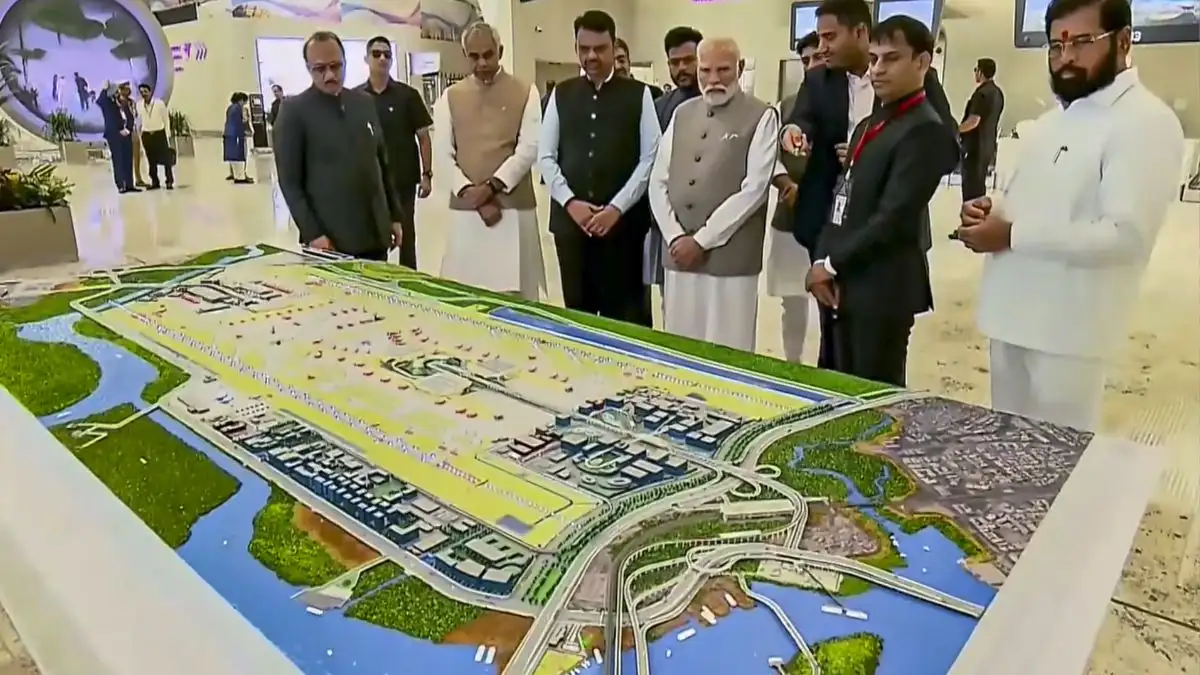
The new airport is designed to handle up to 80 million passengers annually in its initial phase, with the potential for further expansion.
Key infrastructure features include:
-
State-of-the-art terminals with high passenger comfort standards, lounges, and automated services
-
Advanced runway systems capable of handling large aircraft like Airbus A380 and Boeing 777
-
AI-driven baggage handling systems for quick and accurate luggage management
-
Smart security and surveillance using facial recognition and AI-powered threat detection
-
Green initiatives, including solar power, energy-efficient lighting, and extensive landscaping to reduce carbon footprint
The airport also integrates cargo facilities designed to boost trade and logistics efficiency, particularly for exports from western India.
5. Economic Impact
The inauguration of the airport is expected to significantly boost India’s economy:
-
Job Creation: Direct employment for airport staff, security personnel, and retail operators, as well as indirect employment in tourism, hospitality, and logistics.
-
Business Expansion: Enhanced air connectivity enables companies to expand operations and attract international clients.
-
Tourism Growth: Improved access for international tourists to Mumbai and nearby regions, including Maharashtra’s cultural and coastal attractions.
-
Regional Development: Navi Mumbai and surrounding areas will see infrastructure development, urban growth, and increased real estate investments.
The airport is projected to contribute billions of dollars annually to India’s GDP through tourism, trade, and aviation services.
6. Technology and Innovation
The airport is a model of digital and technological innovation, aligning with India’s vision for a Digital India.
Key innovations include:
-
AI-powered check-ins: Reducing wait times and improving passenger flow
-
Smart immigration systems: Automated e-gates and biometric verification for international travelers
-
Digital navigation apps: Helping passengers locate gates, lounges, and services in real time
-
IoT-enabled facilities: Real-time monitoring of energy, water, and operational efficiency
-
Sustainable construction materials: Reducing environmental impact while enhancing durability
These technological measures aim to make the airport a world-class aviation hub comparable to major international airports in Singapore, Dubai, and London.
7. Enhancing Passenger Experience
Passenger comfort is a central focus, with facilities designed for ease of travel, convenience, and accessibility.
Features include:
-
Spacious terminals with natural lighting and aesthetic interiors
-
Luxury lounges and meditation spaces for domestic and international travelers
-
Retail and food courts offering global and Indian cuisine
-
Assistance for differently-abled passengers including wheelchairs, tactile pathways, and braille signage
-
High-speed Wi-Fi and charging stations throughout the terminal
By prioritizing passenger satisfaction, the airport aims to become a benchmark in service excellence in India.
8. Aviation Industry Implications
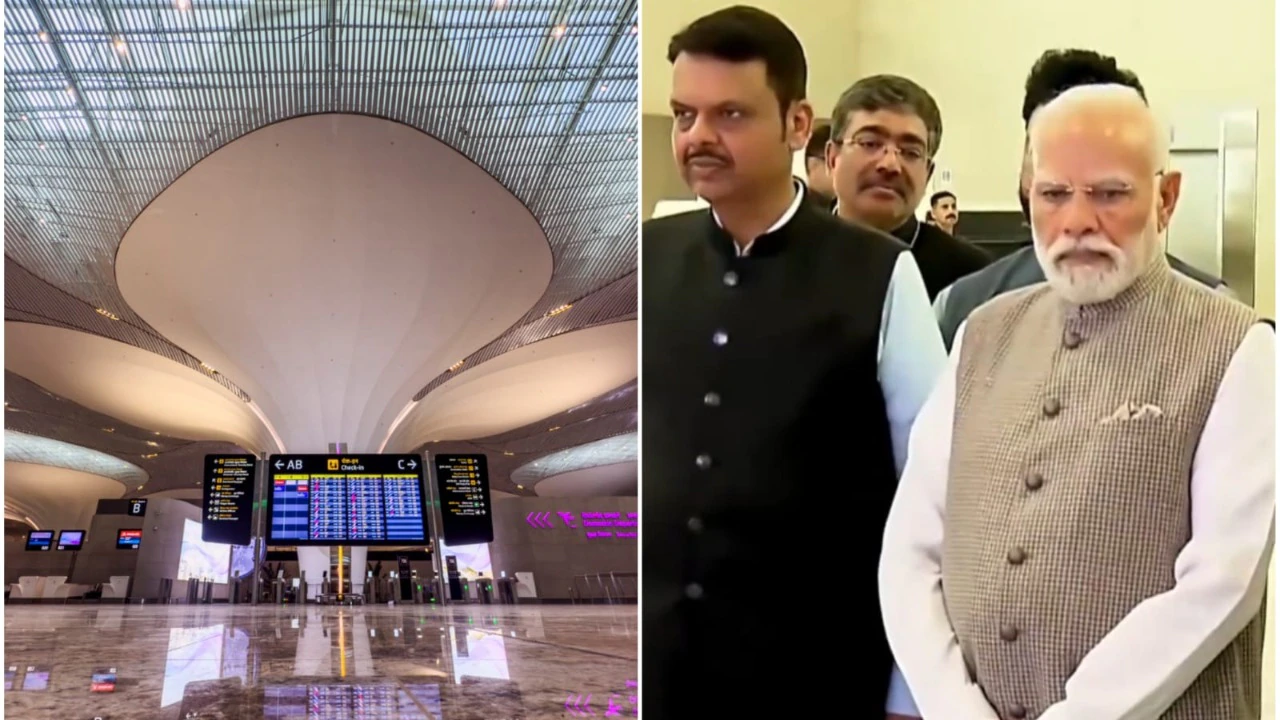
The new airport has significant implications for India’s aviation industry:
-
Capacity Expansion: Mumbai, as India’s financial hub, now has enhanced capacity to handle growing domestic and international traffic.
-
Regional Connectivity: Airlines can increase flights to smaller cities and regional destinations, supporting India’s UDAN initiative.
-
Competitive Advantage: The airport attracts international carriers seeking entry into the Indian market.
-
Cargo Handling: Enhanced freight capabilities improve logistics efficiency for exports and imports.
This strategic addition reinforces India’s position as a leading aviation market globally.
9. Environmental and Sustainability Considerations
The airport integrates green practices to minimize its ecological footprint:
-
Solar energy generation to meet a significant portion of electricity needs
-
Rainwater harvesting for sustainable water management
-
Energy-efficient lighting and HVAC systems
-
Extensive landscaping to support local biodiversity
-
Waste management systems including recycling and composting
Sustainability measures reflect India’s commitment to eco-conscious infrastructure development in line with global climate goals.
10. Challenges and Solutions
While the airport represents a major achievement, challenges remain:
-
Air Traffic Management: Coordinating operations between the two Mumbai airports to prevent congestion.
-
Connectivity: Ensuring smooth transport links via metro, highways, and public transit.
-
Operational Readiness: Training staff, ensuring security protocols, and testing AI systems before full-scale operations.
-
Environmental Impact: Continuous monitoring to minimize air, noise, and water pollution.
Authorities have implemented robust planning and technological solutions to address these challenges proactively.
11. Government Vision and Policy
The inauguration aligns with the Indian government’s broader vision for infrastructure modernization and economic growth:
-
National Civil Aviation Policy (NCAP) 2016: Supporting airport expansion and regional connectivity.
-
Digital India and Smart City Initiatives: Integrating technology for passenger convenience.
-
Make in India and Trade Facilitation: Enhancing logistics to boost exports and industrial growth.
The project exemplifies public-private partnership (PPP) success, showcasing how strategic collaboration can achieve large-scale infrastructure goals.
12. Public and Industry Response
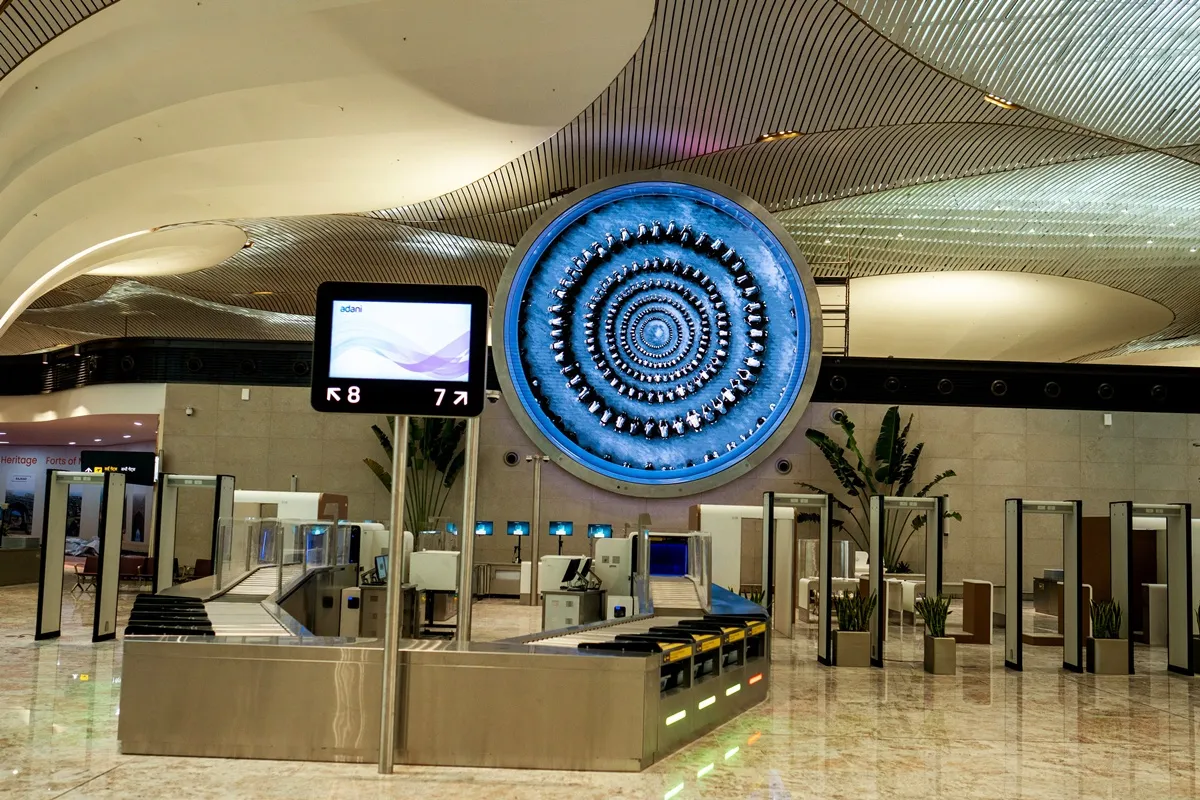
The airport’s inauguration received widespread acclaim:
-
Airlines praised the advanced facilities and operational readiness
-
Passengers expressed excitement about modern amenities and convenience
-
Industry analysts highlighted the airport’s potential to attract international flights and business hubs
-
Local government officials anticipate regional economic growth and increased employment opportunities
The airport is seen as a symbol of India’s rising infrastructure capabilities and global connectivity aspirations.
13. Future Prospects
Looking ahead, the airport is designed for phased expansion, including:
-
Additional terminals for domestic and international traffic
-
Increased runway capacity to accommodate more aircraft
-
Advanced cargo and logistics facilities to support trade growth
-
Integration with upcoming metro lines, expressways, and urban transport networks
The airport is envisioned as Mumbai’s aviation gateway for the next 50 years, capable of evolving with India’s growth trajectory.