

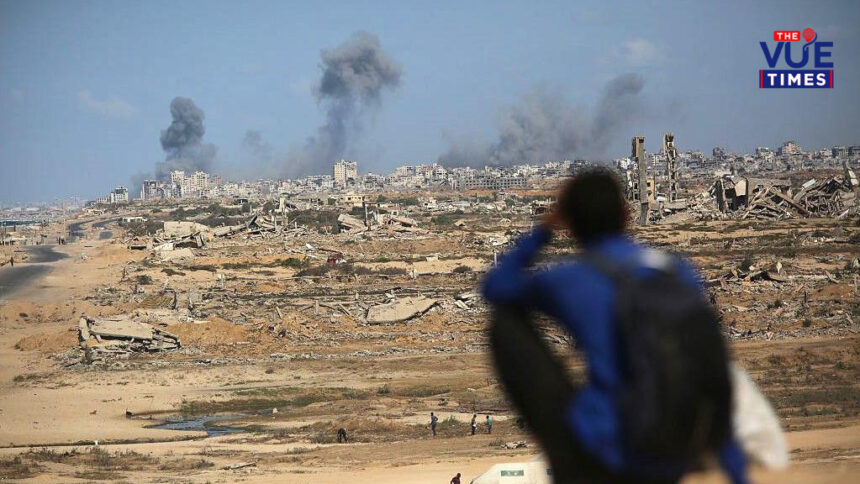
After months of rising tensions and international appeals for peace, Hamas and Israel have resumed negotiations in Cairo under a newly proposed Gaza Peace Plan reportedly influenced by former U.S. President Donald Trump’s diplomatic advisors. This plan marks a fresh attempt to restore calm, rebuild Gaza, and pave the way for a more stable and sustainable coexistence between the two long-feuding sides. With regional and global powers watching closely, the talks represent one of the most significant peace efforts in recent years.
The resumption of discussions comes amid mounting international pressure on both parties to avoid another full-scale conflict. The humanitarian situation in Gaza remains dire, with millions of residents suffering from limited access to clean water, electricity, and healthcare. The latest plan, referred to unofficially as the “Trump Gaza Peace Framework,” focuses on reconstruction, border security, and creating economic opportunities for Palestinians — all while ensuring Israel’s security concerns are addressed.
Egypt’s capital, Cairo, has once again become the center of diplomacy in the Middle East. The Egyptian government, known for its historic role in mediating Israel-Palestine conflicts, is hosting representatives from both Hamas and Israel. Egyptian officials have emphasized that this new round of talks must move beyond temporary ceasefires and lead to long-term commitments. The discussions are being held in a highly secure environment, with participation from U.S. envoys, Qatari diplomats, and representatives from the United Nations.
The involvement of Donald Trump’s team in shaping the new framework has surprised many analysts. While Trump’s original Middle East peace plan during his presidency faced criticism for being heavily skewed in favor of Israel, the new proposal reportedly seeks to balance economic aid with political concessions from both sides. Trump’s advisors argue that without improving the economic situation in Gaza, no political deal can endure. The framework thus combines economic reconstruction with phased political negotiations.
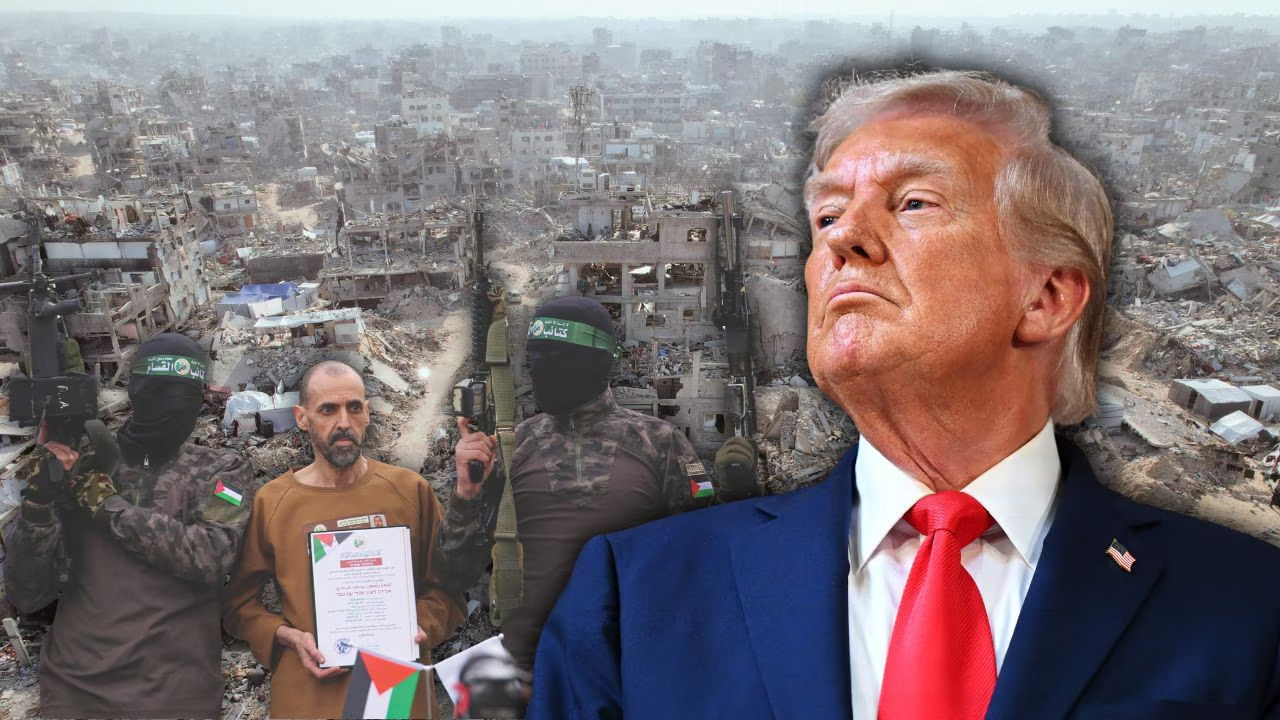
Central to the plan is a $10 billion reconstruction package, funded by a coalition of international donors including Gulf states, the European Union, and private investors. The funds would be allocated to rebuild essential infrastructure such as housing, schools, and hospitals. A significant portion is also aimed at creating industrial zones near the Gaza-Israel border, where Palestinians could work in joint ventures with Israeli and international companies. Supporters believe that improving living conditions will reduce hostility and create interdependence that discourages future conflicts.
Security remains the most sensitive topic at the negotiation table. Israel insists that any peace deal must guarantee the disarmament or strict control of Hamas’ military wing. Hamas, on the other hand, demands an end to the Israeli blockade and recognition of its political legitimacy in governing Gaza. Egyptian mediators are reportedly exploring a phased approach: in exchange for gradual easing of the blockade and prisoner releases, Hamas would agree to halt weapons smuggling and reduce rocket deployments near the border.
Another key aspect of the talks involves prisoner exchanges. Hundreds of Palestinian prisoners are currently held in Israeli jails, while Israel seeks the return of soldiers or their remains captured in past conflicts. Negotiators are working on a potential exchange formula that could serve as a symbolic gesture of goodwill and help build momentum for broader discussions.
The humanitarian element of Trump’s Gaza Peace Plan has been widely praised by international aid agencies. The proposal includes commitments to expand electricity supplies from Egypt and Israel into Gaza, improve water desalination capacity, and open new medical corridors for the transfer of patients requiring advanced treatment. These measures could dramatically improve the daily lives of Gaza’s two million residents, many of whom live below the poverty line.
For Israel, the plan offers both risks and opportunities. On one hand, a successful agreement could reduce rocket attacks, enhance regional stability, and improve its image internationally. On the other, critics within Israel’s political establishment argue that easing restrictions without ensuring Hamas’ full demilitarization could strengthen the group’s influence. Some Israeli opposition leaders have accused Prime Minister Benjamin Netanyahu of using the talks to deflect attention from domestic political challenges, while others see it as a genuine step toward peace.
Hamas faces its own internal divisions. The organization’s leadership, split between its Gaza-based wing and its political bureau abroad, must balance public expectations with pragmatic decision-making. While many Palestinians welcome any plan that could improve living conditions, there is skepticism about whether Israel will honor its commitments. Additionally, hardline factions within Hamas fear losing their military leverage if disarmament becomes a condition for economic aid.
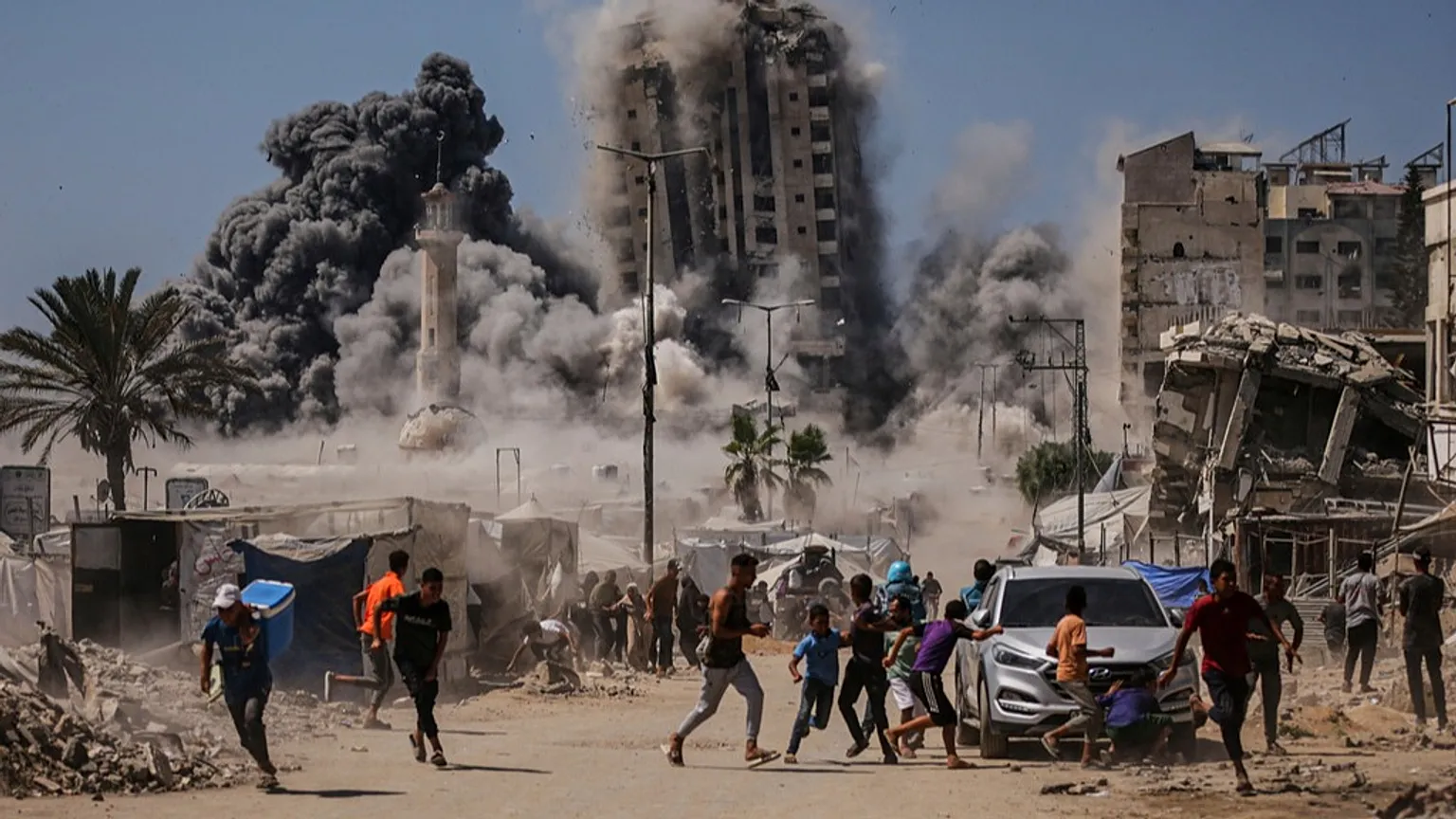
Egypt’s strategic role in these negotiations cannot be understated. As one of the few Arab countries with a peace treaty with Israel and longstanding ties with the Palestinian leadership, Egypt serves as a trusted intermediary. Cairo also has a vested interest in stabilizing Gaza, which borders Egypt’s volatile Sinai region. A more stable Gaza would reduce the risk of militant spillover and enhance regional security cooperation.
The United States’ renewed involvement under Trump’s influence adds another layer of complexity. Despite Trump no longer being in office, his influence in Republican foreign policy circles remains strong. His advisors, many of whom maintain relationships with Middle Eastern governments, have been promoting a model of “economic-first diplomacy,” where development precedes political recognition. This strategy contrasts with traditional peace efforts that prioritize political agreements before infrastructure development.
Analysts are divided on whether this new framework can succeed where others have failed. Historically, Israeli-Palestinian peace efforts have collapsed over disputes concerning territory, refugees, and Jerusalem’s status. The Trump-influenced plan appears to sidestep these core issues initially, focusing instead on economic normalization and gradual trust-building. Supporters argue that this incremental approach could create a foundation for later political negotiations. Critics, however, warn that postponing the hard questions only delays inevitable conflicts.
Public opinion in both Israel and Palestine reflects cautious optimism mixed with deep skepticism. In Gaza, residents express hope for better living conditions but fear another round of disappointment if the talks collapse. In Israel, there is a mix of security anxiety and economic curiosity about potential regional trade benefits. Egyptian media coverage has been largely supportive, portraying Cairo as a key architect of regional peace.
The international community’s reaction has been varied. The United Nations has welcomed any move toward dialogue but insists that the peace process must align with previous UN resolutions. The European Union has pledged conditional support, emphasizing the importance of human rights and accountability. Meanwhile, Gulf nations like Qatar and Saudi Arabia have quietly expressed willingness to fund parts of the reconstruction effort, seeing stability in Gaza as beneficial to their broader regional interests.
Behind the scenes, intelligence and security officials from multiple countries are working to ensure that any ceasefire resulting from the talks holds firm. Egypt has reportedly proposed deploying an international monitoring mission along the Gaza-Israel border to oversee compliance. Discussions are also ongoing about establishing a joint economic council that would manage cross-border trade and infrastructure projects.
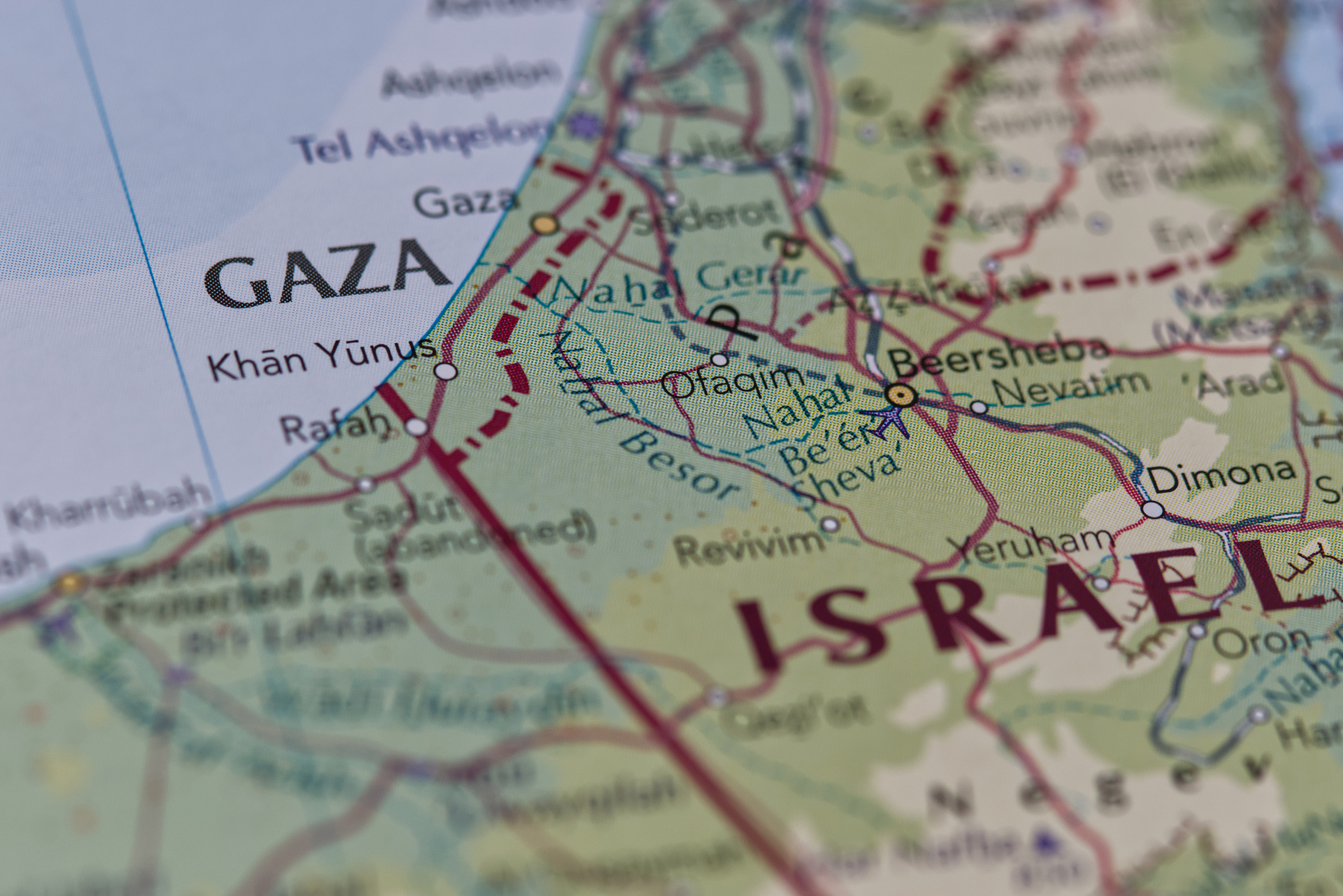
If successful, this peace plan could redefine the geopolitical balance in the Middle East. A stable Gaza under a joint economic and security framework could improve Israel’s relations with Arab neighbors and potentially reopen dialogue on broader Arab-Israeli normalization. For Palestinians, economic recovery and increased mobility could offer a long-awaited sense of dignity and hope. For Egypt, success would solidify its position as the region’s premier peace broker.
However, challenges remain immense. Mistrust runs deep between the two sides, and both have domestic political pressures that make compromise difficult. Hamas must prove to its base that it can secure real concessions without abandoning resistance, while Israel must convince its citizens that peace efforts will not jeopardize security. The delicate balance between humanitarian relief and political recognition will determine whether this initiative endures or becomes another failed attempt in a long history of negotiations.
In conclusion, the resumption of talks in Cairo under Trump’s new Gaza Peace Plan represents a rare moment of cautious optimism in a conflict often defined by despair. With regional powers, global diplomats, and millions of civilians watching, the outcome of these discussions could shape the Middle East’s future for decades. Whether this plan becomes a turning point or fades into history depends on the willingness of both sides to prioritize peace over politics, reconstruction over retaliation, and humanity over hostility.