
In recent years a notable back-to-roots trend has surged among India’s younger generation. After decades of rapid globalization and Western influence, many urban Indians – especially millennials – are rediscovering traditional food, clothing, wellness practices, languages, festivals and arts. This isn’t just nostalgia for its own sake; it reflects a search for authenticity, community and sustainability in a fast-changing world. As one commentator observes, millennials and Gen Z are “rekindling their connection with Indian heritage” – reviving lost traditions in food, fashion, wellness and art.
Traditional flavors and diets are a big part of this revival. Millennials are flocking to homegrown superfoods (like ragi, bajra, jowar and amla), millets and cold-pressed oils, valuing the nutrition and stories behind them. Many young people recall the tastes of childhood as comforting – during the pandemic, urban professionals moved closer to family farms or hometowns to enjoy native dishes again. For example, dishes like kafuli (a leafy green curry) and millets-based
recipes “make me nostalgic each time,” one young chef notes. Restaurants and home chefs now tell stories with their food: roughly 70% of Indian eateries are featuring regional specialties on their menus, emphasizing the origins and nostalgia of traditional recipes. Social media and storytelling have helped too – celebrity chefs note that Instagram reels and TikTok videos about family recipes create “deep emotional connections” for diners.
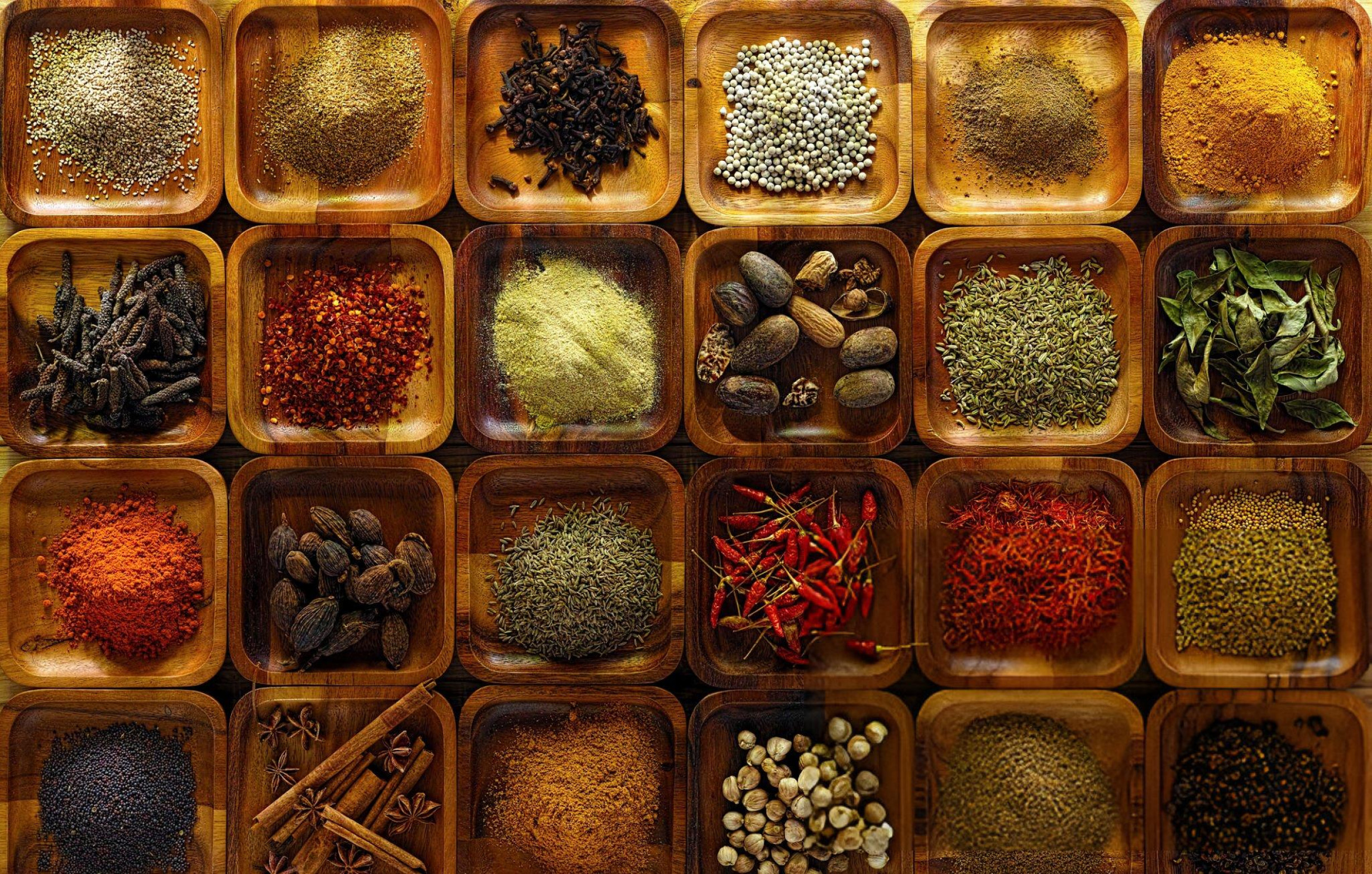
Traditional Indian ingredients are coming into vogue again. Health-conscious millennials are embracing foods like amla (gooseberry), turmeric, desi ghee and millets not just for wellness but for the emotional comfort they provide. Many cite Ayurveda-inspired diets: home remedies (ginger-cinnamon concoctions, herbal teas), fermentation (idli/dosa starters) and even traditional sweets with modern twists (laddus with flaxseeds, for instance) have seen a revival. As one wellness brand notes, India’s health-food market is booming – expected to hit $30 billion by 2026 – led by a surge in interest in “traditional Indian superfoods like turmeric, ghee, and millets”.
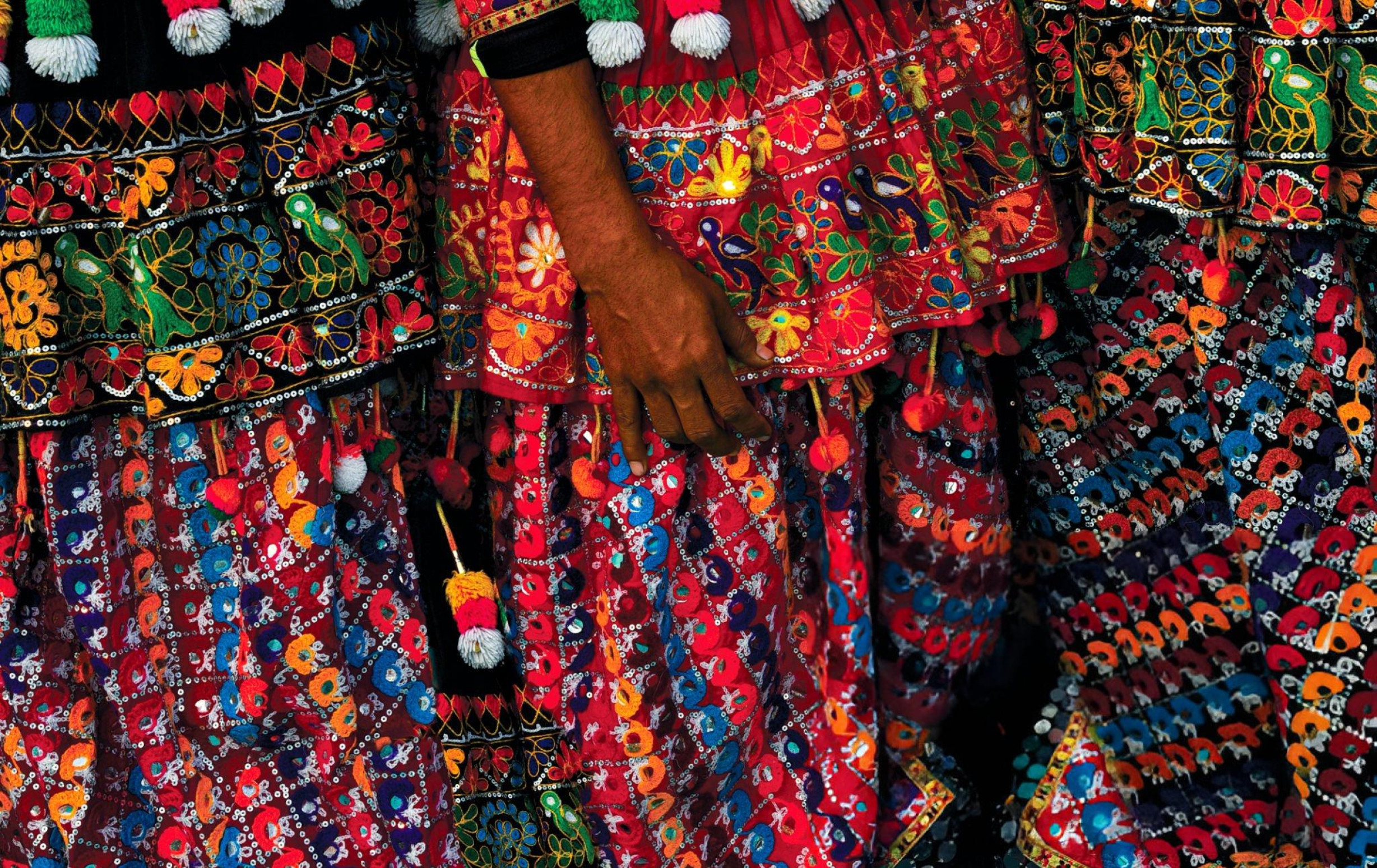
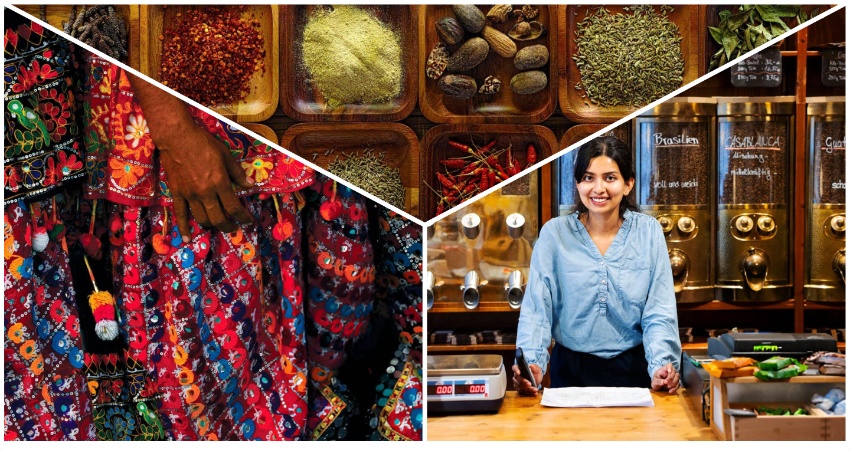
Parallel to food, fashion and crafts have gone through a renaissance. Millennials are choosing handmade handlooms and khadi over fast fashion – partly for style, partly for sustainability. Sarees like Banarasi, Chanderi, Kanjivaram and prints like Ikat have become chic again, and brands/ influencers are blending ethnic textiles with modern cuts. Many cite khadi – the handspun Gandhi fabric – as a symbol of both heritage and eco-consciousness. As one industry analyst notes, khadi’s “low carbon footprint appeals to Gen Z’s eco-conscious mindset… Woven by artisans using minimal energy and water, it fits perfectly with a generation that values sustainability”. Today’s designers are giving khadi a fashion makeover (jumpsuits, saris, jackets) so it feels contemporary and Instagram-friendly.
- Artisans and Entrepreneurship: Young entrepreneurs and startups have sprung up to tap this trend. Labels like Forest Essentials, Juicy Chemistry and Kapiva are marketing Ayurvedic skin oils and supplements to young consumers. Fashion cooperatives like Okhai and Taneira support rural weavers, while homegrown boutiques (The Loom, Raw Mango) make everyday kurtas, dupattas and sarees from organic cotton and khadi. These brands often share the craft stories behind their products. For instance, social-media pages such as Suta Bombay (handloom sarees) and The Indian Ethnic Co. (traditional clothing) have built loyal followings of young buyers eager to “support local artisans”. Even popular culture plays a role: Bollywood designers like Sabyasachi Mukherjee and period films with ethnic costumes boost interest in gharara pants or block prints.
This fashion shift is eco-aware too. Millennials say they want authenticity and ethical production: Indian textile experts note that each handcrafted garment is unique (“it has flaws of human imperfection”), giving wearers a sense of identity and a “peaceful insurrection against conformity”. The clean living ethos spans beyond fabric: many young Indians now prefer cold-pressed oils to refined ones, A2 cow’s milk and desi ghee for cooking. They’re also drawn to recycling and upcycling in style – for example, designers repurposing discarded saris into new outfits or using traditional prints in streetwear (the “From Trash to Trendy” eco-fashion scene).
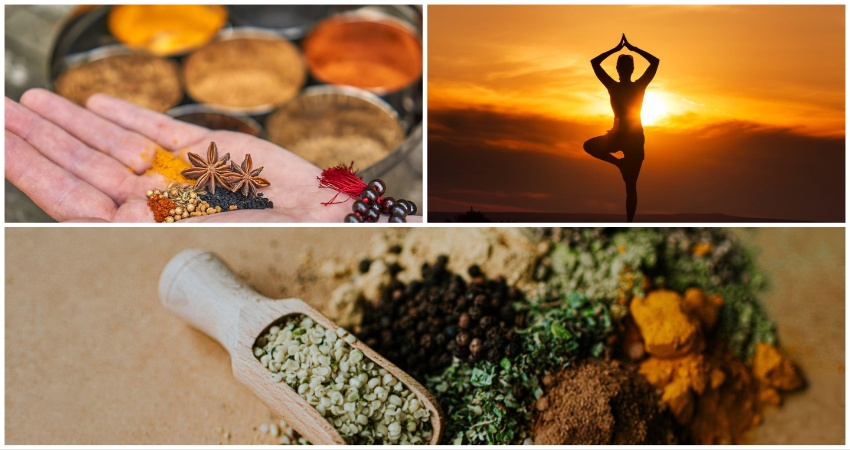
Ayurveda, yoga and holistic wellness have likewise seen a youth revival. Compared to previous generations, millennials are more open about using Indian healing arts. Many prefer preventive health through yoga, meditation and herbal remedies over purely Western medicine. Skincare and wellness brands selling ubtan face packs, Ayurvedic oils and herbal supplements (e.g. Forest Essentials, Kama Ayurveda, Juicy Chemistry) are growing quickly. Home remedies like oil-pulling, turmeric milk or triphala cleanses are trending on Instagram, as DIY Ayurveda channels teach Gen Zers these age-old practices.
At the same time, spirituality and mindfulness have become mainstream. Big religious gatherings like the Maha Kumbh now draw thousands of 20-somethings: by one estimate, over half of the 660 million pilgrims were under age 30. Studies show young Indians feel more confident and comforted after prayer – one youth survey even found 70% of Gen Z respondents felt stronger confidence after religious rituals. This new spirituality is broad and experiential: ancient practices (Kundalini yoga, sound baths, meditation retreats) mix with social media (“spiritual influencers” on Instagram and YouTube) to make faith feel relevant. Travel too reflects this trend: destinations like Rishikesh, Varkala and Mahabalipuram now host yoga bootcamps and wellness tourism, turning pilgrimage sites into adventure- and health-retreats.
The festivals and arts of India are being re-embraced as well. Folk performances, classical music and regional festivals that once seemed outdated are finding new fans. Traditional art forms like Madhubani, Warli or Pattachitra (mythological paintings on cloth) have popped up on sarees, home décor and stationery, thanks to artisans and designers popularizing them. Likewise, millennial hobbyists hold regular language and culture meet-ups or online workshops: regional dance or cooking classes, mahua festivals, and even campaigns to learn Sanskrit or Punjabi through apps. In media and entertainment, the rise of vernacular content (regional-language films and TV) reflects and fuels this interest. As one analysis noted, the surge in Netflix/Amazon shows in Hindi, Tamil, Telugu, etc., has given local storytellers new platforms – making regional languages and stories hip and marketable in the digital age.
Behind this revival are several powerful forces:
- Identity and Pride: After decades of colonial hangover, many young Indians want to redefine national pride on their own terms. They question the idea that Western culture is inherently superior, and instead freely celebrate Indian heritage. Millions now see wearing a kurta or speaking one’s mother tongue as self-expression, not a sacrifice. Research shows millennials are more “unabashed by their country’s traditions” even as they enjoy global culture. Embracing regional roots provides a sense of belonging in a vast, diverse country – as one author writes, “regional languages connect people with their roots and heritage and help preserve our cultural identity”.
- Digital Media and Influencers: Social media has been a game-changer for cultural nostalgia. Instagram reels, YouTube channels and blogs are full of young influencers celebrating India’s traditions. Chefs share grandmother’s recipes, fashion bloggers post handloom saree tutorials, and “culture-crazy” content creators (from urban Rajasthan travel guides to Kashmiri food vlogs) attract large followings. In fact, dedicated “culture” accounts are booming: for example, Instagram accounts like @YashChoudhary04 (Rajasthani heritage) and @azmatalimir (Kashmiri cuisine) have hundreds of thousands of followers. These platforms make local crafts and languages feel trendy and globally visible. As celeb-chef Saransh Golia puts it, today social media “allow us to use visuals, short videos, and personal anecdotes to create deep, emotional connections” with our heritage.
- Eco-consciousness: Millennials globally are the most environmentally aware generation, and India is no exception. Young Indians report being willing to pay more for sustainable products (a Nielsen study found 73% of millennials would do so, versus 66% of the general population). This eco-mindset aligns perfectly with many traditions. Handloom textiles use far less energy than fast fashion (khadi has a very low carbon footprint), and organic farming practices (millets, local grains) help soil and health simultaneously. In recent years many designers have explicitly embraced “green” fashion – for instance, one weaver shifted from chemical dyes to natural dyes and saw his income and health improve dramatically. Simply put, millennial culture-seekers often see heritage as inherently sustainable: picking up pickles from a farmer’s market or wearing an upcycled kurta is both a lifestyle choice and an ethical statement.
- Nostalgia and Well-being: On a psychological level, returning to tradition offers comfort and roots in a hectic era. Modern life in Indian cities is high-pressure and fragmented; many young people find solace in the familiar rhythms of home. “Our psychology is such that our brain registers the food that we had as a child… as comfort food,” observes an agriculture expert. The same goes for festivals and family rituals. After stressful work weeks, a weekend of cooking old family recipes or attending a local temple event can feel like an emotional recharge. This sentimental pull is especially strong after global crises: for example, during the pandemic Indians shifted from Western-style Christmas (chocolates) back to traditional Diwali sweets, albeit “with healthy ingredients” like flaxseeds. In short, re-engaging with culture can help young people feel grounded and happy. It even extends to mental health: rising interest in Ayurveda and yoga often goes hand-in-hand with greater acceptance of meditation, therapy and mindfulness, reflecting a holistic rebalancing of life priorities.
- Community and Economy: Reviving tradition also has social benefits. Buying from local artisans and farmers strengthens rural economies and forges community ties. Organizations like Bridge Bharat and Kalaraksha emphasize that “safeguarding heritage means safeguarding the people behind it”: young patrons who buy traditional art or textiles are helping sustain villages of craftsmen. Finally, there is a practical entrepreneurial appeal: startups selling organic ghee, millet snacks, or handwoven shawls have found a booming market among millennials. In one example, a modern gin-and-tonic brand uses Indian quinine (from our own forests) as a local twist, reflecting how tradition can inspire new businesses.
More Read

In short, India’s millennials are not rejecting modern life – they’re weaving it together with tradition. Schools still teach coding and English, and Netflix still shows Hollywood movies – but at home there’s now also Punjabi home-cooking and Marathi folk art. This trend reflects a generation confident about India’s place in the world, yet eager to “stay true to roots”. As one expert puts it, they are ensuring that our cultural legacy “is not only preserved but also rejuvenated, making it a vibrant, ever-evolving testament to heritage and style”. The back-to-roots movement is thus a broad cultural evolution – one that shapes a more sustainable, grounded, and proudly Indian future.