

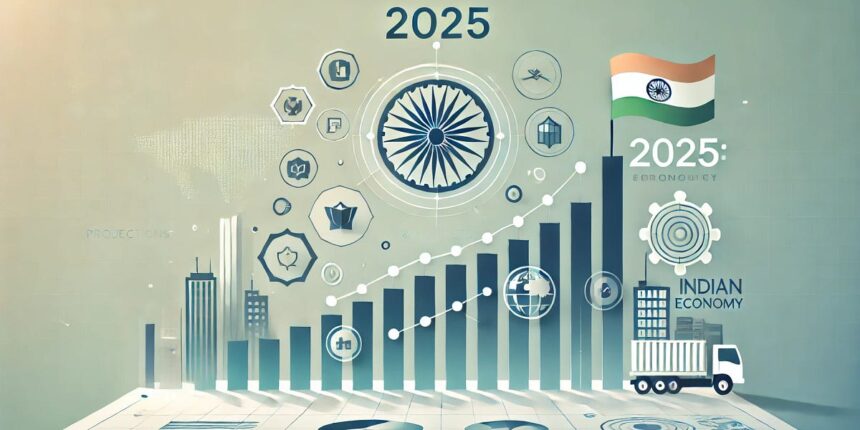
As 2025 unfolds, India’s economic engine is roaring with renewed strength and determination. With a GDP growth rate projected between 6.5% and 7%, India is one of the fastest-growing major economies in the world. This growth is not accidental — it’s being fueled by innovation, policy reforms, digital transformation, and a young, ambitious workforce.
While traditional sectors like manufacturing and agriculture continue to contribute significantly, a new wave of industries is reshaping India’s growth narrative. These sectors are not only creating wealth but also generating millions of jobs, empowering startups, and redefining India’s global image.
In this article, we explore five key sectors that are set to drive India’s next billion-dollar boom in 2025 and beyond.
1. The Digital and Technology Sector – India’s Smart Revolution
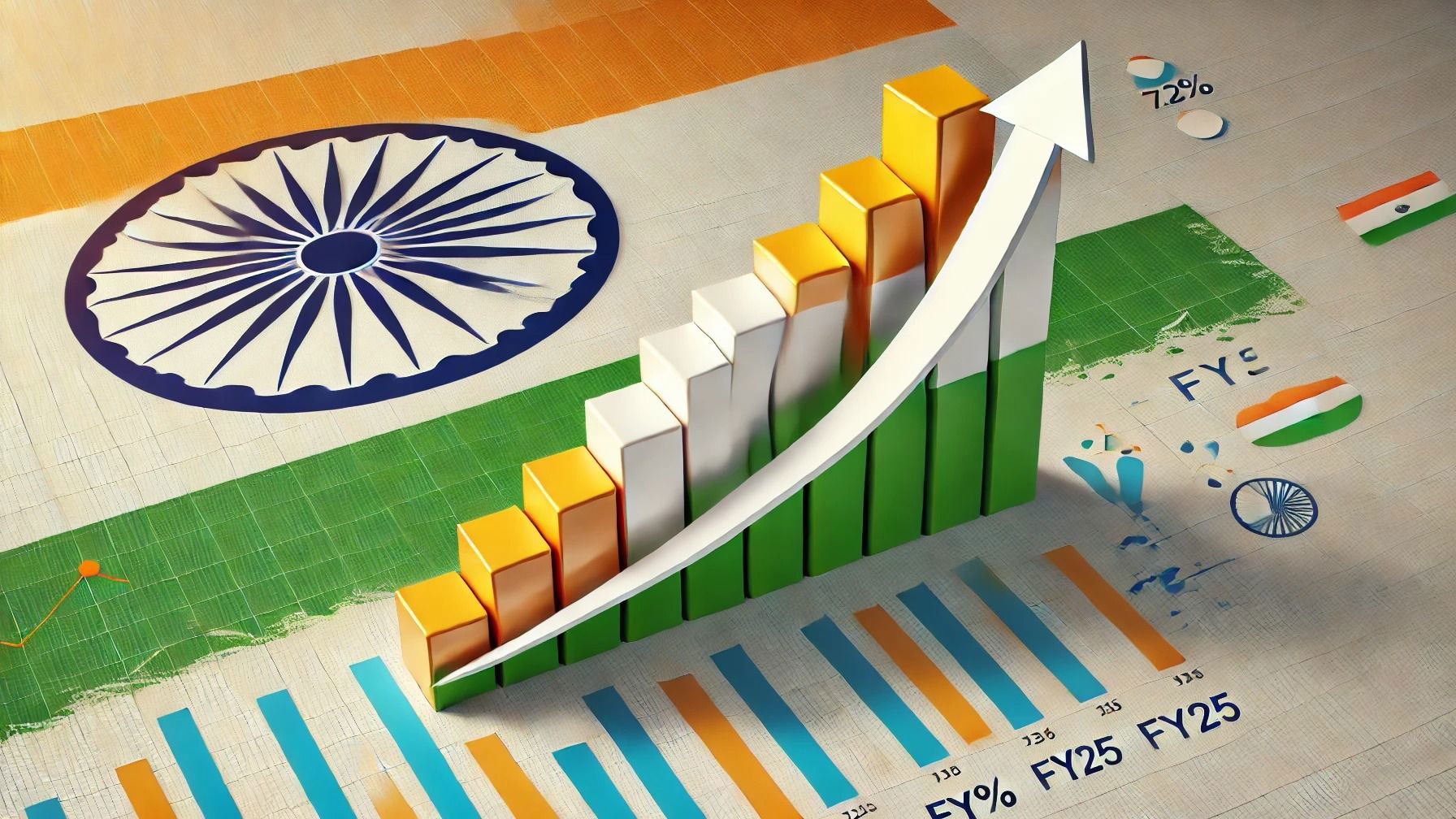
No discussion about India’s growth story is complete without acknowledging the digital revolution. Over the last decade, India has transformed from being a tech service hub to an innovation powerhouse.
In 2025, the digital economy is expected to contribute over $1 trillion to India’s GDP. This remarkable growth is driven by sectors like Artificial Intelligence (AI), fintech, e-commerce, data analytics, blockchain, and cloud computing.
Key Drivers of Tech Growth:
-
Government Initiatives: Programs like Digital India, Make in India, and Startup India have provided a fertile ground for innovation and entrepreneurship.
-
5G Rollout: The nationwide expansion of 5G networks is revolutionizing sectors like healthcare, education, and logistics.
-
Artificial Intelligence Integration: From agriculture to banking, AI-powered solutions are improving decision-making, automation, and customer engagement.
-
Startups and Unicorns: India has over 100 unicorns, many of which are tech-driven companies in SaaS, fintech, and edtech domains.
Example of Growth:
-
Fintech Expansion: UPI (Unified Payments Interface) has become a global benchmark. Digital payments are expected to surpass $500 billion annually by 2025.
-
AI Market: The AI market in India is projected to reach $8 billion by 2025, driving efficiency across industries.
India’s strength in software services, combined with a massive digital consumer base, ensures that the technology sector will remain the largest contributor to India’s trillion-dollar dream.
2. Manufacturing and Infrastructure – The Engine of Physical Growth

The manufacturing and infrastructure sectors are the backbone of India’s economy, and in 2025, they are witnessing an unprecedented transformation.
Under the “Make in India 2.0” initiative, India aims to become a global manufacturing hub by promoting domestic production, attracting foreign investment, and reducing import dependency.
What’s Driving the Boom:
-
PLI (Production Linked Incentive) Schemes: These government programs are encouraging industries to expand production in sectors like electronics, semiconductors, pharmaceuticals, and electric vehicles (EVs).
-
Infrastructure Development: Massive investments are being made in highways, smart cities, ports, and renewable energy.
-
Green Manufacturing: India’s commitment to sustainability has led to the adoption of eco-friendly manufacturing technologies.
-
Defence Manufacturing: The “Atmanirbhar Bharat” vision is promoting local defence production, reducing reliance on imports.
Sectors Within Manufacturing That Are Soaring:
-
Electronics: India is emerging as a global electronics assembly hub, particularly for mobile phones and semiconductors.
-
Automobiles and EVs: Electric vehicle manufacturing is set to contribute billions to GDP, with both startups and traditional players innovating rapidly.
-
Construction and Real Estate: Affordable housing and urban infrastructure development are creating millions of jobs.
Infrastructure Push:
India’s National Infrastructure Pipeline (NIP) aims to invest over $1.5 trillion by 2025, targeting railways, highways, airports, and renewable energy.
This not only strengthens logistics but also opens new markets across the country, enhancing ease of doing business.
In short, manufacturing and infrastructure are the dual engines that will drive India’s transformation from a service economy to an industrial superpower.
3. Agriculture and Agri-Tech – Feeding Growth with Innovation

Agriculture remains the heart of India’s economy, employing nearly 40% of the workforce. Yet, what’s remarkable in 2025 is how technology has revolutionized Indian farming.
The fusion of traditional knowledge with digital tools — known as Agri-Tech — has made farming smarter, more sustainable, and more profitable.
Key Growth Trends:
-
Smart Farming: Drones, IoT sensors, and AI-based crop monitoring are improving yields and reducing waste.
-
E-Marketplaces: Platforms that directly connect farmers to consumers are eliminating middlemen, ensuring better income.
-
Agri-Fintech Solutions: Digital payment systems and crop insurance platforms are improving financial access for farmers.
-
Sustainable Practices: Organic farming, hydroponics, and precision irrigation are becoming mainstream.
Economic Impact:
According to estimates, Agri-Tech startups could generate a market value exceeding $30 billion by 2025. With government schemes like e-NAM (National Agriculture Market) and PM-KISAN, farmers are gaining financial stability and access to technology.
Empowering Rural India:
-
Rural entrepreneurship programs are training youth in modern farming.
-
Agri-processing units are increasing the value of raw produce, leading to better profits.
-
Solar-powered irrigation and renewable energy in villages are reducing costs and increasing efficiency.
By 2025, agriculture is no longer a traditional occupation — it is becoming a data-driven, tech-enabled enterprise, ensuring food security and rural prosperity.
More Read

4. Healthcare and Biotechnology – The Life-Saving Economy
The pandemic fundamentally changed how India viewed its healthcare system. In 2025, the healthcare and biotechnology sector is one of the fastest-growing pillars of the Indian economy.
With the rise of telemedicine, biotech innovations, and digital health records, India’s healthcare ecosystem has become both technologically advanced and globally competitive.
Major Growth Drivers:
-
Telemedicine and HealthTech: Digital consultations and remote health monitoring have exploded in popularity.
-
Pharmaceutical Exports: India continues to be the “pharmacy of the world,” exporting affordable medicines globally.
-
Biotechnology Revolution: Vaccine development, genetic research, and bioengineering are attracting heavy investments.
-
Ayush and Wellness: Traditional medicine and holistic wellness are gaining international recognition.
Economic Potential:
The healthcare industry is projected to reach $450 billion by 2025, growing at a rate of 16–18% annually.
Digital healthcare alone contributes around $20 billion, thanks to increased health awareness, wearable devices, and AI-driven diagnostics.
Workforce and Infrastructure:
-
India’s Health Infrastructure Mission is expanding hospitals and medical colleges in rural areas.
-
AI-based diagnostics and robotic surgeries are improving patient outcomes.
-
Startups in mental health and wellness apps are addressing modern challenges.
This sector’s blend of technology, science, and human service makes it a cornerstone of India’s next phase of inclusive growth.
5. Renewable Energy and Green Technology – Powering the Future
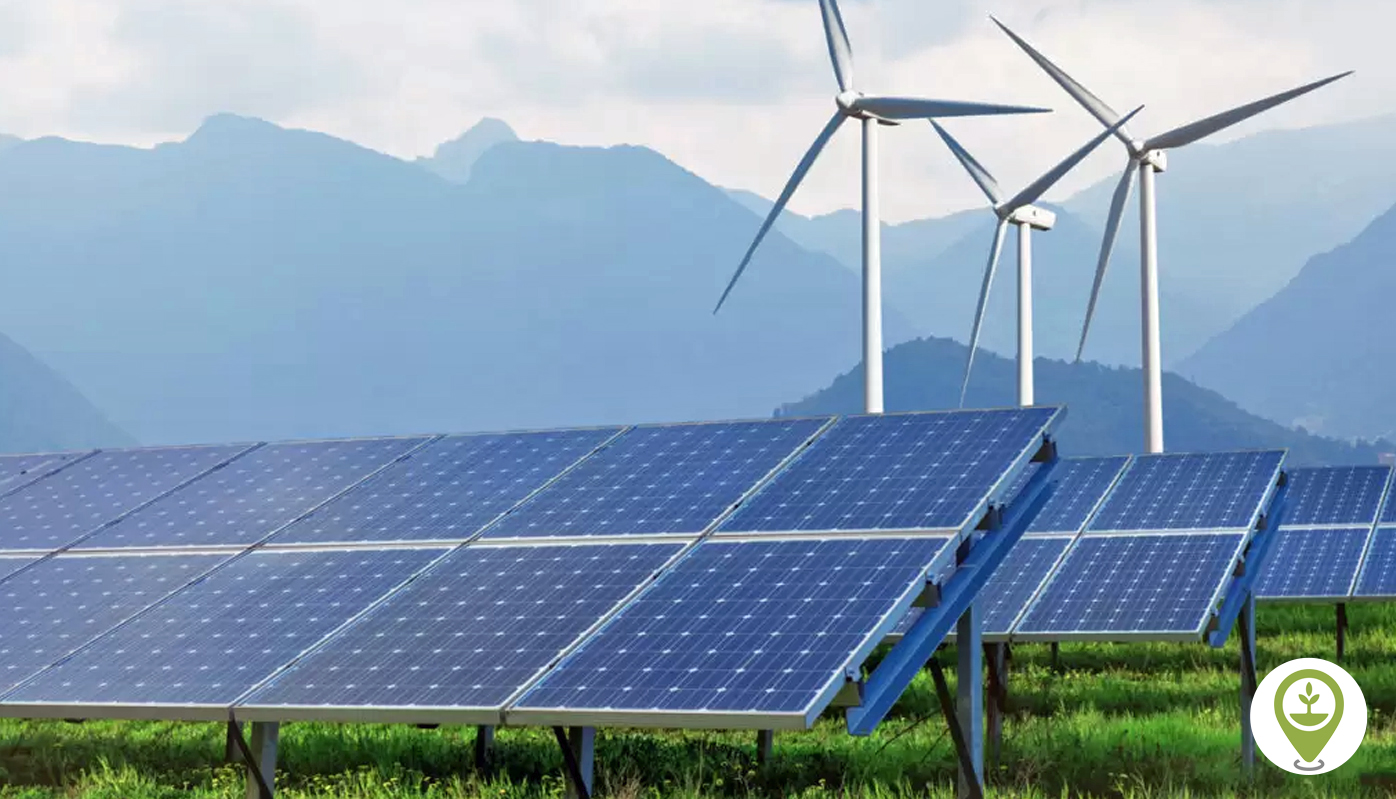
As the world moves towards a sustainable future, India’s renewable energy sector has become a global leader. In 2025, India is making enormous progress in solar, wind, and green hydrogen energy.
With an ambitious target of achieving 500 GW of renewable energy capacity by 2030, India is laying the foundation for an environmentally and economically sustainable future.
Key Developments:
-
Solar Power Boom: India is the world’s third-largest solar market.
-
Wind Energy Growth: Wind capacity additions are expanding rapidly in coastal and hilly states.
-
Green Hydrogen Mission: This new sector is attracting billions in investments from both domestic and global corporations.
-
EV Ecosystem: Electric vehicles are not only transforming mobility but also reducing carbon emissions.
Why It Matters:
-
Energy self-sufficiency will save billions in oil imports.
-
Renewable energy projects are creating millions of jobs in rural and urban India.
-
Clean energy adoption helps India meet its Net Zero Emission targets.
Economic Contribution:
By 2025, the renewable energy sector could contribute over $100 billion to the GDP.
It’s not just an environmental necessity — it’s an economic multiplier, fueling innovation and infrastructure across industries.
The Bigger Picture – India’s Path to a $5 Trillion Economy
India’s vision for a $5 trillion economy is not just a political slogan — it’s an achievable roadmap built on the synergy of these five powerhouse sectors.
Each one plays a unique role:
-
Technology drives innovation and digital empowerment.
-
Manufacturing and Infrastructure strengthen physical growth.
-
Agriculture ensures sustainability and food security.
-
Healthcare builds a healthy, productive population.
-
Renewable Energy powers the economy responsibly.
Key Enablers of Growth:
-
Demographic Advantage: Over 65% of India’s population is under 35.
-
Urbanization: Rapid urban development is opening new economic corridors.
-
Policy Reforms: GST, PLI, and digital governance have made doing business easier.
-
Foreign Investment: India is one of the top global destinations for FDI in 2025.
The integration of technology with every sector is India’s true superpower. Whether it’s AI in agriculture, IoT in manufacturing, or data analytics in healthcare, India’s economy is becoming smarter, faster, and more resilient.