

GPU Shortage in India: Is It Slowing Down the AI Revolution?

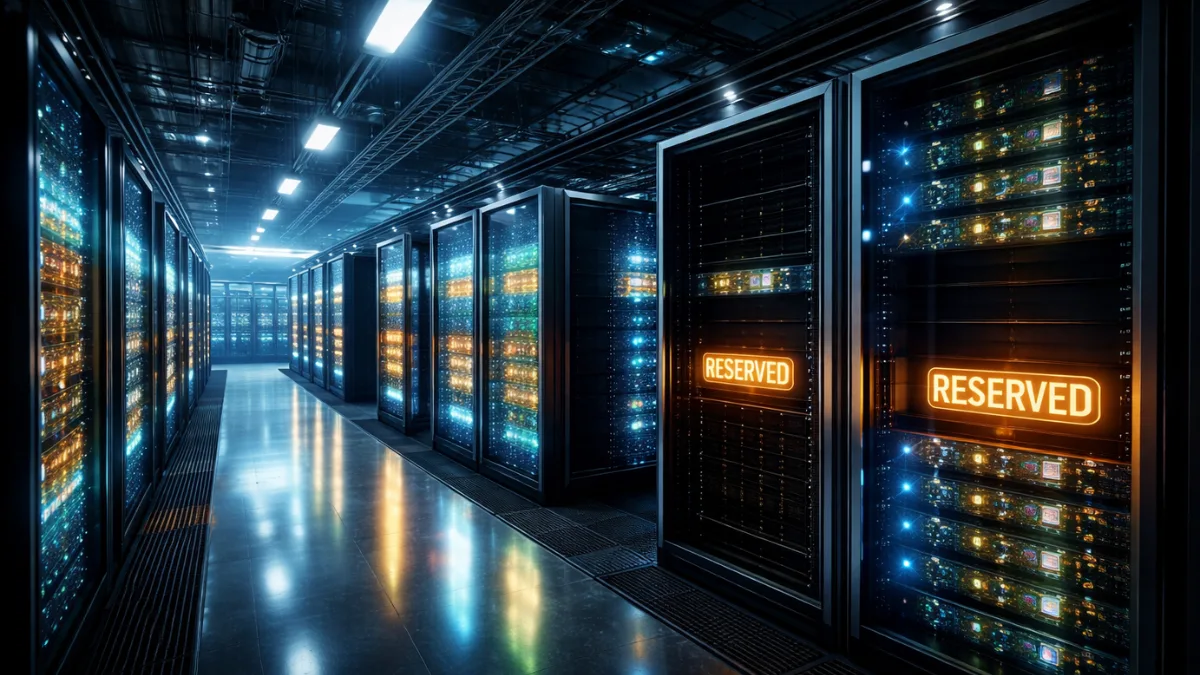
There’s a quiet frustration building inside India’s growing AI ecosystem. It doesn’t show up in headlines as often as funding announcements or startup valuations, but it’s there—in delayed product launches, in overworked servers, and in engineers waiting hours for access to computing power that should ideally be instant.
Walk into a mid-sized AI startup in Bengaluru or Hyderabad today, and you’ll notice something unusual. The talent is not the bottleneck. The ideas are not the bottleneck. Even funding, surprisingly, is not always the bottleneck.
The real constraint? Access to GPUs.
The conversation around GPU Shortage in India: Is It Slowing Down the AI Revolution? is no longer theoretical. It’s operational. And for many, it’s becoming strategic.
The Hidden Infrastructure Behind AI
Artificial Intelligence may look like software from the outside, but its backbone is deeply hardware-dependent. Training large language models, running computer vision systems, or even building recommendation engines requires enormous parallel processing power.
That power comes from GPUs—primarily dominated by companies like NVIDIA, with growing competition from AMD and emerging players like Intel.
Globally, the demand for GPUs has surged due to the explosion of generative AI. But in India, the shortage feels sharper—not just because of global supply constraints, but because of structural limitations in access, pricing, and infrastructure.
For a startup building an AI product, GPUs are not optional—they are the difference between building something viable and staying stuck in experimentation mode.
Why GPU Shortage in India Is Becoming a Real Bottleneck
1. Global Demand Meets Local Dependency
India does not manufacture advanced GPUs domestically. It relies almost entirely on imports. When global demand spikes—driven by companies in the US, China, and Europe—India gets pushed down the priority list.
Cloud providers like Amazon Web Services, Microsoft Azure, and Google Cloud do offer GPU access, but availability is often limited or expensive. Reserved instances are booked months in advance, and on-demand pricing can be prohibitively high for smaller players.
2. Cost Barriers for Startups
A high-end GPU setup can cost lakhs per unit. Scaling this infrastructure is not just a technical challenge—it’s a financial one.
For early-stage startups, this creates an uneven playing field. Larger companies can secure dedicated clusters, while smaller teams rely on shared resources, often compromising on speed and experimentation cycles.
The result? Innovation slows down—not because of lack of ideas, but because of lack of compute.
3. Infrastructure Gap
India’s data center industry is growing, but it’s still catching up with the scale required for AI-heavy workloads. Unlike the US, where hyperscale infrastructure is mature, India is still building that capacity.
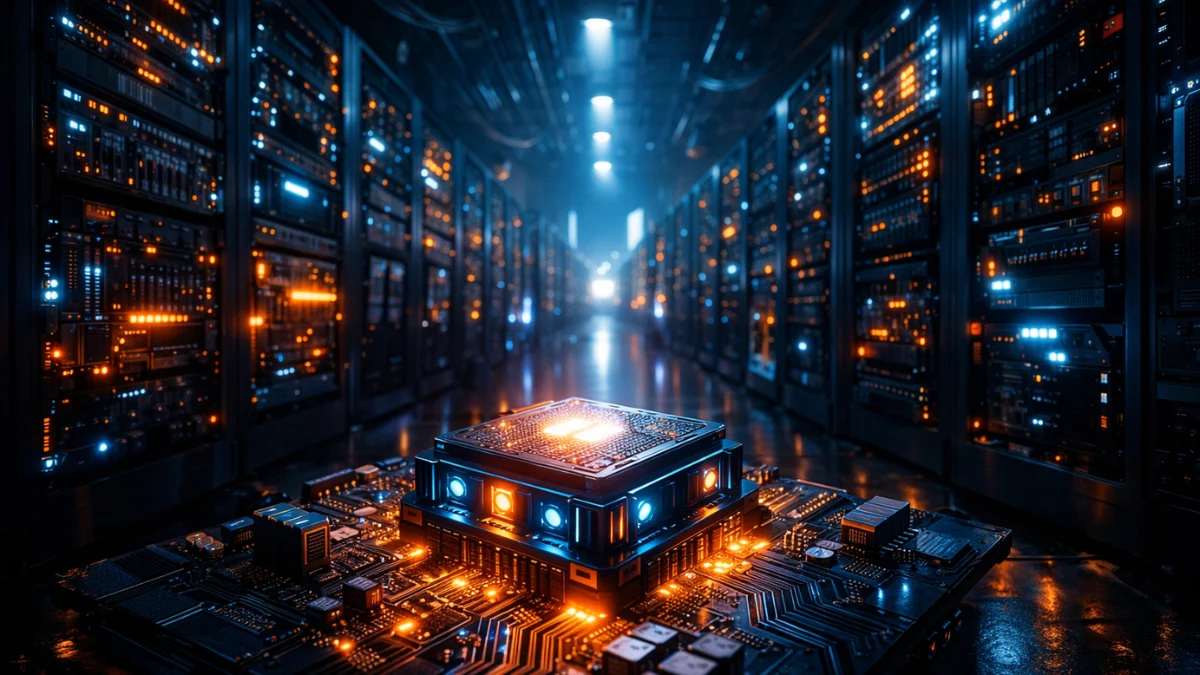
[caption id="attachment_10045" align="alignnone" width="1200"]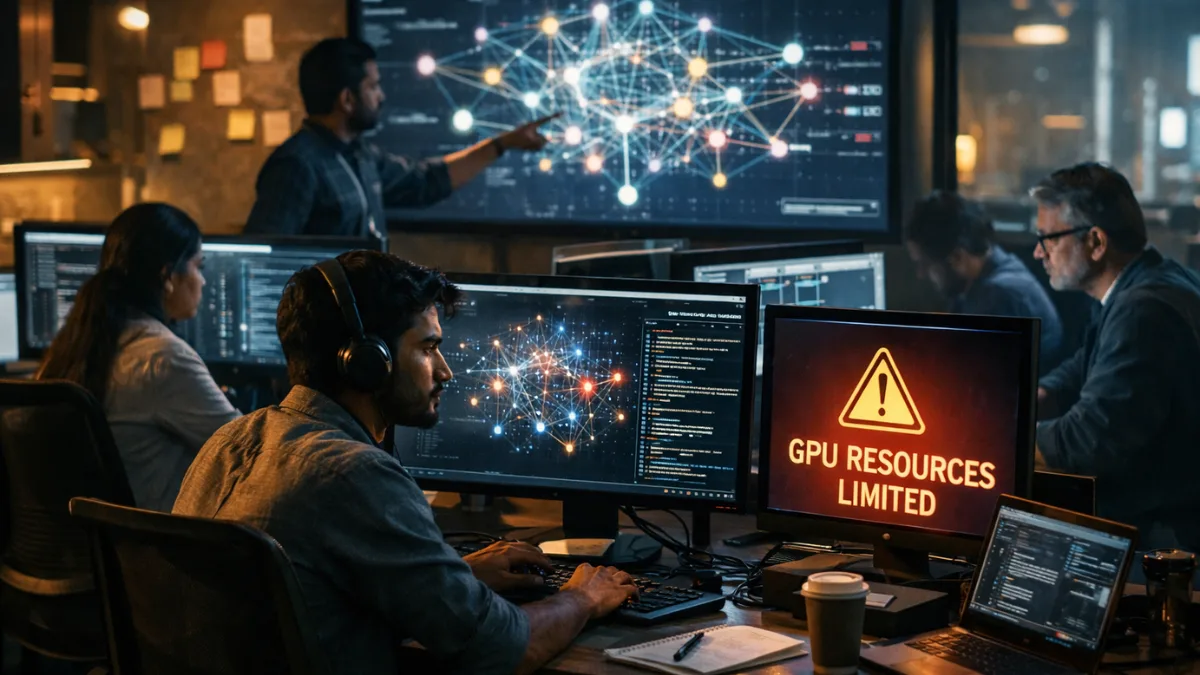 GPU shortage in India affecting AI startup development environment[/caption]
GPU Shortage in India: Is It Slowing Down the AI Revolution? A Ground Reality Check
The answer is not a simple yes or no.
India’s AI momentum is still strong. Government initiatives, startup ecosystems, and enterprise adoption are all accelerating. But the shortage is creating friction.
Think of it this way: the AI revolution in India is not stopping—it’s just moving slower than it could.
A developer training a model that should take two days might now take a week due to limited GPU access. A startup planning rapid iterations might slow down its roadmap. A research lab might postpone experiments.
Individually, these delays seem small. Collectively, they add up.
The Psychology of Scarcity in Innovation
There’s an interesting psychological layer to this problem.
When resources are abundant, experimentation thrives. Engineers try bold ideas, iterate quickly, and take risks. But when resources are scarce—especially something as critical as GPUs—behavior changes.
Teams become cautious. Experiments are planned more conservatively. Risk-taking reduces.
This shift doesn’t just affect timelines—it affects the nature of innovation itself.
India has always been known for frugal innovation. But AI is a domain where scale and speed matter. The question is whether this scarcity will lead to smarter optimization—or simply slower progress.
Business Implications: Who Wins, Who Falls Behind?
The GPU shortage is quietly reshaping the competitive landscape.
Large Enterprises Gain an Edge
Companies with capital can secure long-term GPU contracts or build private infrastructure. This gives them a significant advantage in developing and deploying AI solutions faster.
Startups Face Structural Disadvantages
Early-stage startups are forced to optimize heavily or rely on shared cloud infrastructure. This slows down their ability to compete with larger players.
Rise of AI Infrastructure Startups
Interestingly, this gap is also creating a new opportunity—companies focused on providing GPU-as-a-service, optimized AI infrastructure, or decentralized compute networks.
In a way, the shortage is not just a problem—it’s also a market.
Policy and Strategic Shifts in India
Recognizing the importance of AI infrastructure, the Indian government has started pushing initiatives under semiconductor and digital infrastructure programs.
Efforts include:
- Incentives for semiconductor manufacturing
- Expansion of data center capacity
- Support for AI research and innovation
However, building GPU manufacturing capabilities is a long-term play. It requires not just investment, but ecosystem development—design, fabrication, supply chains, and talent.
India is at the starting line of that journey.
Can Cloud Solve the Problem?
Cloud computing is often seen as the immediate workaround.
Instead of owning GPUs, companies rent them. This reduces upfront costs but introduces dependency on availability and pricing.
While cloud platforms provide flexibility, they don’t eliminate scarcity. When demand spikes globally, even cloud GPU instances become limited.
So, cloud is part of the solution—but not the complete answer.
[caption id="attachment_10046" align="alignnone" width="1200"]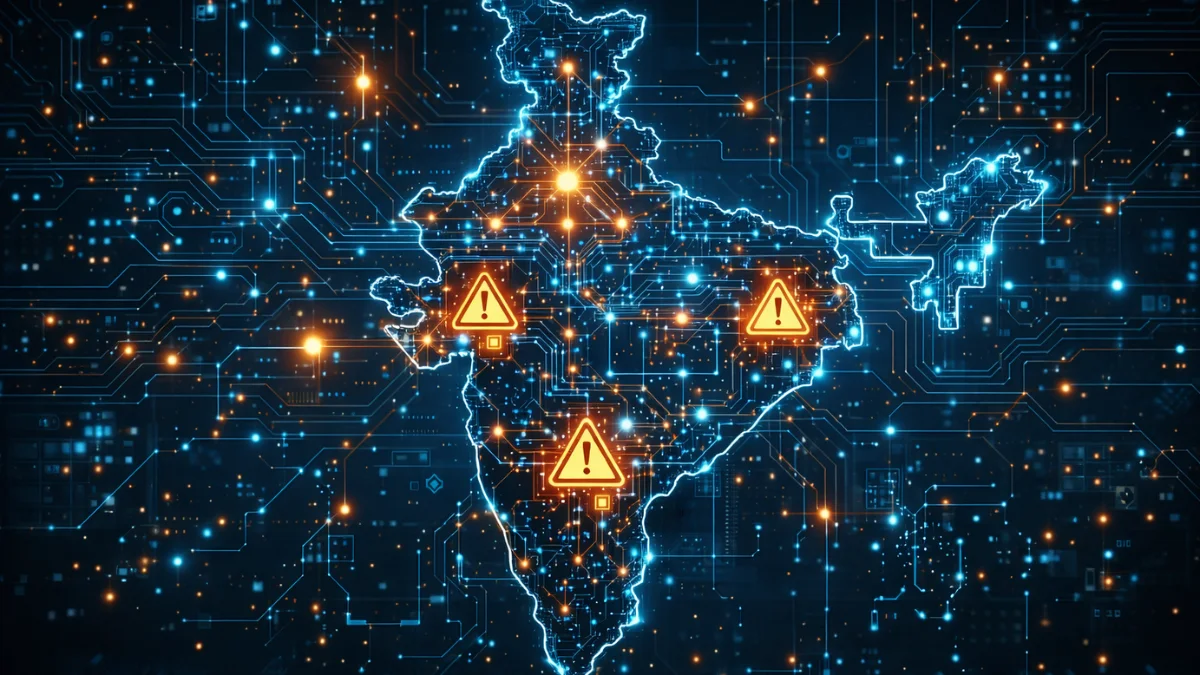 GPU Shortage in India_ Is It Slowing Down the AI Revolution concept visualization[/caption]
The Road Ahead: Constraint or Catalyst?
There’s a pattern in technology evolution—constraints often lead to innovation.
The GPU shortage might push Indian developers to:
- Build more efficient AI models
- Optimize algorithms for lower compute
- Explore alternatives like edge AI and distributed systems
At the same time, it might also accelerate investments in infrastructure, both public and private.
The real question is not whether the shortage exists—it clearly does.
The question is how India responds to it.
[ruby_related heading="More Read" total=5 layout=1 offset=5]Conclusion
The story of GPU Shortage in India: Is It Slowing Down the AI Revolution? is less about scarcity and more about readiness.
India has the talent, the ambition, and the market demand to lead in AI. But without sufficient compute infrastructure, that potential risks being underutilized.
The shortage is not a dead end—it’s a signal.
A signal that the next phase of India’s AI journey will not just be about building smarter models, but about building stronger foundations.
Final Insight
The future of AI in India will not be decided by who has the best ideas, but by who can execute them fastest. And in the age of AI, execution is increasingly measured in compute power—not just creativity.-The Vue Time
Frequently Asked Questions
What is causing the GPU shortage in India?
→ The shortage is driven by global demand for AI hardware, limited domestic production, and high dependence on imports, combined with rising demand from startups and enterprises.
How does GPU shortage affect AI startups in India?
→ It increases costs, slows development cycles, and limits experimentation, making it harder for startups to compete with well-funded companies.
Can cloud platforms solve GPU scarcity?
→ Cloud platforms help, but they also face availability and pricing issues during high demand, so they are not a complete solution.
Is India planning to manufacture GPUs locally?
→ India is investing in semiconductor initiatives, but GPU manufacturing is complex and will take years to establish at scale.
Will GPU shortage slow down AI growth in India?
→ It may slow the pace temporarily, but it is unlikely to stop growth. It could also push innovation in efficiency and infrastructure development.










Comments (0)