
India has never been a destination. It is an experience. Starting with the spiritual serenity of Varanasi and the royal tradition of Rajasthan, the Himalayan paths contrast with the tropical shores few countries have diversity at this magnitude. However, despite that, the foreign tourism in India is declining at an alarming rate.
The past decade has seen no proportional increase in the world tourism share of India as compared to its potential. As the countries with lesser attractions and smaller land are opening their doors to more international tourists, India is failing to change the curiosity to confidence. This potential performance gap inspires a burning question: why do foreign tourists not approach India, and how can one reverse this situation?
This article examines the actual issues of decline of tourism in India supported by policy observations, on-the-ground facts and governmental perspectives of data. More importantly it provides practical solutions on how tourism can be revived in India, not as slogans, but as systems that will work.
The Future of Foreign Tourism in India
Leisure is not the only thing in foreign tourism. It is one of the strong economic powers.
Government estimates suggest that tourism also plays a major role in terms of generating jobs, foreign exchange earnings and development in the region. One foreign traveler is spending more than a domestic traveler, patronizes local companies and indirectly keeps alive artisans, guides, transport workers and hotel employees.
Even then, international tourists in India contribute a minor percentage towards worldwide tourist movement. The countries of Southeast Asia, Middle-east as well as Eastern Europe are performing better in arrivals, satisfaction as well as repeat visits.
It is not a matter of not being interested in it. The issue is experience.
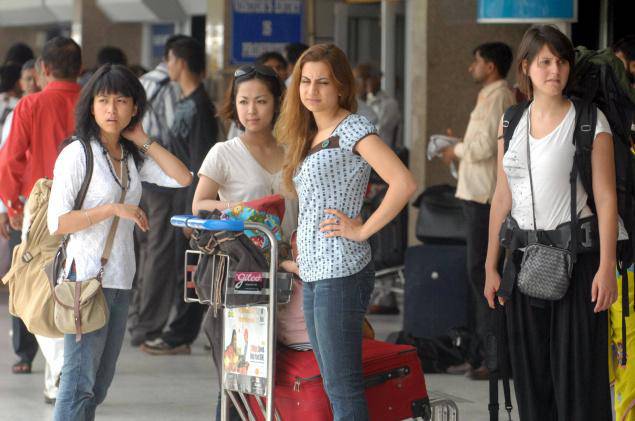
The Decline: Why foreign tourists are preferring other countries
India is not shunned by foreign tourists because it is not a country that is not beautiful or culturally bereft. They shun it due to friction, physical, emotional, and systemic.
Perception and Reality Gap of Safety
The largest psychological barrier to international tourists is India travel safety.
Though most areas are secure, the world views things in the following ways:
- Reports of harassment
- Gender safety concerns
- Lack of visibility on emergency response.
- Uneven standards in policing.
A single woman traveling to Europe or Southeast Asia would feel secure behind systems. Safety in India is personal, rather than institutional.
This is more of a perception than statistics.
Infrastructure That Fall short of expectations
There is unequal infrastructure of tourism in India.
Metro cities have airports that might seem impressive, however, once a tourist goes inland the experience goes down the drain:
- Destroys access roads to heritage sites.
- Poor last-mile connectivity
- Poor English and foreign languages signage.
- Problem of cleanliness around monuments.
Tourists make comparisons, not intentions. A traveler would discover easier travel in Vietnam, Thailand and India.
Visa and Entry Experience
E-visa systems have enhanced India visa concerns, although there are still difficulties:
- Mistaken directions in applications.
- Replying late and unreasonably.
- Short flexibility of visa term.
- Absence of support on arrival of foreigners.
The tourism process begins at the point of immigration. The tense introduction preconditions the whole journey.

Cleanliness, Public Facilities and Hygiene
Nevertheless, in spite of the national clean-up campaigns, foreign tourists usually have to face:
- Shabby toilets in the society.
- Waste around tourist attractions.
- The shortage of drinking water facilities.
- Lack of the uniformity of food hygiene rules.
Online reviews are directly affected by these issues and they have a huge impact on future tourists.
Contribution and Cultural Competence of Tourism
Foreign tourists usually complain of feeling:
- Overcharged
- Approached all the time by touts.
- Treated as walking wallets
- Misunderstood culturally
Tourism is a service industry. Hospitality should not be assumed.
History: The Phasing of India
At the beginning of the earlier centuries of the 2000s, India introduced grand scales of tourism marketing that projects the culture, spirituality, and heritage. Interest surged. But there was a problem of policy continuity, and investment failed to keep up with the evolution of global tourism.
Other countries:
- Simplified regulations
- Invested in tourism police
- Developed destination-based infrastructure.
- Local tourism services that are professionalized.
India also had a lot of dependency on branding without supporting it with systems.
What Government Data and Policy Observations Recommend
Gaps in policy have been pointed out by policy think tanks:
- The infrastructure development is falling in line with the aviation development.
- Workforce skills in hospitality.
- Weak coordination between the central and state tourism agencies.
- Minimal use of data to analyze tourist behavior.
According to government reports, the growth of tourism will need destination level planning as opposed to campaigns at the national level.
Real-Life Case: Indian Experience of a Foreign Traveler
One European tourist who visited Rajasthan commented on how hotels in the palaces were a step above, yet even travelling in and out of the centres was anarchy. Squeezy rooms were a much better contrast with transport confusion.
The moral of the story is quite straightforward: India is pat on pockets and not a system.
Practical Solutions: India- How To Restore its Foreign tourism
The restoration of tourism in India must be done in conjunction with policy, infrastructure, culture, and technology reforms.
Enhance Tourist Safety as a Process
Safety should be present, available, and able.
- Special tourist police departments in all major holiday resorts.
- Multilingual Emergency helplines.
- Quick response teams within tourist areas.
- Gender-sensitivity training on local authorities.
Confidence increases when the institution of safety is in place.
Upgrade Infrastructure with Tourist-First Design
Infrastructure of tourism must not be symbolic but experience based.
- Toilets Accessible toilets are clean and near attractions.
- Clear multilingual signage
- Trustworthy final mile delivery.
- Digital information kiosks
Rudimentary refinements make massive comfort.
Reformation Visa and Cellular Journey
Enhancement of entry experience is inexpensive and high-impact.
- Streamline visa terms and directives.
- Open rejection justifications.
- Expand visa validity programs.
- Arrival tourist help desks.
Travel stories are characterized by first impressions.
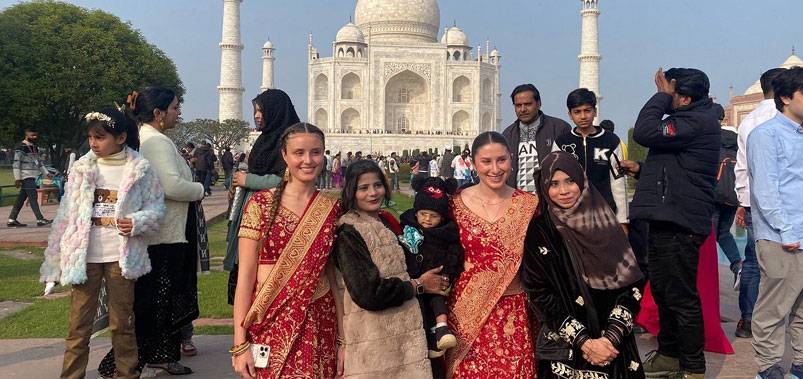
Professionalize the Tourism Workforce
Hospitality is an art not a gift.
- Guide and driver training which is mandatory.
- Tourist service provider certification.
- Programs on language and cultural orientation.
- Rewards on ethical tourism activities.
Trust is created through professionalism.
Increase Regional and Rural Tourism
Tourism must not be restricted to over crowded hotspots.
- Grow underperforming destinations.
- Enhance the level of homestay quality.
- Train rural hosts
- Market cultural immersion tourism.
This distributes wealth and eliminates congestion.
Fix Pricing Transparency
Foreign visitors are afraid of loss of price.
- User standardized pricing.
- Crack down on overcharging
- Encourage digital payments
- Resort to tourist feedback audits.
Fair prices attract repeat customers.
Technology as an Enabler of Tourism
India can capitalise on its digital power.
- Offering consolidated tourism booking, safety and directions.
- Crowd management AI in major attractions.
- Evidence-based destination planning.
- On-time grievance redressal.
Convenience now drives tourism.
Lessons from other Nations
Revival countries that targeted tourism concentrated on:
- System supported safety branding
- Utilitarian facilities.
- Good-neighbor immigration procedures.
- Regular passenger experience.
There is no need to reinvent India. It needs execution.
The Use of Clean Cities to create Tourist Confidence
Nothing could be more psychological rather than cosmetic. To most foreign tourists visiting India, the state of the streets, open areas and transport terminals determine their comfort levels directly. A clean environment is an indication of safety, order and esteem of visitors. Although there are cities that have improved due to national efforts on cleanliness, the areas with high tourism are left unattended.
The discrepancy between the hotel cleanliness and the surrounding is always reported by the tourists. Such misfit is hurting the tourism image of India. Immediate perception can be enhanced by ensuring that streets around monuments are cleaned, that rubbish is controlled and that sanitation personnel are visible in the tourist areas. The nations, which lay emphasis on tourism cleanliness, know one simple fact, tourists do not remember words, they recall the places.
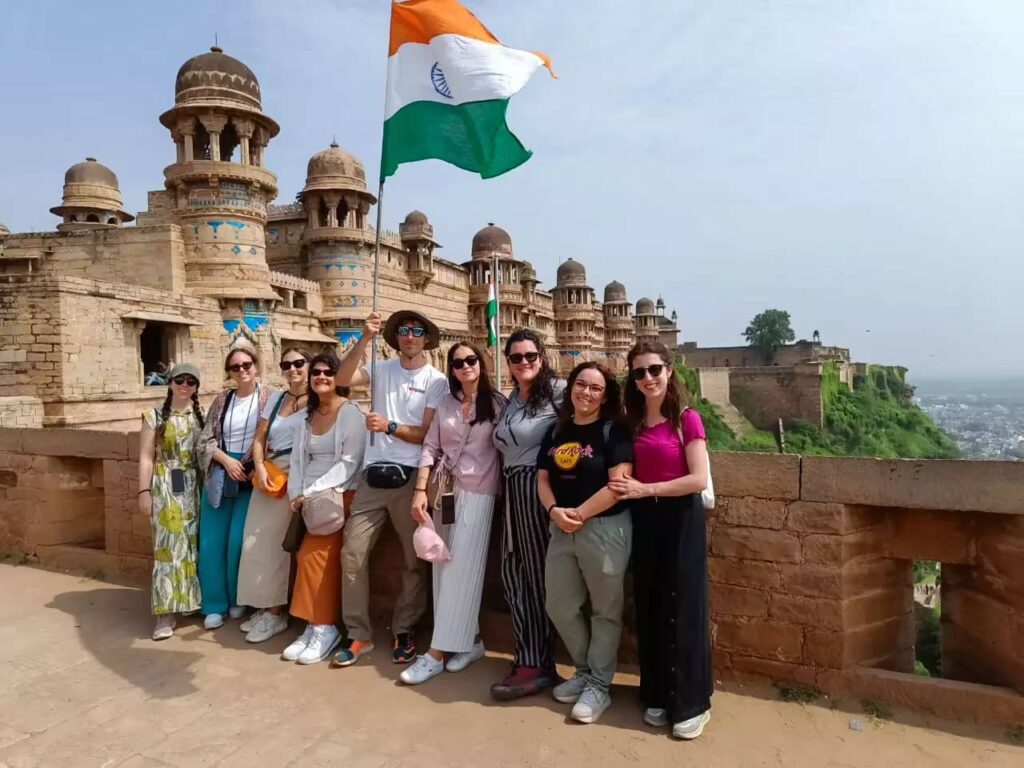
Key improvement points:
- Special dirty areas around the tourist sites.
- Sanitation inspections in the heritage areas on a daily basis.
- Jurisdictional waste management.
Language Barriers and Communication Gap
The language variety of India is considered to be its strength, yet in the case of foreigners it can be treated as an obstacle. In simple places, many tourists are faced with the problem of communicating in non-premium hotels and airport terminals. There are often no signboards, transport directions, emergency messages and menus written in globally understood languages.
This communication barrier causes stress and discourages exploration beyond big cities. The experience of the visitors can be changed by such simple measures as multilingual signs, English speaking tourist volunteers, and translation in transit areas. Tourism develops when travellers do not feel misunderstood.
Actionable steps:
- Stations and monuments: Multilingual signage.
- Frontline tourism workers language training.
- There are tourist information desks that have international language support.
Crowding and Decay of Comfort on Tourism
The most popular places of India become completely overcrowded. Although popularity is good, crowds that are not under control make life uncomfortable, unsafe, and unpleasant. Indian tourist sites are usually overwhelming to international tourists who are used to time based visits, controlled access and so on.
Overpopulation also leads to rapid deterioration of the heritage buildings. Experience can be balanced by regulating traffic by means of digital ticketing, time-slot entries, and promotion of alternative destinations. The sustainability of tourism is based on comfortability, and not on the size of the crowd.
Crowd management solutions:
- Time-based entry systems
- Online reservations reduce at high times of the year.
- Marketing of unbeatable destinations.
Poor Narration in Heritage and Cultural Sites
The monuments in India have a lot of historical value but the narratives are not very well narrated. A large number of foreign tourists abandon heritage sites without knowing their cultural values because they have no organized narration. The lack of information displays and untrained guides undermine interaction.
Tourism countries spend a lot of money to tell stories by using audio tours, visual displays and professional historians. The context of a monument is a building; narration makes the building an experience.
Improvement areas:
- Licensed story telling mentors.
- Centers of audio-visual interpretation.
- History Multilingual content.
Exclusive Tourism is a Sustainability Killer
Tourism that is devoid of the participation of the local people creates despondency and instability. In other locations, the locals consider tourism to be disruptive instead of being beneficial. This has an indirect influence on the safety of tourists, quality of service and preservation of the culture.
Locals are the tourism guardians when they are improved both economically and socially. Local employment, community involvement in tourism, and community-led tourism models are sustainable. Tourism also flourishes when the communities do not feel they are being intruded.
Community-focused actions:
- Local hiring mandates
- Training on rural tourism skills.
- Revenue-sharing models
The Role of the State and Local Government
Tourism happens locally.
States must:
- Individualize tourism strategies.
- Empower local bodies
- And invest in the upkeep, and not in monuments.
- Track tourist satisfaction
The Decentralization of execution is of importance.
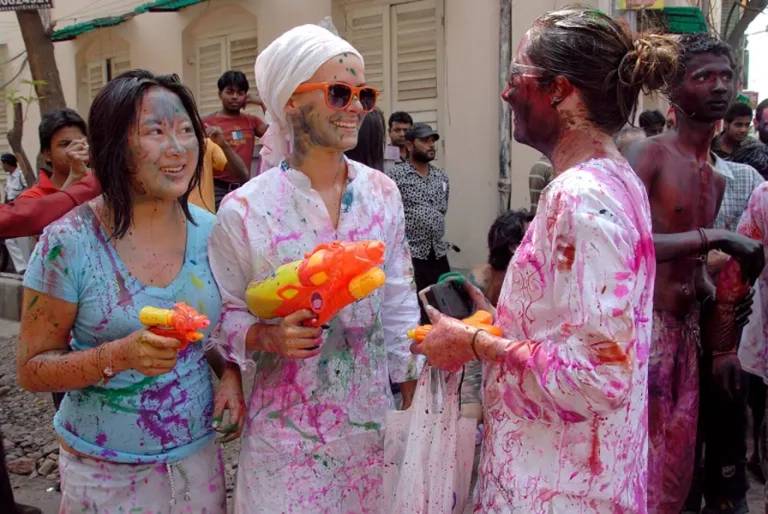
Futuristic Vision: Soft Power Tourism
The world views India as a result of tourism.
A satisfied tourist becomes:
- A cultural ambassador
- A repeat visitor
- A global storyteller
The rebuilding of tourism is not just economic, it is diplomatic.
Specific Implications of Stakeholders.
For Policymakers
- Emphasize on experience, not campaigns.
- Invest in safety systems
- Indicate tourist satisfaction.
For Tourism Professionals
- Continuous skills upgrading.
- Focus more on ethics and transparency.
- Embrace technology
More Read

For Local Communities
- Do not treat tourists as an opportunity, but as a guest.
- Conserve society and civilization.
- Contribute in tourism planning.
There are no reasons why India should not be visited. It does not treat visitors in a consistent manner in terms of treatment, protection, and support.
Safety and infrastructure together with hospitality should cease being an intention but rather an implementation in reviving foreign tourism in India. The world is willing to come back to India – provided India is willing to host the world.