
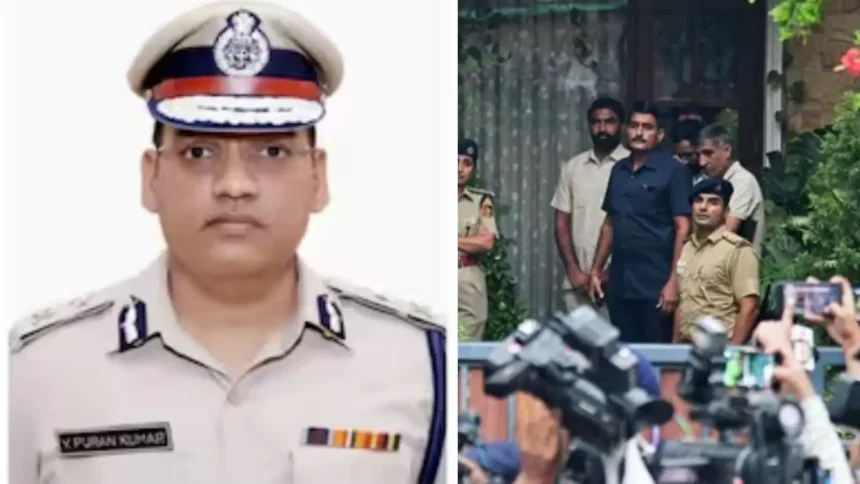
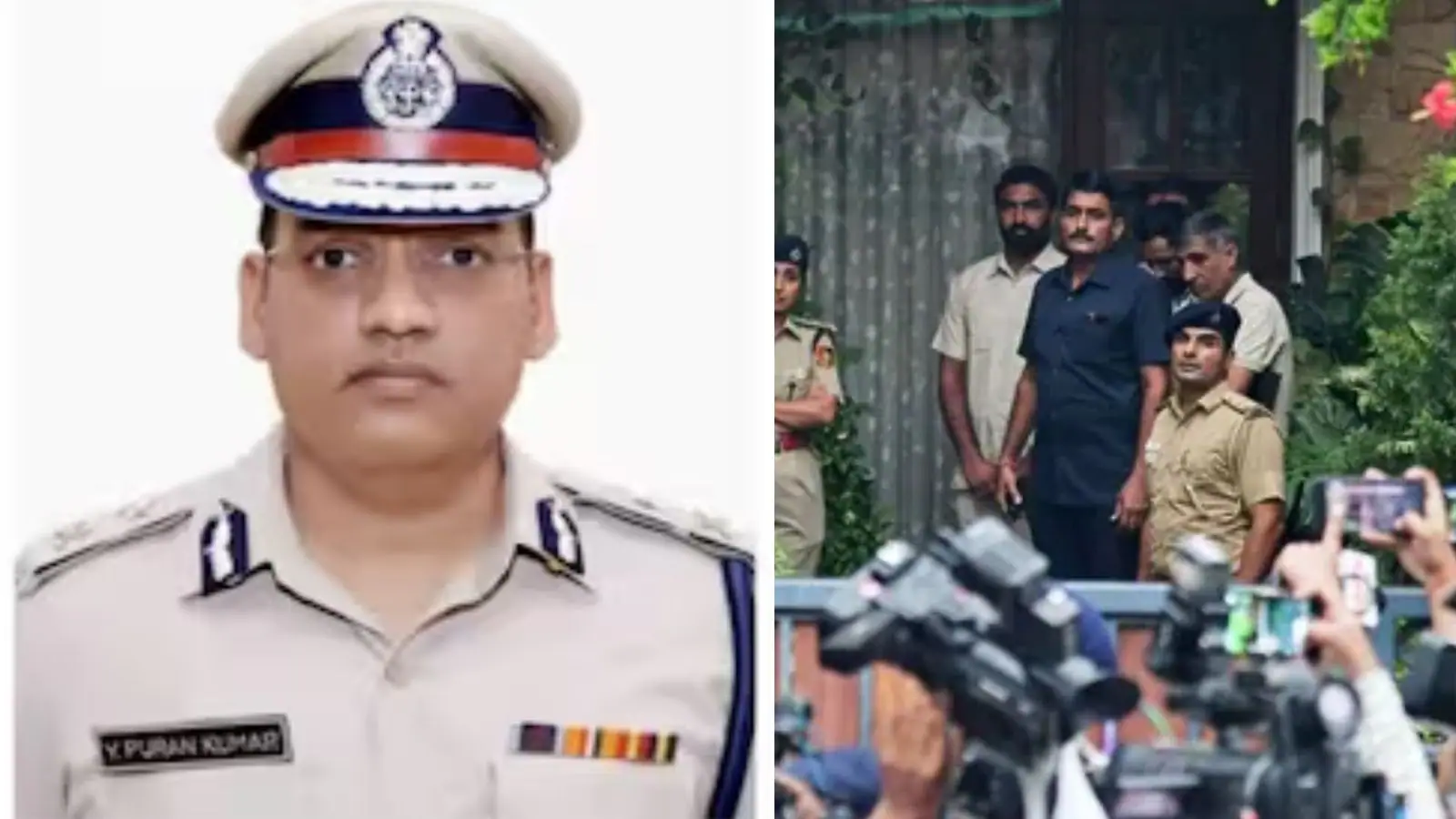
The sudden death of IPS officer Y Puran Kumar in 2025 has sent shockwaves through India’s law enforcement community and sparked a heated debate over caste bias and discrimination within the police force. Kumar, a highly respected officer, reportedly left behind a suicide note alleging harassment, humiliation, and systemic caste-based discrimination by senior officers in the department.
This tragic incident has raised urgent questions about workplace equity, accountability, and mental health support within India’s law enforcement institutions. The suicide note, made public in parts by news agencies, directly names several senior officers, claiming they were responsible for his repeated humiliation and marginalization.
1. Who Was Y Puran Kumar?
Y Puran Kumar was an Indian Police Service (IPS) officer known for his dedication and integrity. He served in multiple states and earned accolades for tackling organized crime, improving public safety, and mentoring junior officers.
Kumar was widely regarded as diligent and professional, often working in challenging conditions in law and order management, investigation units, and administrative responsibilities. Colleagues describe him as disciplined, committed to justice, and unwilling to compromise on ethics.
2. The Suicide Note: Allegations of Caste Bias
The suicide note left by Kumar reportedly details several incidents of harassment, discrimination, and professional marginalization, allegedly perpetrated due to his caste. Key points from the note include:
-
Repeated Humiliation: Kumar alleged that senior officers consistently humiliated him in official meetings and communications.
-
Denial of Promotions: He claimed that despite his exemplary service record, he was bypassed for promotions and key assignments.
-
Professional Isolation: Kumar wrote about being deliberately excluded from critical assignments, meetings, and decision-making processes.
-
Psychological Trauma: The note highlighted how persistent discrimination affected his mental health, creating an environment of stress, fear, and despair.
The note names senior officers, suggesting a systemic problem rather than isolated incidents. It raises questions about accountability mechanisms within the police force and the culture that allows discrimination to persist.
3. Immediate Reactions from Authorities
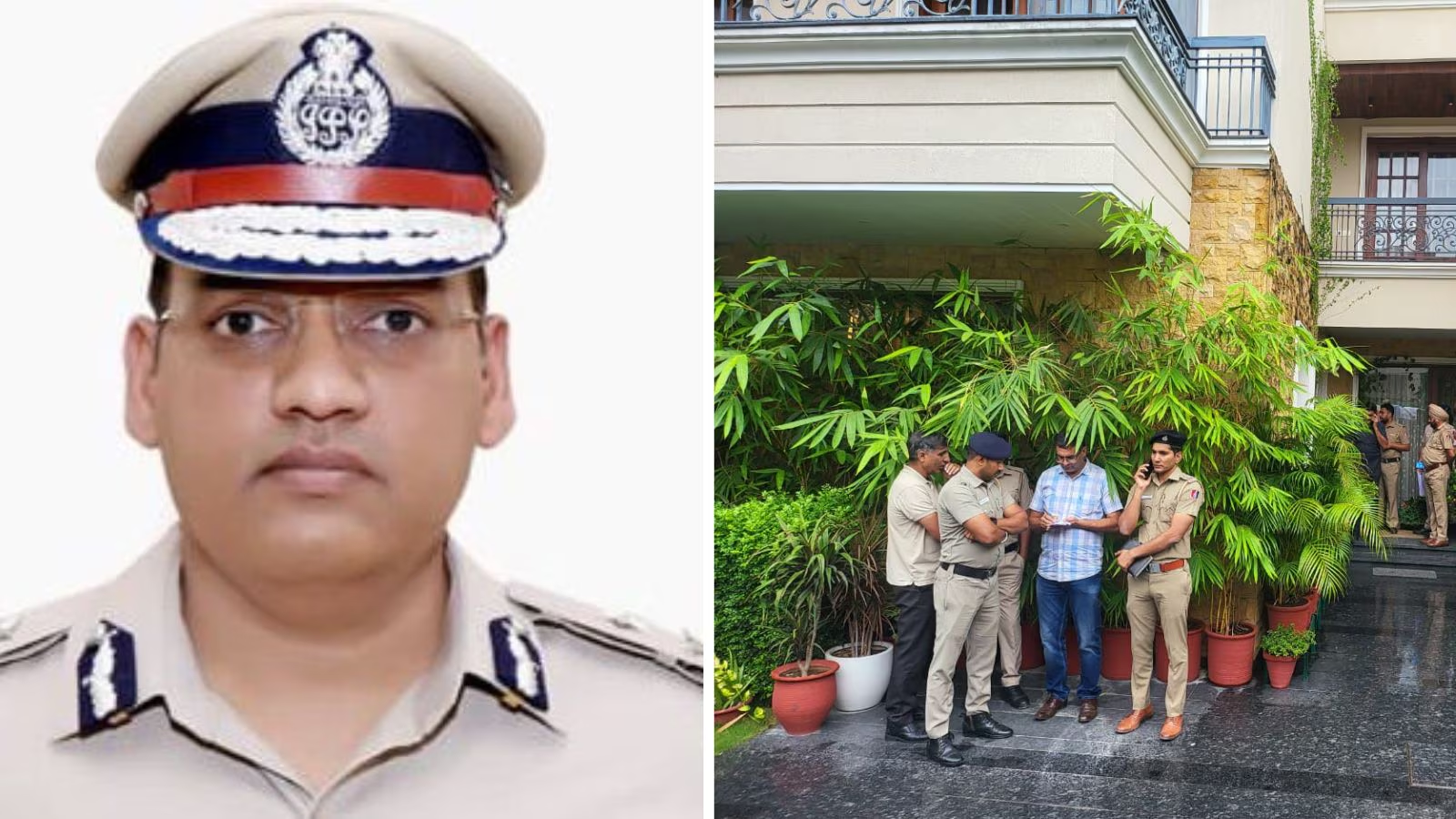
The shocking revelation prompted immediate reactions from:
-
State Police Department: Expressed grief and initiated an internal inquiry into the allegations.
-
Union and Police Associations: Called for a transparent investigation and reforms to prevent harassment in law enforcement.
-
Human Rights and Caste Equity Activists: Demanded a thorough probe into caste-based discrimination in policing and a review of mental health support systems.
Authorities have reportedly formed a special investigation team (SIT) to verify the claims made in Kumar’s note and identify lapses in the department.
4. Caste Bias in India’s Police Force: A Broader Issue
Kumar’s suicide has reignited discussions about the structural challenges and caste dynamics in Indian law enforcement. Historically, certain communities have been underrepresented in the IPS cadre, while hierarchical structures have occasionally fostered discriminatory practices.
Scholars and activists argue that:
-
Promotions and postings sometimes reflect caste or political affiliations rather than merit.
-
Subtle biases, including exclusion from decision-making or undervaluation of achievements, persist in bureaucracies.
-
Mental health issues among officers are often ignored, particularly when harassment is linked to caste or gender.
This case has highlighted that systemic reforms are essential to ensure equity, inclusion, and accountability.
5. Mental Health Concerns in Policing
The suicide of an IPS officer draws attention to the mental health crisis in law enforcement. Officers often face high-stress situations, long hours, and pressure from both political and bureaucratic hierarchies.
According to studies:
-
Indian police officers are at increased risk of depression, anxiety, and PTSD.
-
Stigma around seeking psychological support prevents officers from accessing counseling services.
-
Incidents of harassment, discrimination, and workplace bullying exacerbate mental health challenges.
Kumar’s note indicates that a lack of institutional support contributed to his decision to take his life, underscoring the urgent need for mental health reforms in policing.
6. Public and Political Reactions
The incident has sparked national outrage:
-
Public Protests: Caste rights activists and civil society groups staged demonstrations demanding justice and accountability.
-
Political Debate: Legislators called for a parliamentary review of police recruitment, promotion, and grievance redressal processes.
-
Media Coverage: News outlets extensively covered the suicide note, highlighting systemic issues in law enforcement institutions.
Many commentators see this case as a wake-up call to confront institutional discrimination and implement reforms that protect officers’ dignity and mental well-being.
7. Legal and Administrative Proceedings
Following the public attention, authorities initiated multiple actions:
-
Internal Inquiry: Conducted by the Director General of Police (DGP) to verify the claims of harassment and caste bias.
-
Judicial Oversight: Some human rights groups are pushing for a judicial commission to ensure impartiality in the investigation.
-
Accountability Measures: The police department has promised disciplinary action if allegations against senior officers are verified.
The investigation aims to identify systemic flaws and recommend policy reforms to prevent recurrence.
8. Workplace Reforms in Law Enforcement
The Y Puran Kumar case has highlighted several areas for improvement:
-
Transparent Promotion Mechanisms: Ensuring that performance, not caste or favoritism, determines career progression.
-
Harassment Redressal Cells: Independent, confidential units to handle complaints of bias or workplace abuse.
-
Mentorship Programs: Experienced officers can guide younger colleagues and protect them from discrimination.
-
Mental Health Support: Counseling services, helplines, and stress management workshops tailored for police personnel.
-
Training Programs: Sensitization sessions on diversity, inclusion, and anti-discrimination policies.
Implementing these reforms can restore trust and morale among officers.
9. Social Media and Public Discourse
Social media has played a crucial role in bringing the issue to the forefront:
-
Trending Hashtags: Calls for justice for Kumar and scrutiny of caste bias within IPS circulated widely.
-
Expert Analysis: Criminologists, legal experts, and psychologists weighed in on the systemic challenges.
-
Awareness Campaigns: Civil society organizations emphasized the importance of mental health support and workplace equality.
The digital discourse ensures that policymakers and authorities remain accountable to the public.
10. Broader Implications for Indian Bureaucracy
The tragic case has broader implications beyond policing:
-
Merit vs. Bias: It highlights the tension between merit-based performance and systemic bias in India’s bureaucratic institutions.
-
Mental Health Policies: Calls for institutionalized mental health services are gaining momentum across government departments.
-
Legal Precedent: The investigation may set a benchmark for handling allegations of caste-based discrimination in government workplaces.
Experts believe that this incident could catalyze reforms not just in police forces, but across all central and state government services.