

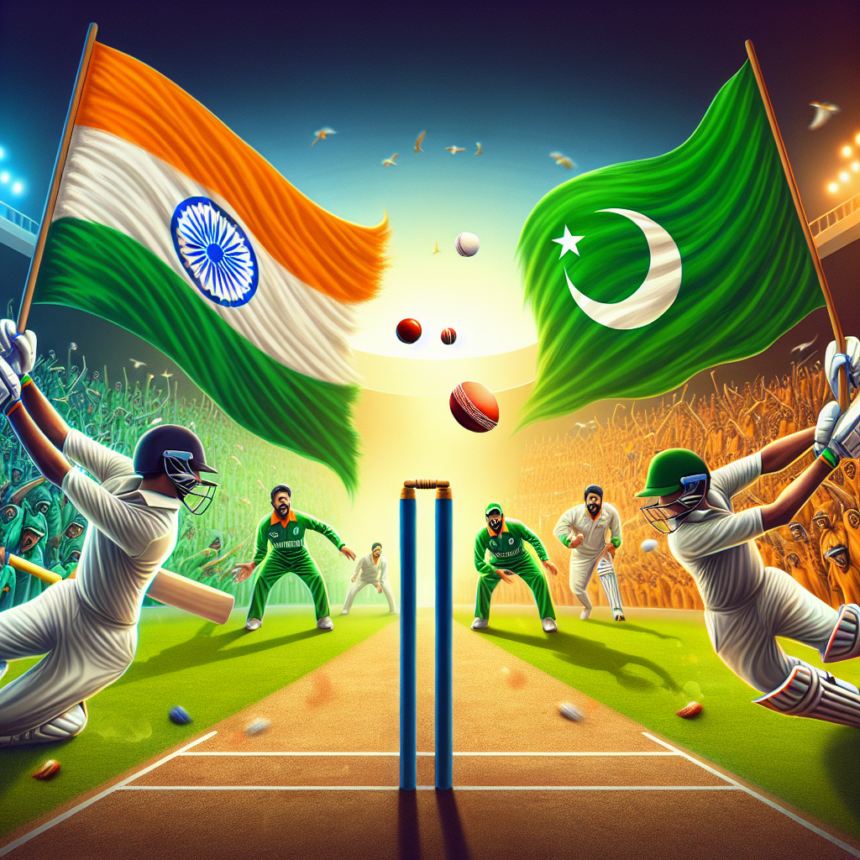
India’s victory over Pakistan in the Asia Cup is not just another win in a long and storied cricketing rivalry; it is a symbolic moment that highlights the depth, determination, and direction of Indian cricket’s future. Whenever India and Pakistan face each other on the cricket field, it goes beyond the boundaries of sport—it becomes an occasion of national pride, an emotional spectacle that carries with it decades of history, passion, and expectations. The latest triumph over Pakistan in the Asia Cup has therefore sparked discussions not only about the strategies and performances in that particular match but also about what it represents for the long-term trajectory of Indian cricket. For a country where cricket is more than just a game, such victories act as milestones that shape the morale of the team, the confidence of young players, the vision of selectors, and the expectations of millions of fans. This victory is a signal of how India’s cricketing structure, talent pool, and leadership are preparing the nation for an even brighter future on the world stage.
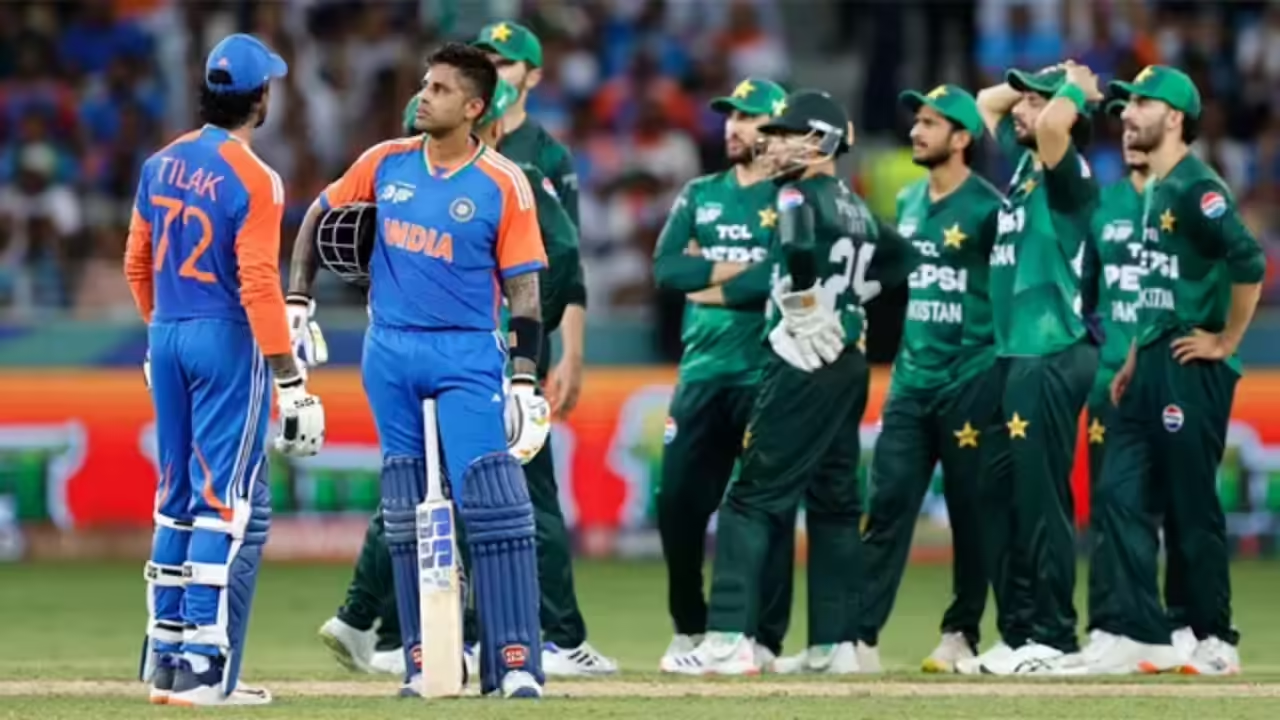
One of the most striking takeaways from India’s win over Pakistan is the performance of young and emerging players who showcased their ability to handle the pressure of a high-stakes game. India’s cricketing system has been nurturing young talent through domestic leagues like the Ranji Trophy and platforms such as the Indian Premier League (IPL). These tournaments have consistently produced cricketers who not only bring skill but also temperament to the national team. The Asia Cup match against Pakistan proved that the next generation is ready to carry the weight of expectations. Whether it was young batsmen showing maturity against world-class pace bowling or bowlers holding their nerve under pressure, the victory underscored the fact that India’s cricketing future is in safe hands. The ability of youngsters to step up in a marquee clash suggests that India’s talent pipeline is strong enough to replace legends and sustain excellence.
Equally important in this victory was the role of experienced players who blended their maturity with the energy of the youngsters. In modern cricket, where the formats of T20, ODI, and Test require different mindsets, the balance between youth and experience becomes crucial. Veterans in the Indian team not only contributed with their own performances but also guided the younger cricketers through tense moments. This victory against Pakistan illustrated how experience and fresh talent can work in harmony to achieve big results. For India’s cricket future, this balance is critical—ensuring that while the team transitions over time, it does not lose competitiveness. Players with years of international exposure act as mentors, and their presence accelerates the growth of newcomers. The victory in the Asia Cup thus showed that India is building a cricket culture where continuity and transition can coexist smoothly.
The success over Pakistan also highlighted India’s growing dominance in terms of bowling depth, something that had often been seen as a
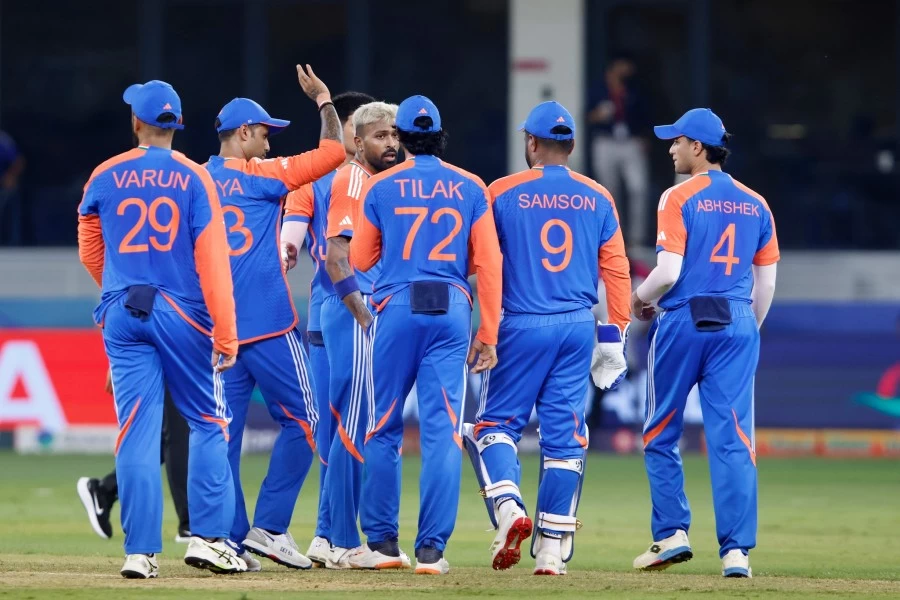
weakness in the past. Traditionally, India was considered a batting powerhouse, but doubts often surrounded its ability to produce world-class bowlers who could win matches consistently. In recent years, however, Indian fast bowlers and spinners have developed into match-winners, capable of turning games in all conditions. In the Asia Cup match, India’s bowling attack did not crumble under pressure but instead rose to the occasion, dismantling Pakistan’s batting line-up with precision. This shift signals a new era where India is no longer dependent on batting alone; instead, the team is equally strong in bowling, making it one of the most balanced sides in world cricket. The victory is a reassurance that in future tournaments, India can rely on a complete team performance rather than banking solely on a few batting stars.
Another critical takeaway from India’s win is the emphasis on fitness, fielding, and professionalism that has transformed the team into a modern unit. Gone are the days when India was criticized for poor fielding standards compared to countries like Australia or South Africa. In the Asia Cup clash against Pakistan, the Indian fielders displayed sharp reflexes, commitment, and athleticism, saving crucial runs and converting half-chances into wickets. This improvement reflects the professional culture that has been instilled into Indian cricket through systematic training, better infrastructure, and the guidance of fitness coaches. For India’s cricket future, this means the country is not just producing technically skilled players but also well-rounded athletes who can match the intensity of global cricket standards. Fielding and fitness are areas that often determine the difference between victory and defeat in tight games, and India’s win proved that these aspects are being taken seriously and will remain a cornerstone in the years ahead.
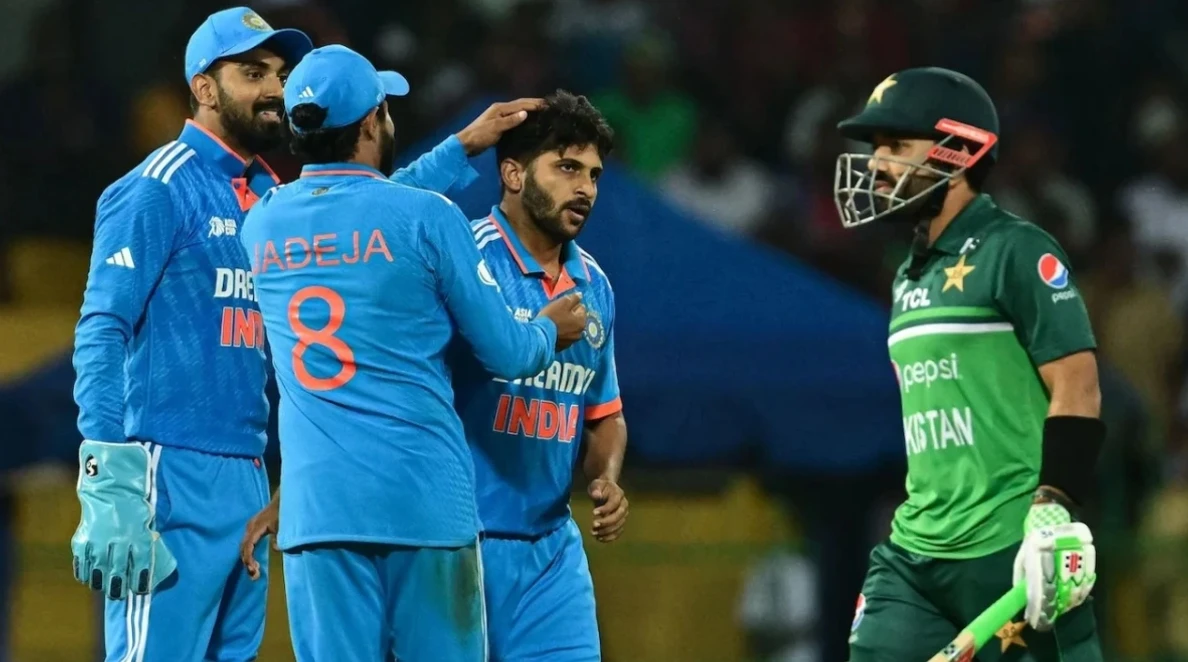
Psychologically, defeating Pakistan in the Asia Cup also boosts the confidence of the Indian team ahead of bigger tournaments like the ICC World Cup and ICC Champions Trophy. Victories in high-pressure encounters instill belief in players that they can thrive on the world stage against any opposition. For the Indian cricket fanbase, a win against Pakistan carries a special emotional weight, and this energy translates into greater support for the team in upcoming competitions. For the players, handling the pressure of such matches is like a rehearsal for global finals where millions of eyes are watching. The way India held its nerve against Pakistan assures selectors and coaches that the team is mentally resilient, which is an essential ingredient for future success.
India’s victory also points to the strength of its domestic cricketing structure and grassroots development. Unlike many other cricketing nations, India has a vast network of academies, state-level competitions, and junior tournaments that feed talent into the senior team. The Asia Cup victory showed how these systems are bearing fruit. Players coming into the team are not only technically equipped but also mentally groomed to handle pressure. The exposure they gain from IPL matches against international stars has prepared them for battles like the India-Pakistan clash. For the future, this ensures that the bench strength of Indian cricket remains unmatched, with ready replacements available for every position. This depth means that injuries or retirements will not cripple the team, and India can continue to field world-class sides across formats.
Beyond the cricketing aspects, India’s win over Pakistan carries broader cultural and emotional significance that will shape the sport’s future in the country. Every time India wins against Pakistan, especially in a multi-nation tournament, it ignites national pride and reinforces cricket’s role as a unifying force. Young fans watching such matches get inspired to take up the sport, increasing the participation base. With millions of children in India aspiring to become cricketers, victories like this act as powerful motivators, ensuring that cricket continues to attract talent from every corner of the country. This constant inflow of new talent is one of the reasons why India’s cricket future remains secure. The Asia Cup win thus plays a role not just in the present but also in inspiring the next generation of cricketers who will carry the flag forward.
Economically too, this victory has implications for Indian cricket’s future. Cricket in India is not just a sport; it is an industry that supports broadcasting, sponsorships, merchandising, and tourism. Wins against rivals like Pakistan increase viewership ratings, attract bigger sponsorships, and generate more revenue for the cricketing ecosystem. This revenue is reinvested into infrastructure, grassroots programs, and player development. Therefore, a single win of this magnitude has ripple effects that strengthen the financial backbone of Indian cricket. For the future, this ensures sustained investment into facilities, academies, and player welfare, creating an environment where excellence can thrive.