
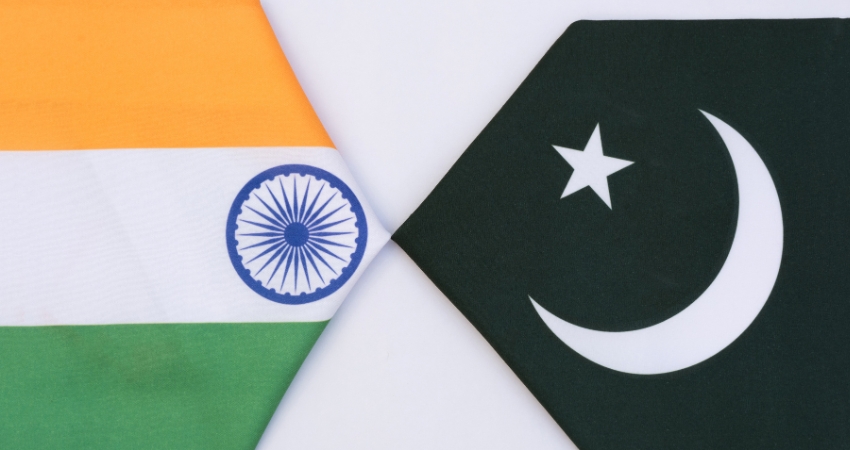
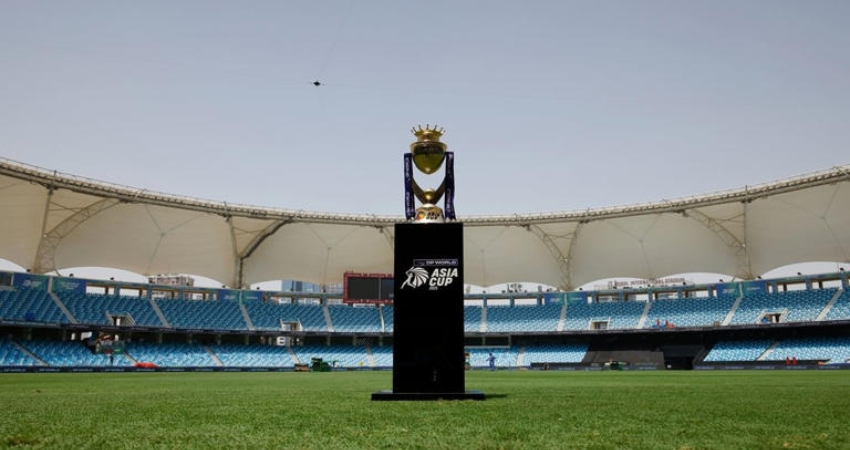
Few sporting rivalries in the world match the intensity of India vs Pakistan cricket matches. The Asia Cup 2025, however, was not just another cricketing event; it turned into a flashpoint of politics, national sentiment, and international relations. Beyond cricket, the controversy reveals much about India’s domestic affairs, foreign policy posture, and the nation’s collective consciousness.
The Asia Cup Clash: Why This Match Matters Beyond Cricket
The India-Pakistan rivalry has always been about more than just bat and ball. Since partition in 1947, the two nations have carried historical wounds, wars, and political differences. Cricket has often become the symbolic battleground where emotions run high.
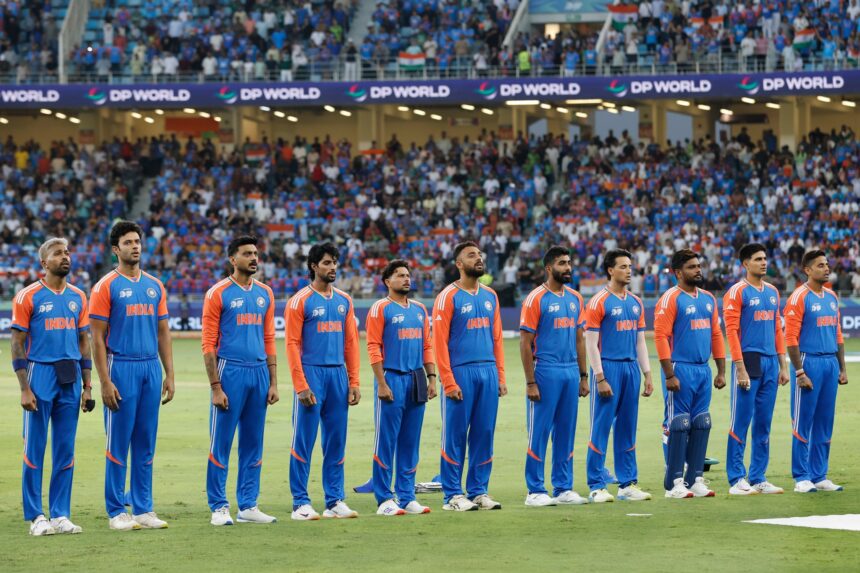
But in September 2025, things reached a new dimension. The Pahalgam terror attacks cast a shadow on the Asia Cup match in Dubai.
Empty stands, boycott calls on social media, and India’s refusal of the customary handshake after the match all made global headlines.
Key Facts:
- India won the Asia Cup group-stage match but dedicated the victory to terror attack victims.
- Indian cricketers avoided the traditional post-match handshake, citing respect for national mourning.
- Attendance was unusually low—rare for an India-Pakistan clash.
This event has since evolved from a sports headline into a national debate.
Historical Context: India-Pakistan Cricket and National Policy
To understand the gravity of the controversy, one must look at the history of cricket diplomacy:
- 1978: Cricketing ties resumed after the 1965 and 1971 wars, symbolizing attempts at peace.
- 1987: India hosted Pakistan despite tensions, with cricket seen as a bridge for dialogue.
- 1999 Kargil War: Cricket matches were halted as diplomatic relations froze.
- 2004: India toured Pakistan in what was hailed as a cricket-led peace initiative.
- 2008 Mumbai Attacks: Cricketing ties were again suspended due to national security concerns.
The Asia Cup 2025 controversy is just the latest chapter, showing how national affairs and sports diplomacy remain deeply intertwined.
The Government’s Position: Policy Meets Public Sentiment
The Indian government’s policies have always treated cricket with Pakistan as more than just sport. After the Pahalgam attacks, leaders across parties called for firm action. The Ministry of External Affairs stopped short of calling for a complete boycott but supported players’ emotional response.
Recent Government Responses:
- Home Ministry: Highlighted the need for resilience and unity against terrorism.
- Sports Ministry: Defended the players’ stand, calling it a show of solidarity with victims.
- External Affairs Ministry: Balanced international diplomacy with strong national messaging.
This reflects how the government often uses cricket as a soft power tool while aligning it with broader national security and foreign policy concerns.
Social Media & Citizen Response: The Pulse of the Nation
Social media amplified the controversy. Hashtags like #BoycottPakistanCricket, #AsiaCup2025, and #StandWithIndia trended across Twitter (X), Instagram, and Facebook. For many citizens, cricket became a way of expressing patriotism.
Real-Life Stories:
- A family in Punjab shared a viral video refusing to watch the match, stating: “How can we cheer cricket when our soldiers are martyred?”
- University students in Delhi organized a screening where they observed two minutes of silence before watching the match.
Such moments reflect how cricket controversies resonate deeply within the national psyche.
Economic and Developmental Impacts of Sports Boycotts
Cricket is not just a game; it is also an economic driver. Media rights, advertisements, tourism, and hospitality industries are heavily impacted.
Key Data (NITI Aayog & Industry Reports):
- India’s sports economy contributes nearly ₹1,000 crore annually through broadcasting rights alone.
- India-Pakistan matches generate up to 4x higher ad revenue compared to other fixtures.
- Boycotts or reduced attendance impact the GDP-linked sports ecosystem.
Thus, national affairs linked to cricket have ripple effects across India’s economic development.
International Reactions: Cricket as Soft Diplomacy
Globally, the Asia Cup controversy attracted attention. International media highlighted India’s unique stance of solidarity with victims. While some saw it as politicization of sport, others framed it as a legitimate national policy-driven response.
- UK Media: Called it “India’s emotional stand.”
- Pakistani Outlets: Criticized the gesture as “sporting arrogance.”
- Global Analysts: Noted that cricket, once a bridge, is now a frontline of diplomatic signaling.
Looking Ahead: What This Means for India’s National Development
The Asia Cup controversy is not just about cricket. It reflects India’s broader journey of balancing security, diplomacy, and national growth.
Forward-Looking Insights:
- Policy Integration: Sports policy will continue to align with foreign and security policies.
- Public Diplomacy: National sentiment will shape government stances on international sporting events.
- Developmental Vision: The controversy highlights the need for investing in sports infrastructure to boost domestic leagues, reducing dependency on international tournaments for economic returns.
Key Takeaways for Readers
- Understand the Context: Cricket controversies reflect deeper national issues.
- Stay Informed: Track government policy updates on national security and sports diplomacy.
- Adapt Your Perspective: Recognize that sports in India are not just entertainment but part of national development.
For more India news, national affairs, and latest updates, subscribe to our newsletter. Stay ahead with insights into how government policy and national development shape the nation’s future.