Saturday, 4 Jul 2026

Exclusive insights, data, and analysis for financial market experts.

Explore Now
The Vue Times
  • TVT +
  • India / National
  • Latest
  • Daily News
  • Business & Economy
  • India News
  • General Awareness
  • Viral / Trending Now
  • Politics
The Vue TimesThe Vue Times
Font ResizerAa
  • Home
  • Blog
  • Contact
Search
  • Home
  • Blog
  • Contact
Follow US
Science & TechWorld / International

All About Nuclear Weapons (Parmanu)

Ishita Gupta
Last updated: June 29, 2026 12:43 pm
Ishita Gupta
Share
4 Min Read
SHARE

How They Work, Their History, Impact, and India’s Nuclear Policy
Nuclear weapons, also known as Parmanu Bombs, are the most powerful weapons ever
created by humans. They have the power to destroy entire cities within seconds. While they are meant to protect countries, they also bring fear and responsibility. In this post, we’ll explain what nuclear weapons are, how they work, their history, impact, and India’s policy around them — all in simple language.

Contents
What Are Nuclear Weapons?How Do Nuclear Weapons Work?Brief History of Nuclear WeaponsImpact of Nuclear WeaponsIndia’s Nuclear JourneyWhy Nuclear Weapons Still MatterIn Simple Words…

What Are Nuclear Weapons?

Nuclear weapons are bombs that release huge amounts of energy through a process called
nuclear reaction. This energy comes from splitting atoms (called fission) or combining them
(called fusion).

These reactions are millions of times more powerful than regular explosives like TNT. That’s
why even a small nuclear bomb can cause massive destruction.

How Do Nuclear Weapons Work?

There are two main types:

  1. Atomic Bomb (Fission Bomb)
    • Splits heavy atoms like uranium or plutonium
    • Releases massive energy and heat
    • Example: Bombs dropped on Hiroshima and Nagasaki in World War II
  2. Hydrogen Bomb (Fusion Bomb)
    • Fuses light atoms like hydrogen under extreme heat
    • Much more powerful than atomic bombs
    • Uses an atomic bomb to start the fusion process

Both create:

  • Intense heat and fireball
  • Deadly radiation
  • Powerful shockwaves
  • Radioactive fallout

Brief History of Nuclear Weapons

  • 1945: The United States used nuclear weapons for the first time on Hiroshima and
    Nagasaki, Japan. Over 200,000 people died.
  • Cold War (1947–1991): The US and the Soviet Union built thousands of nukes. The
    world feared a nuclear war.
  • 1960s–Present: Other countries like the UK, France, China, India, Pakistan, and North
    Korea developed nuclear weapons.
  • Global Treaties: To prevent the spread, the Nuclear Non-Proliferation Treaty (NPT) was
    signed by many countries.

Impact of Nuclear Weapons
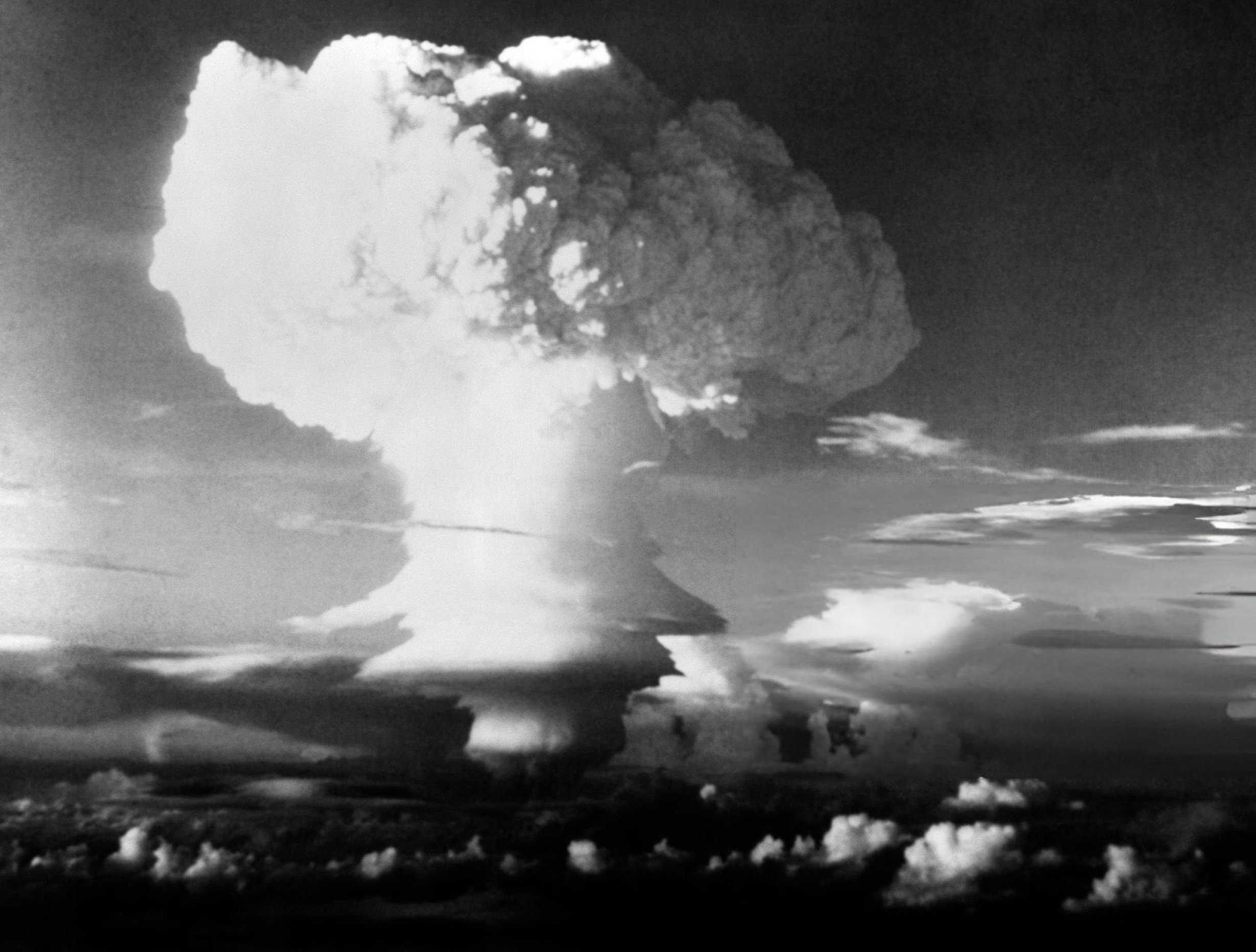
Immediate Effects:

  • Destruction of everything within kilometers
  • Fires and shockwaves
  • Thousands of deaths in seconds

Long-Term Effects:

  • Radiation causes cancer, birth defects, and illness
  • Radioactive dust (fallout) can affect air, water, and food
  • Land becomes unlivable for years
  • Global climate can change (nuclear winter)

India’s Nuclear Journey

India became a nuclear power in 1974 after conducting its first nuclear test, named “Smiling Buddha”, in Pokhran, Rajasthan. In 1998, India carried out more tests under Operation Shakti, confirming its nuclear capability.
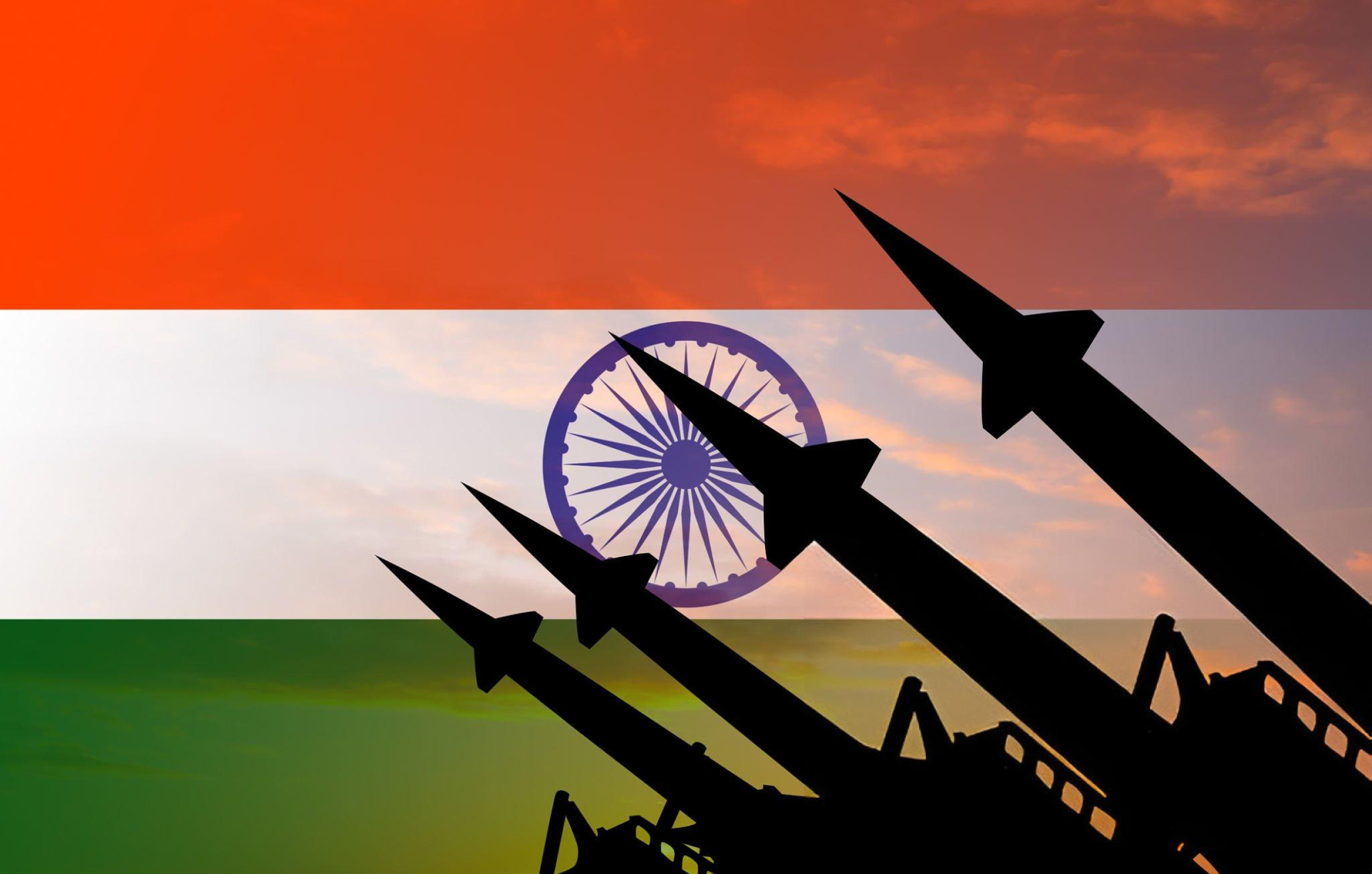
India’s Nuclear Policy:

  • No First Use (NFU): India promises it will never use nuclear weapons first, but will
    respond strongly if attacked.
  • Credible Minimum Deterrence: India keeps only enough nuclear weapons to defend
    itself, not to attack others.
  • Strict Control: India has systems in place to prevent misuse and ensure safety of its
    nuclear weapons.

More Read

Record-breaking floral mandap at Udaipur wedding decorated with millions of marigolds and jasmine flowers
The Indian Wedding That Broke 5 Guinness World Records
Sushila Karki Has India Connection: 5 Facts About Gen Z Pick for Nepal Interim Prime Minister
How Radar Works in War – Simple Explanation of Radar Technology in Modern Warfare
Netanyahu Appeals to Red Cross Amid ‘Profound Shock’ Over Gaza Hostage Videos: A Deep Dive Into the Crisis
PM Modi Pens Foreword for Giorgia Meloni’s Memoir

Why Nuclear Weapons Still Matter

Nuclear weapons are often seen as a deterrent, meaning they prevent enemies from attacking. Countries keep them for defense, not attack. However, the world hopes for peace and disarmament, where fewer nations rely on such dangerous weapons.

In Simple Words…

  • Nuclear weapons are powerful bombs that can destroy cities.
  • They have been used only twice in history, but they continue to shape world politics.
  • India is a responsible nuclear power with a peaceful policy.
  • The goal for the world should be safety, control, and eventually, a future without nuclear
    war.

You Might Also Like

With 200,000 Jobs at Stake, Industry Bodies Urge Amit Shah to Rethink Online Gaming Ban
Ethics of AI and Why India Needs Regulation
G20 Explained: Structure, Objectives, and Relevance
Inside India’s Bullet Train Mission: Speed Meets Nation-Building
US Denies Reports of Missile Sale to Pakistan
TAGGED:Atomic Bomb ScienceGlobal DisarmamentIndia DefenceNuclear TreatiesNuclear WeaponsParmanuRadiation ImpactThermonuclear TechnologyWMDsWorld War Threats
Share This Article
Facebook Copy Link Print
3kFollowersLike
5kFollowersFollow
2kFollowersFollow
4.2kSubscribersSubscribe
WhatsAppFollow
2.5kFollowersFollow
Most Read

Another Strike on Pakistan: India to Stop Water Flow from Afghanistan, Allies with Taliban?

India Lands on the Moon – Chandrayaan-3 Makes History

India is Free! – The Night the British Raj Ended (August 15, 1947)

Mukesh Ambani Meets Donald Trump and Qatar Emir in Doha

Bumrah’s Test Captaincy in Doubt After Gill–Gambhir Meet

You Might Also Like

Crime & Law

What Will Happen If Pakistan Strikes with a Nuclear Weapon?

July 3, 2026
Prime Minister Narendra Modi and Chinese President Xi Jinping meet at SCO Summit 2025 in Tianjin to discuss India–China relations
Daily News

PM Modi in China for SCO Summit: High-Stakes Diplomacy Amid U.S. Tariff Pressure and Regional Challenges

June 29, 2026
Global adoption of yoga representing India’s soft power and wellness influence
Business & Economy

Soft Power India Meaning: Global Influence Explained

July 3, 2026
Nepal Gen Z Protests 2025: Social Media Ban & Deadly Clashes
Daily News

Nepal Gen Z Protests 2025: Social Media Ban & Deadly Clashes

June 29, 2026
The Vue Times

About US

The Vue Times is a modern digital news platform dedicated to delivering accurate, timely, and insightful coverage of the stories that matter. From breaking news and business updates to technology, lifestyle, entertainment, and global affairs, we strive to keep our readers informed with credible journalism and balanced perspectives.

Top Categories
  • Bollywood
  • Business & Economy
  • Crime & Law
  • Daily News
  • Education & Career
  • Entertainment
  • Health & Wellness
  • India / National
Usefull Links
  • Home
  • Blog
  • Contact
  • Privacy Policy
  • Cookie Policy
Pune Rape-Murder Case
Crime & Law

Pune Rape-Murder Case Shocks India: Death in 55 Days

Read More
Maharashtra TET Paper Leak
Education & Career

Maharashtra TET Paper Leak Shocks 6 Lakh Aspirants

Read More

© The Vue Times. All Rights Reserved.

Welcome Back!

Sign in to your account

Username or Email Address
Password

Lost your password?