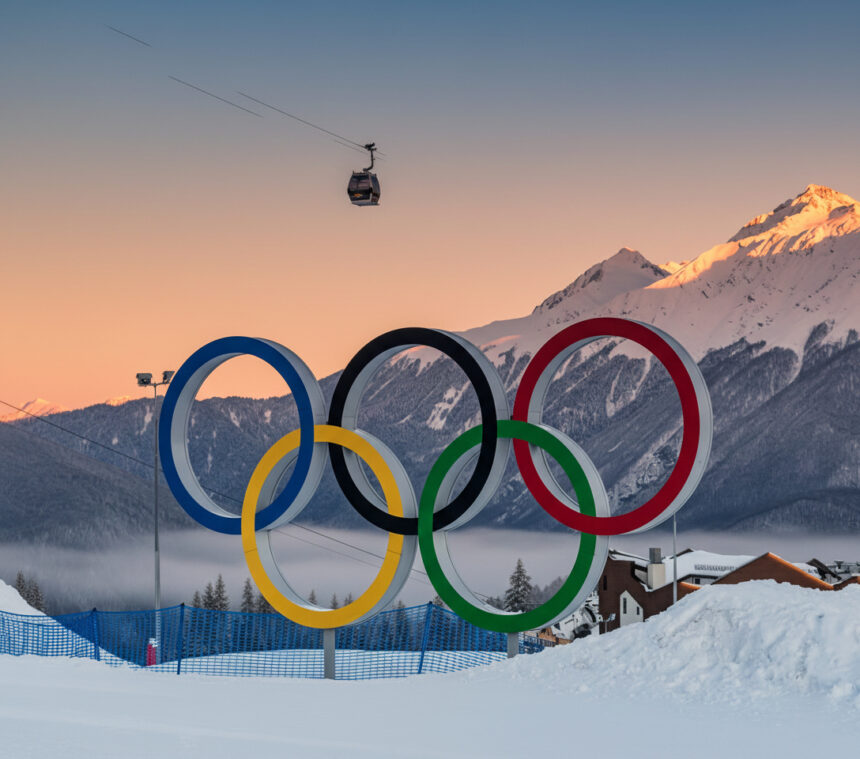
As the Winter Olympics are currently taking place, it has become a hot topic of discussion everywhere. In this discussion, a common question comes to mind: what is the selection process of this major event in India. How does any athlete participate in the Winter Olympics as an Indian? What type of games are included in it, and what is the official selection and qualification process? In this article we will understand about the complete selection process, training Systems in India to qualify for Winter Olympics and more. As we know winter season is limited in India so how do athletes practice, how does the government support these athletes? This article also explains how Indian athletes manage to compete on an international platform through a performance based training system.
The Winter Olympics is not only a sporting event to millions of Indians, in particular, the students who are about to appear in government exams, aspiring sports persons and those who are fans of current affairs. It is the tale of geography against determination, resources against oneness of the world, and people against the odds in a nation where winter sports facilities are in their infancy.
In contrast to other parts of Europe, North America, or East Asia, there is no snow fall, frozen lakes, and winter seasons in India. Nevertheless, Indian sportsmen have appeared in the Olympic arenas carrying skis, skates and sleds and the tricolor in their hands in one of the most challenging sport events in the globe. They do not happen to go on this path by chance. It is undertaken through a rigid, formal, multi-level qualification and selection system which is controlled by international agencies and Indian sporting authority.
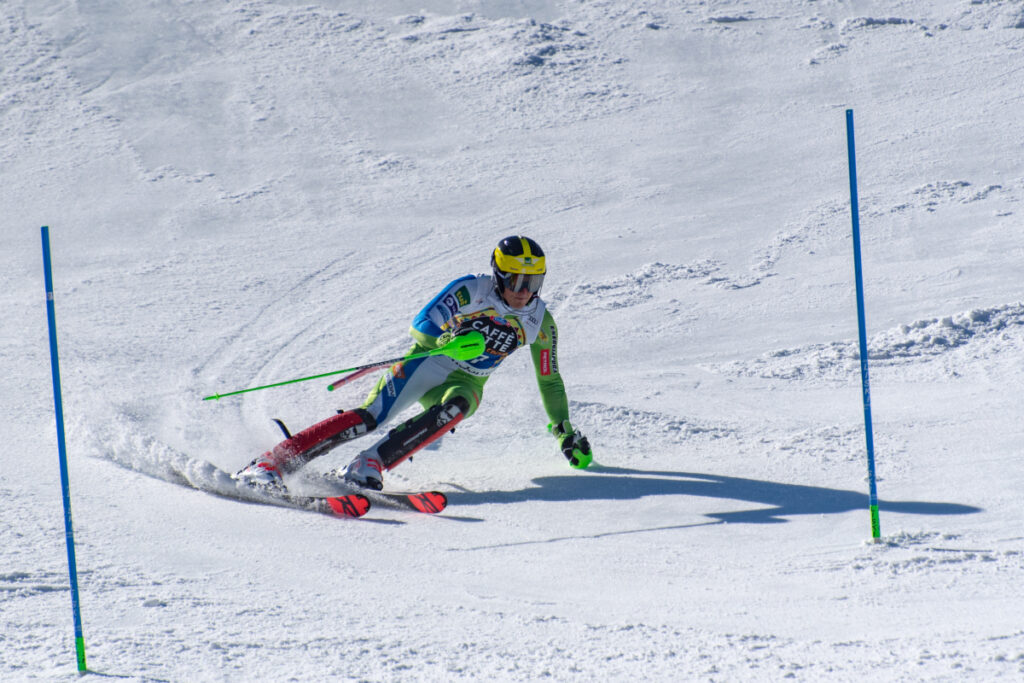
This detailed explicator disaggregates both the process by which Indian sportsmen and women can find themselves in the Winter Olympics and the degree to which they are selected, the process behind it and why the Winter Olympics is significant to the sporting future of India.

Whether an Indian in a small town of a hill, or even in a city, can dream about performing in the Winter Olympics realistically, this article will answer your question without any doubts or qualification.
What are the Winter Olympics and Why do they matter to India?
Winter Olympics constitute a multi-sport event held all over the world, with winter sports that are played on ice and snow. Some of the events are alpine skiing, cross country skiing, figure skating, speed skating, luges, bobsleigh, skeleton, ice hockey, and biathlon, among others. Under the International Olympic Committee, the competition is held every four years.
The Winter Olympics are strategic and symbolic to India. Symbolically, it means being a part of an international sports culture that is dominated by cold-climate countries. As a strategic representation, it points to the long term sports development objectives of India, especially the move by the government that India had to diversify the sporting achievements of India beyond the traditional sports.
The involvement of India in the Winter Olympics is an indication of more wide-ranging policy changes too. According to government reports by sports authorities, there is a constant need to discover the talent in the Himalayan area, invest in the winter sports educational institutions and include sports in the education and youth development programs. Although the awarding of a medal will be difficult, at least, having participated is an indicator of improvement.
The brief history of India and the Winter Olympics.
The Olympics experience in India has been a humble one. The first Indian athletes in the Winter Olympics started in 1964. Later the only Indian representation has been in the form of small delegations, usually a single or two sportsmen in alpine skiing, cross-country skiing, or luge.

Majority of Indian winter Olympians have all been basing their location in Jammu and Kashmir, Himachal Pradesh, Uttarakhand and some areas of the Northeast whereby there is a natural snowfall. Nevertheless, infrastructure issues are still a problem in these regions.
In the past decades, the problems that India has dealt with include:
- Inadequate training facilities of international standards.
- Little experience of international competitions.
- Funding constraints
- Administrative and challenge on federation level.
Even with these challenges, the Indian athletes have still managed to gain international ranking points and qualification events and that is why there is a way to go though the road may be very small.

Skiing in India: Geography, Potential and Limitations.
The geography of India is both a weakness and an asset. Most of the country is covered with tropical / subtropical weather zones whereas the Himalayan region is naturally covered with winter sports weather conditions.
The most important deal winter sport in India:
- Gulmarg in Jammu and Kashmir
- Auli in Uttarakhand
- Kufri and Narkanda Himachal Pradesh.
- The regions include Arunachal Pradesh and Sikkim.
These regions have found their way to various policy deliberations as prospective winter sports centers. Nonetheless, winter sports also demand not only snow, but also regular training periods, safety facilities, training experience and exposure at the international levels.
This is the reason why most of the Indian athletes who have dreamt of participating in the winter Olympics are forced to have extensive periods of training in foreign countries especially in Europe or even Central Asia.
Who controls the process of selection of the Winter Olympics winter in India?
It starts with the knowledge of governance to understand the official process. The process of selection of the Winter Olympics of India is not an informal one. It is ruled by a union of international and national organizations.
On the international level, there is an international federation that governs every winter sport. These federations provide standards of qualification, ranking, and standards of eligibility.
The Indian Olympic Association at the national level is the body that sends Indian contingents to the Olympics. With the IOA, winter sports national sports federations also are a major contributor in identifying athletes, trials, and documentation.
One of the schemes by the Sports Authority of India is to help the athletes in training, exposure tours as well as providing funding under different government schemes.
The most important thing to be known by aspirants is as follows: India does not randomly pick up the athletes to make them compete in winter Olympics. International qualification is required of the athletes.
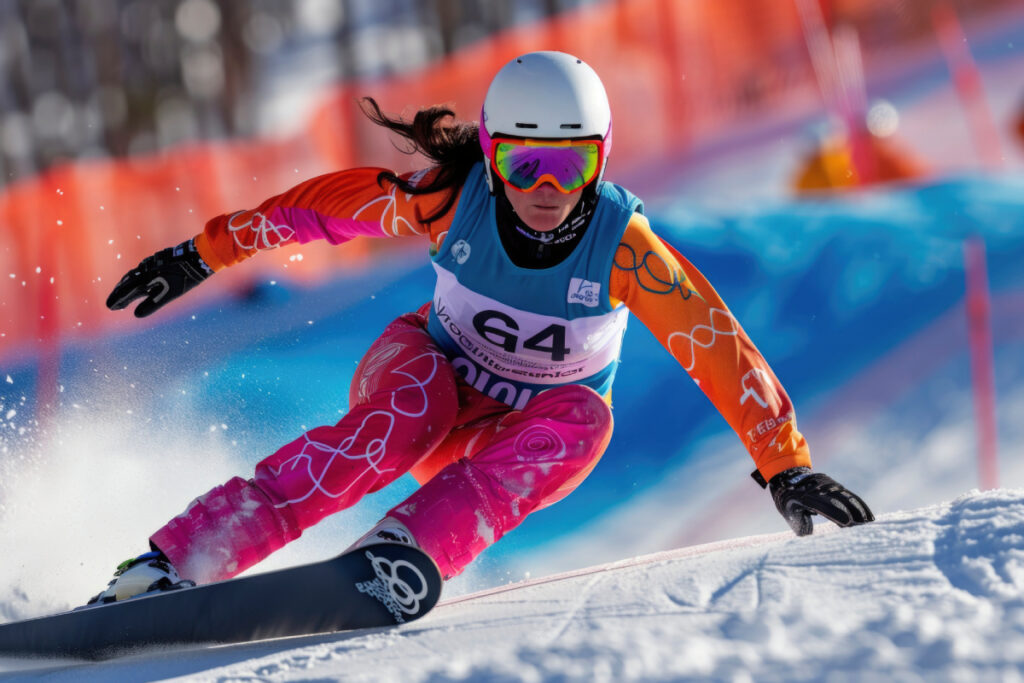
Explained simply- Winter Olympics Eligibility of Indian Athletes.
The eligibility of winter Olympics in India is one of the frequently asked questions on the internet. The criteria of eligibility are very stringent and largely similar in all countries.
An Indian athlete must:
- Hold Indian citizenship
- Age should be in line with the international federation of the sport.
- Meet minimal (that federation) qualification requirements.
- The national federation invited Be and was accepted by the Indian Olympic Association.
There is no quota-based entry. Simply because a country is developing during winter sports, there is no relaxation. Only performance is a determinant of eligibility.
How an Indian Athlete Unqualifies for the Winter Olympics.
This is the core of the process and the most misguided part in many cases. The qualification process of the winter Olympics is performance based and ranking.
The qualification of Indian athletes is based on:
- Gathering ranking points at the international contests.
- Achieving the minimum levels of performance.
- Competition in actual qualification organised in Olympic qualification time.
These are the competitions that are traditionally conducted in Europe, Asia, and North America. Athletes have to enroll, travel, play and play throughout various seasons.
As an example, in alpine skiing, the participants receive points according to race. The lower the points the better the performance. This is because only athletes with a given range of points are eligible to be considered during the Olympics.
This system has been adopted to make sure that the Olympics is a competition of athletes who have achieved international performance standards.
The Selections of Winter Olympics: Breakdown.
The levels of selection of winter Olympics can be viewed systematically.
- The first level is the grassroots identification. The athletes usually start with state contests or snowboard camping in snowy areas.
- The second level is national federation recognition. This is in addition to the athlete being a member of the respective winter sports federation in India and attending official events.
- The third level is international exposure. To gain ranking points, athletes have to fight in international competitions that are recognised by the global federation.
- Fourth level is satisfying qualification standards. This is totally on a performance basis and usually the most difficult phase.
- Fifth level is official entry and nomination. The national federation then submits the name of the athlete to the Indian Olympic Association where the final approval and entry is done on fulfillment of eligibility.
This is due to the fact that this multi-level process is both transparent and requires long term commitment by athletes.
Indian Winter Olympics Trials: Which Role do they serve?
As opposed to most sports in the country, winter olympic trials India is not a final selection event like most domestic sports. The trials and camps used in India are mostly founded to:
- Identify potential talent
- Evaluate technical preparedness and fitness.
- Make athletes ready to be exposed internationally.
The qualification is actually made outside India, by international competitions. This difference is crucial to the response of exam questions and understanding.
Role of Winter Olympics Federation India and Nation Bodies.
The India Federation of Winter Olympus games has a coordination role. It is also associated with international federations, registers and members athletes, checks rules adherence and contacts the Indian Olympic Association.
Logistics also handled by the national federations include:
- Anti-doping compliance
- Athlete documentation
- Entry deadlines
- Accreditation
Even a good athlete cannot play in the Olympics without the support of the federation. This is a very important administrative level that is not always appreciated.
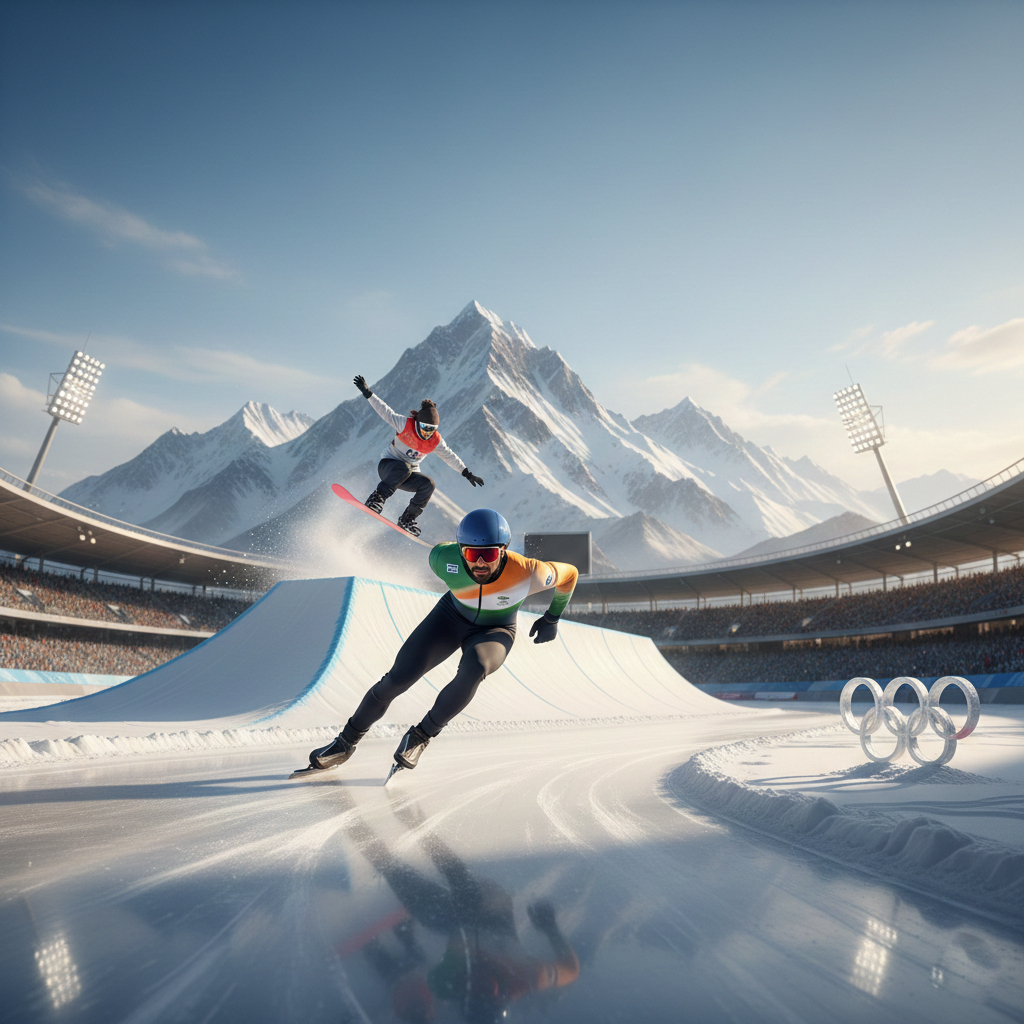
Indian Winter Olympics Update: True Life Story.
There are many comparable stories about Indian winter Olympians. A good number of them are young people in remote hilly areas, whose training facilities are limited, and they do not depend on other sponsors or government support.
Others have been taken to train in foreign countries at their own expense or through crowd financing. Other people have been the beneficiaries of government sports programs targeting the elite athletes.
Their experiences underscore an important fact, which is that talent is not sufficient but the system should support it.
These tales are also represented and talked more about in sports current affairs in winter Olympics coverage and hence they are applicable in examinations of competitions.
Winter Sports: Government Support and Push Policy.
Winter sports are becoming a central part of sports policy debate in recent years. Government statistics point out the attempt to:
- Discover talent in Himalayan areas.
- Build winter sport facilities.
- Encourage global presence.
The reports issued on sports development underline that winter sports could be one of the niche sectors in India just like shooting and wrestling remained as the potential sources of aspiring medals.
This change is relevant to the aspirants of government exams. It is indicative of the integration of sports into the wider youth development and national branding strategies.
Why India is not doing well in the Winter Olympics compared to other countries.
With as much importance as knowing what to do, is knowing what one can.
India has such issues as:
- Short winter seasons
- Low availability of artificial snow and ice arenas.
- International training is very expensive.
- Poor knowledge of winter sporting as a career option.
But the experts claim that this situation can be changed with time through strategic investment and long term planning.
Explained Winter Olympics in the country of Indians Myths vs Reality.
There is a popular legend that only those who are born in snowy countries compete. The reality is that access, exposure, and organized training is more important than birthplace.
The other myth is that the government is selected to assure entry in the Olympics. As a matter of fact, international standards of qualification suppress any domestic considerations.
It is imperative that these myths be cleared by the students and aspirants.
Current News and Future perspectives of Winter Olympics India.
There is a slow transformation of the winter sports environment in India. There has been an increasing debate on hosting winter sports events, the development of high-altitude training centre, and the need to collaborate with foreign coaches.
The future outlook suggests:
- More involvement in global winter.
- Efficient hill state talent scouting.
- Progressive rise in the global ratings.
The question is that medals can be time-consuming, but the very regular participation is reinforcing the sporting identity of India.
Practical Lessons to Students, Sports, and Readers.
To the students and those taking exams:
- Know how the Olympics is qualification based.
- Connect winter sports and sports governance and policy issues.
For aspiring athletes:
- Be an early entrant and look beyond the national borders.
- National federations registration.
- Experience competitive ranking.
To the policy makers and teaching professionals:
- Corporate winter sports awareness in hill areas.
- Support at grassroots level infrastructure.
More Read

The significance of Winter Olympics in the long run sports vision of India.
The Olympics are not only about winning. It is inclusion, sports diversity and increasing the global sporting presence of India.
Winter sports are a challenge as well as an opportunity to India as it endeavors to become one of the world sports powerhouses. The story behind Indian athletes attending the winter Olympics shows how tenacious, ambitious, and slower developing the Indian sports ecosystem is.
To both news readers and those seeking employment in the government, knowledge on this process provides a perspective to the current affairs in sports as well as an emphasis to the role of global systems in colliding with national aspiration.