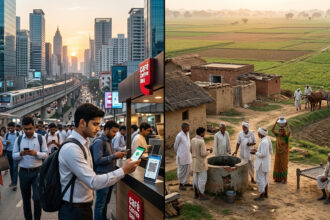

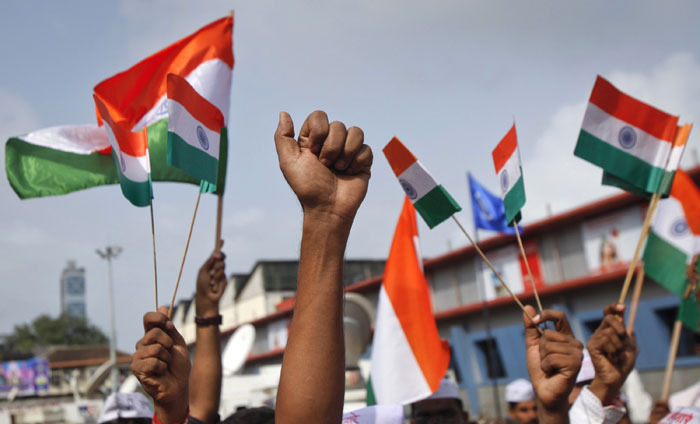
Indian youth politics is undergoing a profound transformation. Where earlier much of the youth’s engagement was confined to student unions, campus activism or outreach by established parties, we now see the younger generation stepping more directly into the domain of policy-making, electoral participation, and leadership roles.
In this essay we will examine:
-
The historical roots of youth and student politics in India and the legacy of campus movements.
-
The factors driving change today — demography, digital media, new issues, political openings.
-
How youth are moving into mainstream politics: examples, platforms, policy roles.
-
The opportunities and risks of this shift: what it means for democracy, policy, representation.
-
Conclusion and the way forward for youth politics in India.
Historical Context: Student and Youth Engagement in India
To understand the present transformation, it is helpful to look at how youth and student politics evolved in India.
Student politics as a breeding ground
Historically, campus politics in Indian universities and colleges has long been a space for young people to engage with ideas, leadership, protest and organisational struggle. Student unions, campus elections, ideological organisations — these created networks, mobilised youth and influenced the mainstream political parties. For example, the youth wing of the Indian Youth Congress describes how, even pre-Independence, students were active in the freedom movement and political activism.
Youth wings of parties and mobilisation

Across India, virtually every major party has had a youth wing or student wing enabling them to bring youth into the party fold, tap campus energy and groom future leaders. But often these wings remained auxiliary — mobilisers rather than decision-makers, protestors rather than policy shapers.
Limitations of the old model
Several constraints affected youth politics in earlier phases: limited access to top decision making, traditional hierarchies in parties, dominance by older leaders, and a disconnect between youth activism and formal policy outcomes. Also, many youth remained sceptical of politics a survey found that 29% of Indian youth were completely disengaged from politics, while only about 11% were members of a political party.
Thus, while the campus and youth landscape was vibrant, the structural shift from student activism to policy making was less pronounced.
Drivers of Change: Why Youth Politics is Evolving
Several interconnected factors have catalysed the shift from campus voices to active policy-roles for young people.
Demography and electoral significance
India has one of the world’s largest youth populations. With over hundreds of millions under 35, the “youth vote” is a significant resource. Organisations like the Young India Foundation (YIF) have been working to help campuses institutionalise reforms that empower student voters and make youth voices count in elections. When young people recognise their collective vote matters, they demand representation and engagement.
Digital media and connectivity
Young people today are deeply connected — via smartphones, social media, internet access. These tools allow them to participate in political discourse outside traditional structures. They can organise campaigns, raise issues, bypass gate-keepers. For example, one analysis notes: “The participation of youth in politics is becoming more visible … their use of digital platforms for communication and advocacy has introduced new forms of citizen engagement.”
New issues and generational priorities
The concerns of younger Indians are evolving: climate change, digital economy, education, jobs, identity, social justice. The young demand not only representation but responsiveness. A piece from Pune noted: “Young people should definitely be more involved in politics… their involvement can lead to fresh ideas and dynamic approaches to solving complex issues.”
Party adaptation and structural openings
Political parties are increasingly recognising the need to bring in younger leaders, give them roles and adapt to a changing electorate. A recent survey argued that “established parties have noticed the influence of these younger politicians and are adjusting their internal mechanisms to stay current.”
These drivers combine to change the terrain: youth are no longer just mobilised, they are asking for access, agency, leadership.
Youth Transitioning into Policy-Makers: Trends and Examples
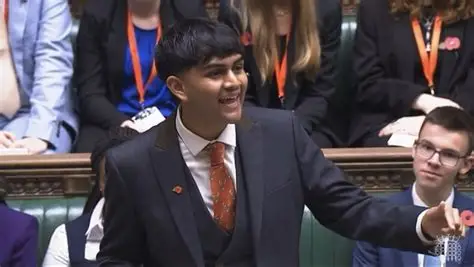
Let’s now look at how youth politics is shifting from activism and campus engagement into the realm of policy, decisionmaking and leadership.
Platforms and training avenues
-
Organisations like Youth In Politics (YIP) provide training and mentorship to youth (ages 18-45) to kick-start a political journey, including grassroots campaign work and strategy.
-
The Youth Parliament of India is another example of institutional efforts for young people to understand parliamentary procedures and engage with policy debates.
These training platforms help build skills, networks and pathways to serious political engagement.
Increase in youth in leadership roles
A recent article highlights young leaders challenging the old order, raising issues such as employment, education, climate change and social justice, and using technology to reach voters.
For instance, the case of Dhananjay (former student leader at JNU) is instructive: He moved from student politics to contesting for legislative assembly in Bihar, indicating a mechanism of translation from campus activism to electoral politics.
Changing nature of student politics
Student politics itself is evolving: parties are launching new student-wings focussed on empowerment rather than patronage. For example, the Aam Aadmi Party (AAP) launched the student wing “Association of Students for Alternative Politics” (ASAP) to recruit students across colleges and contest elections at campus level.
This shows a shift: campuses are no longer just feeder bases, but battlegrounds for leadership and political experimentation.
From protest to policy
Young politicians and youth-led groups increasingly engage with policy issues — jobs, digital literacy, participatory governance. For example, campaigns highlighting youth involvement in citizen-consultations in states show youth contributing ideas that feed into policy frameworks.
Hence, the shift is real: from student union slogans to policy forums, from campus mobilisations to electoral candidacies, from informal activism to formal governance roles.
Opportunities, Challenges and Implications
What does this shift mean for India’s democracy, and what are the opportunities and pitfalls?
Opportunities
-
Enhanced representation & responsiveness: If youth enter policy-making, issues relevant to younger generations (digital economy, climate, education) can get prioritised.
-
Innovation in politics: Youth leadership can bring new tools (social media, data-driven campaigns), fresh ideas and less entrenched hierarchies.
-
Renewal of democratic participation: With youth more engaged, voter turnout, civic awareness, accountability can improve.
-
Bridging campus-policy gap: The route from activism to policy means the demands of younger people can translate into tangible change rather than staying confined to protest.
Challenges
-
Tokenism: There is the risk that youth roles become symbolic rather than substantive — youth wings with no real power.
-
Experience vs. novelty trade-off: While young leaders bring energy, they may lack institutional experience; the challenge is to balance novelty with governance competence.
-
Entrenched hierarchies & party culture: Traditional party structures and elder leadership may resist deeper youth integration.
-
Disengagement & distrust: As one report noted, 29% of youth were completely disengaged from politics and only 11% were party members. Disillusionment remains a big barrier.
-
Ideological conflicts & polarisation: Young leaders may find themselves in ideological or identity politics traps, rather than policy-driven roles. Reddit discussions reflect youth feeling sidelined or ignored if they challenge traditional lines.
Implications for policy and governance
-
When youth move into policy roles, the content of governance may shift — more emphasis on digital literacy, youth employment, climate adaptation, innovation.
-
Parties may adapt their structures, giving youth wings more autonomy, reshaping internal leadership selection and mentoring.
-
Governance institutions may evolve: more youth-friendly participatory platforms, citizen feedback mechanisms, digital consultation.
-
On the flip side, if youth participation remains superficial, there is risk of cynicism, further disengagement, or reinforcement of old patterns under new faces.
Looking Ahead: The Way Forward
To fully realise the promise of youth politics moving into policy making, several advances are needed:
Strengthening pathways
-
Create clearer mechanisms for youth to transition from student activism to legislative roles — mentorship, sponsorship, training programmes.
-
Ensure youth wings of parties are more than mobilisation arms — they should have meaningful decision-making space and policy input.
-
Continue building platforms like Youth Parliament, civic engagement apps, digital training so youth build competence and networks.
Focus on issues and policy, not just identity
-
Encourage youth politicians to focus on substance: economic policy, social justice, climate action, innovation, rather than only identity or single-issue mobilisations.
-
Promote cross-generational collaboration so youthful energy gets paired with experience and institutional memory.
Inclusivity and diversity
-
Give voice to diverse youth: rural, women, marginalised communities, tribal youth. This prevents youth politics from becoming elite or urban-centric.
-
Leverage youth engagement in policy design, consultation and feedback loops to ensure youth are participants, not just recipients.
Mitigate risks
-
Guard against tokenism by measuring youth roles, accountability, and actual power.
-
Encourage political ethics, transparency and avoid the pitfalls of youth being co-opted into clientelistic or identity-based politics.
-
Build youth resilience to navigate party politics, organisational conflicts, and structural barriers.
More Read

Conclusion
The face of Indian youth politics is indeed changing. The shift “from campus voices to policy makers” reflects deeper structural transformations: demographic heft, digital connectivity, new issues, and generational aspirations. Where once youth were largely mobilised as foot-soldiers in campus or party politics, today they are increasingly stepping into leadership, policy, electoral and governance roles.
This transformation holds great promise: more responsive governance, fresh energy, and renewed democratic participation. But the challenge remains real: to ensure that this shift is substantive rather than superficial; that youth roles are meaningful and diverse; and that youth engagement translates into policy, not just protest. If India can make this journey successfully, it will not only empower its young people but strengthen its democracy, innovation, and future.