
Micro, Small, and Medium Enterprises (MSMEs) are often called the backbone of the Indian economy. They contribute nearly 30% to GDP, generate over 110 million jobs, and account for 40% of exports. Yet, despite these achievements, MSMEs face severe challenges ranging from finance and compliance to global competition.
This article provides a deep dive into MSMEs in India — their strengths, struggles, policy support, and future outlook — to answer whether they are thriving or just surviving.
Issue Background & Stats
-
Definition of MSMEs (as per 2020 revision):
-
Micro: Investment < ₹1 crore, turnover < ₹5 crore
-
Small: Investment < ₹10 crore, turnover < ₹50 crore
-
Medium: Investment < ₹50 crore, turnover < ₹250 crore
-
-
Key Stats:
-
63+ million MSMEs in India.
-
Contribute ~30% to GDP.
-
Generate 110+ million jobs.
-
Share ~40–45% of exports.
-
-
Sectoral Spread:
-
51% in rural India, 49% in urban India.
-
Strong presence in manufacturing, textiles, handicrafts, IT services, and trade.
-
MSMEs are not just numbers; they are drivers of entrepreneurship, inclusivity, and Make in India goals.
Government Policy Impact
Key Schemes Supporting MSMEs:
-
Atmanirbhar Bharat Package (2020): ₹3 lakh crore collateral-free loans.
-
MUDRA Loans (Pradhan Mantri Mudra Yojana): Financial aid for micro/small entrepreneurs.
-
Emergency Credit Line Guarantee Scheme (ECLGS): Provided relief during COVID-19.
-
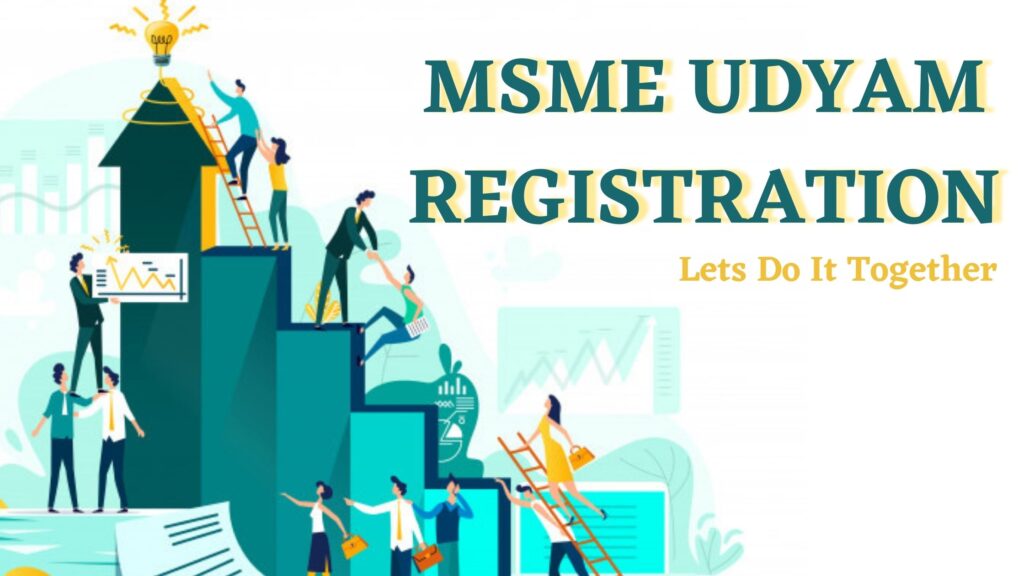
Udyam Registration Portal: Simplified MSME registration process.
-
TReDS Platform: Trade receivables financing for better cash flows.
-
Digital India: Promoting e-commerce and digital adoption among MSMEs.
Policy Impact
-
Positive: Greater formalization, more digital adoption, job creation.
-
Challenges: Low awareness of schemes, delay in loan disbursement, policy execution gaps.
Indian Industries’ Role in Supporting MSMEs
-
Large Corporate Linkages: MSMEs act as suppliers to big firms (e.g., auto parts for Maruti, Tata).
-
E-commerce Boost: Platforms like Amazon India, Flipkart, JioMart opened global markets for small sellers.
-
Startup Ecosystem: Many startups emerged from MSME roots — e.g., Lenskart, Zerodha, OYO started small before scaling.
-
Cluster Development: Industrial clusters (textiles in Tiruppur, leather in Kanpur) showcase MSME strength.
International Comparisons
-
China: SMEs contribute 60% of GDP, 80% of employment.
-
EU Nations: SMEs form 99% of businesses, strong financial & regulatory support.
-
India: MSMEs contribute 30% to GDP, but lack scale, credit, and infrastructure.
India lags behind global peers, but has immense potential if reforms succeed.
Future Projections & Expert Commentary
-
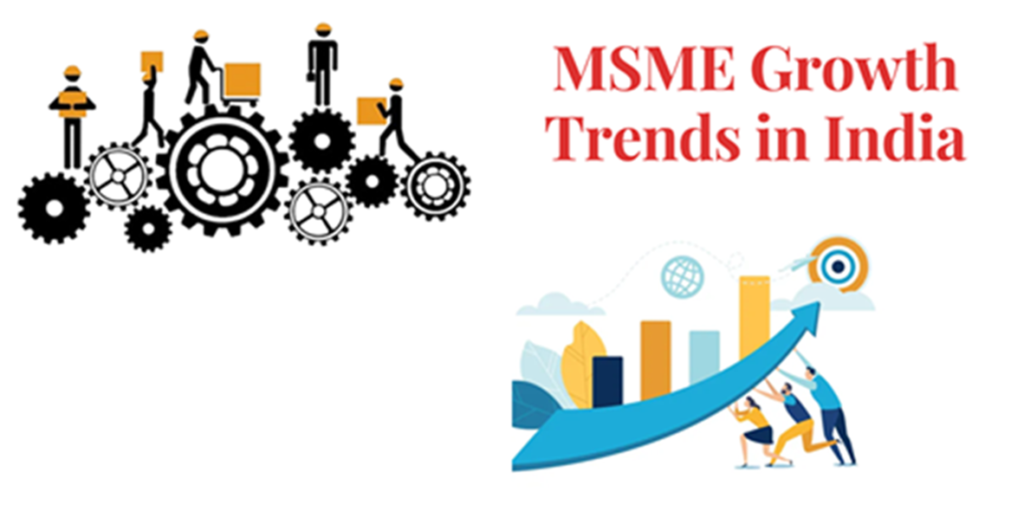
NITI Aayog Vision: MSMEs could contribute 40% to GDP by 2030.
-
Global Trade: With supply chain diversification, India could replace China in certain exports.
-
Digital Transformation: AI, automation, and fintech could empower MSMEs.
-
Stock Market Angle: NSE/BSE SME platforms help MSMEs raise funds via IPOs.
Expert View:
-
RBI Report (2023): Credit gap for MSMEs stands at ₹20–25 lakh crore.
-
Industry experts: Without structural reforms, many micro units may shut down despite govt support.
Indian Context & Real-Life Stories
-
Rural Artisan in Uttar Pradesh: Benefited from e-commerce, now sells handicrafts worldwide.
-
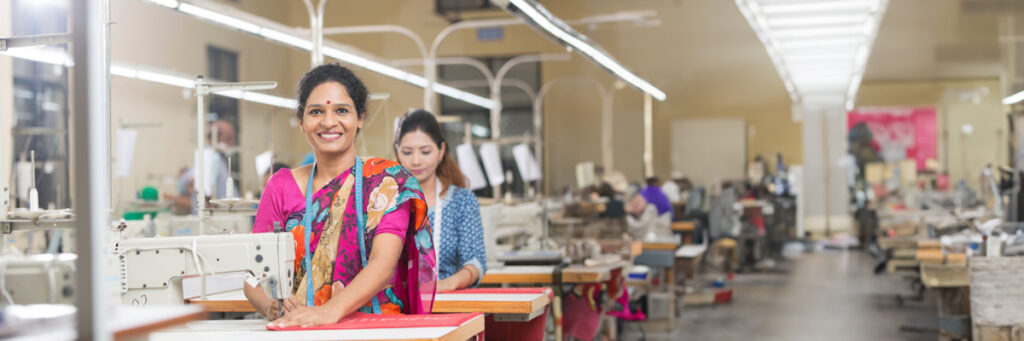
Textile MSMEs in Tiruppur (Tamil Nadu): Survived COVID by adopting automation & export tie-ups.
-
Women-led MSMEs: Schemes like Stand-Up India helped women start small businesses in food processing & crafts.
Key Takeaways
-
MSMEs are the backbone of the Indian economy, but many struggle with finance & compliance.
-
Government policies like Atmanirbhar Bharat & MUDRA loans have helped, but gaps remain.
-
Global comparisons show India lags, but has potential to emerge as a manufacturing & export hub.
-
The future depends on digital adoption, policy execution, and industry collaboration.