
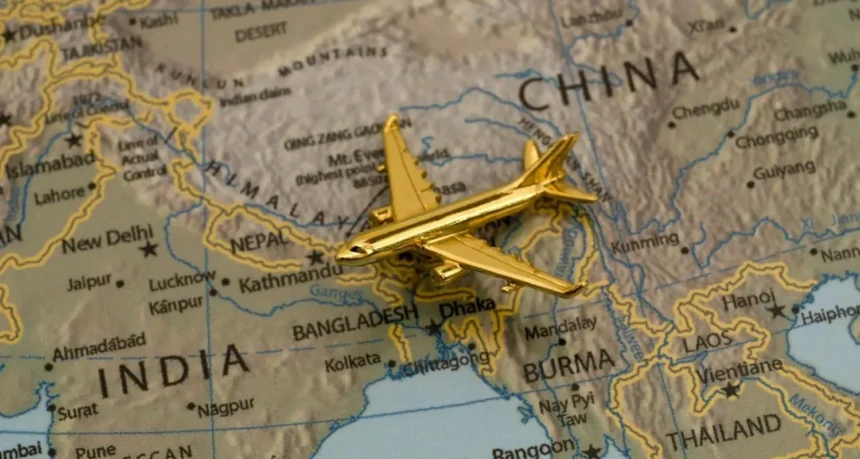
After almost five long years of suspension, India and China are finally preparing to resume direct flights — a move that is expected to change the dynamics of travel, trade, tourism, and diplomacy between the two Asian giants. For travelers, this development comes as a major relief, especially for those who had been relying on third-country stopovers, expensive connecting flights, or limited chartered options to move between the two nations.
The resumption of India-China direct flights is not just an aviation update; it is a reflection of the improving, albeit cautious, relations between New Delhi and Beijing. At the same time, it also responds to the growing demand from businesses, students, professionals, and families who have long awaited smoother connectivity.
In this comprehensive guide, we explore why flights were suspended, what factors have led to their revival, the benefits for travelers, the expected routes, and everything one needs to know before booking a ticket.
The Background: Why Flights Stopped in the First Place
Direct flights between India and China were suspended in early 2020 when the COVID-19 pandemic triggered global travel restrictions. While many countries resumed flight operations by late 2021 and 2022, India and China remained exceptions.
Several factors contributed to the prolonged gap:
-
COVID-19 Zero-Tolerance in China – China maintained a strict “zero-COVID” policy until late 2022, severely limiting international arrivals.
-
Border Tensions – The 2020 Galwan Valley clash between Indian and Chinese troops strained bilateral ties, further delaying the resumption of normal travel.
-
Travel Demand Uncertainty – Airlines hesitated to restart services without clarity on government approvals, passenger demand, and safety protocols.
-
Diplomatic Standoff – Mutual restrictions on visas and permits created a complex situation, making direct connectivity nearly impossible.
This combination of public health concerns, political distrust, and logistical challenges explains why it has taken almost five years to restore what once was a routine service.
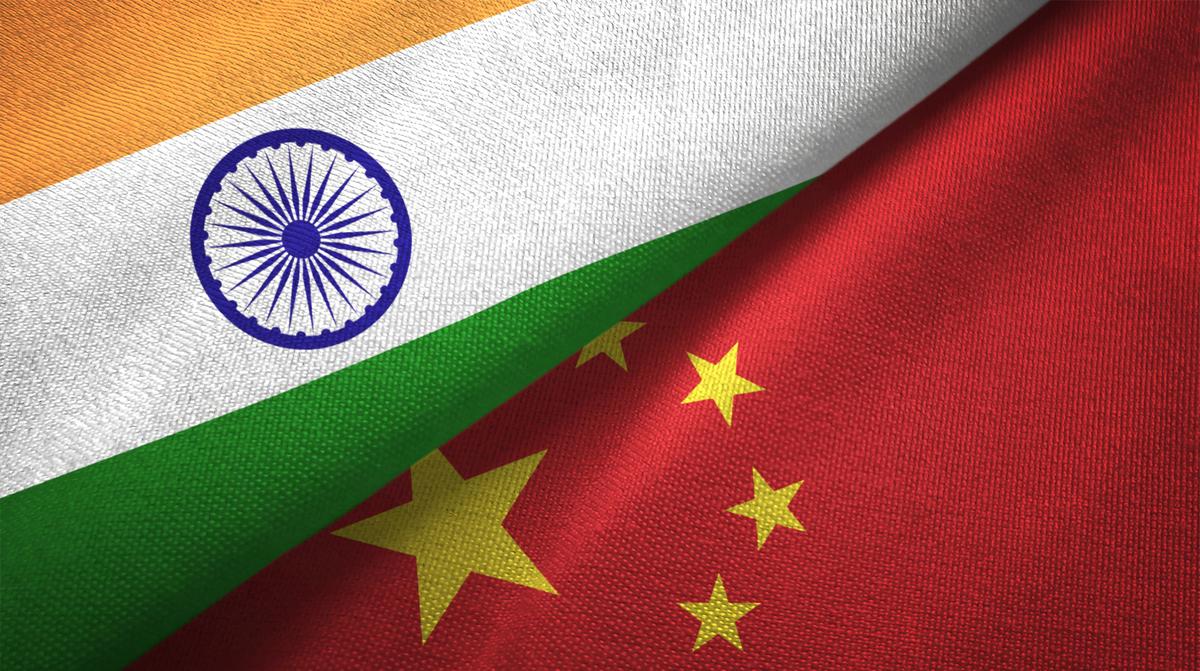
Why Resuming Flights Matters Now
The timing of the decision is significant. There are multiple reasons behind this revival:
-
Educational Demand – Thousands of Indian students enrolled in Chinese universities, especially medical colleges, were stranded for years. Direct flights will now allow them to return to campuses more conveniently.
-
Business Interests – Trade between India and China continues to thrive, despite political differences. In fact, China remains India’s second-largest trading partner. Easier travel supports business delegations, trade fairs, and corporate tie-ups.
-
Tourism Potential – Both countries have rich cultural attractions. Chinese tourists visiting India for heritage tourism and Indian travelers exploring China’s cities and history will now benefit.
-
Diplomatic Thaw – Restarting flights is a symbolic gesture of easing tensions, signaling an effort from both governments to normalize people-to-people contact.
What Routes to Expect
While official announcements are still being finalized, aviation experts predict that the following routes are most likely to restart first:
-
Delhi to Beijing
-
Delhi to Shanghai
-
Delhi to Guangzhou
-
Mumbai to Shanghai or Beijing
Initially, the frequency may be limited — perhaps 2 to 3 flights per week per route — before expanding based on demand. Leading carriers such as Air India, China Eastern, China Southern, and Air China are expected to operate these routes. Low-cost carriers are unlikely to enter this market immediately due to operational costs.
Ticket Prices: What Travelers Should Expect
For years, passengers had to rely on third-country stopovers via Singapore, Bangkok, Kuala Lumpur, Dubai, or Hong Kong. These journeys often stretched to 12–20 hours with higher fares.
With direct flights, travelers can expect:
-
Shorter Duration – A Delhi–Beijing flight typically takes about 6 hours nonstop.
-
Lower Prices (Initially High, Then Normalized) – At first, fares may be relatively high due to limited supply. However, competition between Indian and Chinese carriers will likely stabilize ticket prices within months.
-
Seasonal Variations – Demand will peak during university admission seasons, festivals, and business expos, driving fares up temporarily.
Travel Requirements and Documentation
Before booking, travelers should carefully check updated travel requirements. Likely essentials include:
-
Valid Visa – Tourists, students, business travelers, and workers will need to obtain the appropriate Chinese or Indian visa.
-
COVID-19 Health Rules – Both countries may still require proof of vaccination, health declarations, or negative test results depending on evolving policies.
-
Insurance – Medical and travel insurance is strongly recommended, especially for students and long-term visitors.
-
Work and Study Permits – Professionals and students must have valid letters of admission, employment contracts, or official permits.
Travelers are advised to consult official government portals before departure to avoid last-minute surprises.
Benefits for Indian Students
One of the largest groups affected by the suspension has been Indian students studying in China. Roughly 23,000 Indian students were enrolled in Chinese universities before 2020, with a majority pursuing MBBS degrees.
The lack of direct flights created multiple challenges:
-
High Costs – Students had to spend extra on connecting flights.
-
Long Transit Hours – A journey that could take 6 hours often extended to 15–20 hours.
-
Visa Complexities – Multiple stopovers made travel paperwork more complicated.
With direct flights back in place, Indian students can save money, reduce travel fatigue, and rejoin academic life smoothly.
Impact on Business and Trade
India-China trade crossed $118 billion in 2023, with China exporting electronics, machinery, chemicals, and APIs (active pharmaceutical ingredients) to India, while India exported minerals, cotton, and agricultural products.
Direct flights will:
-
Enable quicker business trips and negotiations.
-
Boost participation in trade fairs like the Canton Fair and Import-Export Expos.
-
Strengthen supply chains, especially for pharmaceuticals and electronics.
Tourism Opportunities
Both India and China have enormous tourism potential.
-
For Chinese Visitors to India – Spiritual journeys to Bodh Gaya, Varanasi, Sarnath, and cultural trips to Delhi, Jaipur, and Agra may see a revival.
-
For Indian Visitors to China – Historical explorations of the Great Wall, Forbidden City, Terracotta Army, and modern cities like Shanghai and Shenzhen are expected to attract interest.
Resumed flights are likely to encourage tour operators to relaunch India-China packages that had disappeared in recent years.
Safety, Security, and Bilateral Tensions
While flights are resuming, it is important to acknowledge that India-China relations remain complex. Travelers may encounter:
-
Heightened Security Checks – Expect stricter scrutiny at airports and immigration.
-
Sensitive Discussions – Avoid political discussions or photography near restricted zones.
-
Cautious Diplomacy – Governments may restrict certain categories of visas depending on the geopolitical climate.
In other words, while connectivity is improving, travelers must remain mindful of the sensitive backdrop.
The Bigger Picture: A Step Towards Normalcy
The return of direct flights after five years signifies more than just convenience. It represents:
-
A reset in regional diplomacy between two major powers.
-
A revival of people-to-people exchange, crucial for long-term peace.
-
A boost for trade and economic cooperation, even amid competition.
-
A relief for stranded communities, especially students and families.
What Travelers Need to Know Before Booking
-
Check Latest Announcements – Airlines will release schedules soon.
-
Book Early – Initial demand will be very high, so early booking is wise.
-
Stay Flexible – Rules may change quickly; choose refundable or flexible tickets.
-
Use Official Channels – Book only through airline websites or trusted travel agencies.