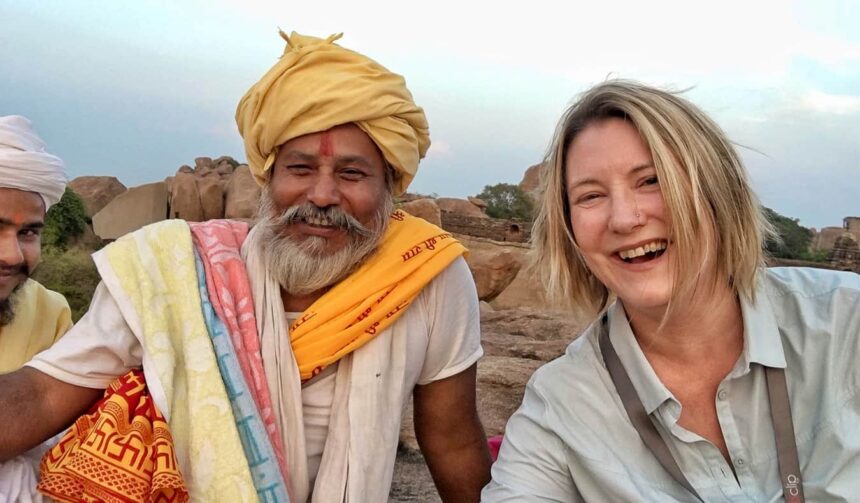
We live in a globally joined up world where it can be simple to lose sight of the uncomplicated truth that travel discloses your attitude, opens your heart and expands your world. When you leave the comfort zone and move into a new culture, you get to engage beyond scenery, you start to look through different eyes. It is the core of the empathetic learning about traveling and why traveling opens up perspectives in deep gratifying ways.
To the readers of The Vue Times, this article is their one stop evergreen read: we are plunged into the history, the science, the stories – with an Indian perspective, and we give you the steps to implement today.
The Importance of Empathy Now More Than Ever
Can you imagine being able to know just how another person feels and not just hear about it? Empathy – the skill of putting yourself in the shoes of an individual or group – is progressively regarded as a panacea of more robust societies, superior jobs and more lush living. The only way to develop this skill is through travel.
It has been found that travelling generates trust amongst people in humanity and maintains perspective-taking and ability to look out of a small bubble that we are in.

In India, where diversity reigns, not only in languages, religion, dishes and destinations, but also in the types of lives people lead, there is no choice but to tune into their lives. Travel is not solely visiting new destinations but rather about new people and not just seeing them.
Ancient pilgrimages to Modern Journeys: A Historical Context
Human people have been transporting through the landscape much earlier than budget airlines and Insta-posts because they did so to engage in trade, pilgrimage, diplomacy and curiosity. These movements created cultures and developed sympathy between regions.
As an example, ancient Indian merchants explored South East Asia and brought with them ideas, foods and languages. In later eras, colonialism and post-colonialism, the act of traveling frequently involved conflict, observation of injustice or enacted placement. Personal development as a result of traveling, in that regard, is not new.
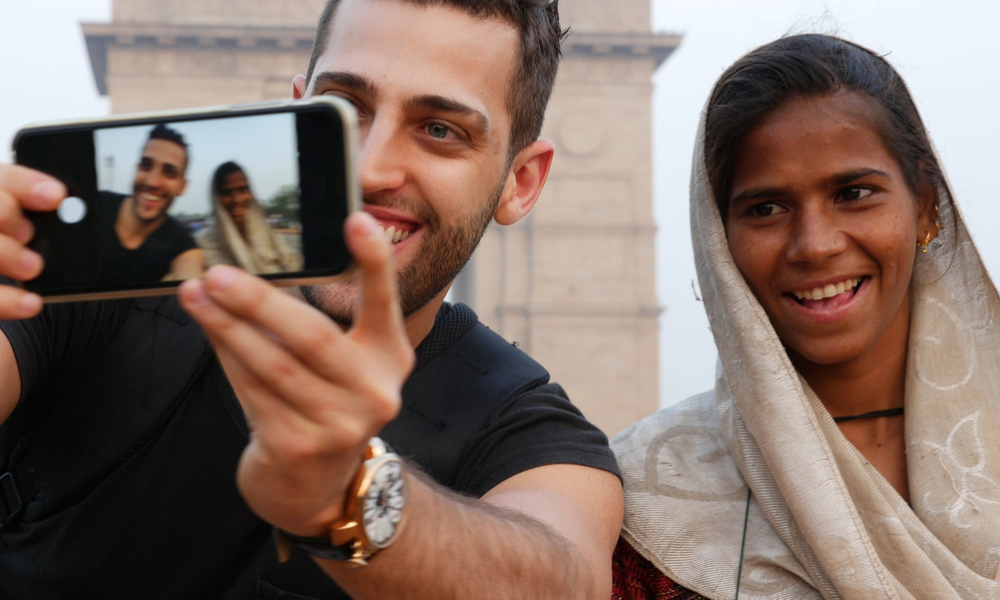
Over the recent decades, international tourism has been booming. Some researchers such as Hazel Tucker argue that one of the potential results of travel is the aspect of empathising touristically, but it does not necessarily follow. It is because travel may educate empathy, but it needs us to be present so we can be the best.

What Science Says – The Science of Empathy The Travel Study
Travel and Trust
One of the findings: travellers who experience new locations are more likely to exhibit elevated levels of generalized trust – the conviction in the goodness of humanity.
This is important since trust opens the doors. It allows you to be able to listen and not to judge.
Perspective-Taking and Cultural Understanding
By learning to travel, scientists of the National Geographic Society discovered that although travelling can enhance empathy it does not necessarily happen.

It is a considerable subtlety: you have to come to travel with humility and readiness to learn.
Cognitive Flexibility and Emotional Intelligence
Travel brings about novelty and novelty makes the brain adjust. Such generosity to transform creates emotional intelligence and travelling advantages.
It is an Indian thing that when you grapple with language barriers, different cuisine or local traditions, then your emotional and cognitive force is built.
Immersion vs. Tourist Bubble
Not all travel is equal. Studies place stress on immersion, a longer stay, communication with the locals, enquiring as opposed to being a tourist.
This particularly applies to India: a visit to a tribal family living in Odisha or a trip to the fishermen living in Kerala will not provide the same results as simple self-take in monuments.
How Travel Broadens Horizon
Seeing Beyond the Familiar
As you go on a journey, maybe to the scenery of Ladakh and the villages of Bihar, you get to know that life could be structured differently. You start questioning assumptions. Travel makes you open-minded, and this is where the change starts.
Interdependence Comprehension
You encounter individuals who live by nature, lack material comfort but they demonstrate strength and communal power. We in the Indian context see this, say in the rural Uttarakhand, and this makes us think of interdependence and shared responsibility.
Understanding the Value of Cultural Diversity
Clinging to something as much of a visual experience as Onam in Kerala, or the Pushkar Camel Fair in Rajasthan, is more than merely a trip to learn cultural tolerance. Food, language, rituals, beliefs: they are all educational.
Realising the Bigger Story
As you go to another country or even inside India, you get to see the view of your home in the world. You may say: what will it do me to put in their shoes? This question alone motivates learning empathy during traveling.

Indian Stories: Compassion and Travelling in the Subcontinent
Story 1: Home-Stay Host in Kashmir and The Delhi Visitor.
Suppose a Delhi software engineer comes to a village near Srinagar on a homestay basis. During the morning he sits having chai with a local shepherd and during the evening he hears about the winter migration of sheep. The engineer comes back transformed – thinking of people and climate change and strength. This is a personal experience of how traveling opens your eyes and heart.
Story 2 Maharashtra NGO Trip and Tribal Youth.
In Maharashtra, an NGO helps college students to spend one week with tribal youth to learn how to weave bamboo. With the help of stereotypes, the students begin, but they finish with empathy, understanding how resourceful the tribal society is and how unknown they are, in turn. Travel here makes humankind one with travel.
The Reasons to Travel A List of Benefits
Following are part of the practical advantages of travel, and are particularly empathy-oriented and perspective-oriented:
- Bigger bottom line – you look outside your own little bubble.
- Greater ambivalence of ambiguity – you have to work in unplanned situations.
- Enhanced emotional intelligence – you know how you feel, and others.
- Improved communication competencies- particularly intercultural.
- Personal development via travel – you learn what is important to you.
- More creativity and flexibility – new ideas in new horizons.
- Better sense of collective humanity – linking across lines.
- Increased service orientation – travel can enlighten service orientation.
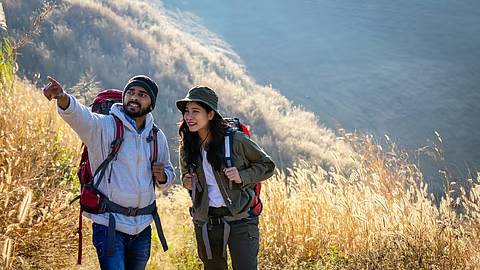
Travel Smarter to Be More Empathic and Perspective
Step 1: Select Purposeful Travel
Instead of checking things off your list, you should strive to have comprehensive experiences. This can be either in Ladakh or Rajasthan: choose villages, local houses or service-based travel.
Step 2: Listening in More than Speaking
Ask questions. Learn local sayings. Share meals. Don’t just observe — engage. It is the way to develop traveling and sympathy.
Step 3: Reflect Daily
Every evening ask: What surprised me? What did I assume wrongly? Keep this in a journal. Reflection helps turn experience into growth.
Step 4: Return With Action
Use your experience to inform your life back home. Maybe you start volunteering in your community, or become an advocate for cheaper travel experiences for underserved groups.
Step 5: Keep Learning After Travel
Books, documentaries, local culture groups — empathy isn’t a one-time event. You must continue growing it.
Current Trends & the Future of Travel for Empathy
Post-pandemic travel is shifting. According to recent reports, travel now emphasises wellness, nature immersion and meaningful cultural encounters.
In India, domestic tourism is booming: rural tourism, heritage trails, eco-tourism are on the rise. That means richer opportunities for experiencing new cultures and building deeper empathy.
Looking ahead, as AI and remote work make travel more accessible, we may ask: how do we ensure experiences remain meaningful and not superficial? The future of travel might hinge less on luxury and more on authenticity.
Key Challenges & How to Navigate Them
- Tourist bubble syndrome – it’s easy to stay in hotels that replicate home life. Solution: choose locally run stays, home-stays, villages.
- Superficial engagement – just taking selfies doesn’t build empathy. Solution: spend time, ask questions, be humble.
- Sustainability concerns – travel can harm local ecosystems and cultures. Solution: travel responsibly, support the local economy, respect culture.
- Privilege blind-spots – as travellers from relatively privileged backgrounds, we must check assumptions. Solution: listen more, judge less.
Indian Policy Insights & Government Support
Although we are focusing on empathy and travel at a personal level, it’s worth noting India’s government initiatives:
- Rural tourism schemes by the Ministry of Tourism, India aim to connect travellers with under-served areas.
- Heritage circuits and homestay policies promote local cultural exchange.
These frameworks pave the way for deeper, more meaningful travel experiences within India.
Why You Should Embrace Travel as Empathy School
When you travel with openness, you do more than collect stamps on your passport. You collect perspectives. You build empathy. You change.
Travel expands perspective, teaches you to look beyond your immediate world and invites you to join the global story.
More Read

Actionable Takeaways
- Pick one trip in the next 12 months designed around immersion, not just sightseeing.
- Journal your reflections each day of the trip — ask yourself: What did I learn about someone else? About myself?
- Share your story — whether on social media or with friends — to pass on insights and grow your “circle of empathy”.
- Bring it home — volunteer, join intercultural groups, support local tourism that fosters connection and authenticity.