
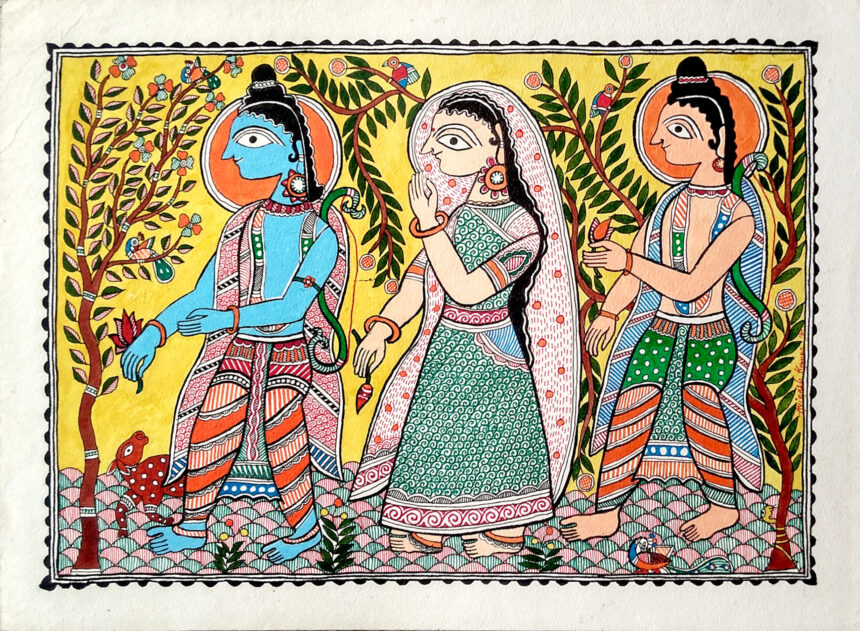
India’s cultural heritage is a vast mosaic of traditions that have been passed down through generations, each piece of art a silent witness to the country’s history, its myths, and its everyday life. While some of these traditions have flourished into global icons—think of Bollywood, classical music, or vibrant festivals—many others have slipped quietly into the shadows as modernization, migration, and economic pressures took center stage. Yet, in recent years, a quiet renaissance has begun. Artists, scholars, and entrepreneurs across the country are breathing new life into time‑worn crafts: from the soft‑textured Rogan paintings of Gujarat to the intricate Pattachitra scrolls of Odisha, from the shadow puppets of the Himalayan foothills to the living puppets of Bengal.
This article dives into the journeys of these “forgotten” art forms, examining why they faded and how they are re‑emerging as luminous threads in the tapestry of contemporary Indian culture. It is a story of resilience, creativity, and a collective desire to keep heritage alive—an invitation to view the past not as a static relic but as a living, breathing part of today’s cultural dialogue.
1. Rogan Painting: A Canvas of Color and Connection
1.1 The Art and Its Ancestry
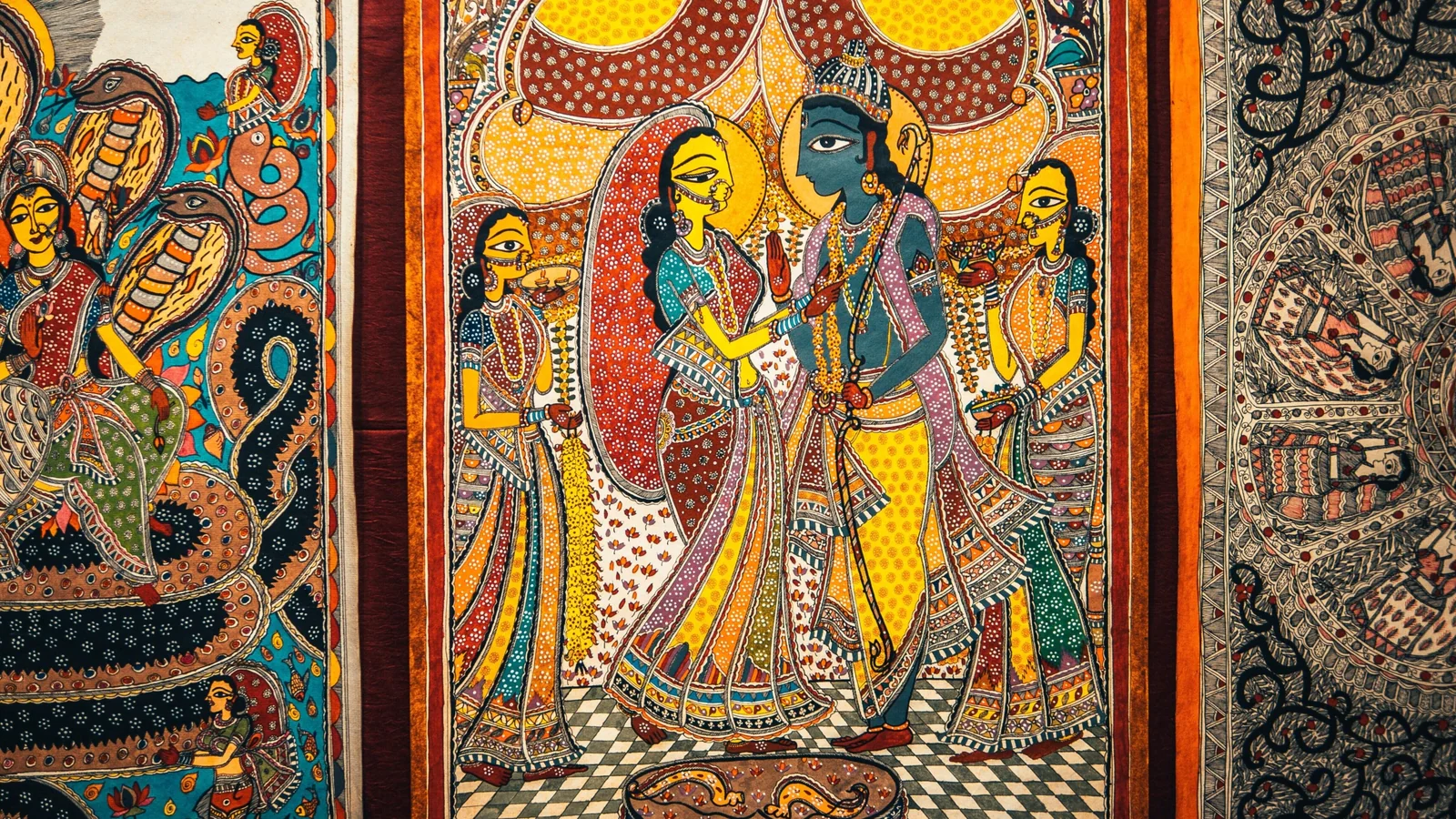
Rogan painting, also known as *Rogan Chitra*, is an ancient art that traces its roots back to the 7th-8th centuries in the city of Patan, Gujarat. The name “Rogan” comes from the Persian word for “oil,” referencing the oil‑based paints used in the traditional process. Unique in its technique, the art is executed on a wooden board or canvas that has been coated with a mixture of oil, pigment, and various natural binders. The artist then gently lays down thin layers of oil paint, allowing the colors to diffuse into the wood, creating a luminous, almost translucent effect.
The subjects were historically religious—depictions of deities, saints, and mythological tales—but over time the subject matter expanded to include landscapes, court scenes, and even everyday life, making Rogan painting a visual record of Gujarati culture.
1.2 Why It Vanished
Like many folk arts, Rogan painting suffered from a combination of factors:
Industrialization and Urbanization: As Gujarat became an industrial hub, the demand for traditional paintings dwindled. The younger generation moved to cities, leaving behind a dwindling pool of skilled artisans.
Economic Pressures: The raw materials—particularly oil and natural pigments—became expensive, and the time-intensive process was not economically lucrative.
Loss of Patronage: The royal courts that once commissioned these works collapsed, and the art lost its primary patron base.
By the late 20th century, only a handful of master painters remained, and the technique was at risk of disappearing entirely.
1.3 The Modern Comeback
1.3.1 Institutional Support
In 2005, the state government of Gujarat passed a bill granting legal protection to the *Rogan* technique as a Traditional Craft. The *Gujarat Handicrafts Development Corporation* (GHDC) started offering “Rogan Painting” as a skill acquisition program under the *Skill India* initiative. This helped train over 200 apprentices in the subtleties of the craft, ensuring continuity.
1.3.2 Contemporary Collaborations
Modern designers and artists have begun collaborating with Rogan painters to create hybrid works. For instance, the Indian fashion label *BAEK* teamed up with a master painter to incorporate Rogan motifs into their textile prints. The result was a new product line that appealed to younger consumers while showcasing the traditional art.
Visual artists like *Shree Pandit*, a contemporary painter from Ahmedabad, used Rogan techniques in his abstract series titled “Oil and Oracle.” The series sold for over $10,000 in an international auction, underscoring the market potential of revived traditions.
1.3.3 Digital Preservation and Education
The *Rogan Foundation*, a non-profit established in 2013, created a digital archive of Rogan paintings, complete with high-resolution images and 3D scans. They also ran an online workshop series, allowing students worldwide to learn the technique through Zoom tutorials and step‑by‑step videos. In the COVID‑19 era, the virtual platform helped maintain engagement when physical workshops were impossible.
1.4 Impact on Community and Culture
A recent survey in the city of Patan revealed that the revival of Rogan painting has increased local tourism by 18% and provided a steady income source for 150 families. More importantly, children who otherwise would not have considered a career in the arts now see a viable path in their own heritage, creating a new generation of practitioners who respect the past while innovating.
2. Pattachitra: The Painted Scrolls of Odisha
2.1 The Art’s Historical Significance
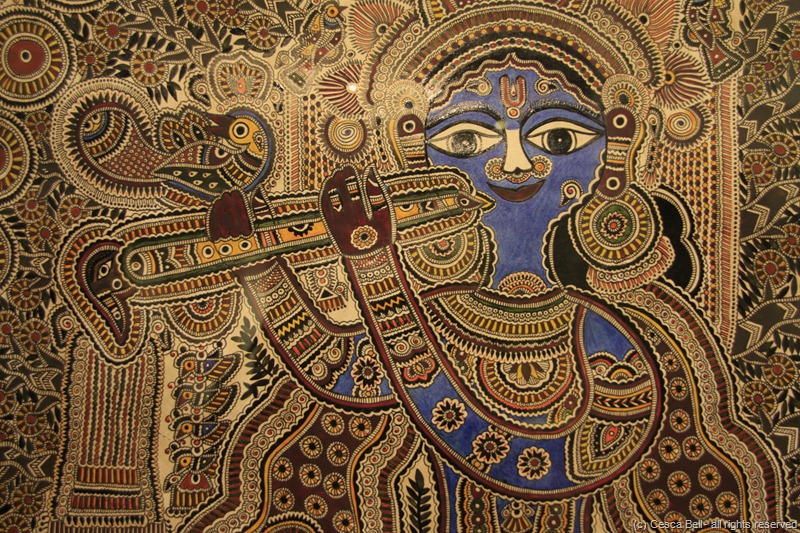
Pattachitra (from *patta* meaning “cloth” and *chitra* meaning “picture”) is a traditional scroll painting that originated in the 11th century in the temples of Odisha and West Bengal. The medium uses cloth, paper, or bark as the base, but the most celebrated works are those painted on *pattachitra* cloth—a special, thick cotton canvas. The pigments are derived from natural sources: *turmeric* for yellow, *indigo* for blue, *turpentine* for white. The paintings are renowned for their fine lines, intricate detailing, and brightly vivid colors that have a luminous quality.
The themes of Pattachitra revolve around Hindu mythology—stories of Krishna, Shankara, and the divine couples of Radha and Krishna. Over the centuries, the art evolved to include local folk tales and social scenes, offering a window into the socio-cultural fabric of Odisha.
2.2 Decline in the Modern Age
The decline of Pattachitra was driven by:
The Rise of Mass Media: With the advent of cinema and television, religious narrative turned to film, reducing the importance of visual storytelling in religious and domestic spaces.
Urban Migration: Many artisans left rural villages for better opportunities in cities, leading to a talent drain.
Market Saturation: Commercial replicas and cheap imitations flooded the market, undercutting authentic artists.
Until the early 2000s, only a few dozen master painters remained, primarily in the town of Fakiragram.
2.3 Resurgence and New Directions
2.3.1 Government and NGO Initiatives
The *Odisha Department of Culture* partnered with the *National Institute of Design* (NID) to launch a scholarship program for young Pattachitra artists. These scholarships covered training, access to high-quality pigments, and exposure to workshops across India. The program also provided a stipend to cover living expenses.
An NGO called *Bhanupani* started a “Pattachitra in the Classroom” initiative, bringing living artists into schools to teach children about the technique, thereby ensuring a broader knowledge base.
2.3.2 Commercial Adaptation
Modern furniture designers and interior architects began incorporating Pattachitra motifs into contemporary furnishings. A notable example is the *Rasa* furniture line, which uses Pattachitra paintings printed on upholstery for liverooms across New Delhi. The blend of tradition with modern aesthetics appealed to both heritage lovers and design aficionados.
Meanwhile, Pattachitra artists collaborated with the luxury fashion brand *Ritz & Co.* to design a collection of embroidered shawls, thereby bringing the art to the global market.
2.3.3 Digital Presence
The *Pattachitra Art Portal*, launched in 2017, aggregates galleries, artist profiles, and a marketplace where buyers can purchase original pieces or commissioned works. The portal also runs a virtual reality (VR) feature that lets visitors “walk” through a Pattachitra workshop, offering an immersive understanding of the craft.
In addition, an Instagram hashtag, #PattachitraVibes, has gathered a community of over 60,000 followers, with artists posting daily process videos, behind‑the‑scenes glimpses, and finished works, thus reaching a younger audience.
2.4 Socio‑Economic Impact
A 2021 case study in the *Journal of Rural Development* highlighted that the revival of Pattachitra has increased average household income in Fakiragram by 25% over five years. More than 300 apprentices are currently engaged in Pattachitra, and several have moved into related fields such as textile design and heritage conservation. The art’s revival has not simply preserved a craft—it has revitalized a community’s economy and identity.
3. Puppetry: From Shadow to Screen
India’s puppetry scene is incredibly diverse. From the shadow puppets of the *Kathputli* tradition in Rajasthan to the marionettes of the *Rangoli* theater in South India, puppetry has historically served as a medium for storytelling, moral instruction, and community bonding. However, as media evolved, the art form faced existential threats. Today, however, it is experiencing a renaissance through innovative storytelling, digital platforms, and cross‑disciplinary collaborations.
3.1 Kathputli – The Shadow Puppets of Rajasthan
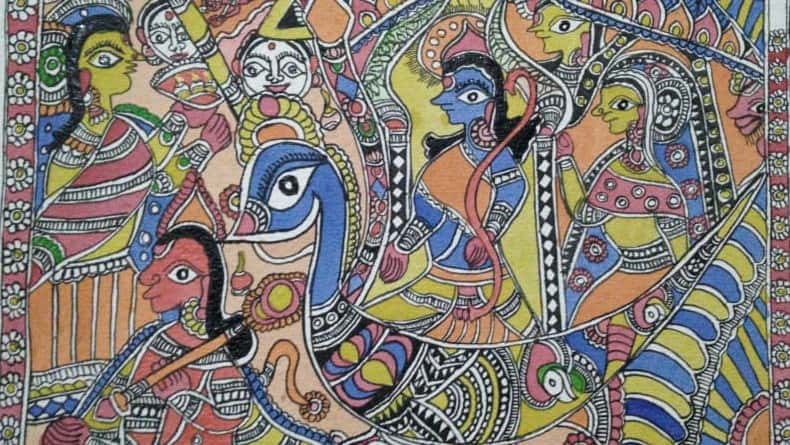
3.1.1 Tradition and Technique
Kathputli, which literally means “thread puppet,” involves intricate puppet-making techniques using leather, wood, and bamboo. The puppets are usually about 7–10 inches tall and attach to a stick that the puppeteer, or *kathputla*, manipulates. Traditional Kathputli performances are performed at night, with the puppet staged behind a cloth backdrop, illuminated by a single lamp, producing a dramatic interplay of light and shadow.
The narratives primarily cover Indian epics—Mahabharata, Ramayana—and local folklore. The performers, often from the *Madheshi* community, also function as singers, storytellers, and musicians, creating a holistic theatrical experience.
3.1.2 Decline
With the rise of televised dramas and digital entertainment, the traditional venues for Kathputli—weddings, community gatherings, and rural festivals—were replaced by modern forms. The younger generation, seeking stable incomes, turned to other professions, and the delicate art of puppet-making was at risk of disappearing.
3.1.3 Revival
National Cultural Academy: In 2015, the National Institute of Traditional Performing Arts (NITPA) began a “Kathputli Outreach Program” teaching puppet-making and performance skills to teenagers in urban schools. The program paired Masters with students, offering a stipend for participation and providing tuition-free training.
Digital Performances: The puppet troupe *Jangli Charan* collaborated with the popular YouTube channel *Viral Veda* to produce a series of short, mythological videos. These videos went viral, drawing millions of views, thereby re‑introducing Kathputli to a global audience.
Film & Television: Bollywood filmmakers are increasingly incorporating Kathputli into films for authenticity. For instance, the 2021 Indian romantic drama “Kahin Paas” used a Kathputli performance as a pivotal scene, leading to renewed interest in the art.
3.2 The String‑Tied Neighbours: Pammana and Bommalata
While Kathputli is the most renowned, other puppetry traditions have also made a comeback, such as:
Pammana (Burmese puppetry): Although Burmese, Pammana’s influence has spread to the northeastern states of India. The government of Assam has launched an initiative to incorporate Pammana workshops into school curricula.
Bommalata (Bengal): The traditional puppet theater of West Bengal, Bommalata has recently been merged into the “Bengal Heritage” program, where local artists are mentored to preserve the art, and a digital archive of 100+ performances has been created.
3.3 Impact of the Comeback
Puppetry’s resurgence has had a ripple effect beyond the arts:
Tourism: In Rajasthan, the 2022 “Kathputli Festival” attracted over 50,000 visitors, boosting local hospitality businesses.
Employment: An estimate of 400 artisans now earn a living through puppet-making and performances across various states.
Educational Integration: By incorporating puppetry into school curriculums, children benefit from the developmental advantages of storytelling, creativity, and empathy.
4. The Drivers of Revival
The resurgence of these once‑forgotten art forms is not a mere happenstance. Several interconnected factors are creating a conducive environment for cultural revival.
4.1 Government Policies and Institutional Support
Cultural Legislation: Both central and state governments have adopted policies that provide financial incentives, tax breaks, and land grants to artisans.
Skill Development Programs: Initiatives such as *Skill India* and *National Handloom Mission* have integrated traditional arts into their skill training modules.
4.2 Economic Incentives
Market Creation: The rise of “ethnic” and “authentic” consumer segments has created a ready market for original, handcrafted works. E‑commerce platforms, such as Etsy, Amazon Handmade, and India’s own *Jaypore*, allow artisans to access global customers.
Fair Trade Models: Non‑profit organizations and cooperatives are now ensuring that artisans receive a fair share of the profits, breaking the historical exploitative supply chain structures.
4.3 Digital Platforms and Social Media
Visibility: Platforms like Instagram, TikTok, and YouTube enable artists to showcase their work to a global audience. Live‑streamed workshops, “day‑in‑the‑life” reels, and behind‑the‑scenes videos have humanized the artisans, building a loyal follower base.
Community Building: Dedicated hashtags and online forums allow artists to exchange techniques, collaborate on cross‑regional projects, and provide mentorship.
4.4 Educational Integration
School Curricula: From primary to tertiary levels, schools are incorporating art heritage into lesson plans, often through hands‑on projects. The *National Education Policy* (NEP 2020) emphasizes cultural literacy and creative learning.
University Partnerships: Institutions such as the *National Institute of Design* (NID) and *National School of Drama* (NSD) have started special research and curriculum modules dedicated to traditional arts.
4.5 Cultural Tourism
Experience‑Driven Travel: Tourists increasingly seek immersive cultural experiences. Destinations that showcase live art demonstrations, workshops, and heritage houses attract visitors who are willing to pay a premium for authenticity.
5. Aesthetic Reinterpretation: Modern Artists Meet Ancient Techniques
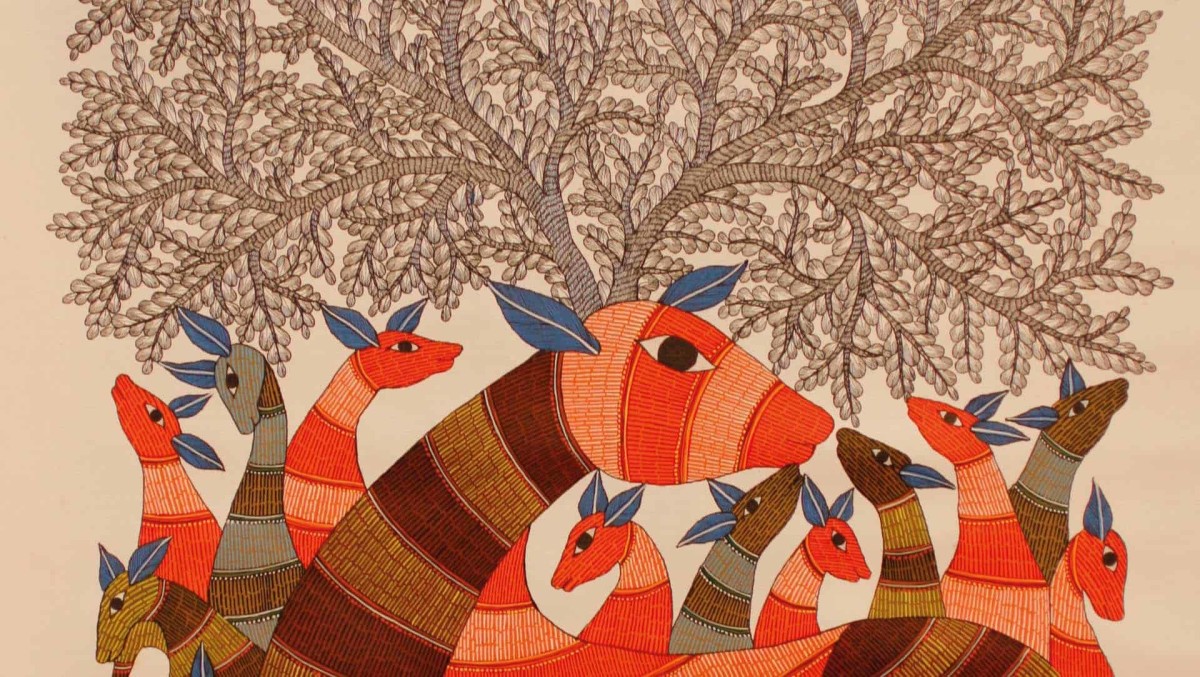
One of the most exciting aspects of the revival is how contemporary artists reinterpret these traditions in new contexts.
5.1 Contemporary Collaborations
Maya Ganesh: The contemporary artist from Mumbai has used Rogan painting techniques to create abstract canvases for the *Modern Art Museum of India*. Her series “Oil & Echo” explores the interplay between tradition and modernity, resonating with international audiences.
Rohan Trivedi: A fashion designer from Delhi has adopted Pattachitra motifs for haute couture gowns, introducing the art to runway shows worldwide.
5.2 Cross‑Disciplinary Projects
Tech Meets Tradition: A start‑up called *HeritageTech* is developing a mobile app that uses augmented reality (AR) to overlay Pattachitra patterns onto modern products. Users can scan a plain wall and see it transform into a living scroll, bridging the gap between past and present.
Digital Storytelling: The *Puppetverse* project combines traditional puppetry with virtual reality (VR), allowing users to experience a Kathputli performance from a first‑person perspective, complete with interactive storytelling elements.
6. Challenges That Remain
While progress is encouraging, several challenges persist:
Sustainability of Income: Despite increased demand, artisans often struggle with inconsistent orders and high material costs.
Skill Dilution: Fast replication of techniques can lead to loss of authenticity if not properly guided.
Documentation and Intellectual Property: Many traditional artists lack legal frameworks to protect their intellectual property, leaving them vulnerable to exploitation.
Urbanization Pressure: As cities expand, traditional villages are often razed, disrupting community-based crafts.
Addressing these challenges requires continued collaboration among governments, NGOs, academia, and the private sector.
7. The Cultural Significance of Reviving Forgotten Arts
Re‑introducing these art forms does more than preserve techniques—it re‑establishes a cultural identity that has been marginalized by rapid modernization.
Intergenerational Dialogue: When elders teach younger generations, cultural continuity is strengthened, ensuring that knowledge is not lost.
Social Cohesion: Craft communities often maintain strong social networks, providing mutual aid and fostering collective resilience.
Economic Diversification: Artisanal economies offer alternatives to the traditional labor market, reducing migration and maintaining rural livelihoods.
More Read

8. The Future: A Living Heritage
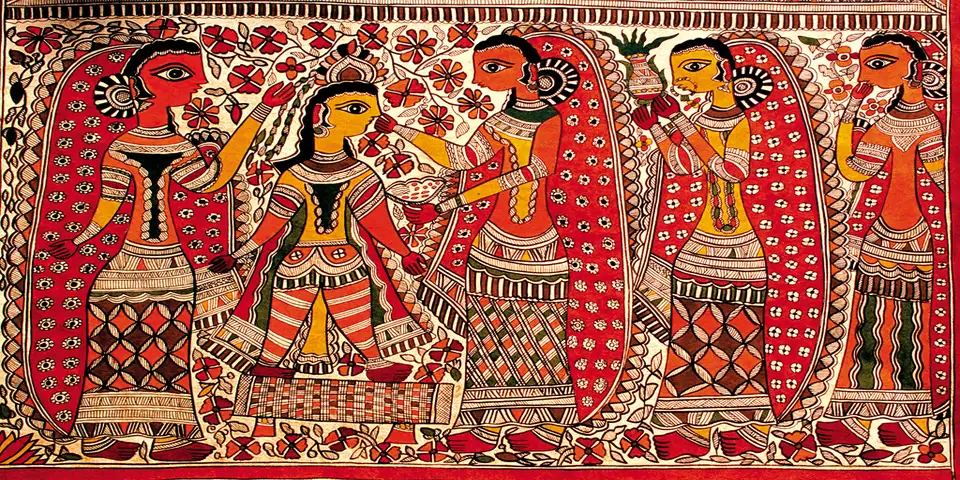
If the current trends hold, we may see a future where traditional art forms are no longer relics but active contributors to the cultural economy. By weaving old techniques into modern media, technology, and commerce, India can showcase its rich heritage to the world while simultaneously generating sustainable livelihoods for its artisans.
In the near future, we might witness:
Smart Craft Centers: Equipped with digital tools, AI‑driven design software, and nano‑materials, these centers will allow artisans to experiment within the bounds of authenticity.
Global Collaborations: Co‑creations between Indian artisans and international designers could pave the way for cross‑cultural, hybrid art forms.
Policy Evolution: Laws protecting intangible cultural heritage may become more robust, ensuring that artists receive due recognition and compensation.
9. Conclusion: The Renewal of Cultural Memory
The stories of Rogan painting, Pattachitra, and puppetry are powerful reminders that cultural revival is a living, breathing process. It requires collective will, creative vision, and institutional support. As we watch these art forms bloom from the fertile ground of revival initiatives, we are reminded that heritage is not static; it evolves, adapts, and finds relevance in new narratives.
In the grand tapestry of India’s cultural heritage, the forgotten threads are being woven back with vibrant color, ensuring that the future remains richly textured with the wisdom, skill, and stories of the past. It is a cultural renaissance worth celebrating, supporting, and, most importantly, experiencing firsthand.
*“When we honor the forgotten arts, we honor ourselves. Each brushstroke, each puppet’s movement, each inked line tells not just a story, but a promise to carry forward a legacy that is, at its core, deeply human.”*