
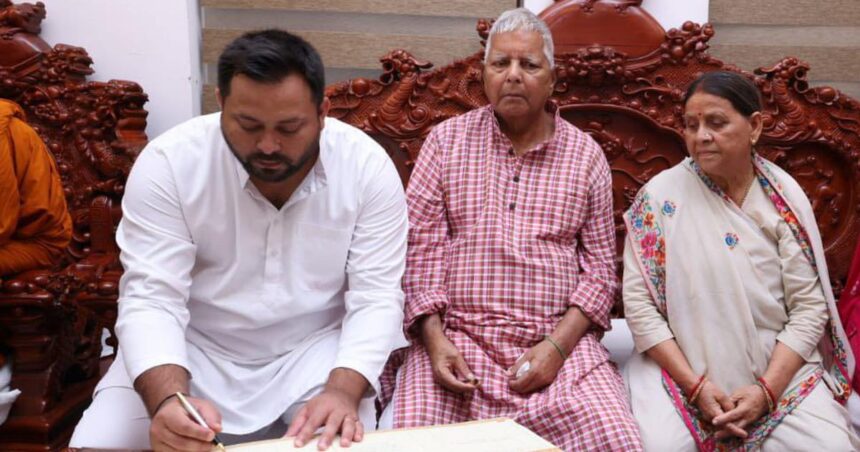
In a significant development in Indian politics and law, a Delhi court has framed charges against former Railway Minister Lalu Prasad Yadav, his wife Rabri Devi, and their son Tejashwi Yadav in the alleged Indian Railway Catering and Tourism Corporation (IRCTC) hotel scam. The case, which has been under investigation for several years, pertains to alleged irregularities in the awarding of maintenance contracts for two IRCTC hotels located in Ranchi and Puri during Lalu Prasad’s tenure as Railway Minister from 2004 to 2009.
Background of the IRCTC Hotel Scam
The IRCTC hotel scam revolves around the alleged manipulation of the tendering process for the operation and maintenance of two railway hotels. The Central Bureau of Investigation (CBI) alleges that during Lalu Prasad’s tenure as Railway Minister, the maintenance contracts for these hotels were awarded to a private company named Sujata Hotels. In return, the Yadav family allegedly received a prime plot of land in Patna through a shell company at a fraction of its market value.
The CBI’s charge sheet names Lalu Prasad Yadav, Rabri Devi, Tejashwi Yadav, and several others, including Sarla Gupta, the wife of former Union Minister Prem Chand Gupta, as accused in the case. The charges include criminal conspiracy, cheating, and provisions under the Prevention of Corruption Act.
Court’s Decision to Frame Charges
On October 13, 2025, Special Judge Vishal Gogne of the Rouse Avenue Court in Delhi formally framed charges against the accused. Lalu Prasad Yadav faces charges under sections 120B (criminal conspiracy) and 420 (cheating) of the Indian Penal Code (IPC), along with provisions of the Prevention of Corruption Act. Rabri Devi and Tejashwi Yadav have been charged with criminal conspiracy and cheating under the IPC.
The court observed that there was sufficient prima facie evidence to proceed with the trial. The judge remarked that the accused had “engaged in conspiracy and abused their position” during Lalu Prasad’s tenure as Railway Minister.
Political Implications
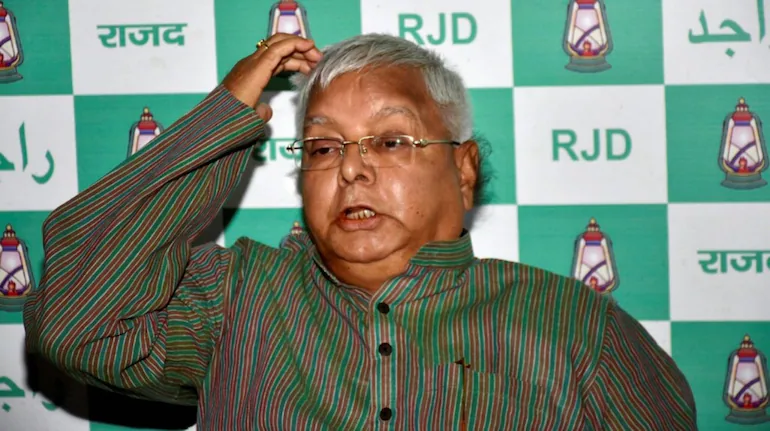
The timing of the court’s decision has significant political implications, particularly in Bihar, where assembly elections are scheduled for November 6 and 11, 2025. The Rashtriya Janata Dal (RJD), led by Lalu Prasad Yadav, is a major political force in the state. The framing of charges against the party’s top leadership has the potential to influence voter sentiment and impact the electoral prospects of the RJD.
Tejashwi Yadav, the Leader of the Opposition in Bihar, has termed the charges as a “political vendetta” aimed at tarnishing the image of the Yadav family ahead of the elections. He alleged that the legal action was strategically timed to coincide with the election schedule, thereby casting a shadow over the RJD’s campaign.
Legal Proceedings and Next Steps
With the charges now framed, the case will proceed to trial. The court will examine the evidence presented by the prosecution and the defense. The accused have pleaded not guilty and have sought a fair trial. The legal proceedings are expected to be closely monitored, given the high-profile nature of the case and its political ramifications.
The trial will involve the presentation of witness testimonies, documentary evidence, and cross-examinations. The defense is likely to challenge the admissibility of certain evidence and question the credibility of witnesses. The outcome of the trial will depend on the strength of the evidence and the arguments presented by both sides.
Broader Implications for Governance and Accountability
The IRCTC hotel scam case underscores the importance of transparency and accountability in the functioning of public institutions. It highlights the need for stringent oversight mechanisms to prevent misuse of power and resources. The case also raises pertinent questions about the ethical conduct of public servants and the consequences of alleged corruption.
The legal proceedings will serve as a litmus test for the efficacy of India’s anti-corruption laws and the independence of its judicial system. A fair and impartial trial will reinforce public confidence in the rule of law and the judiciary’s ability to hold individuals accountable, regardless of their political stature.
Public Perception and Media Coverage
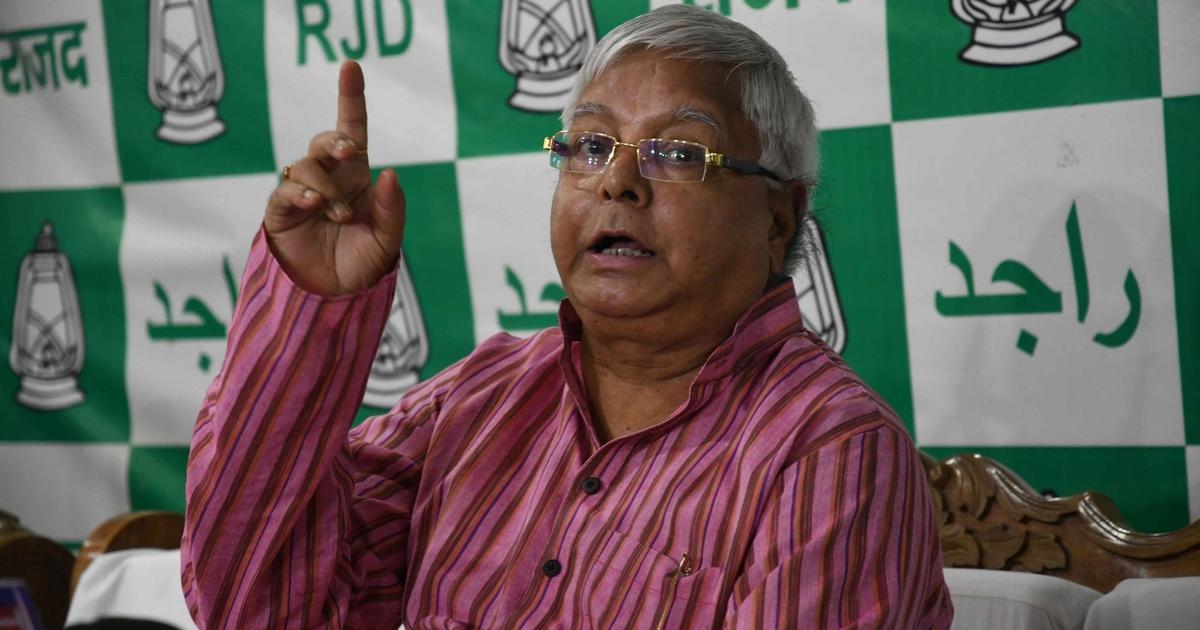
The media has extensively covered the developments in the IRCTC scam case. News outlets have reported on the framing of charges, the reactions of the accused, and the potential impact on the upcoming elections. Public opinion remains divided, with some viewing the charges as a legitimate pursuit of justice, while others perceive them as politically motivated.
Social media platforms have been abuzz with discussions and debates over the case. Supporters of the Yadav family have expressed solidarity, while critics have called for stringent action against the accused. The case has become a focal point of political discourse, with various stakeholders weighing in on its implications.