


Some media outlets recently published that Pakistan has been included in a modified U.S. missile contract which would see the supply of AIM-120 Advanced Medium-Range Air-to-Air Missiles (AMRAAMs) from Raytheon. These are among the more capable air combat missiles in modern arsenals, used for engaging aerial threats beyond visual range (BVR).
Key elements of these reports were:
-
The contract in question is a modification (dated around September 30, 2025) to an existing Foreign Military Sales (FMS) deal. This modification is said to have added Pakistan to the list of countries that would receive the new or enhanced AMRAAM variants — specifically the C8 and D3 models.
-
The value of the contract modification was cited at approximately USD 41.6 million, bringing the total contract sum (across all participating countries) to around USD 2.5 billion.
-
The contract was also stated to cover work to be performed in Tucson, Arizona, and with a completion target of May 30, 2030.
-
A number of other countries are listed in the same contract modification, including the UK, Poland, Germany, Australia, Japan, Saudi Arabia, Oman, Qatar, etc. The inclusion of Pakistan among them generated great media interest.
These reports suggested that Pakistan would receive new missile deliveries, effectively upgrading its air-to-air combat capability, particularly for its F-16 fleet, which employs AMRAAMs in some versions. The potential implications noted by analysts included a shift in regional aerial balance, concerns in India, and speculation about a warming relationship between Islamabad and Washington.
The U.S. Embassy’s Clarification: What They Say Is Not Happening
In response to the reports, the U.S. Embassy (acting through its platform in India) issued a clear and formal clarification, pushing back against many of the claims. The main points made in the clarification are:
-
No deliveries of new AMRAAM missiles to Pakistan
The embassy statement explicitly said that no part of the contract modification involves sending new AMRAAM missiles to Pakistan. The reports claiming that Pakistan would receive new weapons were declared false. -
The contract modification is about “sustainment and spare parts”
The official version is that Pakistan is named among many nations in a contract modification which pertains only to sustainment (i.e. upkeep, maintenance) and spare parts for systems it already possesses, rather than new equipment. -
No upgrade in capability
The embassy emphasized that this sustainment work does not amount to an upgrade of Pakistan’s current defense capabilities. So, while spare parts or maintenance help keep existing missiles and systems operational, they are not enhancements or additions that change combat performance or extend the envelope. -
Routine nature of the contract announcements
The clarification also noted that contracts for sustainment and spare parts are standard in U.S. defense procurement, particularly under the Foreign Military Sales framework. The fact that Pakistan is named in a sustainment contract is not exceptional or novel.
Technical & Strategic Aspects: Why AMRAAM Matters, and What “Sustainment” Means
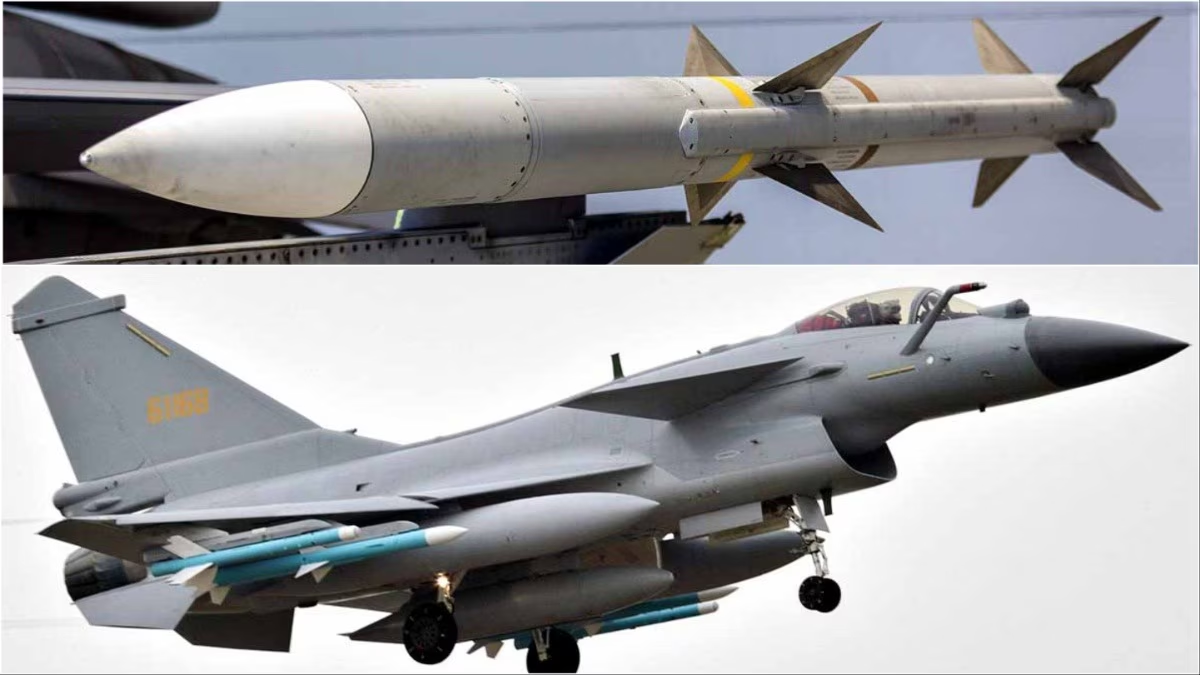
To understand why this matter generated strong reactions, it’s useful to consider what the AMRAAM is, how it fits into Pakistan’s current air defense / air combat capabilities, and what sustaining vs. upgrading entails.
-
AMRAAM Overview: The AIM-120 AMRAAM is a family of beyond-visual-range air-to-air missiles with active radar guidance. It is one of the most widely used BVR missiles among Western and allied air forces. Its variants differ in range, guidance, seeker sophistication, warhead, and counter-countermeasures.
-
Pakistan’s Existing Capability: Pakistan already has AMRAAMs in its inventory, especially on its F-16 Block-52 variant aircraft. These systems have been bought earlier and are part of the foreign military sales programs. So, Pakistan is not starting from scratch, but already uses the system.
-
Sustainment vs. New Deliveries:
-
Sustainment means maintaining, servicing, repairing, and replacing parts so existing systems continue to function as designed. It can include spare modules, maintenance of software, replacement of worn or obsolete components, calibration, etc. It does not include enhancements that increase performance (e.g. more range, better guidance, new seeker heads, etc.).
-
Upgrades / New Deliveries would mean adding capability: e.g. newer variants of AMRAAM with extended range, digital improvements, hardware modifications, additional missile stock, etc.
-
-
Why the Distinction Matters Strategically:
-
In a region like South Asia, air-to-air capability is a major determinant of deterrence and aerial combat balance. Even small upgrades can shift perceptions.
-
India and Pakistan both monitor each other’s military procurements closely; any indication that Pakistan might get new or more advanced air-to-air missiles raises concern in Indian strategic circles.
-
Internationally, sales of advanced weaponry often come with political implications, and suppliers (like the US) are sensitive to how such reports are interpreted in terms of policy, law, export controls, and foreign policy relationships.
-
Reactions and Interpretation: Diplomacy, Perception, and Media Role
Several observations emerge from how this episode has played out:
-
Media Amplification
The initial reports appeared to take the contract listing of Pakistan among participating countries as a sign of fresh missile deliveries. Headlines emphasizing “advanced missiles to Pakistan” gave the impression of an upgrade or new sale. Some reports did not clearly distinguish between “contract modification including spares” vs “delivery of new missiles.” -
Embassy’s Quick Pushback
The U.S. Embassy’s clarification indicates that Washington was keen to manage the narrative — to ensure that neither Pakistan nor India (nor other observers) misinterpret the contract as a capability change. The demarcation between sustaining existing systems vs. supplying new weapons is important for maintaining balance and avoiding escalation. -
Strategic Sensitivities
For Pakistan, being seen to get advanced weapons from the U.S. can be diplomatically beneficial, especially if relations are warming. On the other hand, for U.S. foreign policy (and arms export policy), there’s always concern about how such moves are perceived by other regional states, and whether they might trigger an arms race or destabilize cross-border tensions. -
Domestic Reactions and Speculation
In India, the reports stirred concern that it might upset the military balance. Analysts speculated that AMRAAM deliveries could enhance Pakistan’s ability to engage aerial threats over longer range.In Pakistan, some media and defence commentators welcomed the listing, viewing it as a sign of deeper cooperation with the U.S., though the clarification tempered expectations.
-
Credibility, Transparency, and Diplomacy
This episode underscores how important clarity and accurate wording are in defense contracts and in public announcements. The Foreign Military Sales mechanism is technical and includes many nations; naming a country in a contract for sustainment can easily be misinterpreted as an upgrade if not clarified.The U.S. likely has an interest in keeping its commitments transparent, avoiding miscommunication, especially when the geopolitical stakes are sensitive.
Potential Implications: If Either Version Were True
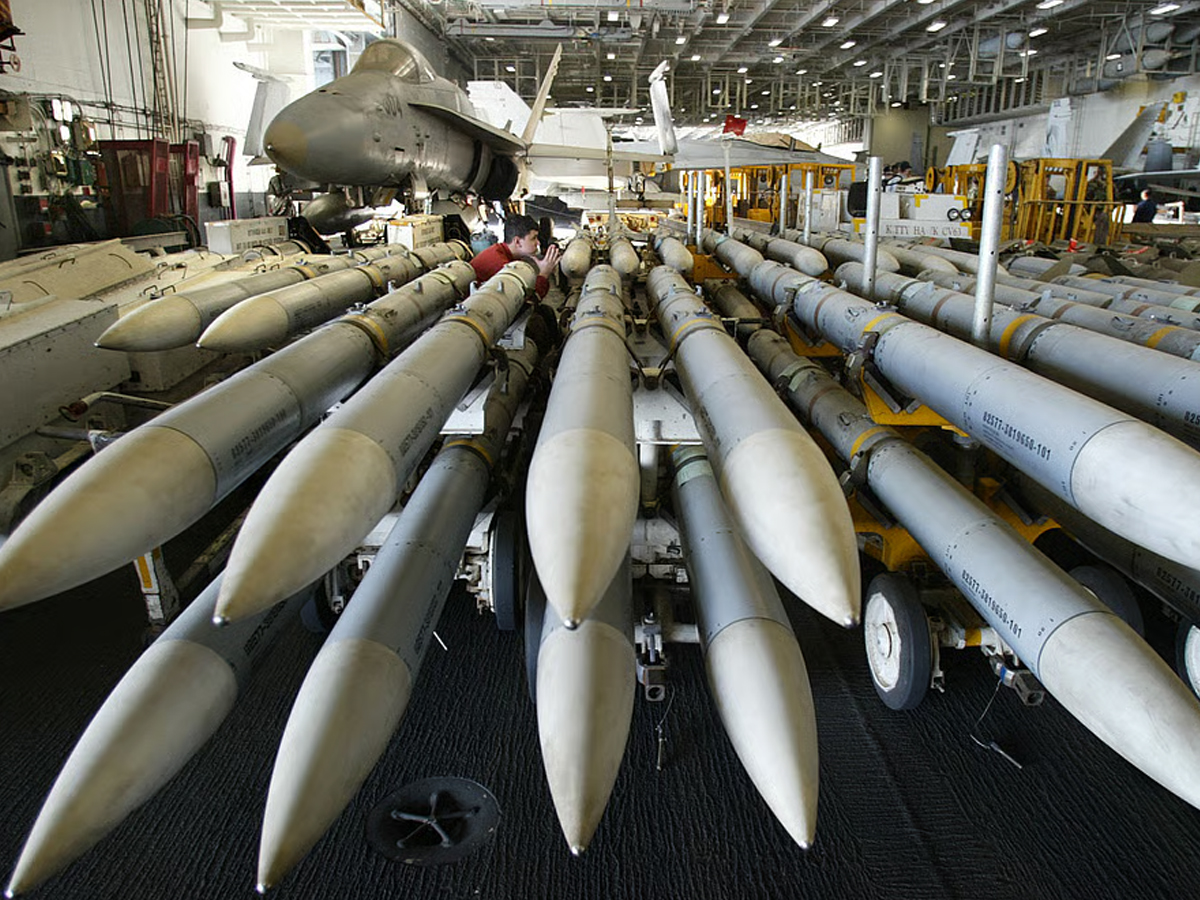
A. If Pakistan Received New AMRAAMs / Upgrades
-
Capability Boost: New C8 / D3 or more advanced AMRAAMs could extend the combat range, speed, countermeasure resistance, seeker quality, etc., of Pakistan’s F-16 fleet. That would improve Pakistan’s air-to-air interception capability, possibly affecting aerial dominance in contested airspace.
-
Regional Security Dynamics: Given India and Pakistan have a history of aerial skirmishes, and India’s own air defence upgrades, such a move could be interpreted as an escalation. India might accelerate its own procurements or upgrades, or revise its strategic posture.
-
Diplomatic Fallout or Signals: This could be seen as a strategic signal from the U.S. toward Pakistan — perhaps in response to recent diplomatic meetings, shifts in policy, or attempts to balance relations. It could generate concern in other regional actors (India, China) and in international forums.
-
Impacts on Arms Control / Export Policy: Depending on U.S. internal policy (Congress’s oversight, export control law, regional agreements), approving new missile deliveries to Pakistan could be subject to approvals, debates, and possibly resistance. Supply of new advanced weapons tends to attract tighter scrutiny.
B. Under the Clarified Version (Sustainment Only)
-
Maintaining Operational Readiness: Sustainment ensures existing AMRAAM missiles and associated systems in Pakistan remain functional, safe, and reliable. This prevents degradation over time, ensures safety, and helps with long-term budgeting and system preservation.
-
No Shift in Capability Envelope: Without new weapons or upgrades, there is no sudden shift in aerial combat capability. Thus, regional balances remain approximately as they were.
-
Less Diplomatic Tension: Since no arms enhancement is involved, there may be less reaction from other states who are sensitive to arms transfers. This helps avoid opening new diplomatic rows.
-
Political Leverage and Perception Management: For Pakistan, even being included in the sustainment contract may be used in domestic messaging as sign of continued partnership with the U.S., without actual acquisition of new armaments. For the U.S., it helps maintain diplomatic calibration.
Why This Matters Now: Timing and Context
There are a few reasons why the issue has become prominent now, and why the clarification was deemed necessary:
-
Recent Diplomatic Encounters: There have been high-level meetings between Pakistani leaders (e.g. Prime Minister, military leadership) and U.S. officials. These meetings may have led observers to expect heightened cooperation. The speculation over missile deals may be tied to those diplomatic overtures.
-
Defense Contract Announcements: The U.S. Department of War (or its equivalent) announced modifications to existing contracts that publicly list many participating nations. Such public contract notices are routine, but when a controversial nation is included or when arms export is implied, the media tends to parse them for hints of new capability transfers.
-
Regional Tensions: India-Pakistan tensions, especially after events such as border skirmishes or aerial confrontations, always put defense procurement, missile capabilities, and air superiority questions into strategic focus. News that might signal a shift is rapidly picked up and scrutinized by analysts and media alike.
-
Information and Misinformation Dynamics: In today’s media environment, initial reports may get amplified without careful reading of technical wording. Terms like “contract modification”, “listing among participating countries”, “variant names”, etc., can be misinterpreted. Thus, clarifications become necessary to manage narratives.
-
Legal / Export Control Concerns: Arms sales are tightly controlled. Export authorizations, foreign military sales rules, congressional oversight (in the U.S.), allied concerns, and global treaties all contribute to pressure for precise communication.
What’s Still Unclear, What to Watch

Even with the clarification, some aspects remain murky, and there are indicators that observers should monitor:
-
Exact Nature of Sustained Support: What specifically will be supplied under the sustainment contract? Spare parts, service life extension kits, replacement components, software patches? The more detailed the sustainment, the more critical it is for performance.
-
Whether Any Upgrades Might Slip In: While the official line is no capability enhancement, sometimes sustainment packages include improvements (e.g. to reliability, targeting software, signal processing) that near-upgrade standards. Observers may look for technical data or component spec sheets.
-
Timeline and Implementation: When will the sustainment take place? Which batches will be serviced? How will maintenance be scheduled? Will existing AMRAAM stock be refurbished, or will old missiles be scrapped or replaced?
-
Domestic Pakistani Reporting vs. U.S. Statements: Pakistani media / defense ministry statements may differ in tone or implication. It’s useful to compare local reporting and government statements with U.S. clarifications to see how the narrative is evolving at home.
-
Reactions from India and Other Neighbors: How India, China, and possibly other regional actors respond in their own defense procurement policies or diplomatic statements may indicate how seriously they take the initial reports vs. the clarifications.
-
Congressional / Oversight Reactions in U.S.: If there were any attempts or proposals to deliver new weapons, U.S. congressional bodies, defense oversight committees, or export control agencies might issue statements or requests for evidence. Any such moves would be revealing.
Broader Implications: Diplomacy, Strategy and Messaging
Beyond the narrow issue of the contract, this episode has broader implications in international relations, defense strategy, and how military-procurement news functions in today’s world.
-
Trust, Transparency, and Signal Management
Governments (especially powerful suppliers like the U.S.) must manage both what is said and what is perceived. If ambiguous contract announcements lead to widespread misunderstanding, it can lead to unnecessary regional tension or miscalculation. Quick clarifications help manage those risks. -
Defense Procurement as Diplomacy
Foreign Military Sales are not just about hardware; they are a tool of diplomacy, alliance, influence, and signaling. Who is included or excluded, what capabilities they are allowed to possess, how the contracts are worded—all send messages to allies and adversaries. -
Balancing Regional Concerns
The U.S. must balance its relationships in South Asia. Supporting Pakistan’s defense needs (or sustaining existing capabilities) must be calibrated against how India perceives moves, how China reacts, how regional stability is impacted. -
Media Literacy in Arms Reporting
This is a case study in how media reports can misinterpret technical defense contracting. The difference between “includes sustainment” vs. “includes new deliveries” is significant — but when reported simplistically, it can lead to misleading headlines. There is a need for careful, informed reporting. -
Long-Term Capability Maintenance
Sustainment contracts are crucial for countries that already possess complex weapons systems. Without proper maintenance and spare part supply, performance degrades. So even though sustainment is not glamorous headline-making like new missile deliveries, it is essential for effectiveness.