
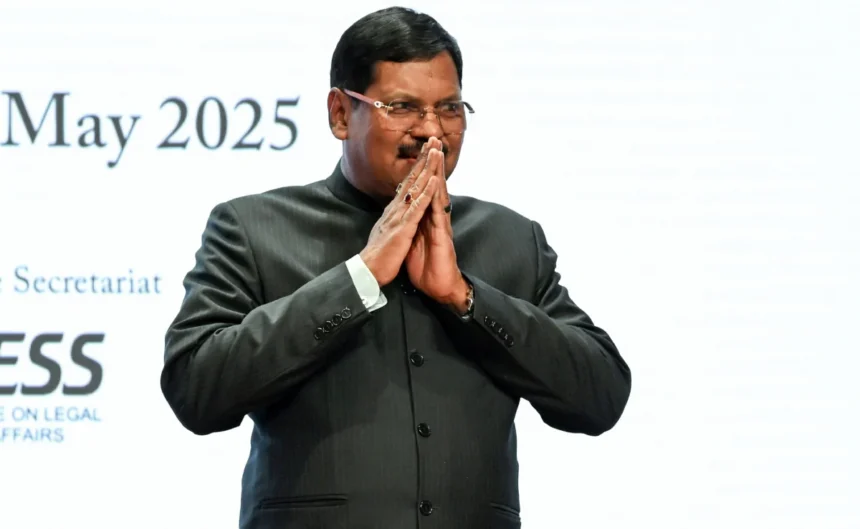
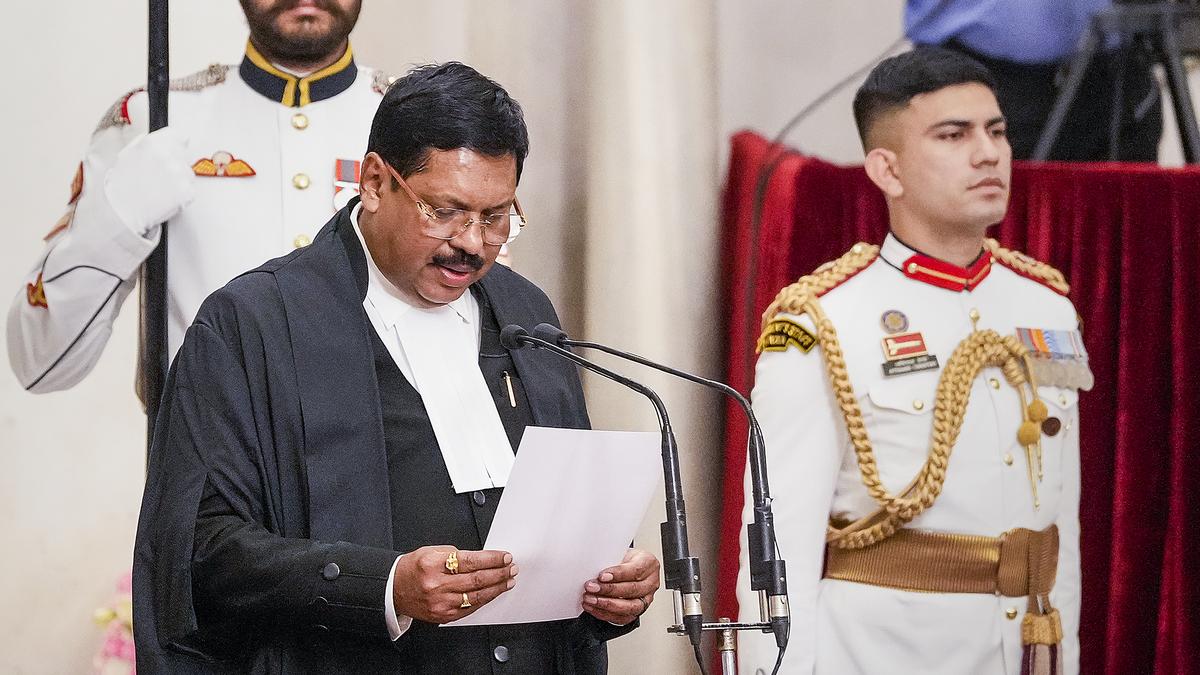
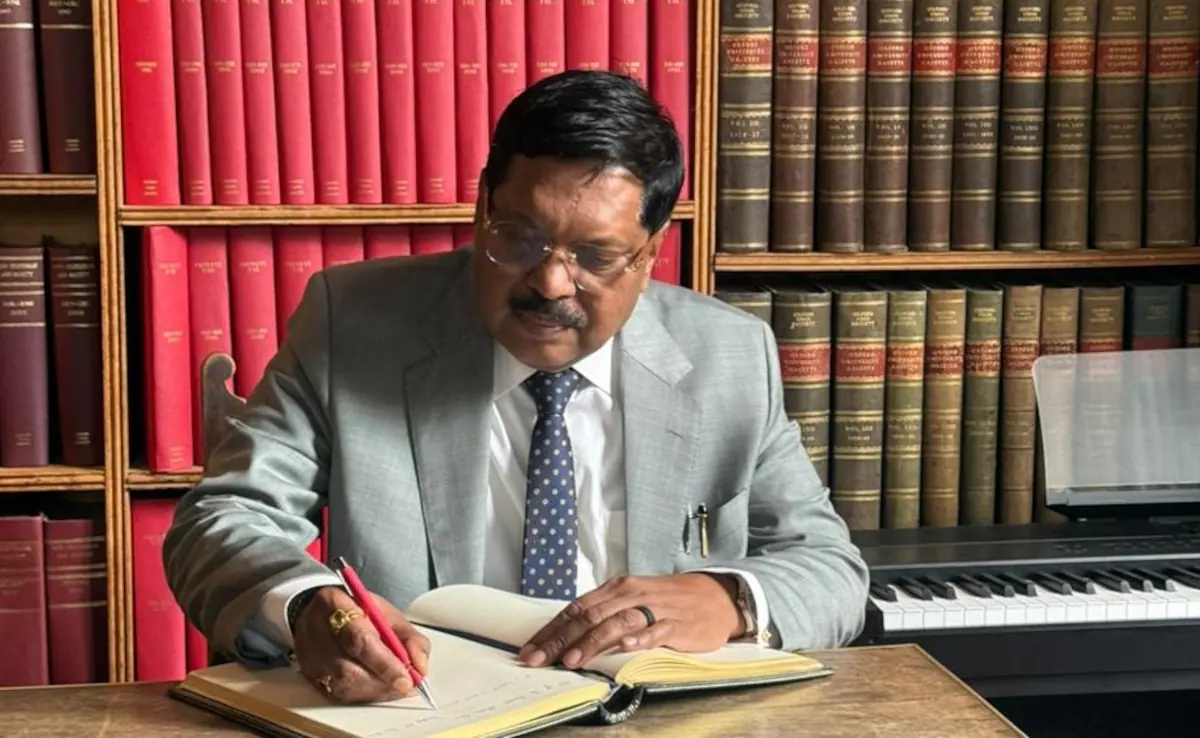
The ongoing debate over freedom of speech and the judiciary’s protection against contempt has resurfaced prominently following controversial social media posts targeting Chief Justice D.Y. Chandrachud Gavai. The incident has sparked discussions among legal scholars, journalists, policymakers, and citizens about the boundaries of expression, accountability, and the sanctity of the judiciary in a democratic society.
India’s Constitution guarantees freedom of speech and expression under Article 19(1)(a), yet it also allows for reasonable restrictions, including contempt of court under Article 129, 215, and the Contempt of Courts Act, 1971. The recent controversy underscores the tension between these constitutional protections and the judiciary’s need to maintain public confidence.
1. Background of the Incident
The controversy began when several posts on social media platforms appeared to criticize Chief Justice Gavai, alleging bias and questioning judicial decisions. While some posts were analytical and critical of rulings, others were perceived as defamatory or disrespectful, raising questions about whether they constituted criminal contempt of court.
This incident comes against a backdrop of increasing scrutiny of judges’ actions and rising social media activism. Ordinary citizens, journalists, and lawyers now have unprecedented platforms to express opinions about judicial decisions, blurring the line between legitimate criticism and actionable contempt.
2. Understanding Contempt of Court
Contempt of court is designed to protect the dignity and authority of the judiciary. In India, it is classified into two main types:
-
Civil Contempt: Willful disobedience of court orders.
-
Criminal Contempt: Actions or publications that scandalize or lower the authority of the court or interfere with the administration of justice.
The Contempt of Courts Act, 1971 specifies that criticism must not cross into scandalizing the judiciary. Courts have historically maintained that while citizens are free to express opinions, they cannot undermine judicial authority through false, malicious, or defamatory statements.
3. Freedom of Speech in India

Article 19(1)(a) of the Constitution guarantees the right to freedom of speech and expression, a cornerstone of democracy. This right allows citizens to critically examine government actions, policies, and institutions, including the judiciary.
However, Article 19(2) permits restrictions in the interests of:
-
Sovereignty and integrity of India
-
Security of the state
-
Public order
-
Decency and morality
-
Contempt of court
The challenge lies in balancing freedom of expression with the judiciary’s right to protect its credibility.
4. Social Media: A Double-Edged Sword
Social media has become a platform where debates about judicial decisions play out in real time. Posts, tweets, and blogs allow for:
-
Immediate public feedback on judicial rulings
-
Discussions on legal interpretations
-
Mobilization for judicial reforms
However, it also creates opportunities for misinformation, personal attacks, and defamatory content. In the case of posts against Chief Justice Gavai, the question arises: Do these posts represent legitimate criticism or criminal contempt?
5. Legal Precedents
Several Supreme Court rulings have shaped the contours of contempt law in India:
-
In Re Arundhati Roy (2002): The Supreme Court held that fair and reasonable criticism of judicial actions does not constitute contempt.
-
In Re Vijay Madanlal Choudhary (2013): Criticism must not scandalize the court or obstruct the administration of justice.
-
In Re S. Mulgaokar (1965): Publications that lower the authority of the court are punishable as criminal contempt.
These precedents show that the context, intent, and content of criticism are crucial in determining whether it constitutes contempt.
6. The Case Against the Posts
Legal experts argue that certain posts targeting Chief Justice Gavai may constitute criminal contempt because:
-
They contain malicious allegations without evidence.
-
They attempt to discredit judicial integrity rather than critique a decision.
-
They could influence public perception and erode confidence in the judiciary.
Courts maintain that the authority of the judiciary is not just symbolic; it ensures that citizens trust the system to deliver justice impartially. Undermining this authority can have far-reaching consequences for rule of law.
7. The Argument for Free Speech
Conversely, defenders of free speech argue that:
-
Citizens must have the right to critically discuss judges and rulings.
-
Social media democratizes public discourse, providing a platform for voices that otherwise have no access to judicial critique.
-
Contempt laws, if applied too broadly, risk stifling legitimate criticism and chilling public debate.
Critics warn that overzealous application of contempt laws can lead to self-censorship, weakening democratic accountability.
8. Balancing Rights and Responsibilities
The Supreme Court has repeatedly emphasized the need to strike a balance:
-
Freedom of Expression: Criticism must be allowed to ensure transparency and accountability.
-
Judicial Dignity: Malicious attacks or false claims that erode judicial authority must be restrained.
Legal scholars propose:
-
Clearer guidelines on what constitutes “scandalizing the court” in the age of social media.
-
Independent bodies to review online posts before criminal proceedings are initiated.
-
Awareness campaigns to educate citizens on responsible online criticism.
9. Role of Media and Public Opinion
Media coverage plays a pivotal role in shaping public discourse:
-
Balanced reporting can inform citizens about judicial decisions and legal controversies.
-
Sensational reporting or amplification of defamatory posts risks misleading the public.
Public debates on social media reflect societal tensions between democratic rights and institutional authority. How the judiciary responds to these challenges may set important precedents for India’s legal landscape.
10. International Perspectives
Globally, courts grapple with similar tensions:
-
United States: The First Amendment guarantees broad freedom of speech, even criticism of judges, but threats or obstruction can still trigger legal action.
-
United Kingdom: Contempt laws exist but are narrowly applied to protect fair trial rights.
-
Canada & Australia: Balance between judicial respect and free expression is maintained through case-specific assessments.
India’s challenge is unique due to social media proliferation and the cultural weight of judicial authority, necessitating a careful, context-specific approach.
11. Possible Reforms
Experts suggest several reforms to address the friction between free speech and contempt of court:
-
Digital Contempt Guidelines: Specific rules for online platforms regarding judicial criticism.
-
Proportional Punishments: Minor violations could attract warnings or educational measures rather than criminal penalties.
-
Judicial Transparency: Greater explanation of rulings can reduce misinformation and public frustration.
-
Awareness Programs: Educating citizens on the difference between fair criticism and malicious attacks.
Such measures could protect both freedom of expression and judicial credibility.
12. Ethical and Democratic Considerations
The case highlights broader ethical questions:
-
How can a democracy ensure respect for institutions while protecting individual rights?
-
Should citizens be allowed to question authority figures openly, even at the risk of reputational damage?
-
How can courts maintain authority without curbing legitimate discourse?
The answers to these questions will shape India’s approach to democratic accountability, media freedom, and judicial reform.
13. Mental and Social Impacts
Social media criticism of judges also has human consequences:
-
Judges and their families may experience stress, harassment, or threats.
-
Public trust in the judiciary may fluctuate depending on perceived impartiality.
-
Constructive debate is often lost when discussions devolve into personal attacks.
Responsible online discourse is critical to maintaining both judicial integrity and a vibrant democratic dialogue.
14. Case Outcome and Current Status
As of 2025, authorities are evaluating the posts and determining whether legal action for contempt is warranted. While no final judgment has been issued, the case has already prompted national reflection on freedom of speech, online conduct, and judicial accountability.
Legal analysts are closely watching:
-
Whether the posts are deemed malicious or legitimate criticism.
-
How the courts will balance constitutional rights against institutional dignity.
-
Implications for future cases involving online criticism of public officials.