Manali, the picturesque hill station nestled in the Himalayan state of Himachal Pradesh, has long been celebrated for its breathtaking landscapes, snow-capped mountains, and pristine rivers. Known as a hub for tourists seeking serenity, adventure, and the freshness of nature, Manali is often depicted in postcards, travel blogs, and social media feeds as the epitome of Himalayan charm.
In October 2025, however, the town witnessed an unusual natural phenomenon that captured the imagination of locals, scientists, and tourists alike: vast yellow pollen clouds drifting over the valley and streets of Manali. Videos and images of the glowing golden clouds have gone viral on social media, attracting millions of views and sparking curiosity across India and abroad.
This phenomenon is not only visually spectacular but also significant from ecological, environmental, and public health perspectives. Scientists, environmentalists, and local authorities are closely studying the event to understand its causes, impacts, and implications.
The Phenomenon: What Happened in Manali
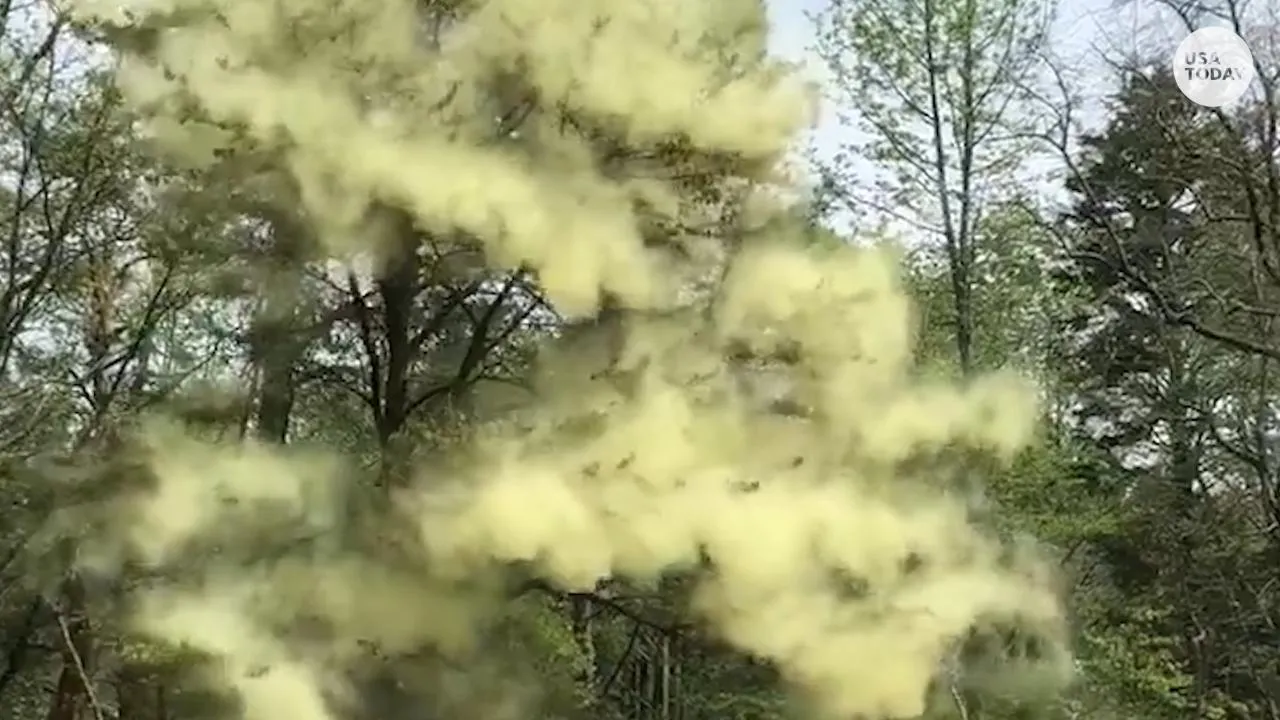
Residents and tourists reported seeing dense clouds of bright yellow particles floating through the air, covering streets, riverbanks, and even rooftops. The golden haze was particularly visible during early morning hours when sunlight filtered through the pollen-laden air, creating a surreal effect resembling a natural festival of colors.

Social media platforms like Instagram, Twitter, and Facebook exploded with images and videos of Manali bathed in golden yellow light. The hashtag #ManaliYellowClouds trended across India, while international viewers were equally fascinated, sharing the phenomenon widely.
Local guides reported that the clouds were dense enough to reduce visibility slightly in certain areas, while photographers captured stunning images reminiscent of a golden fog rolling through the Himalayan valleys. The phenomenon created an unusual blend of aesthetic beauty, scientific intrigue, and mild public concern.
Understanding the Science Behind Yellow Pollen Clouds

1. Source of the Pollen
The yellow clouds in Manali were primarily caused by massive pollen release from local flora, particularly trees and flowering plants native to the Himalayan region. The species involved include pine, oak, alder, and willow, all of which produce pollen during the peak of autumn.
In addition to trees, local agricultural crops such as mustard, rapeseed, and buckwheat can contribute pollen, particularly in areas where terraced farming is prevalent. Pollen grains are microscopic, lightweight, and easily carried by wind currents. During specific climatic conditions, such as dry spells combined with light winds, pollen can accumulate in dense clouds, creating the striking visual observed in Manali.

2. Climatic Conditions Favoring Pollen Clouds
Several environmental factors contributed to the formation of these clouds:
-
Temperature and Sunlight: Warm daytime temperatures followed by cool nights accelerated pollen release from flowers and trees.
-
Low Humidity: Dry air prevented pollen from sticking to surfaces, allowing it to float freely.
-
Gentle Winds: Light winds carried the pollen across valleys and towns without dispersing it too quickly.
-
Lack of Rainfall: A dry autumn period ensured that pollen remained airborne rather than being washed away.
The combination of these conditions created a perfect natural setting for mass pollen dispersal, turning the town into a golden spectacle.
3. Ecological Significance
While the pollen clouds may seem like a minor curiosity, they have important ecological functions:

-
Pollination: The pollen helps in the reproduction of flowering plants, ensuring biodiversity in the Himalayan ecosystem.
-
Food Source: Pollen serves as a nutrient-rich food source for bees and other pollinators, sustaining the local insect population.
-
Soil Enrichment: Pollen that settles on soil eventually contributes to nutrient cycles, improving soil fertility in forested and agricultural areas.
From an ecological standpoint, these pollen clouds represent nature’s way of maintaining balance and ensuring the survival of both plant and animal species.
Impact on Tourism and Public Reaction
The viral spread of images and videos has made Manali a focal point for both curiosity-driven tourists and environmental enthusiasts. Tourists flocked to vantage points, early morning riverbanks, and forested areas to witness the phenomenon first-hand.
Tourism Benefits
-
Increased Footfall: Local hotels, resorts, and homestays reported higher occupancy rates due to visitors eager to see the yellow clouds.
-
Local Business Boost: Street vendors, guides, and souvenir shops benefited from increased tourist spending.
-
Media Attention: The phenomenon generated global media coverage, further elevating Manali’s profile as a unique tourist destination.
Challenges
While aesthetically appealing, the pollen clouds also brought certain challenges:
-
Health Concerns: People with allergies, asthma, or respiratory conditions experienced mild to moderate discomfort. Local authorities issued advisories recommending masks or limiting outdoor exposure for vulnerable populations.
-
Visibility Issues: Dense pollen in some areas caused reduced visibility on narrow mountain roads, raising the risk of minor accidents.
-
Cleaning and Maintenance: Settled pollen created a yellow layer on cars, streets, and rooftops, requiring increased cleaning efforts for businesses and households.
Scientific Observations and Research Initiatives
Environmentalists and scientists in Himachal Pradesh quickly mobilized to study the yellow pollen clouds. Key focus areas included:
-
Species Identification: Cataloging the plants responsible for the pollen release. Early studies pointed to pine and alder trees as the primary contributors.
-
Air Quality Monitoring: Measuring pollen concentration in different areas of Manali to assess health risks and allergenic potential.
-
Climatic Correlations: Studying weather patterns to understand why the 2025 pollen release was unusually dense compared to previous years.
-
Long-Term Ecological Effects: Researching how repeated mass pollen dispersal may affect soil health, biodiversity, and the local food chain.
Several universities and research organizations have expressed interest in longitudinal studies, with the aim of publishing findings that could inform ecological management practices in other mountainous regions.
Historical Precedents and Comparisons
While pollen clouds are common in spring and early summer in various parts of the world, the scale of the phenomenon in Manali has been described as unprecedented in recent memory. Unlike temperate regions where pollen dispersal is gradual and localized, Manali experienced dense clouds visible across the entire valley, making it a unique event in the Indian Himalayan context.
Comparisons have been drawn to rapeseed blooms in European fields, but those events are largely agricultural. Manali’s clouds combine both forest and agricultural sources, adding a complex ecological dimension to the spectacle.
Cultural and Artistic Impact
The yellow pollen clouds have inspired local artists, photographers, and writers:
-
Photography: Instagram feeds and travel blogs are flooded with images of Manali bathed in golden light. Photographers have created thematic series highlighting the ephemeral beauty of the clouds against snow-capped mountains and pine forests.
-
Art and Crafts: Local artisans have started creating pollen-inspired paintings, murals, and handicrafts, symbolizing the town’s unique natural heritage.
-
Festivals and Events: Cultural organizations are exploring ways to integrate this natural event into seasonal celebrations, perhaps creating an annual “Yellow Pollen Festival” to celebrate ecological beauty and local traditions.
Environmental Awareness and Conservation Messaging
While visually spectacular, the yellow pollen clouds also serve as a reminder of nature’s delicate balance:
-
Climate Change: Scientists note that unusual pollen events may be linked to shifts in weather patterns, including temperature changes and altered rainfall.
-
Biodiversity Conservation: The event highlights the importance of protecting forests and native flora, which support ecological health and pollinator species.
-
Sustainable Tourism: Authorities are encouraging tourists to enjoy the spectacle without disturbing wildlife or natural habitats, emphasizing low-impact tourism practices.
The viral event has effectively turned Manali into a case study for nature-based ecological education.
Local Perspectives

Residents of Manali expressed a mixture of awe and pride. Elderly villagers described similar, smaller occurrences in the past, noting that such dense clouds are rare and often signal a good harvest for local crops.
Local tourism operators view the phenomenon as an opportunity to promote Manali as a year-round attraction, not just during the ski season or summer months. For them, the yellow pollen clouds offer a unique selling point for nature tourism, educational tours, and photography packages.
Health Guidelines and Public Safety Measures
To ensure public safety, the Manali Municipal Corporation and health authorities issued advisories:
-
People with respiratory conditions should limit exposure to dense pollen clouds.
-
Wearing masks and sunglasses is recommended for tourists exploring the valley.
-
Residents are advised to keep windows closed during peak pollen hours and maintain indoor air purifiers if possible.
-
Emergency medical services are on standby to assist anyone experiencing allergic reactions.
Authorities emphasized that, while visually dramatic, the phenomenon is largely non-hazardous for healthy individuals and is a natural ecological event.
Social Media Frenzy and Viral Popularity
The yellow pollen clouds quickly became a social media sensation. Key trends included:
-
#ManaliYellowClouds trending across India.
-
Travel influencers posting drone footage of golden valleys.
-
Live streaming of pollen clouds over rivers and forests, garnering millions of views.
-
Memes, GIFs, and short videos capturing the surreal effect, often comparing it to scenes from fantasy movies.
This digital attention has positioned Manali as one of India’s most visually spectacular destinations, drawing global interest in Himalayan natural phenomena.
Potential Long-Term Impact
-
Tourism Development: The viral attention could transform Manali into a specialized eco-tourism hub, attracting nature enthusiasts, photographers, and students of ecology.
-
Scientific Research: Researchers may conduct year-round monitoring of pollen events, contributing to global understanding of Himalayan ecology.
-
Environmental Policies: Authorities may introduce policies to preserve native flora, support pollinators, and protect sensitive ecosystems.
-
Cultural Integration: Local festivals and art forms may increasingly incorporate the pollen phenomenon as a symbol of natural beauty and spiritual significance.