The rape case of Unnao is not merely a district-based criminal case in Uttar Pradesh. It is a reflection of the justice system, political culture and reactions of the Indian society towards the victims of sexual violence. The case has over the years gained a status symbol as to how power may needle justice, but how courage can make the system act.
The center of this story is a young survivor who did not want to be quieted down even in those situations when everything was against her. Her struggle was the revelation of uncomplimentary realities regarding politics, law enforcement, and judicial dilations in India. This article goes into details explaining the Unnao rape case, including the occurrence, judicial reaction, the importance of political power, and what India will still have to learn.
The case of the rape of Unnao: the reason why it is significant to India
The Unnao rape case is relevant as it has involved three components that are intense to the Indian democracy; sexual violence, political authority, and institutional responsibility. One crime was not enough to address its questions.
How come that it took such a long time before something was done?

Why should the survivor have to go to the utmost institutions of the nation?
What political impact did it have on the first stages of the case?
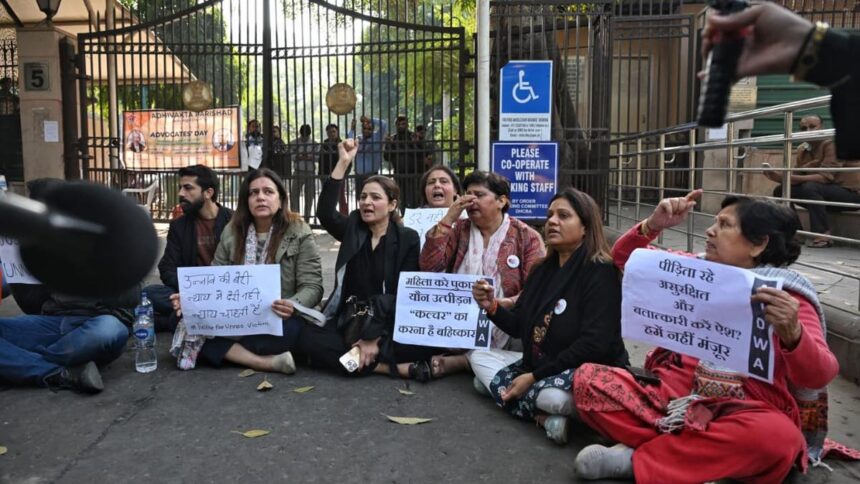
These were the questions that used to make the case of Unnao rape a national issue, which was debated in the Parliament, in courts, and in families throughout India.
Unnao rape case chronology: how the case transpired
The timeline of the Unnao rape case needs to be known. The case could not proceed in a linear fashion. It was characterized by procrastination, opposition, tragedy, and legal intervention in the end.
The victim claimed that a local high degree politician had sexually assaulted her. First, her complaint was not followed by a case with the police. It was one of the most disturbing elements of the Unnao case that could be described by legal experts later.

The survivor also attempted to pursue justice by appealing to the masses when the local authorities did not tackle the matter. She had even tried to commit suicide in front of the house of the top executive in the state. This was a desperate move that sent shock to the nation prompting action to be taken concerning the case.
It took wide indignation before a formal case was registered by the police. Settling here a long and painful legal career commenced.
The Unnao case and Political power: influence did count
A political status of the accused was also one of the peculiarities of the rape case in Unnao. He was not a regular citizen. He had political power, contacts, and resources being an elected representative.

Social power is a commonly translated political power in India. The power is able to intimidate witnesses, hold up inquiries and instill fear in the local communities. This fact was evident in the case of the Unnao political power very early.
The family of the survivor was under severe duty. Threats and intimidation were leveled. The case revealed the extent to which power may influence the speed and gravity of the law enforcement activity.
That is why Unnao rape case is frequently referred to in the context of criminalisation of politics in India.
The bravery of a survivor: why her minimum story was a call to change it.
The actual victim in Unnao rape case is not the victim herself; it is the way she handled the situation. She was driven by social stigma, loss of her personal life, but she did not give up in her quest to get justice.
Institutions had to take action because of her boldness. Higher courts might have never been contacted over the case unless she was insistent. Her narrative defied the general discourse that rural or marginalised survivors are not able to rise against the power.
The brave act of the Unnao survivor was seen as a fight against the invisible sexual violence in India where justice is never served.
She was not struggling on her behalf alone. Her struggle led to discussions of protection of the survivor, fast-track courts and responsibility of the elected representatives.
The Unnao rape case is associated with tragedies
The Unnao case is also a case to be remembered as a result of a series of tragic events associated with it. The father of the survivor was killed in custody following his arrest in a case that has been questioned as being questionable. This caused some serious issues on police power misuse.
The survivor was later injured in a road accident where two of her relatives died. This event only fueled public outrage and re-introduced the case of Unnao rape to the attention of society.
These occasions further proved the feeling that the survivor and her family were being targeted, as an organized act of evil deeds. By chance or design the similarity of such tragedies is that they feature in all those who stand up against the power.
Intervention of the Supreme Court in Unnao rape case
The Supreme Court played a very vital role in recovering trust in the process of law. Due to the perception of injustice and security, the case was shifted beyond Uttar Pradesh.
The Supreme Court was keeping track, compensating, and guaranteeing protection to the survivor. The intervention made emphasis on a greater judicial control over sensitive cases.
The Supreme Court intervention in the case of the Unnao rape is frequently mentioned as an example case of a constitutional court intervening in situations where the local system may have failed.
But it also posed a hard question, would the survivors be required to go all the way to the top court in the building to be granted the much needed protection?
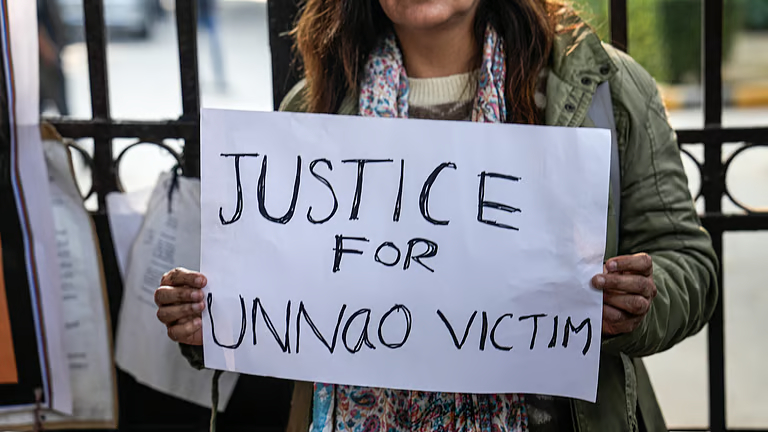
Unnao rape case- verdict: court ruling
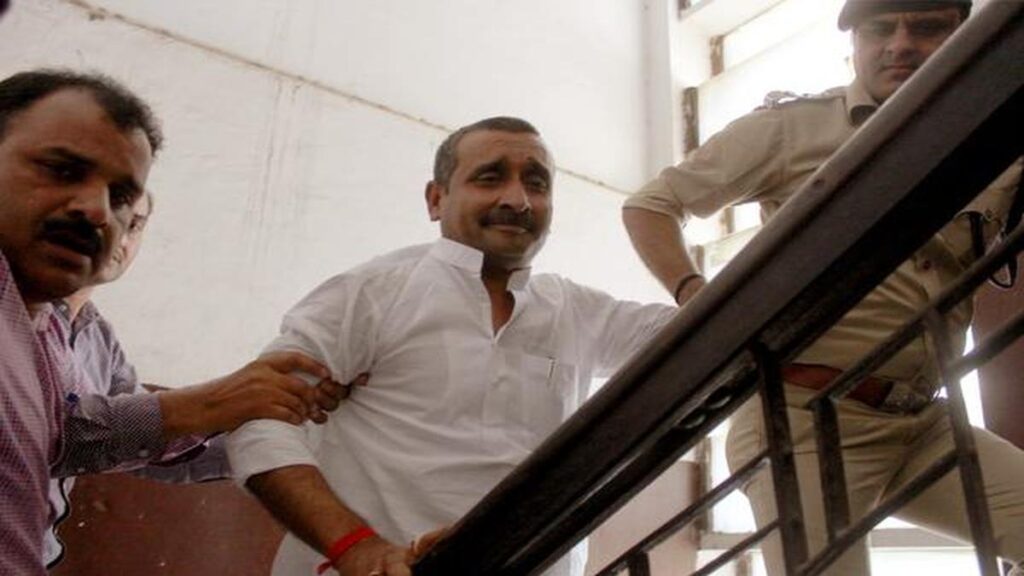
The trial court gave its verdict following several years of court battles. The established accused was found guilty and his sentence was to serve imprisonment.
The decision in the Unnao rape case was important in that it indicated that even strong people can be made to pay. To many of them, it held back some hope about the justice system.
Nonetheless, the decision failed to wipe the years of torture that the survivor had to put up with. Justice delayed is justice denied as many legal gurus put it, justice denied.
The case showed that they can be convicted but in most cases, it takes them a long struggle before conviction.
The explanation of why politicians who are convicted are occasionally spotted outside of jail
It is one of the most misunderstood things to the mass media that some politicians who have been convicted may be seen outside prison. The case of Unnao illustrated this fact of law to a lot of Indians.
Once someone is convicted, he or she can appeal. When the case is under appeal, the sentence may be suspended by the courts. This is not the cancellation of the conviction but it simply means the suspension of the punishment.
This clause in the law is in the name of due process, yet it tends to trigger mistrust in the community and particularly when dealing with high-profile court cases such as the Unnao rape case.
Recent developments and orders of the court in the Unnao rape case
The latest update of the Unnao rape case is usually associated with appeal cases, review of the sentence or similar cases. Orders such as custody, compensation or protection are periodically passed by courts.
Every court order is indicative of the slow yet religious nature of the legal system. This would be long-term emotional and legal involvement by the survivors even after the verdict.
The Unnao rape case court order update makes us remember that justice is not a one day affair, but rather a process that develops over years.
What the Unnao case tells us about the justice system of India
There were a number of systemic problems explained by the Unnao case:
- Late registering of complaints.
- Power as an influence on policing.
- The absence of immediate protection of the survivors.
- Lengthy trial processes
- Reliance on the superior courts to do justice.
Simultaneously, it also demonstrated the system strengths, namely, judicial review, media attention, and popular pressure.
The media and social outcry
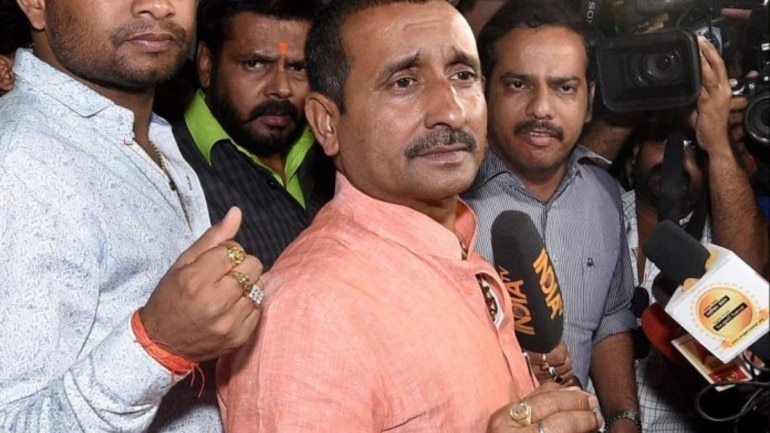
The media publicity had been instrumental in ensuring that the Unnao rape case remained in the memory of people. And unless it was sustained in reporting, the case might have vanished into obscurity.
Outrage amongst the people brought about accountability. It gave the institutions the wake up call that silence was not to take place. Nevertheless, journalism was also supposed to be responsible to prevent sensations and safeguard the dignity of the survivor.
Indian lessons: what has to change
The Unnao rape case justice process presents some explicit lessons:
- Complaints on sexual violence should be registered by the police.
- Automatic high-risk cases protection is required to survivors.
- Investigations should not be political.
- Criminal cases of high-profile persons should be expedited.
- The support of victims should not stop after the verdicts.
These are not a reform of a single case, but of the entire system.
The hero is not the victim of the survivor
Very often, the survivors are only remembered as the victims of something. The rape case victim of Unnao can be remembered because of what she was able to do, she challenged power, faced loss and went on with it.
Her boldness transformed the way people talked. She created a pressure on institutions to take action. She demonstrated that resistance is important in an unequal system.
The Unnao case is not just a matter of injustice in that regard. It is about courage.
Prospective examination: how justice ought to look in the future
Justice should not imply years of hard work and this, in part. Justice is action in time, security, respect and responsibility.
The Unnao rape case needs to be learnt by the legal and political systems in India. Laws alone are not enough. It is also essential to implement, be independent and empathetic.
Otherwise, the Unnao case will turn into another entry in a long line of failures in case these lessons are not taken into account. When they are made a reality, then it may turn into a turning point.
More Read
Final takeaways for readers
- The Unnao rape case is a historic case in the history of the Indian legal world.
- The bravery of the survivor turned around the case.
- The political power was a sluggish force in the way of justice.
- Accountability ended up being upheld by courts.
- There is still a need to make systemic reforms.
Indian justice should not be based on the volume of a scream made by a survivor, but the responsiveness of institutions.