In the rhythm of daily life—morning rush, work, kids, errands, cooking and snacking—many of us don’t pause to think how the items we casually bring into our pantry are shaping our future health. Yet, according to Dr Alok Chopra, a senior cardiologist from Delhi’s Aashlok Hospital, some of the most innocuous-looking foods are quietly pushing us towards diabetes. He recently shared four categories of foods that he recommends never to keep at home, because once they cross your doorstep, the temptation becomes constant.
This isn’t about scaring you. It’s about empowerment—knowing which foods are high-risk, how they affect your blood sugar and metabolism, and how you can restructure your environment to support health instead of hinder it. Let’s explore those four foods one by one.
1. Sugary Beverages & Packaged Fruit Juices
One of the biggest culprits is what you drink, not just what you eat. Dr Chopra flagged sugary drinks – from colas to “fruit” juices – as “nothing but sugar bombs that push you towards diabetes.”
Why they’re so dangerous
-
They deliver a rapid sugar spike: When you drink a cola or a packaged juice, the sugar (often high-fructose or glucose-fructose syrup) hits your bloodstream quickly. For someone predisposed to insulin resistance, this increases demand on the pancreatic β-cells, accelerates metabolic stress, and over time elevates risk of type-2 diabetes.
-
Liquid calories = less satiety. Unlike solid food, these drinks don’t make you feel full; so you may consume more calories overall.
-
Hidden sugars. Many juices or “healthy” drinks have sugar amounts similar to sodas. Many consumers believe they’re making a healthy choice—but they’re not.
-
Frequent intake builds habits. When such drinks are stocked at home, you sip casually, multiple times a day, adding up sugar loads even without “meals”.
Real-life scenario
Imagine you’re a working professional in Delhi, back from a hectic day, you open the fridge and see a chilled fruit-juice carton or an energy drink. It’s convenient, refreshing, and easy. But you may not notice the added sugar, the insulin spike, and the fact that over months, that habit may build up to pre-diabetes.

What you can do instead
-
Replace sweetened drinks with plain water, infused water (lemon, mint), unsweetened buttermilk or plain milk.
-
If you want fruit juice, make fresh homemade juice without added sugar and drink it immediately (rather than packaged).
-
Create a “safe zone” in your kitchen by not stocking sugary beverages at home; when you leave the house, you still have a choice—but you don’t make the habit easy.
2. Packaged Sweets, Cookies & Sweet Snacks

The sweet treats we keep on the shelf may be the worst-hidden traps. Dr Chopra listed “packaged sweets including mithai boxes, cookies, and gummies” as items to keep out of the home entirely.
Why these sweets matter
-
High glycaemic load: Cookies, mithai, gummies often combine refined flour (maida), high sugar, and sometimes trans-fats—they cause blood sugar to spike and insulin to surge.
-
Frequent nibbling: Having a box of sweets at home means access is constant; what starts as “just one” can easily turn into three or five.
-
Double burden: Many are high in sugar and unhealthy fats. This combination is particularly potent in raising risk of insulin resistance and metabolic dysfunction.
-
Magically addictive: Sweet taste triggers the reward system in the brain. The next time you feel stressed or tired, you may reach for a sweet snack—and that creates a habit loop.
Everyday story
On festival days or family gatherings, sweets are essential. But the problem is the “regular snack” stash: a cookie tin on the kitchen counter, a box of pudding or gummies in the cupboard. It’s the casual, everyday access that brings risk—not one celebratory day.
Smarter habits
-
Instead of stocking big boxes of cookies or sweets, buy smaller amounts and keep them outside the house (so that you have to go out to get them).
-
Make homemade desserts with jaggery, dates, oats—lower glycaemic index options.
-
Reserve sweets for special occasions—not everyday routine.
3. Salty Snacks: Chips, Namkeen & Fried Crunchables
Crunchy, savory, addictive. Salty snacks like chips, bhujia, masala fried namkeen may seem harmless, but Dr Chopra points them out as harmful because they “are loaded with refined oil and excess salt” and accelerates metabolic and vascular risk.
-
Oil + salt + high calories = perfect storm. These snacks are deep-fried in refined oils, often reused in manufacturing, creating trans-fat or oxidised-fat load.
-
Refined oils and fried foods correlate with weight gain, abdominal fat – a known risk factor for insulin resistance. Studies show frequent fried food intake is strongly associated with type-2 diabetes risk.
-
Frequent snacking undermines appetite regulation: if you start nibbling chips in the evening, you’re less full for dinner, more likely to eat irregularly, which worsens metabolic control.
Real-life angle
Picture the evening scene in an Indian household: you finish work, sit down with TV, reach for the pot of bhujia or some masala chips. The packet is open for everyone. One handful turns into two, three, more—and by bedtime you feel bloated, maybe crave sweet, sleep poorly, and next morning your blood sugar runs slightly higher.

Smarter swaps
-
Instead of deep-fried chips, try air-fried or baked options with minimal oil and low salt.
-
Replace namkeen with roasted chickpeas (roasted chana), lightly salted nuts, or homemade popcorn (air-popped).
-
Make a rule: say “no bags of salty snacks at home.” If you want them, buy small amounts outside and consume quickly—not leave the large stock.
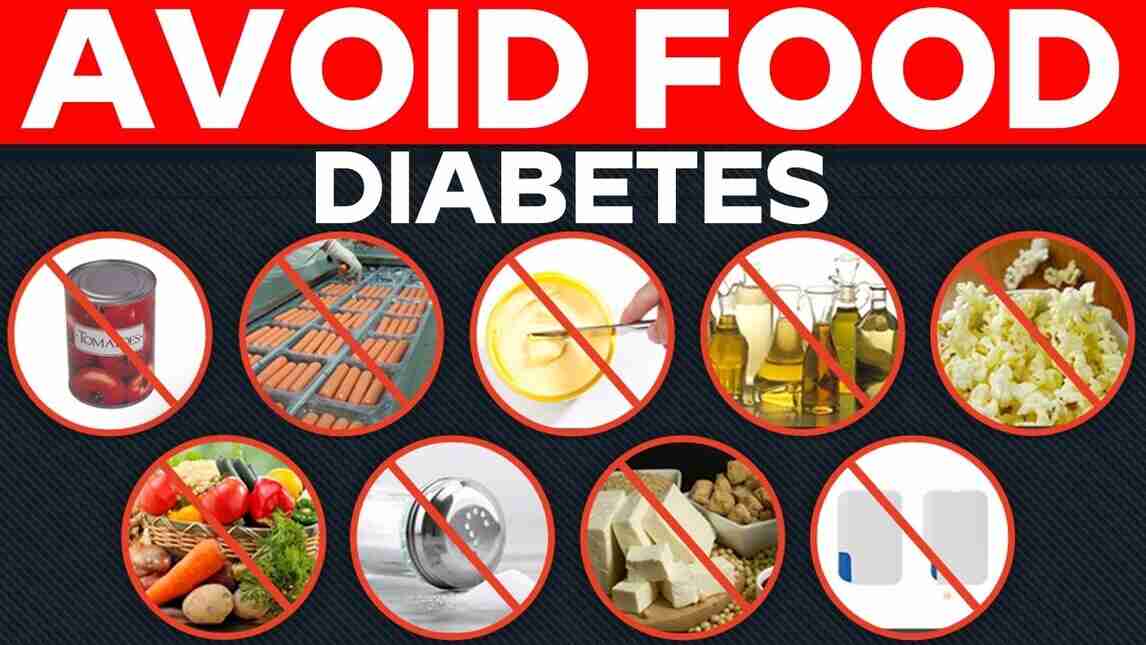
4. Processed Meats: Sausages, Salamis, Hot Dogs

This may surprise some—but processed meats like sausages, salamis, hot dogs were also flagged by Dr Chopra. He noted they’re “loaded with preservatives that are harmful for your heart and gut” and also contribute to diabetes risk.
How processed meats drive diabetes risk
-
Processed meats are high in saturated fats, sodium, nitrates/nitrites and other preservatives. These have been connected in multiple studies to insulin resistance, inflammation and higher risk of metabolic syndrome.
-
They often accompany other high-glycaemic foods (white bread buns, fries, ketchup)—so the meal pattern becomes doubly risky.
-
Frequent processed meat consumption is also associated with higher visceral fat, poorer insulin sensitivity.
Human context
In many households, the frozen section gets stocked with sausages for convenience. Maybe a weekend brunch has hot dogs. Maybe kids have salami sandwiches. It seems convenient, but over time such regular intake sets a metabolic pattern: high saturated fat + high sodium + processed preservatives = risk.

What to do instead
-
Choose fresh lean meats (chicken breast, turkey) or plant-based proteins (lentils, chickpeas, tofu).
-
If you crave processed meats occasionally, treat them as occasional instances—not pantry staples.
-
Read labels: if the product says “processed”, “cured”, “smoked”, “with nitrates/nitrites”, treat it as less desirable.
The Underlying Thread: Why These Items Matter for Diabetes
More Read

What ties these four categories together is their impact on insulin resistance, metabolic burden, body-weight gain, and chronic inflammation. Here’s what cardiologists and endocrinologists agree on:
-
Insulin resistance is the precursor to most type-2 diabetes. Foods that cause repeated spikes in blood sugar (like sugary drinks or sweets) raise insulin demand continuously and eventually exhaust the system.
-
Excess calories + poor quality fats + refined carbohydrates lead to weight gain—especially visceral fat around the abdomen—which is a major driver of metabolic syndrome and diabetes.
-
Processed foods & refined oils often carry trans-fats, oxidised fats, high sodium—all of which contribute to inflammation, endothelial dysfunction, and hence to both heart disease and diabetes.
-
Many people think: “I’ll eat healthy tomorrow,” but the real advantage is preventing the first insulin-resistance step. Cardiologist Dr Alok Chopra’s advice is pre-emptive: remove the risk factors before you even develop markers.
-
Your home environment matters: When unhealthy foods are stored in the kitchen, they become easy access. Dr Chopra emphasises: make your kitchen a safe zone. The fewer these items at home, the less you’ll be tempted and the fewer you’ll eat impulsively.
Building a Health-Safe Pantry
Turning theory into practice means changing what’s in your home. Here’s a step-by-step hygiene checklist you can follow:
-
Scan your pantry
-
Take one evening and check what snack items you have. Count how many items from the four high-risk lists are present.
-
Remove or reduce the items: sugary drinks, big boxes of cookies, fried snack stocks, processed meats.
-
-
Divide into zones
-
Consider the “safe snack zone”: roasted chana, nuts, seeds, unsweetened yoghurt.
-
The “external treat zone” (outside home or only on special occasions): chips, cookies, soft drinks, processed meats.
-
-
Rewrite your shopping list
-
Replace sugary drinks with large bottles of water + fruit for infusion or plain buttermilk.
-
Replace cookies with homemade oat biscuits or whole-grain crackers.
-
Replace fried snacks with roasted chickpeas, unsalted nuts, vegetable sticks.
-
Replace processed meats with fresh lean proteins (fish, chicken, legumes).
-
-
Make cooking the habit
-
When you cook more at home, you control sugar, salt, oil, ingredients.
-
Use cold-pressed oils, limit reused oils, avoid deep-frying frequently (echoing refined oil risk flagged by cardiologists).
-
-
Set limits, not deprivation
-
Don’t aim to never eat sweets or processed snacks; aim to not keep them at home so you have to consciously decide and go out to get them. That reduces effortless consumption.
-
This helps break automatic habit loops: “I open the cupboard, pick a sweet, sit in front of TV”—the simpler path becomes healthy snack.
-
-
Track your feelings and body signals
-
After removing the high-risk items, pay attention: do you feel less tired after meals? Is your hunger more controlled? Do your glucose levels (if you check) rise less after meals?
-
These positive feedback loops reinforce the habit.
-
The Emotional Side: Why We Struggle & How to Stay Motivated
Changing kitchen stock is simple on paper—but emotionally challenging in practice.
Why it’s hard
-
Emotional eating: We reach for sweets or snacks when stressed, bored, tired.
-
Family habits: If everyone else in the family eats these items, you feel left out.
-
Convenience: Packaged snacks and processed foods are convenient and require less effort.
-
Marketing and availability: Soft drinks, cookies, processed meats are everywhere. The environment encourages consumption.
How to overcome
-
Create new rituals: Instead of chips with evening television, replace with roasted chickpeas and a hot cup of green tea or infused water.
-
Involve family: Make it a family project—scan the pantry together; explore new snack swaps.
-
Celebrate small wins: If you’ve gone a week without stocking sugary drinks or processed meats, celebrate it—maybe with a healthy dessert treat out.
-
Educate: Understand the “why”. When you internalise that certain foods increase diabetes risk, you feel more confident about saying “no”.
-
Visual reminders: Keep fresh fruits visible, keep snack racks filled with healthy alternatives. The visible environment matters.
What the Experts Say: Evidence & Advice
Research backs the advice of Dr Chopra and others: ultra-processed foods, sugary drinks and refined grains correlate strongly with diabetes risk. For example:
-
A recent article in Hindustan Times summarised Dr Chopra’s list of four foods to avoid, emphasising that “ultra-processed foods may be convenient and irresistibly tasty, but frequent consumption can quietly take a toll on your health.”
-
Guidelines from health bodies such as the Indian Council of Medical Research (ICMR) emphasise limiting added sugars, processed meats and refined grains to reduce cardiometabolic risk.
-
A larger review of dietary patterns confirms that whole-food, plant-based, fibre-rich diets reduce risk of diabetes and cardiovascular disease.
In short: the foods you keep out are just as important as the foods you bring in.
Final Thoughts: Preventing Diabetes Starts at Home
What you stock in your kitchen, how you snack between meals, how you respond when cravings hit — these daily habits build your metabolic future. According to Dr Chopra, making the kitchen a safe zone by removing sugary drinks, packaged sweets, fried snack stocks and processed meats is one of the smartest steps you can take to prevent diabetes.
It’s not about deprivation—it’s about choice, control and environment.
-
It’s about saying: “Yes, I’ll have a treat when I go out, but I won’t keep the habit-forming trap at home.”
-
It’s about reducing the effortless temptations, so when you are tired or stressed you don’t mindlessly reach for the bag of chips.
-
It’s about thinking of health as part of your home, not just your gym or doctor’s visit.
If you carry one message from this article, let it be this:
Prevention begins with environment.