On October 14, 2025, the India Meteorological Department (IMD) officially declared the withdrawal of the southwest monsoon from West Bengal, signaling the end of the 2025 rainy season in the state. The monsoon, which arrived in June and peaked in July and August, has been crucial for agriculture, water resources, and the overall climate of the region. Its official withdrawal marks the transition from the humid monsoon phase to the dry, cooler post-monsoon and winter season.
While the announcement is a routine part of India’s seasonal cycle, it carries significant implications for agriculture, water management, energy consumption, and the socio-economic fabric of West Bengal. The withdrawal also sets the stage for weather patterns that will influence the winter cropping season, early winter rains, and even cyclone risks in the Bay of Bengal.
Monsoon 2025 in West Bengal: A Recap
West Bengal experienced a fairly typical southwest monsoon in 2025, with July and August seeing above-average rainfall in many districts, while September brought uneven precipitation across the state. Some of the key highlights of this monsoon season included:
-
Rainfall Distribution:
-
Northern districts like Darjeeling and Jalpaiguri experienced moderate rainfall, benefiting tea plantations and paddy cultivation.
-
Central districts including Burdwan and Howrah received adequate rainfall, supporting rice, jute, and maize crops.
-
Southern districts like South 24 Parganas saw slightly below-normal rainfall in September, which caused some stress to late-ripening crops.
-
-
Agricultural Impact:
The monsoon season played a vital role in the Kharif crop harvest:-
Rice (paddy) production remained robust due to sufficient water availability during the critical growth stages.
-
Jute, which is sensitive to excessive rainfall, saw localized challenges in southern districts.
-
Maize and pulses benefited from scattered showers, enhancing yields and supporting rural incomes.
-
-
Floods and Water Management:
While the monsoon was generally well-distributed, heavy localized rains in July led to temporary flooding in low-lying areas of Nadia, North 24 Parganas, and parts of Kolkata. The state irrigation department had to release water from reservoirs to manage excess inflows, which also affected road transport and small-scale urban infrastructure.
Overall, West Bengal’s monsoon this year was a balance of moderate to above-normal rainfall, with critical implications for soil moisture, groundwater recharge, and reservoir levels as the state enters the post-monsoon and winter seasons.

Southwest Monsoon Withdrawal: What Does It Mean?
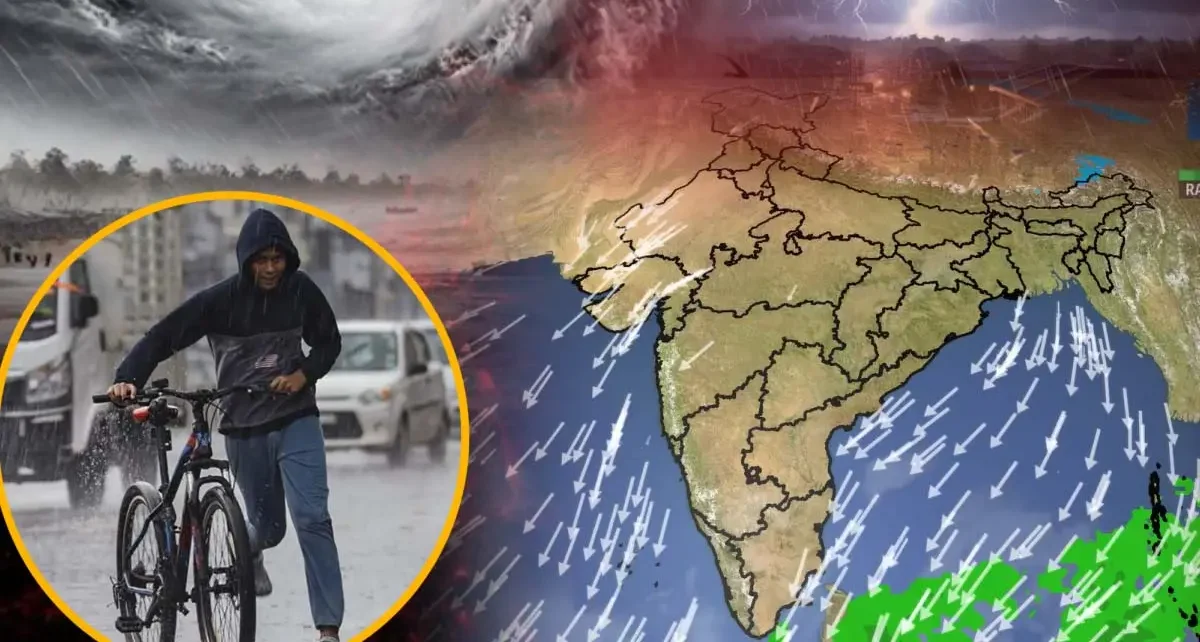
The withdrawal of the southwest monsoon is more than a meteorological statement—it marks a transition in rainfall patterns, temperature regimes, and agricultural cycles. Some immediate impacts include:
-
End of Heavy Rainfall:
With the monsoon withdrawing, heavy, continuous rains will stop, though occasional showers may occur due to residual monsoon activity or western disturbances. Farmers need to adjust irrigation schedules and harvest timing to avoid crop losses. -
Temperature Changes:
Post-monsoon, daytime temperatures gradually fall, while nights become cooler. Humidity levels decrease, leading to more comfortable weather conditions. For West Bengal:-
Daytime temperatures in the plains are expected to range from 25°C to 30°C in October, dropping further by November.
-
Night temperatures in northern districts may fall to around 15°C, while southern districts remain slightly warmer.
-
-
Soil Moisture and Water Resource Planning:
The withdrawal signals a shift in water availability:-
Farmers can prepare for winter crops like rabi rice, wheat, pulses, and vegetables, relying on residual soil moisture.
-
Reservoirs and groundwater levels will start to stabilize; authorities can begin winter water management plans for irrigation.
-
-
Shift in Weather Systems:
After monsoon withdrawal, western disturbances and northeast winds influence weather. This will lead to:-
Occasional light to moderate rainfall, especially in northern districts.
-
Cooler winds from the north, affecting day-night temperature variation.
-
Low chances of cyclonic activity in the Bay of Bengal until late October, but monitoring remains necessary.
-
Implications for Agriculture
The withdrawal of the monsoon is particularly significant for West Bengal’s agriculture sector, which contributes heavily to India’s rice, jute, and vegetable production. Farmers now need to plan rabi cropping, soil preparation, and irrigation.
1. Rabi Crops
Rabi crops are typically sown after monsoon withdrawal and harvested in winter and early spring. In West Bengal:
-
Wheat and Barley: Suitable for northern and central districts. Residual soil moisture from monsoon helps early growth.
-
Pulses: Chickpeas, lentils, and peas can be sown now, benefiting from cooler temperatures.
-
Oilseeds: Mustard, sunflower, and linseed can be cultivated, particularly in areas with less soil water retention.
-
Vegetables: Winter vegetables like cabbage, cauliflower, spinach, and tomato require preparation of raised beds and irrigation scheduling.
2. Soil Preparation and Irrigation
-
Moisture Retention: Post-monsoon, farmers can use mulching techniques to retain soil moisture for rabi crops.
-
Irrigation Management: With the end of heavy rainfall, canal and tube-well irrigation becomes essential for early rabi crops.
-
Fallow Land: Farmers may prepare fallow land for crop rotation, helping maintain soil fertility and reduce pest accumulation.
3. Crop Insurance and Risk Mitigation
-
Insurance Schemes: Government crop insurance schemes will be critical for rabi crops if sudden weather changes occur.
-
Diversification: Growing a mix of cereals, pulses, and vegetables reduces dependence on a single crop and mitigates risk.
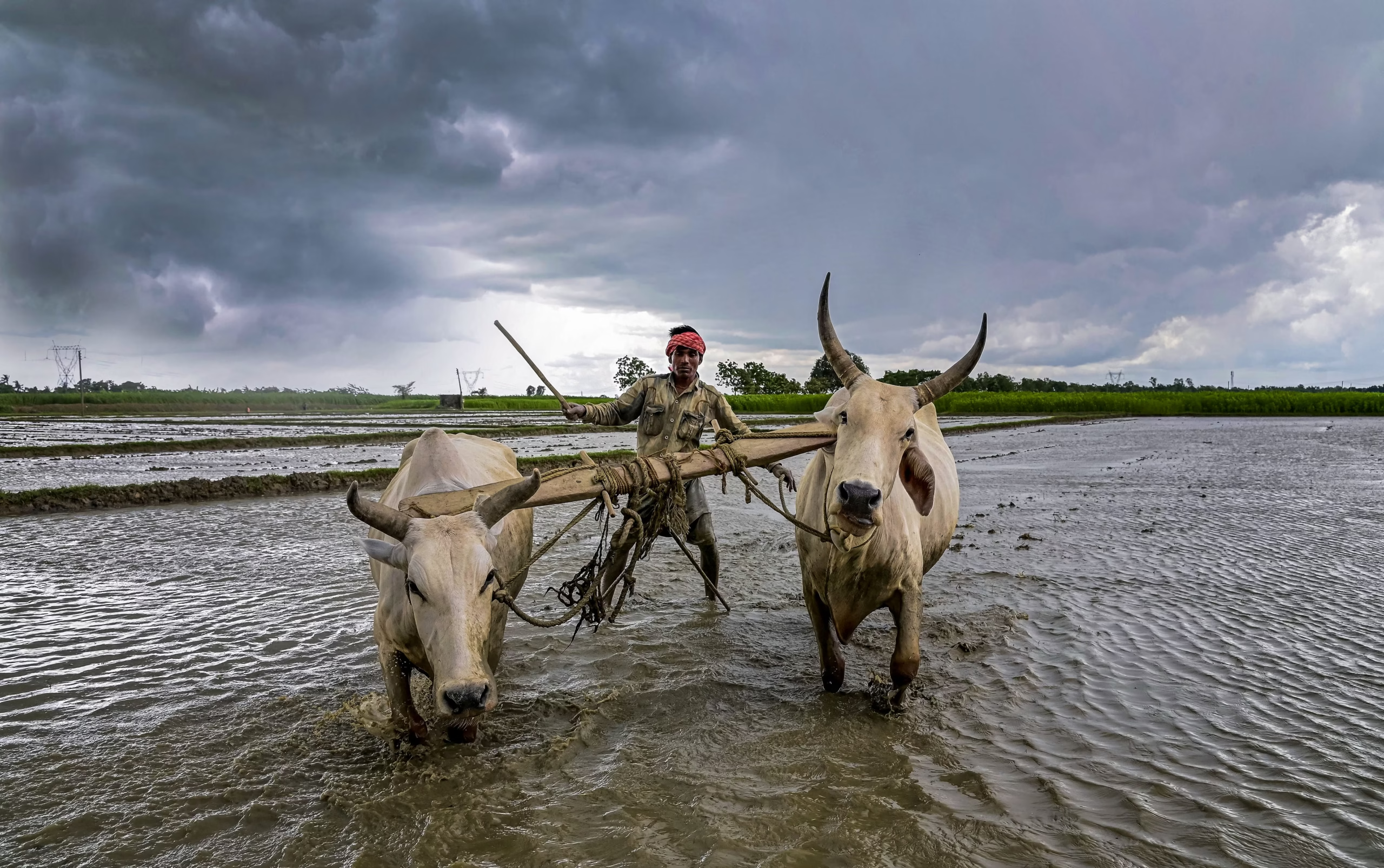
Impact on Water Resources
The monsoon withdrawal also signals the start of the dry season, which has implications for reservoirs, rivers, groundwater, and drinking water supply.

-
Reservoir Levels:
Many reservoirs, like Durgapur, Chandrapur, and Haldia, are full or near full. As monsoon ends, careful management is necessary to avoid water shortage during winter irrigation. -
Groundwater Recharge:
Heavy rains during the monsoon have recharged groundwater significantly. Farmers and municipalities can now plan extraction for irrigation and urban supply with reduced risk of depletion. -
Flood Preparedness Reduced:
With monsoon withdrawal, the risk of flooding decreases, but residual waterlogging in low-lying areas may persist. Drainage planning remains important for urban and semi-urban areas. -
Hydropower & Energy Planning:
Reservoir levels affect hydropower generation. With monsoon water now stored, winter electricity planning for irrigation and urban supply can be optimized.
Post-Monsoon Weather: What to Expect
Following the monsoon withdrawal, West Bengal typically enters a post-monsoon transitional period, leading into winter:
-
Temperature Trends:
-
Average day temperatures: 25–30°C
-
Night temperatures: 15–22°C
-
Northern districts experience cooler nights; southern districts remain slightly warmer.
-
-
Fog and Mist:
With lower humidity and cooler nights, dense fog may develop in northern districts like Darjeeling and Jalpaiguri in November and December. Fog impacts road and rail transport. -
Western Disturbances:
Occasional western disturbances may bring light rainfall to northern and western districts. These rains are usually beneficial for rabi crops and soil moisture retention. -
Cyclone Season Ends:
While the Bay of Bengal cyclone season peaks in October-November, monsoon withdrawal reduces moisture input from southwest winds, slightly reducing the probability of late-season cyclones hitting West Bengal. -
Air Quality:
Post-monsoon, air quality may temporarily improve as rains have washed out pollutants. However, cooler, drier conditions and biomass burning in surrounding regions can later reduce air quality in late November-December.
Implications for Rural Economy and Society
The end of the monsoon affects not just agriculture but rural economy, livelihoods, and daily life:
-
Labor Patterns:
-
Monsoon withdrawal frees agricultural labor for rabi sowing, maintenance, and post-harvest work.
-
Temporary migration for work in nearby towns may reduce as village-based agricultural activity resumes.
-
-
Rural Markets:
-
Increased rabi crop sowing stimulates demand for seeds, fertilizers, tools, and machinery, benefiting rural markets.
-
Farmers selling harvested kharif crops will have liquidity to invest in winter cropping.
-
-
Health Impacts:
-
Reduced humidity lowers mosquito breeding, reducing vector-borne diseases like malaria and dengue.
-
Cooler nights may increase cases of respiratory ailments; public health awareness is needed.
-
-
Energy Consumption:
-
With milder days and cooler nights, energy demand for cooling reduces, but heating demand may increase in northern districts.
-

Preparing for Winter 2025: Recommendations
-
Farmers:
-
Start rabi crop preparation immediately.
-
Use residual soil moisture and irrigate strategically.
-
Adopt crop diversification to reduce risk.
-
-
Government Agencies:
-
Monitor water reservoir levels and manage winter irrigation schedules.
-
Prepare for post-monsoon road maintenance and drainage clearing.
-
Provide updated weather forecasts for rabi crop planning.
-
-
Urban Planners:
-
Address residual waterlogging in cities like Kolkata.
-
Prepare for fog-related transport issues.
-
-
Public Awareness:
-
Communicate seasonal forecasts to farmers, transport operators, and the general public.
-
Encourage disaster preparedness for potential late-season cyclones or localized rains.
-