On the morning of 11 November 2025, rumours began swirling that veteran Bollywood actor Dharmendra had passed away. Within hours, the actor’s family stepped in to deny the reports, confirming that he is alive, stable and recuperating in hospital. The episode highlights the speed with which misinformation can spread in the digital age, especially when trusted public figures are involved. In what follows, we explore the timeline of the event, the actor’s health status, the reactions within the film fraternity and the media, and broader reflections on fake-news risks in celebrity health reporting.
What triggered the rumours
According to multiple news reports, Dharmendra (age 89) was admitted to Mumbai’s Breach Candy Hospital after complaining of breathlessness and other age-related health concerns.
Shortly thereafter, unverified posts and social media messages began claiming that he had died. One of the catalysts: a condolence message posted by India’s Defence Minister Rajnath Singh on social media, paying tribute to Dharmendra’s life.
In this environment of uncertainty, multiple news outlets reported his death — even though no official statement confirming his demise had been issued. The rumour mill, amplified by social platforms and hurried coverage, resulted in widespread belief that the actor had passed away.
Family confirmation & official statements


Within hours of the rumour spreading, Dharmendra’s daughter Esha Deol issued an Instagram post stating:
“The media seems to be in overdrive and spreading false news. My father is stable and recovering. We request everyone to give our family privacy. Thank you for the prayers for Papa’s speedy recovery.”
Shortly after, Dharmendra’s wife and veteran actress Hema Malini posted on X (formerly Twitter):
“What is happening is unforgivable! How can responsible channels spread false news about a person who is responding to treatment and is recovering? This is being extremely disrespectful and irresponsible. Please give due respect to the family and its need for privacy.”
Meanwhile, the actor’s elder son, Sunny Deol, via his team, confirmed Dharmendra is “stable and under observation” and requested the public not to indulge in spreading false rumours.

In short: multiple family-members and the hospital confirmed that although Dharmendra is hospitalized, he is alive and recovering — the death claims were false.
Health status & hospitalisation details
According to media reports:
Dharmendra was admitted to Breach Candy Hospital after breathlessness and other age-related issues.

The actor has been under close medical observation; some media outlets reported he was in the ICU and on ventilator support. Yet the family did not confirm the ventilator claim.
The official line emphasises “stable” and “recovering”, rather than “critical” or “imminent death”.
In his long career, Dharmendra has gone through various health concerns — and at age 89, admissions to hospital are not unusual; his recent stay appears to have triggered the false-report cascade.
So, while his condition warranted hospital care, there was no official confirmation of death, and the family strongly denied any such event.
Impact of the false death report
A) Public reaction & film-fraternity response
The actor’s reported death sent shockwaves across social media, with fans posting tributes, sharing memories, and expressing grief. Many celebrities and even political figures tweeted condolences — some of which they subsequently deleted or amended when the family’s clarification arrived.
Within Bollywood, the episode sparked immediate concern. Stars such as Shah Rukh Khan, Salman Khan, and others reportedly visited the hospital to check on Dharmendra’s wellbeing.
B) Media-ethics and misinformation concerns
The incident highlights issues of media responsibility and fake-news risk. Hema Malini‘s public criticism underscored how “responsible channels” were complicit in spreading unverified claims.
The speed of social-media amplification compounded the problem. Within minutes of the original report (or mis-report), the “news” had gone viral; the correction came later, by which time the damage (panic, grief, confusion) was done. Media analysts say that such “death hoaxes” are dangerous — not only for reputational harm to the individual and their family, but also for public trust in news media.
C) For the actor & family
The family requested privacy and respect during the recovery period. The sense of intrusion — both via speculation and media scrutiny — may complicate the hospitalisation experience. Moreover, the actor’s recovery process is now overshadowed by the fallout from the false report, which may influence how future health disclosures are handled.
Legacy of Dharmendra — why this matters
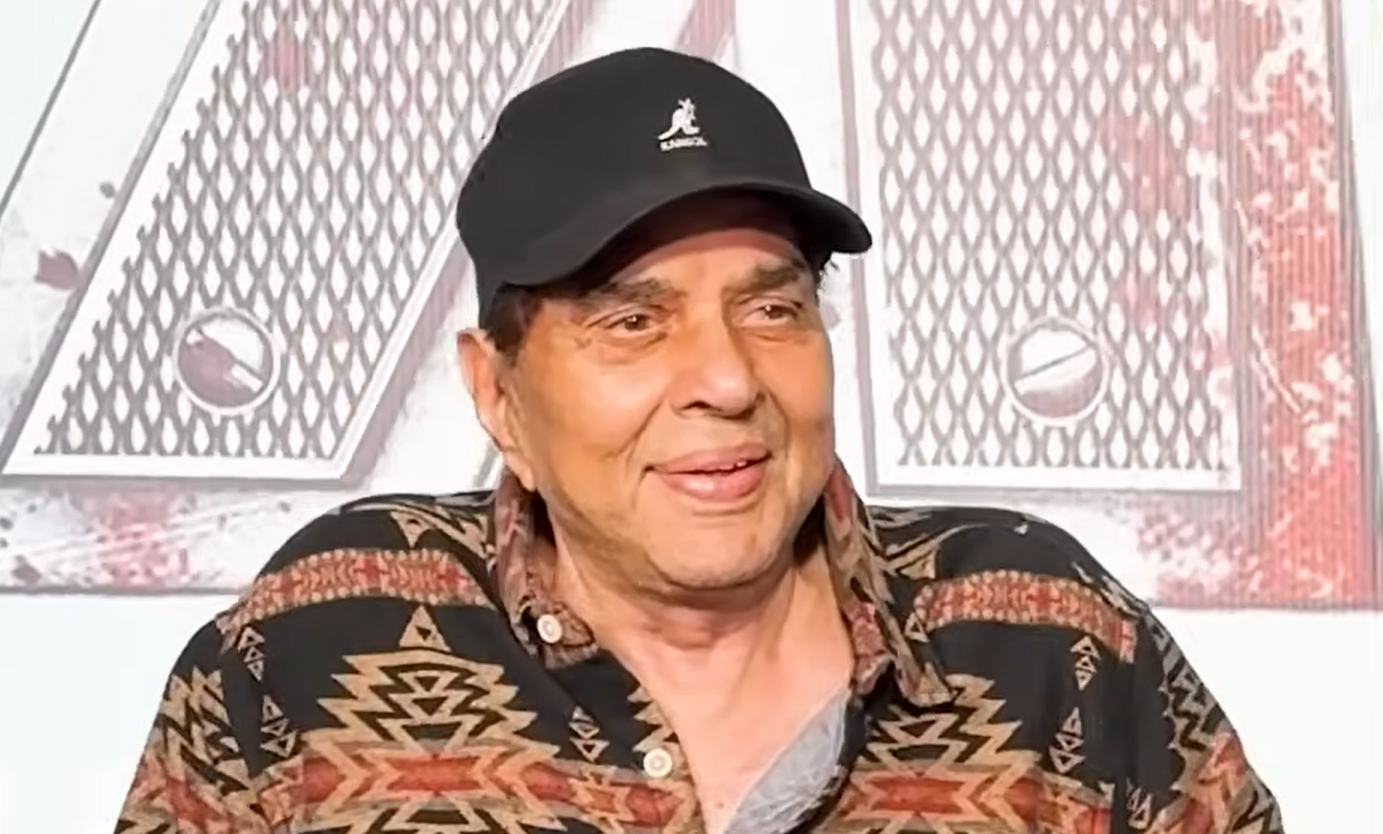
To understand why this incident created such a massive ripple, it helps to revisit Dharmendra’s legacy:
He is one of Hindi cinema’s most beloved figures — known for his versatility, charisma and longevity. He acted in over 300 films and got the nickname “He-Man of Bollywood”.
Iconic roles include Veeru in Sholay (1975), dramatic films like Phool Aur Patthar and comedies such as Chupke Chupke.
His enduring popularity across generations means that news about him triggers strong emotional responses — Pradeep fans, veterans, and younger viewers alike share a sense of connection. So any serious health update or rumour reaches a wide audience quickly.
Given this stature, a false death report is not only a personal matter but a cultural event in many ways — the shock is magnified because people feel they are losing an icon.
Why such rumours spread — and how to guard against them
A) Reasons for spread
Hospitalisation + age: When a senior public figure is hospitalized, speculative headlines often rush to fill the void.
Social media speed: Platforms allow rapid sharing; a rumour gets posted, screenshotted, forwarded, and becomes “fact” for many before verification.
Authority endorsement: The condolence from a minister lent the rumour credibility, making retractions less visible.
Media competition: Breaking a “death” story attracts views and clicks; the incentive structure can sometimes favour speed over verification.
B) How to guard against them
Wait for official confirmation: A statement from the family, hospital or actor’s known representatives should be regarded as the baseline.
Cross-check sources: If only social media posts claim a death, but no reliable news outlet or representative confirms, treat it cautiously.
Beware of “shock” headlines: Titles that say “Bollywood legend passes away” should trigger scepticism until verified.
Respect privacy: Speculation can harm families dealing with hospitalisation and recovery; ethical media practices demand caution.
Implications for celebrity health reporting
This incident raises broader questions:
Balancing curiosity vs sensitivity: The public interest in celebrity health is real, but when does reportage become invasive or sensationalist?
The “death hoax” phenomenon: Celebrity death rumours are not new, but the digital era makes them faster and more widespread. Media literacy among consumers becomes crucial.
Responsibility of platforms and outlets: Should platforms flag or slow-down posts that claim a person died when no verified source exists?
Impact on reputation and mental health: False death announcements can cause real distress to families and the celebrity themselves, and may lead to reputational or financial implications.
What’s next for Dharmendra
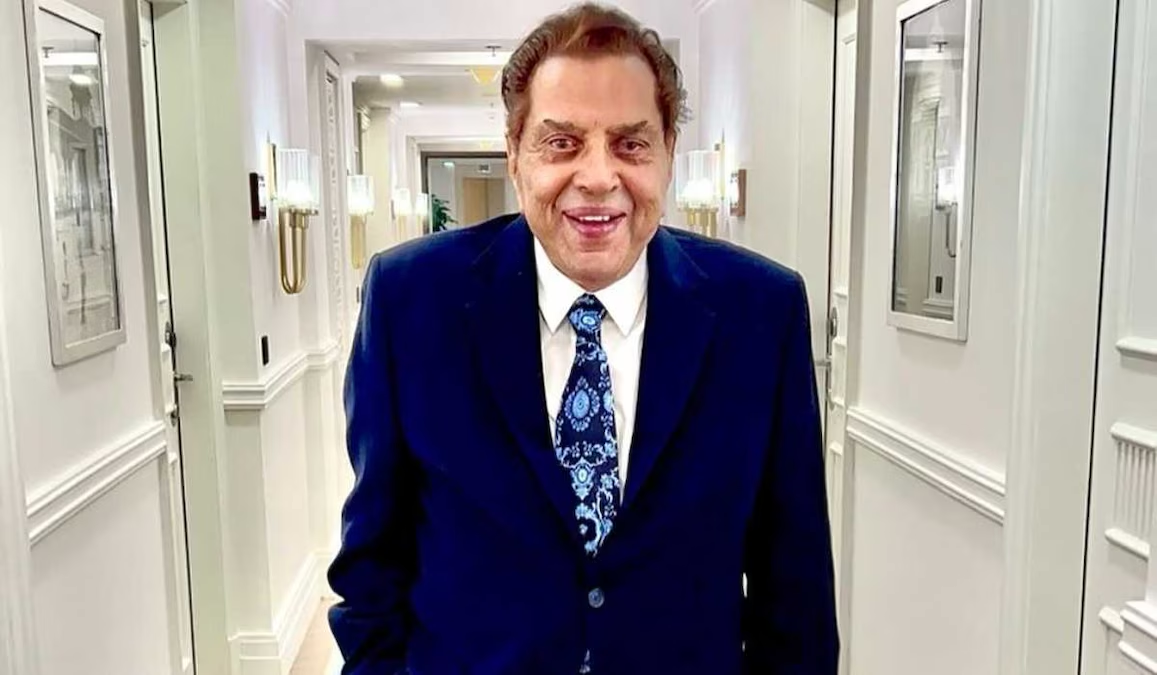
According to the family:
He will remain under medical observation until full recovery — the term “stable and recovering” is being used consistently.
Communication from the family suggests they will release updates “as available”, but also emphasise the need for privacy.
In the meantime, fans and the film fraternity can continue to send prayers, but should await formal updates rather than rely on speculation.
Given Dharmendra’s vitality — he had been part of industry events and was reportedly attached to future projects — his recovery is an important moment not just for his family, but for the industry and his audience.
More Read

Conclusion
The false reports of Dharmendra’s death serve as a cautionary tale in the era of instant information. An actor with an illustrious career — an icon of Bollywood — found himself at the centre of a media storm triggered by speculation, mistaken posts and premature reportage.
Thankfully, the family’s timely clarifications have set the record straight: Dharmendra is alive, hospitalized but recovering. Yet the incident underscores how easily the truth can be obscured by speed and sensationalism.
For audiences, media professionals and platforms alike, the lesson is clear: verification, respect for privacy and measured reporting matter more than ever. As the actor recovers, what remains constant is his legacy and the affection his fans hold for him — a legacy that is intact and enduring.