A Heartbreaking Morning in Andhra Pradesh
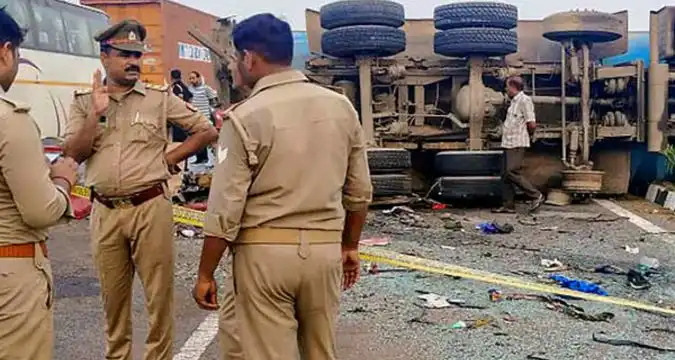
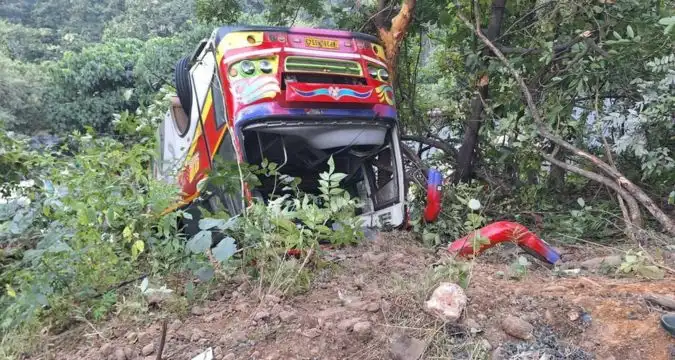
The sunrise of December 12, 2025 brought devastating news from the serene yet rugged landscapes of Papikonda National Park in the Alluri Sitarama Raju district of Andhra Pradesh. A private travel bus carrying thirty-five tourists crashed into a gorge near Tulasipaka village, leaving nine people dead on the spot and several others severely injured.
This tragic event quickly entered the spotlight of latest news updates, reflecting the widespread shock and the urgent need for clarity on what went wrong during the early-morning journey.
How the Incident Unfolded
A Journey Interrupted
The tourists, all from Chittoor district, were travelling from the scenic Araku Valley and were scheduled to reach Bhadrachalam later that morning. Their route took them through the dense forest corridors of Papikonda, a region known for its natural beauty but also its challenging terrain.

At around 4 a.m., the bus reportedly encountered dense fog and limited visibility. As the vehicle approached a turning point near Tulasipaka, the driver seemingly failed to react to an obstacle in time, resulting in the vehicle ramming into the structure and plunging partially into a gorge.
The Impact
The collision was powerful. Many passengers were jolted out of their seats, and those sitting near the front and left side of the bus suffered the most severe injuries. Emergency services later confirmed that nine tourists lost their lives instantly due to the force of the crash.
Also Read: A Life That Lost Too Soon
Rapid Response by Police and Rescue Teams
Entering Rescue Mode
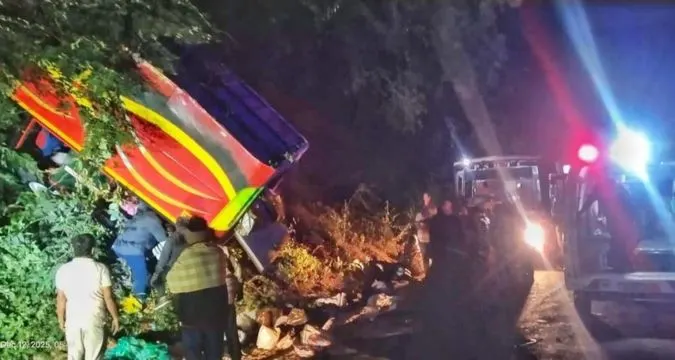
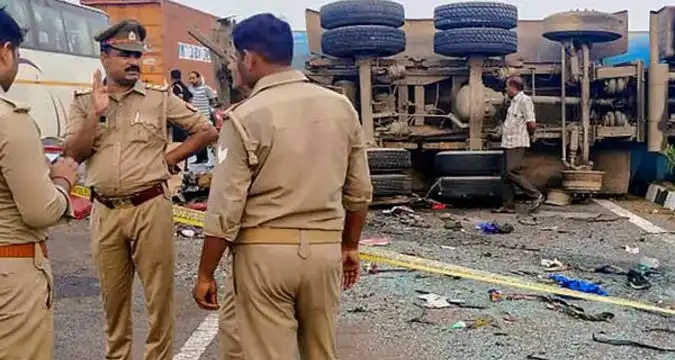
Teams from Maredumilli and Chintoor police stations reached the spot shortly after the crash was reported. Despite the rugged terrain, darkness, and thick early-morning fog, officers and local volunteers worked rapidly to extract survivors.
Condition of the Injured
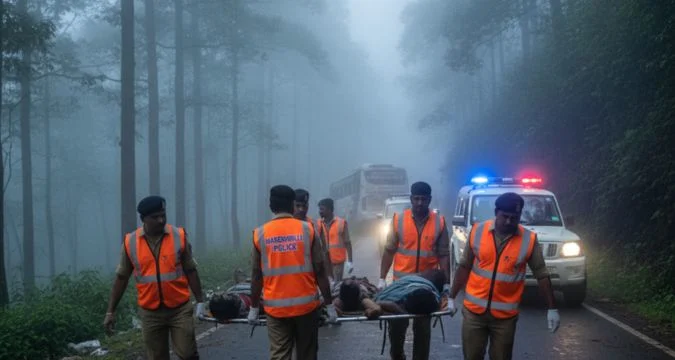
Among the survivors, three individuals sustained critical injuries and were immediately shifted to nearby hospitals for emergency care. Several others received treatment for fractures, head injuries, and shock. Administrative teams are coordinating with families and ensuring all medical arrangements are handled without delay.
Why Accidents Like This Occur: A Closer Look at the Terrain
Fog and Poor Visibility
Winters in the Papikonda region often bring dense fog, especially from 3 a.m. to 6 a.m. This creates a near-blind driving environment on ghat roads, where a single miscalculation can lead to disastrous results.

Narrow Roads and Sharp Bends
The Chintoor–Maredumilli stretch is scenic but risky. Its narrow passages, combined with steep curves and minimal roadside protection, make it one of the more accident-prone routes in the region.
When visibility drops suddenly, even experienced drivers find it difficult to maintain control.
Inadequate Safety Infrastructure
Local residents and regular travelers have long highlighted the lack of:

- Sufficient lighting
- Reflective road markers
- Warning signage
- Guard rails in vulnerable bends
These gaps often turn routine journeys into potential dangers, especially before sunrise.
Official Statements and Current Investigation
Police Confirmation
The Alluri Sitarama Raju Superintendent of Police confirmed the nine fatalities and stated that a comprehensive investigation is underway. Authorities are considering multiple factors such as:
- Weather conditions
- Driver alertness
- Possible mechanical faults
- Speed and road assessment
Government Response
District officials have assured families that every necessary measure is being taken to support survivors and provide clarity on the cause of the tragedy. Psychological support teams are being considered for survivors who are likely to face emotional trauma in the coming days.
A Deepening Crisis: Why Such Incidents Dominate Daily News
This accident has once again pushed the issue of road safety into national discussion. Many recent daily news reports and crime news updates have highlighted the growing risks on India’s forest and ghat roads, especially when combined with increased tourist movement during the winter season.
Travel operators often schedule pre-dawn departures to maximize daylight exploration, but these timings also expose passengers to the most dangerous driving conditions.
Lessons and Immediate Takeaways
Need for Safer Infrastructure
Experts recommend urgent measures such as:
- Installing fog sensors
- Expanding guard rails
- Improved lighting in forest corridors
- Broadening key stretches of the ghat road
- Using reflective paint on bends and slopes
Mandatory Driver Fatigue Checks
Long-distance overnight routes often push drivers to their endurance limits. Authorities are urging stricter fatigue monitoring, mandatory rest periods, and pre-trip checks.
Tourist Awareness
Passengers also play a role. Opting for well-reviewed travel operators, avoiding late-night departures when possible, and ensuring vehicles meet safety norms can reduce risks.
The Human Cost of Negligence
Beyond the statistics and headlines, this tragedy represents immense emotional loss. Families in Chittoor district are grieving loved ones who left home with excitement, unaware that their journey would be cut short so abruptly.
Survivors, too, carry the burden of trauma and shock. Their recovery will go far beyond medical treatment, requiring emotional support and time to heal.
What Happens in the Coming Days?
Authorities will be:
- Completing forensic analysis of the vehicle
- Reviewing road safety protocols
- Gathering witness statements
- Coordinating with families for identification and transport
- Conducting a full road inspection of the ghat section
The goal is to determine the exact chain of events and propose preventive measures that can protect all travelers in the region.
Also Read: Bangalore Road Rage
Frequently Asked Questions
1. What time did the bus accident occur?
The accident occurred around 4 a.m., when visibility was at its lowest due to dense fog. The early morning conditions made navigation difficult on the forested ghat road.
2. How many people were traveling on the bus?
There were thirty-five tourists on board, all from Chittoor district. The group was traveling toward Bhadrachalam after visiting Araku Valley.
3. How many fatalities have been reported?
Authorities confirmed that nine tourists were killed instantly in the crash due to severe impact injuries.
4. How many passengers are critically injured?
Three survivors are believed to be in critical condition, undergoing intensive medical treatment.
5. Where exactly did the accident take place?
The crash occurred near Tulasipaka village in the forest section of Papikonda National Park on the Chintoor–Maredumilli route.
6. What caused the accident?
Initial reports indicate poor visibility combined with the challenging nature of the ghat road. Investigators are examining whether any additional factors contributed.
7. Who responded to the emergency?
Police teams from Maredumilli and Chintoor, along with local volunteers and forest personnel, reached the spot to assist in rescue operations.
8. Were the passengers part of a tour group?
Yes, they were part of a private travel tour bus operating between Araku Valley and Bhadrachalam.
9. How is the government responding?
District officials have directed that immediate medical care be provided, and an investigation is underway to identify lapses in road safety and vehicle condition.
10. Will this incident lead to changes in safety measures?
It is likely to accelerate discussions around road safety upgrades, especially on forest and ghat routes that have historically been involved in multiple accidents.
More Read

Conclusion
The Papikonda National Park bus accident is a painful reminder of the vulnerabilities that exist across India’s hilly and forested road networks. As this incident dominates, the focus returns to the urgent need for better infrastructure, safer travel practices, and stronger regulatory oversight.
For the families affected, the loss is immeasurable. For policymakers and travel operators, the tragedy should serve as a turning point toward building safer roads and prioritizing passenger welfare at every stage of travel.