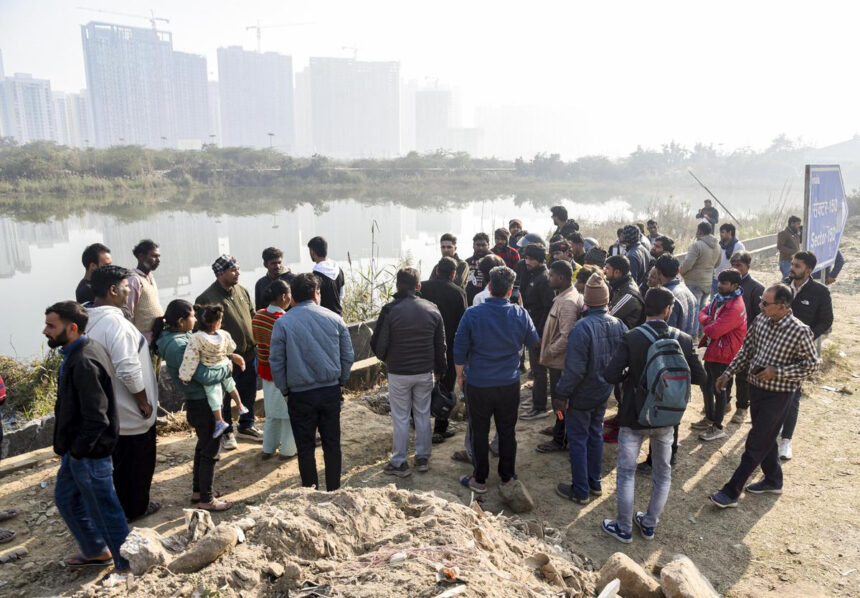
The death of the Noida techie has ripple-effected the technology hub in India and has caused a national debate on the failure of systems, corporate irresponsibility and work safety in India. What used to seem a solitary tragedy now, has become a metaphor of something more profound in the system of urban governance, corporate responsibility and employee welfare.
There was increasing outrage as people learnt the details of the Noida techie death case. The accident provoked the following worrying questions: Could this tragedy be avoided? Was institutional indifference and administrative loose ends a factor? And how numerous are the like cases unobserved in the rapidly expanding business centres of India?
This detailed report takes a look at the Noida techie tragic killing on all fronts including the factual chronology, system malfunctions, police inquiry, prevalent pattern in techie death in India and the implications of this incident on the future of governance and safety at work place.
What transpired in the Techie Death Case of Noida
Noida incident news outlets indicated that the victim was a young IT professional who was employed in the Noida-Greater Noida tech belt – an area that is frequently marketed as the face of the Indian and Indian economic prosperity.

On the day of the incident:
- The techie is also said to have encountered severe administrative or systemic lapses.
- There were claims of sluggish or substandard emergency response systems.
- Inter-departmental accountability was lost.
The Noida tragic incident went through very quickly with family members and colleagues in shock. It was a huge hit as it resonated with the urban-working population in India and, in particular, IT professionals who are already struggling with stretched work hours, stress and strain, and lack of safety nets.
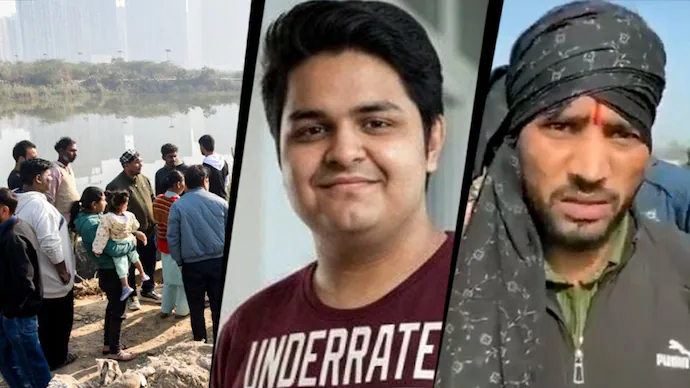
Reason behind this incident being referred to as a system failure
The term system failure Noida has since that incident dominated the discourse of the people. This is not an issue of a single mistake, one single department or organisation.
It singles out several layers of disintegration and includes:

- Emergency response delays
- Absence of accountability guidelines.
- Corporate lack of concern towards the welfare of its employees.
- Lack of proper implementation of safety norms at the workplace.
- Red tape in the administrative level at the most critical times.
Analysts state that when there is a breakdown of systems at different levels, the result can be deadly as was the case in this case of the death of an IT employee in Noida.
The Investigation of Noida Police: What We Have Heard
The Noida police enquiry was initiated shortly after the incident was placed in the limelight. Police officials said they are investigating:
- Government documents and schedules.
- Employee and co-worker statements.
- CCTV recordings and electronic records.
- Potential infraction of safety and labour laws.
Police officials cited that the investigation targets on whether there was negligence, delay in action or violation of policy that led to the death.

Notably, the authorities have pointed out that accountability is going to be remedied in case the lapses are established, which supports the gravity of the system failure story in India.
Corporate Negligence in India: An Emerging Nuisance
The death of the Noida techie has made people remember an unpleasant reality once again, namely, corporate negligence in India is not a new phenomenon, but it goes unnoticed.
Across India’s tech hubs:
- There is a lack of focus on mental health issues.
- The preparedness of the emergency is a farce.
- The policies governing the well-being of employees are paper-based.
- Although the IT industry in India has been a massive contributor to the GDP and employment levels, the safety of employees in the workplace in India is usually below the international standards.
This accident brings out the human price of productivity over people.
Indian IT Sector Workplace Safety: The Facts
Although there are labour legislations and company compliance systems, there are severe implementation loopholes in workplace safety India.
Common issues include:
- Poor emergency guidelines.
- Poor accessibility to medical facilities on site.
- Weak grievance redressal measures.
- Absence of stress and workload observation.
- Lack of auditing by independent auditors.
These are the ugly truths that companies and policymakers are being compelled to face due to the techie death India debate.
The reason why this case appeals to a wider audience than Noida
The fact that this story is appearing on the top of Noida latest news and national headlines is not complicated, it is an expression of a common fear.
- To Indian professionals, millions of them:
- The place of work is more than an office, it is a second home.
- The assumption is made that it is safe.
- Systems are believed to work in case of emergency.
The death of the Noida techie tragic killing destroyed this supposition.
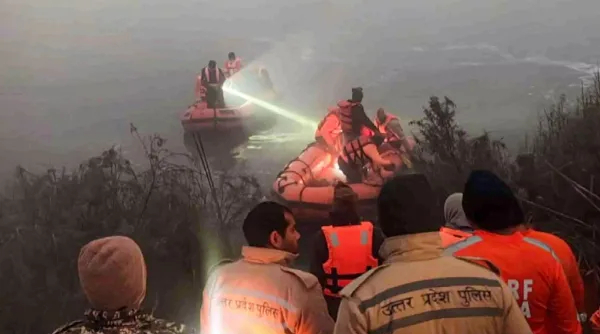
It brought up a painful question: Systemic Failures in Urban India
Similarly disastrous incidents have taken place in India previously:
- The causes of factory fires are because of negligence of safety norms.
- Negligence-related construction site accidents.
- Emergencies in the offices that are mishandled because of a lack of preparedness.
- Every episode, momentarily, ignites anger, and investigations and vows. Nevertheless, structural reform is still slow.
The news of the Noida incident is no exception to this disturbing trend of learning the lessons too late.
Policy and Government Data lacks
Institutional reports on government, such as at NITI Aayog and policy briefings issued via PIB have reported several times:
- Infrastructure pressure in the city.
- Bloodshed in emergency response coordination.
- Lack of proper implementation of occupational safety laws.
- In spite of the existence of policies, implementation is the least force.
The case narrative India of system failure is based not on the lack of rules but on the unequal application of rules.
The Human Cost: Family, Co-workers, and Trauma
There is something more than statistics and investigations, it is a human story.
Such tragedies tend to have their effect on families, which can suffer:
- Emotional devastation
- Financial uncertainty
- Lengthy legal battles
Colleagues get anxious and fearful, and they wonder whether they are also safe in the same systems.
The death of an IT employee in Noida is not the headline; it is a permanent scar on the foreheads of the people left.
named the city as Noida, what about the other towns and work places that are not regulated?

The Accountability, Public Pressure, and Media
Public scrutiny has been one of the developments that have occurred in this case.
The social media, online journalism, and investigative reporting have guaranteed that:
- The issue remains visible
- Governments are under pressure to perform.
- Corporates have no other choice but to react publicly.
This change is an indicator of an increased need to be transparent and accountable in the Indian professional ecosystem.
What Has to Change: Noida Techie Death Lessons
The tragedy has tough lessons to teach.
The main areas, which require immediate reform, include:
- Compulsory emergency response auditing.
- Increased application of the law of workplace safety.
- Effective accountability models.
- Mental health care within the corporate context.
- Employee first crisis procedures.
Unless the system is reformed, it is possible that we will witness similar incidents.
Looking Forward Analysis: Will India ever avoid the next Tragedy?
India stands at a crossroads.
With the speeding up rate of urbanisation and the proliferation of corporate culture, systems should develop at a rate that is not surpassed by growth.
Provided that lessons of the Noida techie death case translate into actual changes, then this tragedy can at least be used as a catalyst to change.
However, when it dies out in bureaucratic silence, it is going to end up being another statistic in the list of losses that would have been avoided.
Summary
The Noida techie death has also brought back to the table how India gauges progress and success. Although such cities as Noida are presented as an example of advanced infrastructure, intelligent administration, and attractiveness to foreign investment, the cases such as this reveal a glaring gap between branding and reality on the ground. The real development does not lie in office buildings, highway systems or the number of startups, but in the efficiency of systems to save human life in times of crisis. When a professional involved in some activities loses his or her life because of the lack of prompt action or a misunderstanding in the institution, it is an indication that growth without responsibility may be very flawed. This tragedy is the reminder that the future of Indian cities should be people-oriented and not only concerned with its economic measures.

Professional and Organisational Guidance
What Employees Can Do
- Know emergency measures.
- Document safety concerns
- Take up official channels of grievances.
- Both physical and mental health should be prioritised.
What Companies Must Do
- Incidental safety audits.
- Invest in the welfare of the employees.
- Establish excellent reporting mechanisms.
- Take safety as a point of no return.
What Authorities Should Provide.
- Strict implementation of labour laws.
- Time-bound investigations
- Findings disclosure to the public.
- Evidence-based policy reforms.
More Read

India needs a wake up call
The death of Noida techies is not just a tragic accident but a reflection of the fundamental flaws in the entire system in urban India.
The case makes society face hard-to-accept facts concerning the failure of the system, corporate irresponsibility, and workplace safety in India.
The solution to whether this tragedy will result in meaningful reform or become a thing of the past is in collective action – by policymakers, corporations and citizens alike.