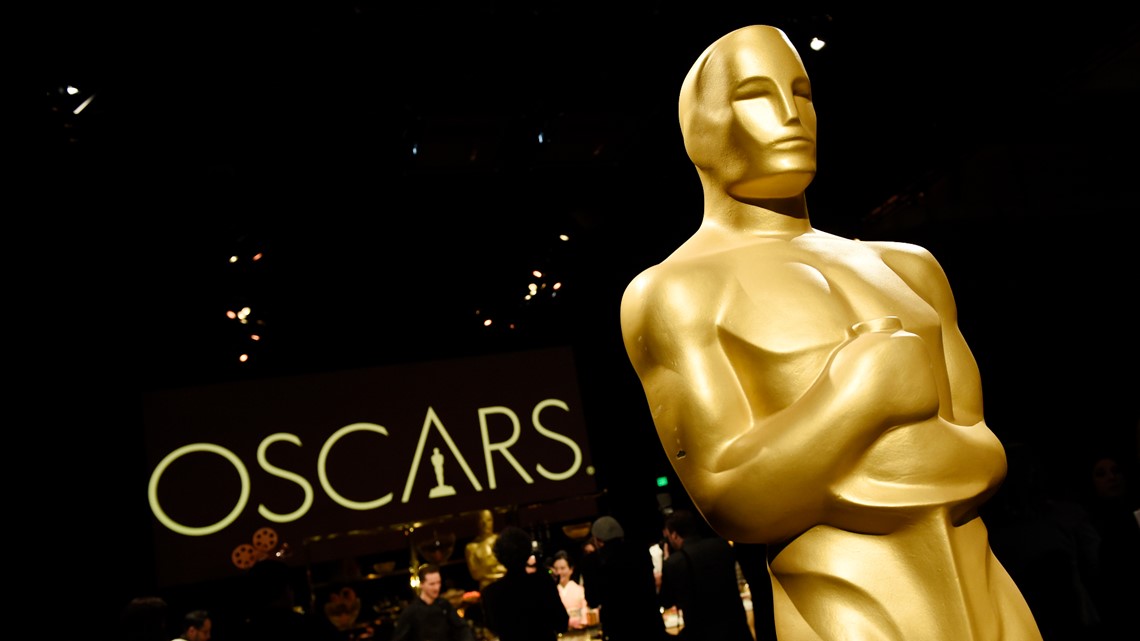
When the Academy’s golden statue is unveiled on a November night, the world often celebrates a moment of artistic triumph. Yet behind that glittering bow of applause lies a carefully choreographed machine that turns a film into an Oscar nominee, and a nominee into a winner. The Oscars, the most prestigious award in Hollywood, have long been a proving ground for studios to prove their creative prowess—but they’re also a high-stakes marketing battlefield where budget, timing, and PR strategy can tip the scales.
In this article we pull back the curtain on the award‑season machinery, breaking down how studios orchestrate campaigns, allocate massive budgets, leverage data, and employ PR tactics to influence Academy voters. From the humble “talking to one person” era to today’s data‑driven, multi‑platform blitzes, we’ll take a look at the forces that shape the night of honor.
1. A Brief History of Oscar Campaigns
Before the Academy’s 70‑year history, the Oscars were largely a free‑wheel affair. In the 1930s and 1940s, studios would simply drop a film into a trade publication or send a handful of clips to the Academy’s press office. Winning was about talent, and the studio’s role was minimal—most often limited to supplying free reels or posters.
The real shift came in the 1950s and 1960s. The Academy’s membership expanded beyond just critics and producers to include more industry insiders, and studios began to realize that personal relationships mattered. Attending Academy events, sponsoring dinners, and sending personal invitations to members became standard practice.

The 1990s ushered in a new era of “campaigning.” Studios realized they could influence votes by shaping narratives. The move towards a more coordinated, data‑driven approach was spurred by the rise of digital technology and the growing importance of “Oscar‑watching” audiences. By the time the 2000s rolled around, full‑scale campaigns had become a norm—with huge budgets, strategic email blasts, and even “Oscar buzz” metrics that could predict likelihood of nomination.
Today, the film industry’s Oscar campaigns are a multi‑million‑dollar, multi‑month operation that involves a team of specialists who manage everything from media placement to personal outreach. The line between marketing and campaigning is blurred, and studios treat the Oscars as a critical touchpoint in their overall release strategy.
2. The Anatomy of a Campaign
A typical Oscar campaign can be broken into three phases: **Pre‑Oscar (Pre‑Award Season), Award Season, and Post‑Oscar**.
2.1 Pre‑Oscar: Laying the Groundwork

Film Selection – Studios decide which titles to run for awards. The decision is data‑driven, considering factors like critical reception, festival buzz, and potential Academy appeal. In 2023, for example, Warner Bros. chose “Past Lives” for Oscars, while Pixar’s “Co‑Op” was slated for the Academy’s Children’s Choice Awards, not the Oscars.
Targeting the A‑List – Studios identify Academy members or industry influencers who could sway vote patterns. For instance, a studio may target an Academy “voter” who has historically favored a certain genre or is known to be a critic of a rival studio’s film.
Creative Content – The studio’s publicist team begins creating a library of press kits, trailers, interviews, and behind‑the‑scenes footage. These assets are tailored to different audiences: press, film festivals, and Academy members.

2.2 Award Season: The Blitz
Academy Events – The Academy hosts “Academy Awards Week,” a series of events where nominees are invited to speak, watch screenings, and engage in Q&A sessions. Studios send their actors, directors, and producers to attend these events to forge personal connections with voters.
Targeted Email Campaigns – A modern Oscar campaign will often involve a “voter outreach” email that includes a personalized message, film synopsis, and calls to action. A 2022 study by the University of Southern California quantified that each email costs around $120 per voter, and sending an email to 10,000 Academy members can run to $1.2 million.
Media Blitz – Studio publicists coordinate interviews with TV shows, podcasts, and online outlets. They secure feature stories in *The Hollywood Reporter*, *Variety*, and *Deadline*, as well as human‑interest pieces in mainstream publications. The goal: keep the film in the conversation.
Sponsorships and Partnerships – Companies often sponsor Oscar campaigns. For example, in 2019, Microsoft and Sony partnered to share the cost of a campaign for “1917.” In return, the brands receive mentions in press releases and media coverage, tying their names to the film’s prestige.
2.3 Post‑Oscar: Capitalizing on Momentum
If the film’s campaign pays off, the post‑Oscar period is about leveraging the win to boost box office performance, streaming numbers, and future sales. Studios often launch “Oscar‑tag” marketing—adding “Academy Award Winner” to the title in trailers, posters, and store displays. Even a nomination can do the same: “Academy Award Nominated” becomes a marketing tool that drives consumer interest.
3. The Cost of Campaigning: Numbers that Shock
The Oscar campaign budget is a direct reflection of the stakes. In 2021, the average total spend for a major studio’s Oscar campaign was around **$4.2 million**, and the average per nomination cost was $1.4 million. Gross features, especially those the studio expects to bring in a sizable box‑office return, can spend even more. For instance, *Dune* had a reported campaign budget of about $8.4 million, roughly double the average.
These figures illustrate how a single film can quickly become a real money pit. The battle for Oscar recognition is therefore both an artistic and a financial gamble.
4. Data‑Driven Campaigns: The Rise of the Algorithm

In the last decade, studios have turned to data analytics to sharpen their award strategies. By tapping into social media sentiment, box‑office performance, and even Academy member voting history, studios can craft a precision‑targeted campaign:
4.1 Predictive Modeling
Studios run predictive models that factor in:
Historical Nominations – How many nominations did similar films receive? What genres or themes were favored that year?
Critical Reception – Aggregating reviews from *Rotten Tomatoes* and *Metacritic*.
Audience Engagement – Online buzz, trailer views, and sentiment analysis.
Release Window – Timing of release relative to the Oscars; late‑year releases often have a higher chance of nomination.
These models can forecast the likelihood of a nomination within a 30‑day window, helping studios decide whether to push more resources into a campaign or cut losses early.
4.2 Social Listening and Sentiment Analysis
The Academy isn’t a monolithic group; it comprises thousands of individuals with varying tastes. Studios use natural‑language processing (NLP) to monitor how the film is perceived across blogs, Twitter, Reddit, and industry forums. For example, a spike in positive sentiment among “Oscars‑watching” audiences can justify a larger email push or a more intensive PR push.
4.3 Academy Member Profiling
In some cases, studios even create audience‑profile reports for individual Academy members. By analyzing a member’s previous votes, media coverage, and public statements, studios can tailor personal outreach. A data scientist might say: “Member X voted for a foreign‑language film last year and has an affinity for strong female leads. Tailor your pitch accordingly.”
5. The Role of PR: Crafting the Narrative
Public relations is the glue that holds the entire campaign together. The story a studio tells about a film can be just as important as the film itself. Effective PR builds an emotional connection that may sway a voter’s mind.
5.1 Story Angles
Human Interest– Stories about the director’s personal journey or the actor’s dedication can resonate. For instance, *Nomadland*’s portrayal of a woman on the margins captured public empathy, making it a narrative that PR could amplify.
Industry Impact – Framing a film as “industry‑changing” or “ground‑breaking” catches a critic’s eye. *Moonlight* was marketed as a milestone for black representation in cinema.
Awards Momentum – “Winner of 3 Golden Globes” or “Nominated for 5 Academy Awards” as a badge of prestige further bolsters perception.
5.2 Media Relations
A PR team will secure features in top trade publications and mainstream outlets, ensuring that the film’s narrative is consistently told across multiple platforms. Strategic timing matters; a coverage spike a week before the nomination announcement can create the “buzz” that Academy voters often look for.
5.3 Influencer Partnerships
In the era of YouTube and TikTok, studios partner with high‑profile content creators to produce reviews, reaction videos, or behind‑the‑scenes clips. These influencers’ audiences, often younger and more diverse, can influence the broader public perception, indirectly affecting Academy members’ expectations.
5.4 Crisis Management
No campaign is immune to controversy. If a film’s subject matter or a cast member becomes embroiled in a scandal, PR must act quickly to contain damage. A 2016 example: *The Social Network* faced backlash over allegations of copyright infringement. The studio’s PR team released a statement, issued a retraction, and shifted focus to the film’s accolades to mitigate negative sentiment.
6. The Academy’s Response: Transparency and Reform
The Oscars have not been immune to criticism. The Academy has faced backlash over its “blacklist” system (the ballot that eliminated certain nominees) and accusations of campaigns being too heavily influenced by money. In response, the Academy has:
Implemented a “Blind” Voting Process – The Academy is experimenting with a system that removes film titles from ballots to reduce bias. While still in early stages, it shows a willingness to rethink the influence of campaigns.
Created a “Campaign Disclosure” System – In 2021, the Academy required studios to disclose their campaign budgets. However, reporting guidelines are still not standardized, resulting in varying levels of transparency.
Engaged in Data‑Driven Accountability – The Academy has started analyzing data on how campaigns correlate with nominations, looking for patterns that might indicate bias.
These reforms hint at the Academy’s desire to preserve the integrity of the awards while acknowledging the reality of modern campaigning.
7. Stories from the Front Lines

The mechanics of Oscar campaigns are best understood when we hear from the people who run them.
7.1 The Publicist’s Perspective
*“We’re not just selling a movie; we’re selling a narrative, a story that resonates with Academy members. It’s a delicate dance between timing, content, and the human element,”* says **Rachel Lee**, a senior publicist at a major studio. She recalls the 2018 campaign for *Roma*, where the publicist’s team leveraged the film’s culturally diverse casting to produce a series of radio interviews that highlighted the personal stories of the actors involved. “We got the Academy a behind‑the‑scenes piece that showed the director’s passion.” The result? *Roma* not only received three nominations but won the Oscar for Best Director.
7.2 The Data Scientist’s Insight
*“We build a model that assigns a ‘nomination probability’ to each film,”* explains **David Ng**, a data scientist at a leading studio. He worked on the campaign for *1917*, which had a modest marketing budget. By analyzing Twitter sentiment and previous Academy votes, the model predicted a 65% chance of nomination for Best Picture. “We focused our email outreach on the 30% of Academy members who had shown a strong affinity for war dramas,” he says. “It worked.”
7.3 The Academy Voter’s Confession
In 2020, *The Guardian* interviewed a dozen Academy voters about the influence of studio campaigns. One voter, who requested anonymity, said: *“I’ve seen how a well‑timed interview or a personal email can shape my perception. When a filmmaker shows genuine passion in a conversation, it can sway me.”* The admission underscores the human aspect at the heart of campaigning.
8. The Impact of Streaming Platforms
The rise of streaming services—**Netflix, Amazon Prime, Disney+, and HBO Max**—has complicated the Oscars landscape. These platforms typically release directly on streaming, bypassing traditional theatrical runs. Yet they still run campaigns:
Hybrid Release Strategies – A film might have a limited theatrical run to satisfy Academy eligibility and then stream on a platform. *The Irishman* (Netflix) had a 30‑day theatrical window before streaming, ensuring Oscar eligibility.
Global Reach – Streaming platforms can reach global audiences, providing a data advantage. They can gather real‑time viewership metrics to tailor their PR narrative.
Budgeting – Streaming giants can allocate larger budgets for a single film’s campaign because their content will generate revenue from subscriptions over the long term.
The result is that the Oscars have become a battleground where streaming giants now compete with traditional studios, each vying for prestige that boosts their brand value.
9. Ethical and Industry Implications
While campaigning is a legitimate part of the creative industry, it’s not without moral questions.
9.1 The “Money vs. Merit” Debate
Critics argue that studios with more capital can effectively “buy” Oscars, leaving smaller, independent films at a disadvantage. A 2016 study by the *Journal of Cultural Economics* found a correlation between campaign spend and nomination success, especially in categories like Best Picture and Best Director.
9.2 The Risk of Homogenization
When studios do what’s perceived to be safe—picking films that align with Academy taste—they risk stifling diversity. However, recent years have seen a gradual shift. 2021’s Best Picture winner, *Nomadland*, had modest budget and was directed by a woman, suggesting a willingness to reward risk. Yet the flood of big studio campaigns still dominate the field.
9.3 The Academy’s Ethical Mandate
The Academy claims that the award exists to honor artistic excellence and that campaigning is simply a part of modern marketing. Whether this stance holds up will depend on continued transparency and reform. A 2022 survey by the *Academy of Motion Picture Arts & Sciences* found that 64% of members felt that campaigning was “increasingly influential” and called for more regulation.
10. The Future of Oscar Campaigns
Looking forward, several trends are shaping the future of award season.
10.1 Greater Transparency
The Academy is likely to enforce stricter reporting of campaign budgets, and may adopt a standardized disclosure system. This could level the playing field and reduce the “dark money” perception.
10.2 Technological Innovation
*VR screenings*, *AI‑generated trailers*, and *interactive storytelling* could become part of the campaign toolkit. Studios may create immersive experiences that allow Academy members to “step into” a film’s world—no longer just watching a trailer.
10.3 More Inclusive Storytelling
Audience expectations are shifting. There’s a growing appetite for stories that reflect a broader spectrum of cultures, identities, and experiences. This may push studios to focus on authenticity rather than purely on marketing.
10.4 Continued Streaming Rise
Streaming services will keep pushing back against traditional theatrical models, pushing the Academy to possibly adjust eligibility rules. The 2024 Oscars introduced a new “Best Animated Feature” category for streaming‑first films, hinting at a new era.
11. Takeaway: Art, Commerce, and the Quest for Glory
More Read

The Oscars represent a unique intersection of art, commerce, and human psychology. Studios have turned Oscar campaigning into a highly organized, data‑rich, and expensive endeavor. In the grand theatre of Hollywood, the golden statue at the end of the night is more than a trophy—it is a symbol that drives revenue, brand recognition, and creative validation.
While the behind‑the‑scenes machinery may appear overtly commercial, its roots lie in the desire to celebrate artistic achievement. The question remains: can the Academy preserve its integrity in a world where money, data, and PR are increasingly influential? The answer will shape not only who receives the Oscar but also what kind of stories are told in the years ahead.
In a world where a single sweep of the Oscar’s golden brush can redefine a film’s legacy, the machinery behind the scenes is both powerful and precarious. Understanding this machinery gives the audience an appreciation for the complex dance of artistry, strategy, and ambition that culminates in the glowing moment on award night.