The bilateral relationship between India and the United States is entering a new phase of deepening cooperation — not just in diplomacy, but in trade, energy, industrial partnership and defence. Recently, India’s Ambassador to the U.S., Vinay Mohan Kwatra, held meetings with key U.S. figures including senators and energy officials to advance a broad agenda of collaboration. These discussions signal that India-US ties are not only strategic, but also increasingly transactional and institutionalised. For both countries, this is more than an alliance of convenience — it’s becoming a partnership of shared interests and mutual growth.
In this blog, we’ll explore:
-
What triggered this intensification of engagement
-
The key domains of cooperation (trade, energy, defence)
-
The recent meetings and what they covered
-
The opportunities and what both sides stand to gain
-
The challenges and headwinds
-
What we should watch going forward
Why Now? The Strategic Rationale
Several factors are converging to push India-US relations into a closer orbit:
1. Global Geopolitics & the Indo-Pacific Imperative
With rising great-power competition in the Indo-Pacific region, India’s geographic and strategic positioning has gained greater significance for the U.S. The concept of India as a “pillar” in the region aligns with U.S. objectives of balancing influences, particularly against the backdrop of China’s emergence.

2. Trade and Economic Complementarity
India is a fast-growing economy with ambitions to scale manufacturing, energy security and infrastructure development. The U.S. offers technology, capital, markets, and institutional frameworks. Bridging this complementarity is becoming an active agenda item — not just goodwill, but concrete negotiations. For example, the two countries are said to be “very near” concluding a bilateral trade agreement.
3. Energy Transition & Security
India’s energy needs are massive and growing. From oil & gas to renewables, the quest for reliable, diversified, sustainable sources is central for India. At the same time, the U.S. sees India as a large market and partner in global energy supply chains, especially in the context of global decarbonisation, critical minerals, hydrocarbon trade and supply-chain resilience.
4. Defence & Industrial Collaboration
India has been diversifying its defence procurement beyond traditional suppliers, and the U.S. sees that as an opportunity both commercially and strategically. Co-production, technology transfer, advanced platforms and defence supply chains are emerging domains of cooperation.
5. Institutionalising the Partnership
Rather than ad-hoc cooperation, the two countries are now structuring multiple dialogues (trade, energy, defence, critical minerals) to make the relationship sustainable and less subject to bilateral turbulence.
Thus, this moment is ripe for a deeper India-US partnership — and the recent bilateral engagements underscore the shift from “potential” to “pragmatic progress”.

Recent Engagements: What Were the Discussions About?
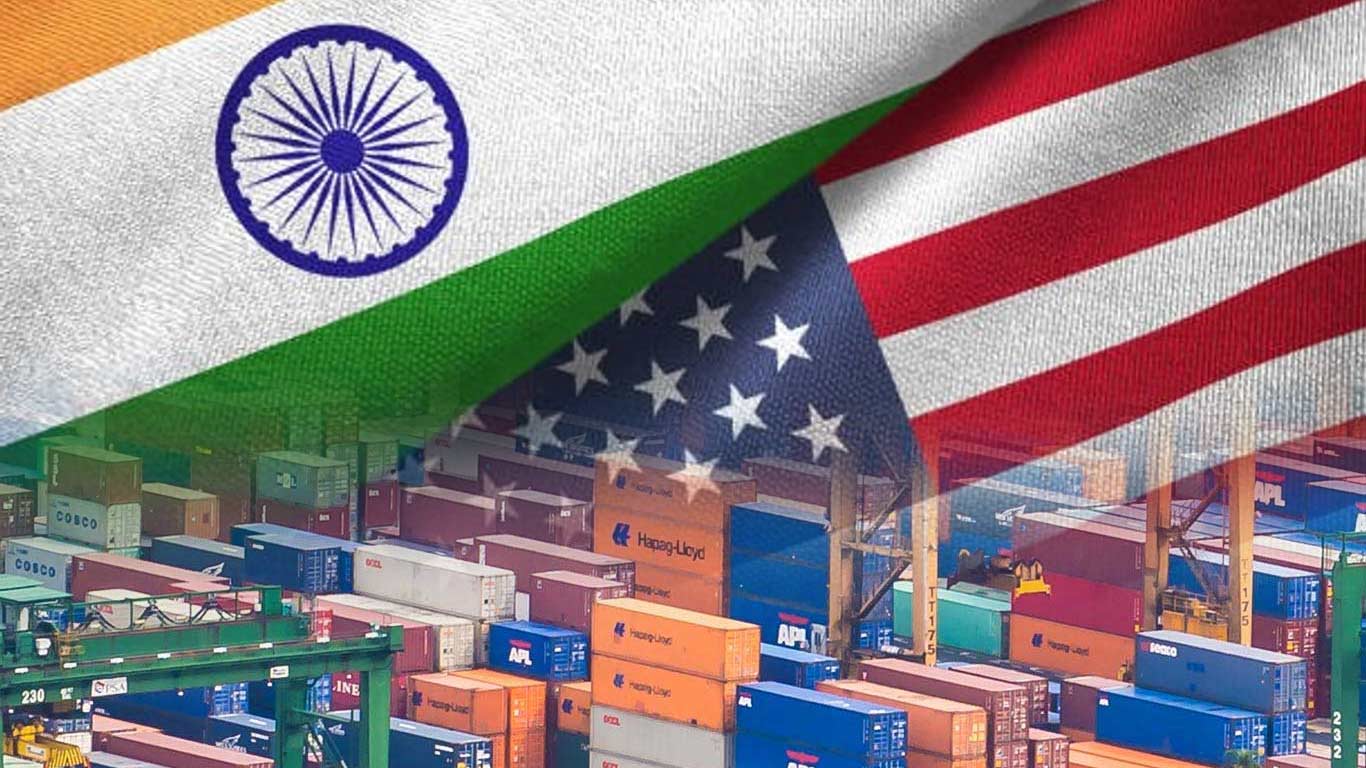
Trade Talks & Bilateral Trade Agreement
India’s envoy in Washington, Ambassador Kwatra, met with senior U.S. senators and officials to discuss a “mutually beneficial trade arrangement”. Specifically:
-
He met with Jeanne Shaheen, the Ranking Member of the U.S. Senate Foreign Relations Committee.
-
He also engaged with Senator Bill Hagerty from Tennessee on continuing ongoing talks for a trade pact.
The context: Five rounds of negotiations have been completed, and the first tranche of the trade deal is “very near” conclusion.

The trade agenda covers multiple domains: goods, services, energy, investment, supply-chains, dispute mechanisms, and likely digital/trade facilitation components.
Energy & Hydrocarbon Cooperation
Ambassador Kwatra also held a “fruitful discussion” with U.S. Deputy Secretary of Energy, James Danly, on India-US energy security partnership and recent developments in energy trade, especially hydrocarbons.
Key themes include:
-
Expanding U.S. exports of liquified natural gas (LNG) and oil to India
-
Cooperation in critical minerals and renewables (though not always explicitly stated in the recent meeting)
-
Collaboration in supply-chain resilience across energy sectors
-
Shared strategic interest in reducing energy vulnerability (for India), and access & investment (for U.S.)
Defence & Industrial Collaboration
While not always the headline, there is mention of industrial cooperation wherein Ambassador Kwatra met with the CEO of a U.S. defence company, Lockheed Martin, to discuss how U.S. companies can contribute to India’s “Atmanirbhar Bharat” goals and defence industrial base.
Additionally, the trade and energy discussions overlap with strategic/defence interests, particularly in the Indo-Pacific and supply-chain domains.
What’s in It for India & What’s in It for the U.S.?

Benefits for India
-
Market Access & Growth: A trade deal could open U.S. markets further, removing tariffs and non-tariff barriers, giving Indian manufacturers and exporters a boost.
-
Energy Security: Better and more diversified energy imports, including LNG/US oil, would strengthen India’s energy mix and bargaining power.
-
Technology Transfer & Manufacturing: Defence and industrial cooperation can help India build higher value-added manufacturing — contributing to jobs and exports.
-
Strategic Leverage: Enhanced U.S. partnership gives India more strategic weight in global fora, and more leverage with other powers.
-
Supply-chain Resilience: By working with the U.S., India can reduce dependency on single sources (e.g., China) in critical sectors (minerals, semiconductors, defence).
Benefits for the U.S.
-
Large Growing Market: India offers a huge market for U.S. goods and services, from energy to defence to services.
-
Strategic Partner in Indo-Pacific: India helps the U.S. in maintaining a strategic balance in Asia, and the deepening partnership strengthens U.S. regional policy.
-
Energy & Mineral Exports: U.S. firms can export LNG, oil, and invest in India’s energy and industrial sectors.
-
Defence Exports & Industrial Base: U.S. defence companies gain a growing customer (and partner), helping their business and strategic goals.
-
Shared Global Governance: India and the U.S. can collaborate on global issues — climate, supply chains, technology standards, and governance norms.
In short: the partnership is a win-win — provided both sides manage sensitivities and follow through.
Challenges & Headwinds
Despite the positive momentum, several challenges must be acknowledged:
Negotiation Roller-coaster
Trade deals often take time and get derailed by domestic politics or global shifts. India’s insistence on “we will not do a deal in a hurry or with a gun to our head” (said by Commerce Minister Piyush Goyal) highlights caution.
Tariffs & Market Access Issues
Earlier, U.S. imposed steep tariffs (50 per cent) on some Indian exports, labelled unfair by India. These past frictions mean trust must be built in the trade track.
Energy Sourcing & Strategic Autonomy
India sources energy from a variety of countries including Russia, Middle East, Africa. U.S. pressure or expectations may clash with India’s strategic autonomy obligations. For example, India felt “perplexed” about U.S. questioning of its oil imports from Russia.
Defence & Technology Transfer Complexities
Defence deals are complex and sensitive — dealing with technology transfer, export controls, interoperability, industrial offsets. India will expect more than just purchase deals, pushing for co-production and local manufacturing.
Supply-Chain & Geopolitical Risk
The push to diversify away from China is real, but building alternative supply-chains (minerals, semiconductors, energy) takes time and investment. Moreover, geopolitical shifts (e.g., Russia-Ukraine, Middle East instability, China) can impact trajectories.
Domestic Political Dimensions
In both countries, domestic politics can affect bilateral ties. Elections, trade interests, labour concerns, local stakeholder groups all play a role.
Execution Risk
Talks are one thing; delivery is another. Commitments made must translate into signed agreements, implementation, monitoring. Speed is often a challenge.
What to Watch In Coming Months

-
Finalisation of the India-US Bilateral Trade Agreement (BTA): With five rounds done and parties saying the deal is ‘very near’, watchers should monitor the terms, sectors covered, timelines, and whether it achieves the target goal (India-US trade normalisation).
-
Energy Deals & Supply-Chain Announcements: For example, India may increase U.S. LNG imports, engage in U.S. mineral/critical-materials partnerships, or form joint investment vehicles.
-
Defence & Industrial Announcements: Agreements on co-production, joint manufacturing, or technology transfers in defence or dual-use sectors would be a big step.
-
Market Access & Tariff Reductions: How the U.S. treats Indian export sectors (textiles, gems, pharma) and how India opens its market will matter.
-
Indo-Pacific Strategy Alignment: How both sides align on regional security (e.g., Quad, maritime security, supply-chain resilience) will reflect the depth of the partnership.
-
Implementation & Monitoring Mechanisms: Establishing joint monitoring, working groups, and roadmap timelines will indicate seriousness.