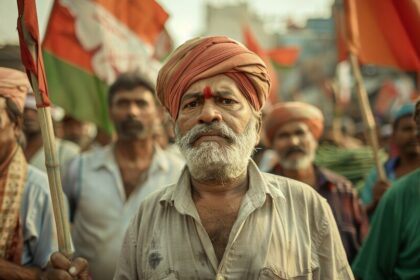
The Indian emergence in the international badminton platform has been one of the greatest stories to be told in sporting contexts in the past two decades. India badminton has garnered respect at the global stages since its humble start as a deriving result to the present development of global champions. However, along with the number of international tournaments hosted on the country, there has been a concurrent argument, one which has challenged the idea that infrastructure, governance and support of athletes are keeping abreast with ambition.
The India Open scandal which happened recently, in which the athletes complained about the conditions of the venue as well as the overall readiness, put the position of the BWF in badminton along with sports support in India under the keen microscope of the public. A celebration of Indian badminton culture became a debate on the level of hygiene, safety and a level of governance.
This critical examination of the event that occurred as well as why these grievances are relevant to more than just one tournament as well as the broader implications of the incident in what still seems to be badminton ecosystem India needs to solidify more.
The Importance of India Open 2016 in Global badminton
The India Open does not represent another event that will be on the calendar. It is a flagship event that indicates the rise in the status of India in international badminton. To the international world, it is an indicator that India is willing to bear international sporting events. It is an uncommon experience to host competitive games in India among the players.

Governance In a governance sense, tournaments such as the India Open challenge the coordination of the local organisers, local federalists (local federations) and Badminton World Federation India ecosystem. Any failure in standards goes global in no time affecting the reputation longtime even past the venue.
When publicly normal players challenge the state of affairs at such an event, this creates a symbolic expression of much bigger problems within the system, and not an isolated failure.
It is the Question what was the India open Controversy
The scandal arose when the players complained about the conditions of the venue, playing, and even the environment. It was complaints about disturbances on the courtside to the concern over athlete safety and recovery.
Even minor lapses may cause significant effects among the professional players who are forced to play week after week with physical pressures of intense activities. Poor air quality, slippery courts or simple facilities are not petty inconveniences, but have a direct impact on the performance and the risk of an injury.
What increased the controversy was the presence of these complaints. In the era of social media and the near-real-time reporting, the voice of the athletes spreads more quickly than official information, forcing a managing organization to react.

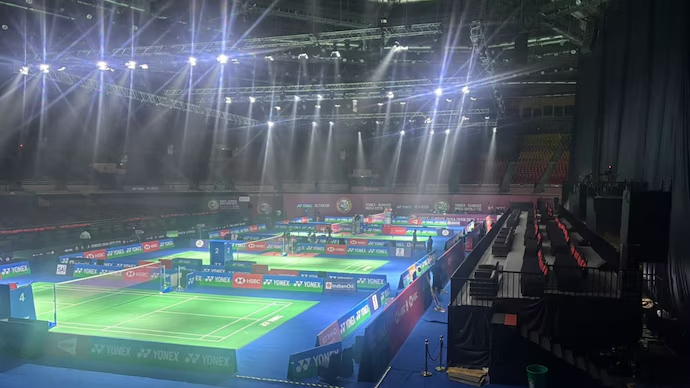
The Importance of Standards: Player Safety and Playing Conditions
Badminton is an accuracy and speed sport at the pinnacle. Several hundredths of a second or a small imbalance can make a difference in match results or in the careers. That is why strict standards are likely to be maintained in BWF rules and India as the host country.
- The main points of proper playing conditions are:
- Consistent court surfaces
- The regulated indoor conditions.
- Hygienic and safe player amenities.
- There is enough space to warm up and recover.
Once any of these elements are wanting, the credibility of the event will be put into question. To the Indian badminton players, being at home should be a bonus and not a burden.

BWF Authority and Accountability in Badminton
BWF role in badminton goes much further than organizing tournaments. Being the international overseeing body it must:
- Setting hosting guidelines
- Monitoring compliance
- Protecting player welfare
Although the local organisers take care of logistics, the BWF supervision is intended to level standards in different countries. Opponents accuse it of undermining trust through inconsistent enforcement particularly where young badminton countries are attempting to form themselves.
The episode of India Open has brought it out once again whether the world organizations sufficiently consider the on-ground reality and still keep high quality standards.
Indian Badminton in the International arena: This Time around expectations are more
India is not regarded as a developing badminton country. It has players that are often in major tournaments and set high expectations. This shift has consequences.
The people of the world no longer see India only through the metals but:
- Event organisation quality
- Athlete experience
- Infrastructure reliability
Hosting All makes the task of hosting the required responsibilities as Indian badminton on the global stage matures. Errors that could have been forgoned ten years ago are being subject to severe criticism.
Indian Sports infrastructure: Developing with Continued lapses
Over the years, India has made big investments in the sporting infrastructure. States have increased indoor stadiums, synthetic courts and high-performance centres. Infrastructure development is a priority area as stressed upon by policy documents and national planning data over and over again.
But the India Open scandal throws into white perspective what has become a common problem, the quality of infrastructure is also intermittent and may not have started before the construction has.
Common challenges include:
- The international facilities in which events take place due to aging.
- Inconsistent venue audits
- Poor accountability procedures.
This disconnect between planning and implementation is still one of the major problems regarding Indian sport infrastructure.
Fashion in India: Elites Are Supported, Grassroots Not
Among the key controversies that erupted due to the scandal is the idea that the support given to sports in India is disproportionally more biased in favor of top artists but does not offer system-wide sustainability.
The best players usually have the access to the top training camps where they train privately and have access to facilities. Nevertheless, the same standards may not always be the same in tournament venues whose pool of players is wider.
This creates a paradox:
- India is a producer of international players.
- But is troubled with inconsistency event-wise.
Sporting excellence needs an individual brilliance and an institutional strength.
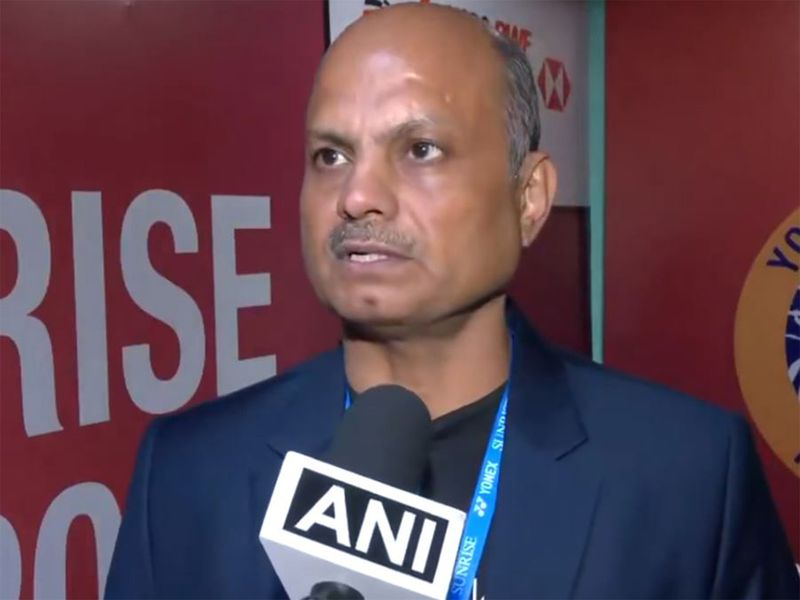
Speaking Indian Badminton Players The Human Cost
There are very personal stories behind what is said publicly. Most of the badminton players in India are of humble origins and the delicate combination of sponsorships, government support plus personal savings have sustained them.
To them, damage or illnesses to the sport, may bring years of training to a stop. One of the senior coaches remembered the case of a young and talented player a few years ago who sustained a career-changing injury because of the lack of safety on the field at one of the domestic events–reality has a long-term effect in terms of safety lapses.
The India Open scandal was also close to the players who believed that their needs were sending a message about more wider vulnerabilities in the system.
BWF Tournaments India: Learning Curve
BWF tournaments India has brought about popularization of the sport, which is undeniable. There has been an increase in crowds, the media and sponsorships. However, there are also lapses in preparedness shown by every event.
Challenges often arise from:
- Rigid global times.
- Communication between various agencies.
- Budgetary constraints
The solution to these problems has to be long-term and not a last minute arrangement.
Government of Indian Badminton: Accepted Accountability, Devolved Responsibility
Badminton India governance has many layers:
- National federations
- State associations
- Government departments
- Event management partners
Diffusion of responsibility is common when controversies are involved. Such ambiguity makes the accountability weak and postpones corrective action.
Increased Indian badminton governance implies a distinction of roles and distributing authorities to independent monitors to implement the standards.
BWF Rules and India: Tensions at a Structural Level
Although BWF rules coincide with India on paper, there are tensions on the ground. The international regulations are established to be uniform yet they fail to note:
- Regional environmental issues.
- Resource disparities
- The legacy problem with infrastructures.
This is no excuse to ignore lapses, but pointing out that adaptive strategies in which standards are not overlooked but only world realities bowed to are necessary.
India The Badminton Ecosystem Is Still in Construction
The functioning of health sports ecosystem is relating to the grassroot training and the elite training, governance, and fans. The badminton in India has developed rapidly and unevenly.
The positive developments involve:
- Training gap bridging in private academies.
- Increased media coverage
- Increasing youth marginalization.
However, when the problems of the ecosystems such as the inconsistency of venues quality are not addressed, progress may be halted.
Sports Policy India: Big Plans, Meet Action
The sports policy framework in India has some ambitious objectives:
- International competitiveness
- Athlete welfare
- Infrastructure expansion
Sports have been several times emphasized by government planning bodies as a means of engagement among the youth and a source of national pride. Nevertheless, the implementation of policy into practice is a challenge.
The India Open scandal is a reminder that achievement of policy is determined at the venue, but not in papers.
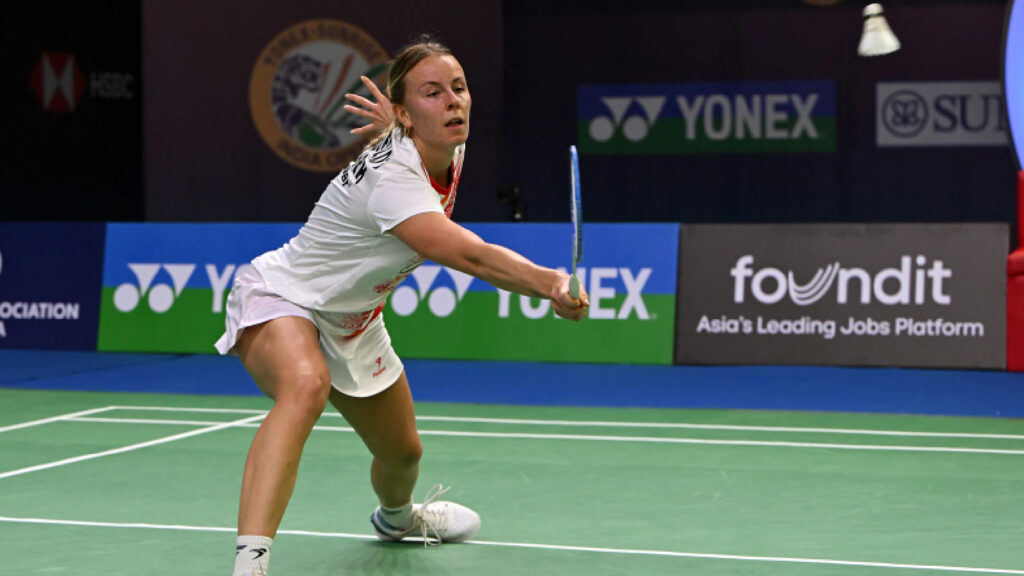
Indian Sports Administration: The Gap Around Professionalism
Sports administration is a profession that involves specialist knowledge in fields such as operations, risk management and athlete care. India has the tendency of filling the administrative positions without the formal training in the field of sports administration.
The impact of this gap in professionalism on:
- Event preparedness
- Crisis response
- Long-term planning
The payroll expenses of having trained sports administrators can greatly minimize such controversies as the one experienced in the India Open.

Institutional Trust, Media,Public Opinion
The sporting institutions are weak in the eyes of the people. The publicity of complaints about the venues creates a perception very fast and tends to dominate the performance of the athletes.
In the case of Indian badminton, the controversy that is recurrent, the diversion of attention towards the sport performance to administrational failures emerges. To regain trust, open communication and apparent remedial efforts are needed.
What Should Change since the India Open Incident
The scandal provides a call to change, as opposed to defensiveness.
Key steps forward include:
- Pre-tournament independent venues audits.
- Well-defined accountability models.
- Better feedback mechanisms by athletes.
- Maintenance rather than mere construction.
- Planning collaboration with organizations at the international level.
These reforms would enable India to become a dependable host country.
Actionable Takeaways for Athletes and Administrators
For athletes:
- Safety issues in documents and reports.
- As a priority, put health over short-term competition at a long-term level.
For administrators:
- Invest due to professional training.
- Embrace global best practices.
- For fans and citizens:
- Demand accountability
- Reforms that are athlete friendly.
More Read
The Beyond One Tournament: The Bigger Picture
India Open scandal is not a single incident. The success of this relates to the maturing stages of a country that is moving forward in involvement in international sport science rather than being a leader in the same.
India possesses the talent, viewers and the desire to be a badminton power not only in the medal but in governance level as well. This is only possible when shortcomings are divulged without hesitation and bold action is taken.
As India badminton keeps climbing the ladder, it has been evident that the demand is; the victory on the court should be accompanied by perfection off court. It is only then that India can proudly and creditably boast of being on the global stage of badminton.