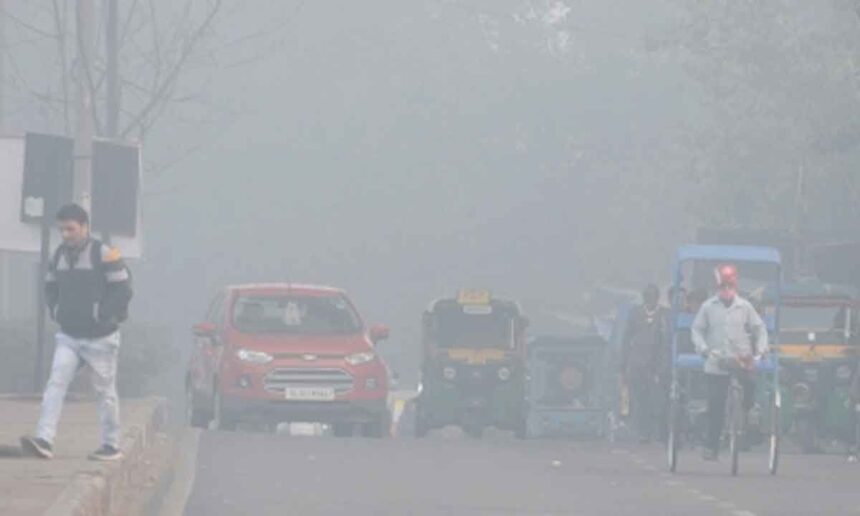
As winter begins to assert itself across northern India, the town of Narnaul in Haryana has registered a dramatic dip in nighttime temperatures — reaching approximately 7 deg C on a recent night, marking the coldest night of the season so far for the region. According to a report, the minimum temperature in Narnaul settled at 7.4 deg C, underscoring how winter chill is setting in early across the state.
In this post we’ll explore:
- What exactly happened in Narnaul and how the minimum temperature compares historically.
- Meteorological reasons for the sudden drop and prevailing weather conditions.
- Impacts on agriculture, daily life and vulnerable populations.
- What to expect in the coming days in Haryana and the Narnaul area.
- Tips for residents on staying safe and prepared.
Narnaul’s Cold Night in Context
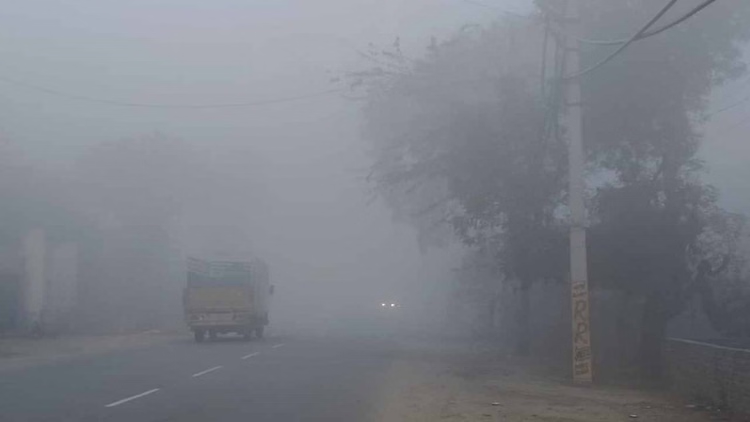
Located in the Mahendragarh district of south-western Haryana, Narnaul typically does not see extremely low temperatures compared to hill stations, though winters can be sharp. The climatology data for the region show that the coldest month is January, with average lows around ~8-10 degC for this part of Haryana.

That a minimum of ~7.4 degC has been recorded in November signals an early and relatively strong cold wave or radiational cooling event. This kind of early cold can catch people unprepared. As reported:
“नारनौल का न्यूनतम तापमान 7.4 डिग्री सेल्सियस तक गिर गया।”
In previous years, Narnaul has seen even lower minima — for example ~4.5 degC was recorded in December 2024.
But given the early date (mid-November) this sets a strong signal for how winter may progress.
Meteorological Behind the Drop
Several atmospheric and local factors combine to produce sharp nighttime cooling:
Clear Skies & Radiational Cooling
When skies remain clear and winds light, the earth’s surface radiates heat into space at night more efficiently. This leads to a sharp drop in minimum temperatures, especially in open plain regions like Narnaul.

Dry Air & Light Winds
The region is currently under dry weather conditions (few clouds, minimal rainfall expected) which supports the cooling process. According to the Haryana Agriculture University‘s weather department head:
18 नवंबर तक मौसम शुष्क रहने का अनुमान है … रात्रि तापमान में गिरावट रहने की संभावना
Light winds also reduce mixing of air mass, allowing cold near-surface air to settle.

Large Day-Night Temperature Difference
Even though daytime temperatures are still moderate (20-25 degC or more), nights dropping to <10 degC create large diurnal temperature ranges which enhance the “feel” of winter. The climate data for Narnaul show the “cool season” runs roughly December-February, but the early dip this year means winter chill has arrived sooner.
Geographical Factors
Narnaul’s terrain is relatively flat but elevated (~300 m or so above sea level) and located inland; these features allow somewhat larger temperature swings compared to coastal or heavily urbanised areas.
Impacts of the Cold Spell

On Agriculture
- Crops & plant stress: Many crops (especially rabi crops or early-sown ones) may be vulnerable when temperatures fall abruptly. Cold spells can damage seedlings, delay germination or lead to frost.
- Livestock & poultry: Animals in open fields may suffer from cold stress; farmers may need to provide additional fodder, shelter or warmth.
- Irrigation & water supply: Although cold itself doesn’t halt irrigation, early chill can change watering schedules and demand additional monitoring (especially for vegetable growers).
On Daily Life & Vulnerable Populations
- Health risks: The rapid drop in temperature increases risks of cold-related illnesses — especially for children, older adults and those with respiratory or cardiac conditions.
- Housing & insulation: Many houses in semi-rural areas may lack adequate insulation or heating; early cold spells increase energy needs (heaters, warm showers) and exposure risk.
- Transportation & travel: Cold morning start can lead to fog formation, slippery roads, dew and impaired visibility — increasing the risk of accidents.
- Public services: Schools may need to adjust start times; outdoor workers (construction, field labour) face discomfort and need protective clothing.
On Local Economy
- Retail & energy: Demand for warm clothing, blankets, electric heaters or heater stoves rises — boosting local retail temporarily.
- Tourism / hospitality: Although Narnaul is less of a tourist hotspot compared to hill states, its early winter ambiance may attract local visitors for day-outings, boosting nearby services.
- Energy consumption: With colder nights, power and fuel consumption may spike (heaters, hot water, lighting) which can stress local supply or raise costs.
Forecast & What to Expect Next
Based on recent reports:
- The weather is expected to remain dry and stable until at least 18 November, with nights continuing to be cold and days moderate.
- Minimum temperatures in the coming nights are likely to hover between 6-10 degC, with clear skies and chilly winds.
- Daytime highs may reach 25-29 degC, meaning comfortable days but still brisk nights.
- As the season progresses toward December and January, colder conditions (possibly <5 degC) are possible if meteorological systems align (e.g., cold north-westerly winds, prolonged clear nights).
For residents and local authorities:
- Prepare for ongoing cold mornings: ensure heating or warm clothing ready, especially for children/families.
- Farmers should monitor rabi crop sowing and protect vulnerable seedlings or early plants.
- Health services should be alert to rise in cold-related ailments; campaigns for warm along clothing, safe cooking/heating indoors, and regular check-ups for elders are advisable.
Tips for Residents & Visitors
Dress in layers: Morning/evening may require heavy woollens or jackets; midday may be comfortable in lighter clothes.
Warm your home safely: If using heaters or stoves, ensure ventilation, fire-safety and CO prevention.
Avoid outdoor exposure during late night/early morning: Especially for children, elderly or those with respiratory issues.
Check on livestock and pets: Ensure they have adequate shelter; consider covering exposed animals or sensitive species.
Drive carefully: during dawn when temperatures are low and dew/frost may form on roads.
Hydrate & eat warm foods: Cold weather may reduce perceived thirst; keep up fluid intake and prefer warm meals.
Monitor forecasts & advisories: While no extreme weather alert appears imminent, staying updated helps respond if conditions worsen.
More Read

Why This Matters

As part of the larger northern-Indian winter pattern, early cold spells like this one in Narnaul have broader relevance:
- They signal the strength and onset of the winter season, which can impact agriculture, economy and public health.
- They test the readiness of infrastructure (housing, electricity, public health) for cold conditions.
- They inform policy and preparedness steps — for example, in scheduling crop operations, mid-day school timings, or community welfare programmes.
- For meteorologists and climate watchers, such drops help evaluate how global-climate shifts (e.g., weaker winds, clearer nights, earlier onset of chill) are affecting local micro-climates.
Final Word
The latest weather update from Narnaul — with its minimum temperature dipping to ~7 degC — marks a significant early-winter milestone for Haryana. While daytime warmth may provide comfort, the crisp cold nights are a clear reminder: winter is here. Residents, farmers and local authorities alike should treat this as a signal to act: wrap up for the cold, ensure homes and crops are prepared, and stay alert for the deeper chill that December may bring.
It’s also a good moment to appreciate that climate and local weather are not just numbers — they impact daily life, economy and wellbeing in real ways. With nights getting colder, the next few weeks are important for adapting and staying safe.