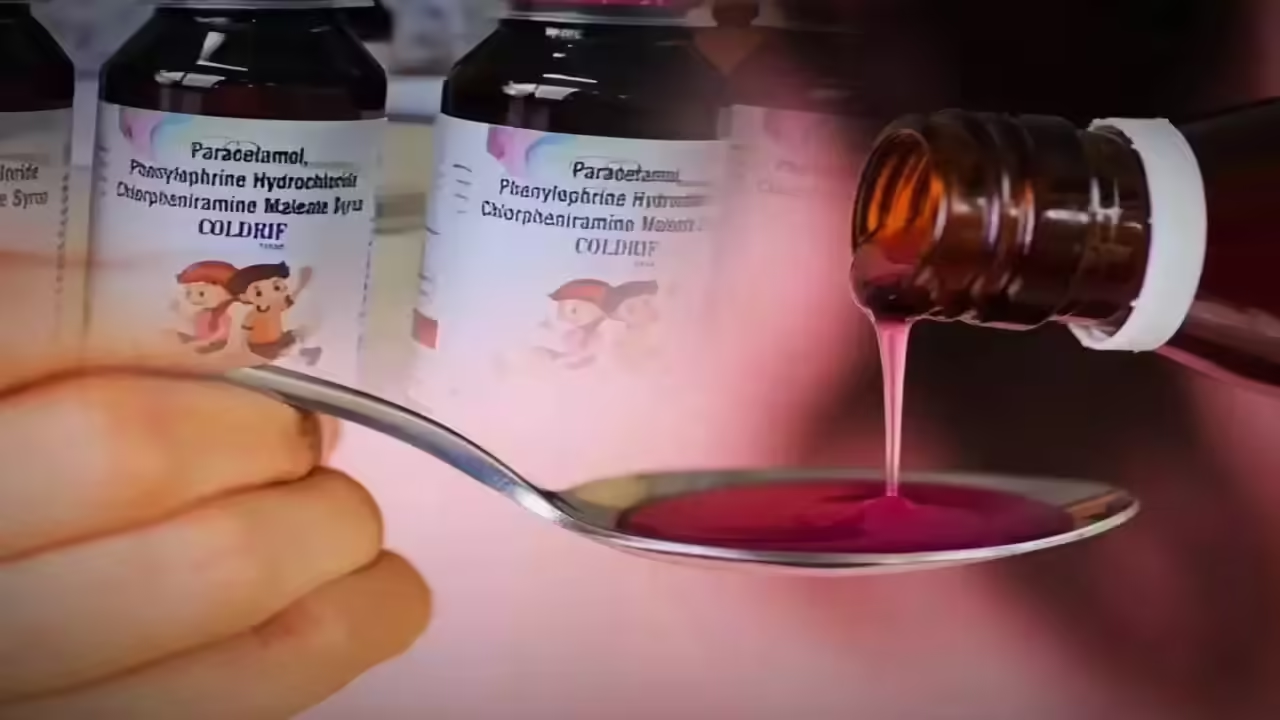
In a significant development in the ongoing investigation into the deaths of at least 24 children in Madhya Pradesh linked to the consumption of a toxic cough syrup, the Enforcement Directorate (ED) has conducted coordinated raids at seven locations in Chennai. These raids are connected to Sresan Pharmaceuticals, the company responsible for manufacturing the contaminated syrup, Coldrif. The company’s owner, G. Ranganathan, was arrested earlier this month and is currently in police custody.
Background of the Incident
The tragedy unfolded when children in Madhya Pradesh died after consuming Coldrif, a cough syrup produced by Sresan Pharmaceuticals. Investigations revealed that the syrup contained dangerously high levels of diethylene glycol (DEG), a toxic substance. The DEG concentration was found to be nearly 500 times the safe limit, leading to acute kidney failure in the victims. The deaths have raised serious concerns about the safety and regulation of pharmaceutical products in India.
ED’s Raids and Investigations
On October 13, 2025, the ED initiated raids at seven locations across Chennai, including the residence of G. Ranganathan, the owner of Sresan Pharmaceuticals. The raids were part of a money laundering investigation under the Prevention of Money Laundering Act (PMLA). The ED is examining financial transactions and possible illicit activities linked to the production and distribution of the contaminated syrup.
In addition to targeting Sresan Pharmaceuticals, the ED also raided the residences of senior officials from the Tamil Nadu Drug Control Department. These actions suggest a broader probe into regulatory failures and potential corruption within the state’s pharmaceutical oversight mechanisms. The raids are seen as an effort to hold accountable all parties involved in the distribution of the toxic syrup
G. Ranganathan’s Arrest and Custody

G. Ranganathan, aged 75, was arrested on October 9, 2025, by the Madhya Pradesh Special Investigation Team (SIT) in Chennai. He was subsequently brought to Chhindwara, Madhya Pradesh, for further questioning and investigation. The SIT’s inspection of the Sresan Pharmaceuticals factory in Kanchipuram, Tamil Nadu, aimed to gather evidence regarding the production processes and identify lapses that may have contributed to the contamination of the syrup
Regulatory Oversight and Violations
The Central Drugs Standard Control Organisation (CDSCO) has reported over 350 violations at Sresan Pharmaceuticals’ Tamil Nadu plant, including 38 serious infractions. These violations encompass issues related to quality control, manufacturing practices, and adherence to safety standards. Despite these concerns, the company continued operations unchecked for over a decade, raising questions about the effectiveness of regulatory oversight in the pharmaceutical industry
In response to the incident, the Tamil Nadu government has revoked Sresan Pharmaceuticals’ manufacturing license and ordered the closure of the company. Additionally, two senior drug inspectors have been suspended for dereliction of duty, highlighting the need for accountability within regulatory bodies
Broader Implications and Global Concerns
The Coldrif tragedy is part of a troubling pattern of incidents involving contaminated Indian-made cough syrups. Similar cases have been reported in countries such as The Gambia, Uzbekistan, and Indonesia, where children died after consuming syrups containing toxic levels of diethylene glycol. These incidents have prompted the World Health Organization (WHO) to issue warnings about the export of contaminated medicines through unregulated channels
The recurrence of such tragedies underscores the urgent need for stringent regulatory measures and enhanced oversight of pharmaceutical manufacturing processes. It also calls for greater transparency and accountability within both domestic and international drug regulatory agencies.
Conclusion
The Enforcement Directorate’s raids and the ongoing investigations into Sresan Pharmaceuticals mark a critical step in addressing the systemic issues within India’s pharmaceutical industry. While the immediate focus remains on the tragic deaths of the children in Madhya Pradesh, the broader implications of this case highlight the necessity for comprehensive reforms in drug safety regulations. Ensuring the integrity of pharmaceutical products is paramount to safeguarding public health and restoring trust in regulatory institutions.
As the investigation progresses, it is imperative that all responsible parties are held accountable, and measures are implemented to prevent such incidents in the future. The Coldrif case serves as a stark reminder of the potential consequences of regulatory lapses and the critical importance of vigilance in pharmaceutical oversight.
The path forward must involve a concerted effort from all stakeholders, including government agencies, pharmaceutical companies, and the public, to uphold the highest standards of safety and accountability in the production and distribution of medicinal products.