In India’s vibrant electoral democracy, political parties make grand promises during campaigns—ranging from jobs and subsidies to expansive welfare schemes. Yet once in power, the challenge shifts from promise-making to promise-keeping. The gap between election promises and actual governance is increasingly becoming a decisive factor for voters. In modern India, it appears that not just what is promised matters, but what is delivered—how well services are implemented, how governance functions in everyday life. This essay explores why delivery matters more than promises, how governance performance influences voting behaviour, and what the implications are for Indian democracy.
We will examine:
-
The nature of election promises in India and their evolution.
-
The shift in voter expectations: from rhetoric to realism.
-
Evidence and case-studies showing how delivery influences votes.
-
The institutional and structural factors affecting delivery.
-
The challenges and way-forward for aligning promises with governance.
Nature of Election Promises in India
Popular Manifestos and Freebies
Indian electoral politics is marked by manifestos, guarantee-lists and promise-campaigns. Parties often commit to subsidies, direct cash transfers, free goods, job guarantees and infrastructure-sprees. For example, in many state elections parties promise “free electricity up to X units,” monthly stipends to certain groups, full waiver of student loans, etc. A study observes that large numbers of freebies and welfare commitments are articulated to mobilise voters.
These promises serve multiple functions: generating excitement, capturing attention, signalling responsiveness, and in many cases, appealing to particular constituencies (youth, women, farmers, backward castes). They are useful electoral tools.

From Promises to Governance Challenges
However, the translation of promises into governance is not straightforward. The paper “Electoral Promises, Freebies and Political Fraud” explores the constitutional and governance challenges of unfulfilled election promises—arguing that many promises remain unmonitored, unaccountable and lead to disillusionment.
The judiciary has also flagged this gap. As noted in 2017, the Jagdish Singh Khehar (then CJI) observed that political manifestos often remain “just on paper” and parties must be held accountable.
Thus, while promises serve as electoral currency, governance demands implementation, institutional capacity, resource mobilisation, accountability and administrative delivery.
Changing Voter Expectations: Delivery Matters
From Passive Recipient to Discerning Voter
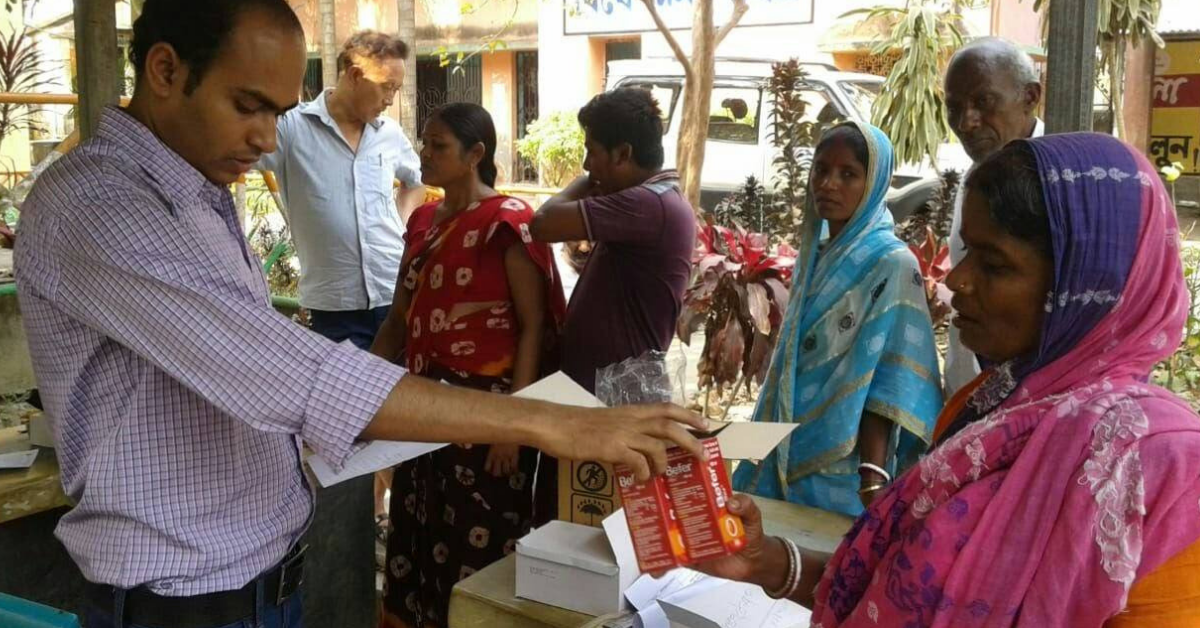
Recent studies suggest Indian voters are becoming more discerning: they no longer vote solely on promises or freebies, but also look at service delivery, household financial wellbeing, access to welfare schemes and governance performance. For example, a Business Standard article reports that even beneficiaries of welfare schemes are less likely to vote for the incumbent if their experience in accessing the schemes was poor.

In other words, delivery quality, access, coverage, timeliness and fairness become critical. Voters increasingly ask: Have I received the benefit? Was the experience smooth? Did the promised scheme reach me? The act of delivery matters.
Welfare vs. Long-Term Governance
Another study from Assam found that while freebies (small-term promises) attract voter interest, issue-based commitments (healthcare, education, economy) and governance-oriented promises hold more weight among voters in that region.
This reflects a broader shift: voters may now value structural governance, institutional performance and credible delivery over mere giveaways. It doesn’t mean giveaways don’t matter — but the quality of delivery and longer-term governance credibility are gaining importance.

The Erosion of Blind Loyalty
In earlier decades, clientelistic politics (vote banks, caste appeals, identity‐based mobilisation) dominated. But as information access increases (via media, Internet, social networks) and as governance expectations rise (jobs, services, transparency), voters are less forgiving of non-delivery. The dissonance between high-flying promises and everyday reality fosters cynicism, lowering the threshold for re-electing incumbents. For example, opinion pieces argue that promise-failure leads to disillusionment and democratic fatigue.
Thus, delivery becomes the tipping factor: a party may promise much, but if delivery is poor, voters penalise.
Evidence and Case-Studies: How Delivery Influences Votes
Welfare Schemes and Service Delivery
The 2024 general election post-poll surveys show that welfare schemes alone do not guarantee votes; access and real service delivery matter. The study found that non-beneficiaries are less likely to support the incumbent; and even among beneficiaries, poor service access or dissatisfaction with finances reduces loyalty.
So for incumbents, implementation and last-mile delivery are key. Merely having a flagship scheme is insufficient if its reach or quality is compromised.
Freebies vs. Development Promises: Assam Study
In Assam, voters indicated that though freebies appeal, they also prioritized governance-oriented commitments such as improving education, healthcare and the economy.
Thus, promises rooted in policy and governance rather than short-term giveaways are gaining voter preference.
The Promise-Implementation Gap
In many states, the gap between election promises and actual performance is glaring. For example, a 2025 news report noted that in Tamil Nadu, the Dravida Munnetra Kazhagam (DMK) government was accused of having fulfilled only 13% of its 505 election promises made in 2021.
Such large unfulfilled promise-quotas feed into the narrative of governance failure and can become election liabilities.
Case of Punjab and Women Voter Discontent
In Punjab, the opposition accused the ruling party (Aam Aadmi Party) of failing to deliver on a key promise of providing a ₹1,000 monthly stipend to women—an unfulfilled and highly visible commitment. The opposition flagged this in a bye-election campaign.
Here one sees how a specific promise, failure to deliver, becomes fodder for electoral challenge—illustrating how delivery failures directly affect electoral fortunes.
Why Delivery Decides Votes: The Mechanisms
Credibility and Trust
When parties deliver on their promises, they build credibility. Voters view them as trustworthy and competent. Conversely, repeated failure erodes trust. Political scientist scholarship suggests that trust in incumbent performance influences electoral choices more than campaign rhetoric.
Perception of Personal Benefit and Collective Impact
For many voters, the question is: “Have I benefitted?” If yes, they may reward the incumbent; if not, they may punish. The perceived personal benefit (improved economic situation, access to services) plus collective public goods (roads, schools, health) form the basis of electoral judgement. The study in Business Standard emphasised that even beneficiaries may not vote for the incumbent if their broader financial condition is poor despite the benefit.
Localised Delivery and Accountability
In Indian elections, local MP/MLA performance and constituency‐level visibility matter. Delivery of schemes, improvements in infrastructure, responsiveness to issues in a local area all feed into electoral calculations. When delivery is visible and accessible, voters feel empowered and seen; when it is bureaucratised, opaque or delayed, voters feel disconnected.
Information Access and Comparative Reference
With the rise of data, media, social networks, voters compare promises versus reality. They are aware of what was promised, track whether it was delivered, and influence each other via social media or local networks. The gap between campaign promises and governance thus becomes visible, increasing accountability.
Governance Quality as a Differentiator
When multiple parties promise similar freebies, governance quality—pace of delivery, fairness, service access, corruption levels—becomes a differentiator. Parties that can demonstrate efficient delivery, reduced leakage, improved institutional performance gain advantage. For example, technological interventions in welfare delivery (Aadhaar, direct transfers) have improved access and in turn supported vote‐support for incumbents.
Institutional & Structural Factors Affecting Delivery
Administrative Capacity, Fiscal Resources & Infrastructure
Delivery of promises depends heavily on the state’s administrative scale, fiscal health, and institutional capacity. Promises without matching fiscal commitment or institutional readiness often fail. A paper on Assamese elections highlighted how long‐term commitments mattered more when infrastructure existed.
Many states struggle with weak local governance, understaffed public services, delayed procurement, corruption and leakages. These structural bottlenecks hamper delivery and thus electoral credibility.
Policy Design vs. Implementation
Good policy design is necessary but not sufficient. Implementation often lags, due to weak monitoring, missing data, poor institutional coordination, or inadequate feedback loops. The gap between promise and practice becomes visible to voters. A commentary pointed out that some governments realised that freebies promised were not practical and fiscal reality forced them to revise tariffs and impose new taxes instead—leading to backlash.
Political Incentives and Continuity
Delivery often requires sustained governance beyond election cycles. Governments that change frequently or that operate in fragmented coalitions may struggle with continuity. Moreover, if electoral cycles force short-termism, governments may prefer high‐visibility promises over structural reforms. This reduces capacity for credible delivery over time.
Accountability and Monitoring
Independent monitoring of promise delivery (by civil society, media, data organisations) is increasingly present. Voters and activists track performance. The more transparent the delivery process, the more trust voters deposit in the system. Conversely, when promises are unfulfilled but no accountability is visible, voter cynicism grows.
Fiscal Sustainability
Some promises—especially large freebies—may be difficult to sustain fiscally. If promises strain budgets, lead to delays or service quality deterioration, the backlash is electoral. A discourse on “welfare is kingmaker” in Bihar highlights how delivery role shifted from symbolic to substantive via entitlements backed by fiscal design.
Implications for Indian Democracy and Electoral Politics
Shifting Focus from Populism to Governance
The increasing importance of delivery means that populist promises alone may no longer guarantee electoral success. Political parties will increasingly compete on governance credentials (track record, service access, implementation). This may deepen accountability.
Elevated Role of Performance Metrics and Data
With greater voter awareness and data/tracking organisations, the promise-versus-delivery gap becomes measurable. Voters, media and civil society can hold parties accountable. This pushes electoral competition into the domain of performance metrics.
Incentivising Better Governance
When government performance becomes electorally relevant, there is an incentive for improved service delivery, reduced corruption, stronger local governance, and better public-sector performance. This strengthens democracy and governance quality.
Risks of Disillusionment and Cynicism
However, if promises remain unmet and delivery weak, voters may become cynical, disengaged, or resort to anti-incumbent swings irrespective of performance. Large unmet promise portfolios can undermine trust in the democratic process itself (as seen in the Tamil Nadu example).
Fiscal & Governance Trade-Offs
The push for delivery puts pressure on budgets and governance capacity. If promises are too large or unrealistic, they may precipitate fiscal stress, postponed implementation, or degraded public services—leading to negative electoral outcomes. The debate around freebies thus remains central.
Challenges and Way-Forward

Ensuring Realistic Promises with Implementation Roadmaps
Political parties must draft manifestos that link promises with realistic implementation plans, fiscal estimates, timelines and measurable indicators. This helps manage voter expectations and build credible delivery pathways.
Strengthening Institutional Capacity & Local Governance
More Read

Improving administrative capacity at all levels—state, district, municipality—is critical. Local bodies must be empowered, budgets must be adequate, monitoring systems robust, and service delivery citizen-centric. Devolution and local governance reforms matter.
Enhancing Transparency, Monitoring and Accountability
Mechanisms for tracking promise delivery (state-level dashboards, civil‐society tracking, media scrutiny) need to be strengthened. Electoral commissions, citizen platforms and watchdogs can help hold parties accountable. Data transparency and third-party audits help.
Improving Voter Literacy and Engagement
Voters should be empowered to evaluate performance—not just rely on slogans. Civic education, information platforms and independent research help voters make informed choices. When voters ask: “What did you deliver last term?” the electoral process improves.
Balancing Welfare and Long-Term Development
Delivery must combine immediate welfare with structural governance: infrastructure, jobs, health, education, institutional reform. Governments need to move beyond high-visibility freebies to sustainable, scalable programs that improve lives over the long term.
Managing Fiscal Sustainability
Promises must be fiscally responsible. Over-promising and under-delivering harms both governance and electoral credibility. Sound budgeting, prioritisation, and phased implementation help mitigate risk.
Conclusion
In modern India’s electoral landscape, the mantra “delivery decides votes” appears truer than ever. Election promises—grand, aspirational, often ambitious—still matter. But increasingly, what voters care about is whether those promises were delivered, whether services reached them, whether governance improved their lives.
As evidence shows, voters are discerning: they compare what was promised with what was delivered, they judge access and fairness of service, and they may reward or punish incumbents based on performance. Governance that delivers builds credibility, trust, and electoral advantage; governance that fails to deliver risks disillusionment, protest swings, and democratic fatigue.
For Indian democracy to deepen, it is imperative that electoral promises are matched with robust governance, transparent delivery, institutional accountability, and citizen-centric service. Political parties must shift from promise-making to credible delivery, and voters must continue raising the bar for governance. In that sense, the future of Indian politics hinges less on grand rhetoric and more on grounded performance.