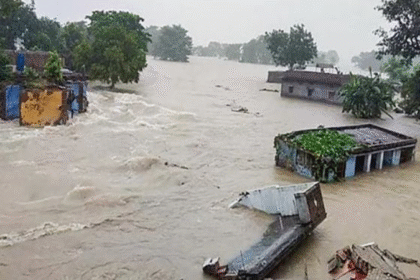
With the east coast of India about to feel the effects of Cyclone Montha, one thing is very clear: it is not a weather incident as such. It is a mention of how exposed our coastal communities have become, how vital disaster preparedness has become, and how profoundly climate change is influencing the pace of our earthly environment.

This article is going to discuss the weather conditions of the Cyclone Montha, the forecasted on-ground conditions in the state of Andhra Pradesh, Odisha, and Tamil Nadu, its effects on people and their livelihood, and what it can teach us about resiliency, in light of climate uncertainty.
Cyclone Montha: Cyclone Montha Canopy Planet
Cyclone Montha started as a deep depression in the west-central bay of Bengal and was then able to become a severe cyclonic storm. The India Meteorological Department (IMD) says it will traverse in north-north west picking the Andhra Pradesh coast between Machilipatnam and Kalingapatnam.
During landfall monota will sweep steady winds of approximately 90 to 100 kilometers per hour and may possibly be as high as 110 kilometers per hour. The sea is forecasted extremely rough, with a continual height of four to five meters and the storm surges at approximately one meter in excess of the normal level of the tide.

Such a combination of high wind, high rainfall and storm can bring about devastating floods and erosion. It is also a menace on infrastructure, agricultural lands and coastal livelihoods.
Predicted Interstate Effect
-
Andhra Pradesh
Andhra Pradesh will take the main blow of Cyclone Montha. A number of coastal districts (Kakinada, East and West Godavari, Konaseema, and Eluru) are on high alert. The state government is also mobilizing disaster response teams and putting help stations in place, which include over 250 evacuation centers. Practical citizens such as pregnant women and the old have been transferred to safe places.
Certain areas under danger particularly are the low-lying coastal mandals and the Godavari-Krishna delta regions. Due to the tides, heavy rains also lead to extensive flooding. The agriculture department of the state has threatened that over six lakh hectares of agricultural land (primarily paddy and cotton) may be destroyed.
The Kakinada port is among the ports which have been shut down. Fishing vessels have been taken into shelter, and fishermen not to venture into the sea before the storm has passed.

-
Odisha
Even though the cyclone will hit Andhra Pradesh, southern Odisha will receive strong winds and excessive rain. Moving the vulnerable groups such as the low-lying and coastline population has started by the state government. River overflows and soil erosion on hilly slopes can occur.
-
Tamil Nadu
Chennai and the neighboring districts or Northern Tamil Nadu have been put under Orange and yellow alerts. The intensity of the storm will also be reduced in this area, but the area may experience heavy rains, urban floods, and waterlog. Disaster teams in Tamil Nadu are on alert and citizens have been encouraged to remain at home even when there is rain.

Human, Economic and Environmental Impact
The arrival of the cyclone Montha underlines the successive layers of risk:

- Human Life and Safety: Tens of thousands of citizens are in evacuation. The key issue is to make sure that the most vulnerable people (children, women, elderly) can find a way to reach safety before it is too late and have an opportunity to eat, drink, and get medical assistance.
- Agriculture: The crop damage in Andhra Pradesh may impact on food production and incomes of the rural population. Crops at risk include paddy, cotton and horticulture products because of floods and strong winds.
- Infrastructure: Cyclones such as Montha tend to damage power lines, roads, and communications systems on a mass basis. The rescue and relief efforts may be slowed down by electricity cuts and roadblocks.
- Coastal Economy: Coastal industries, ports, and fisheries are seen to be extremely disrupted. The closing of ports paralyses the trade, and the fishermen might lose their daily wages.
- Urban Risk: The intense rainfall can easily cause flash flooding in the cities of Tamil Nadu especially in Chennai. It is hard to recover due to poor drainage systems and high population.
- Environment: The storm can destroy coastal ecosystems such as mangroves which are natural protections against coast erosion and floods. It will be necessary that these natural barriers be restored after the cyclone passes.
Lessons from the Storm
New lessons in resilience are introduced with every cyclone. Montha makes several important areas of improvement and a long-term plan.

-
Early Warning/ Communication
The disaster alert systems in India have enhanced significantly with time but further communication can always be improved and that is particularly among individuals in rural areas. It is also essential that early warnings are communicated to all persons in local dialects.
-
Conserving Coastal Ecosystems
The wetlands, sand dunes and mangroves serve as natural barriers to the storm surge. The safeguarding and the repairing of these ecosystems are equal to the erection of concrete dykes.
-
Urban Preparedness
With the growth of cities that are on the coastline; flood resistant constructions and proper drainage systems must become tender urban development agendas. Cyclones are not a rural issue only, but are also becoming an urban problem.
-
Climate Change Connection
Although it is impossible to directly assign a single cyclone to climate change, these tendencies of a higher temperature of seas and unpredictable monsoon processes make the existence of stronger storms more likely. It requires a climate-aware mode of development.
-
Resilient Livelihoods
Disasters such as the one experienced in Months are frequent economic shocks to farmers and fishermen. These can be minimized by insurance, cooperative savings, and alternate livelihoods to decrease the long time loss after such incidences.
Safety and Preparedness General
To the east coast people preparation is the life- saver:
- Keep in touch via official weather alerts and local governments.
- Have cell phones, power banks as well as flashlights fully charged.
- Have clean water, dry food, and bare necessities in the store.
- In case you live in a low area and the cyclone is approaching, then you should go to a higher place or a relief shelter before the cyclone comes.
- Do not venture close to beaches, rivers or open fields at high winds.
- Keep objects near to your house locked and keep the windows securely covered.
- Following the cyclone, do not walk in the floodwaters since this can be filled with debris or live power lines.
A Historical Perspective
The east coast of India has witnessed one of the strongest cyclones across the world- the Odisha Super Cyclone of 1999, the 2014 Cyclone Hudhud and 2020 Cyclone Amphan. The lessons learned by each incident were quite helpful in preparedness and response.
India has more coordinated mechanisms of dealing with disasters and improved shelter infrastructure as well as enhanced early warning mechanisms compared to 20 years ago. However, the increasing number and severity of storms are reminding us of the fact that resilience has to develop continuously.
More Read

Conclusion
Cyclone Montha is not only a challenge of the power of nature but also human endurance. The synchronized effort of the officials in Andhra Pradesh, Odisha, and Tamil Nadu demonstrates the extent to which disaster management in India has been developed. But the real resilience is not only in emergency response but in long term planning, rebuilding of homes in a more intelligent way, restoration of natural ecosystems and future preparedness of the communities.
The message that stands out as Monsta heads to land is that preparedness saves lives. Nowadays, in the time of shifting weather patterns, acting early and being conscious and collaborating as a community will be our most potent tool against the storms of the future.