
How They Work, Their History, Impact, and India’s Nuclear Policy
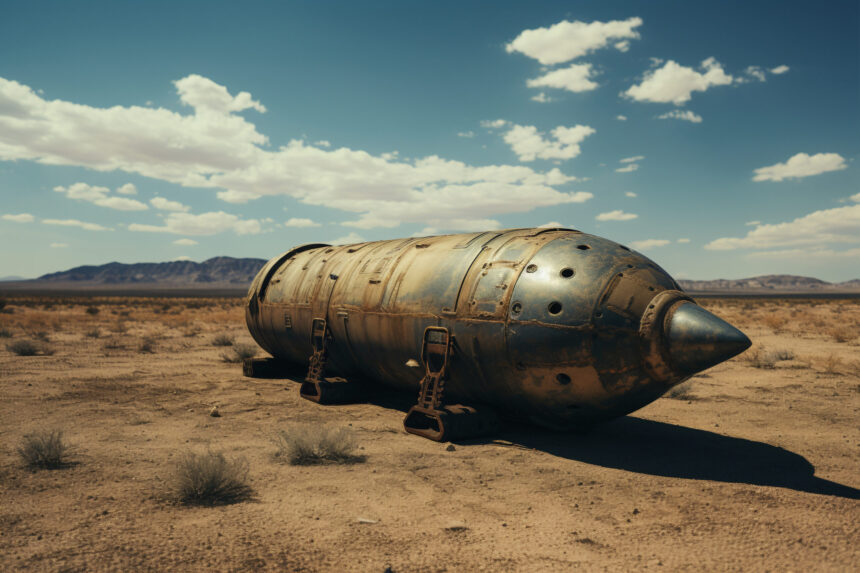
Nuclear weapons, also known as Parmanu Bombs, are the most powerful weapons ever
created by humans. They have the power to destroy entire cities within seconds. While they are meant to protect countries, they also bring fear and responsibility. In this post, we’ll explain what nuclear weapons are, how they work, their history, impact, and India’s policy around them — all in simple language.
What Are Nuclear Weapons?
Nuclear weapons are bombs that release huge amounts of energy through a process called
nuclear reaction. This energy comes from splitting atoms (called fission) or combining them
(called fusion).
These reactions are millions of times more powerful than regular explosives like TNT. That’s
why even a small nuclear bomb can cause massive destruction.
How Do Nuclear Weapons Work?
There are two main types:
- Atomic Bomb (Fission Bomb)
- Splits heavy atoms like uranium or plutonium
- Releases massive energy and heat
- Example: Bombs dropped on Hiroshima and Nagasaki in World War II
- Hydrogen Bomb (Fusion Bomb)
- Fuses light atoms like hydrogen under extreme heat
- Much more powerful than atomic bombs
- Uses an atomic bomb to start the fusion process
Both create:
- Intense heat and fireball
- Deadly radiation
- Powerful shockwaves
- Radioactive fallout
Brief History of Nuclear Weapons
- 1945: The United States used nuclear weapons for the first time on Hiroshima and
Nagasaki, Japan. Over 200,000 people died. - Cold War (1947–1991): The US and the Soviet Union built thousands of nukes. The
world feared a nuclear war. - 1960s–Present: Other countries like the UK, France, China, India, Pakistan, and North
Korea developed nuclear weapons. - Global Treaties: To prevent the spread, the Nuclear Non-Proliferation Treaty (NPT) was
signed by many countries.
Impact of Nuclear Weapons
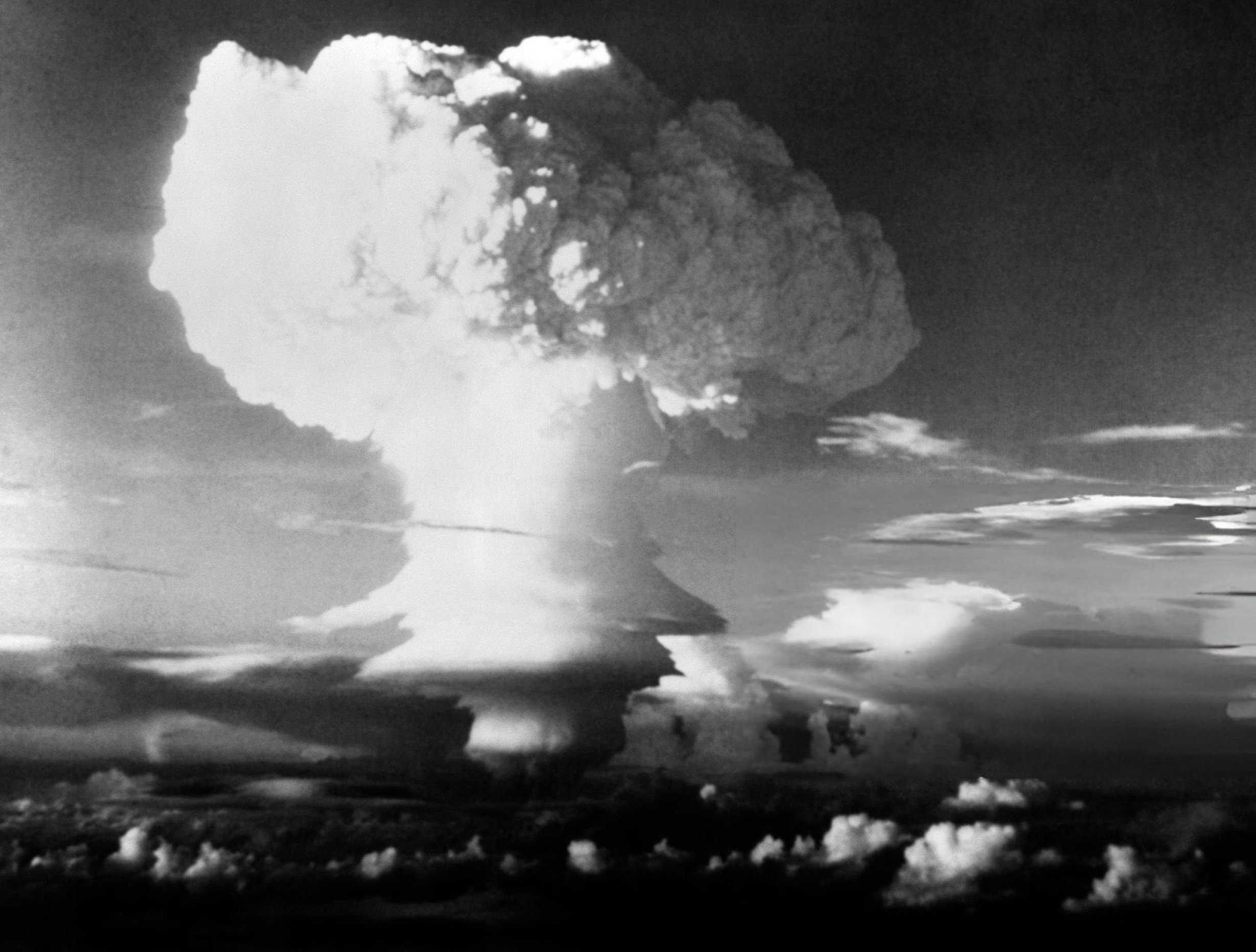
Immediate Effects:
- Destruction of everything within kilometers
- Fires and shockwaves
- Thousands of deaths in seconds
Long-Term Effects:
- Radiation causes cancer, birth defects, and illness
- Radioactive dust (fallout) can affect air, water, and food
- Land becomes unlivable for years
- Global climate can change (nuclear winter)
India’s Nuclear Journey
India became a nuclear power in 1974 after conducting its first nuclear test, named “Smiling Buddha”, in Pokhran, Rajasthan. In 1998, India carried out more tests under Operation Shakti, confirming its nuclear capability.
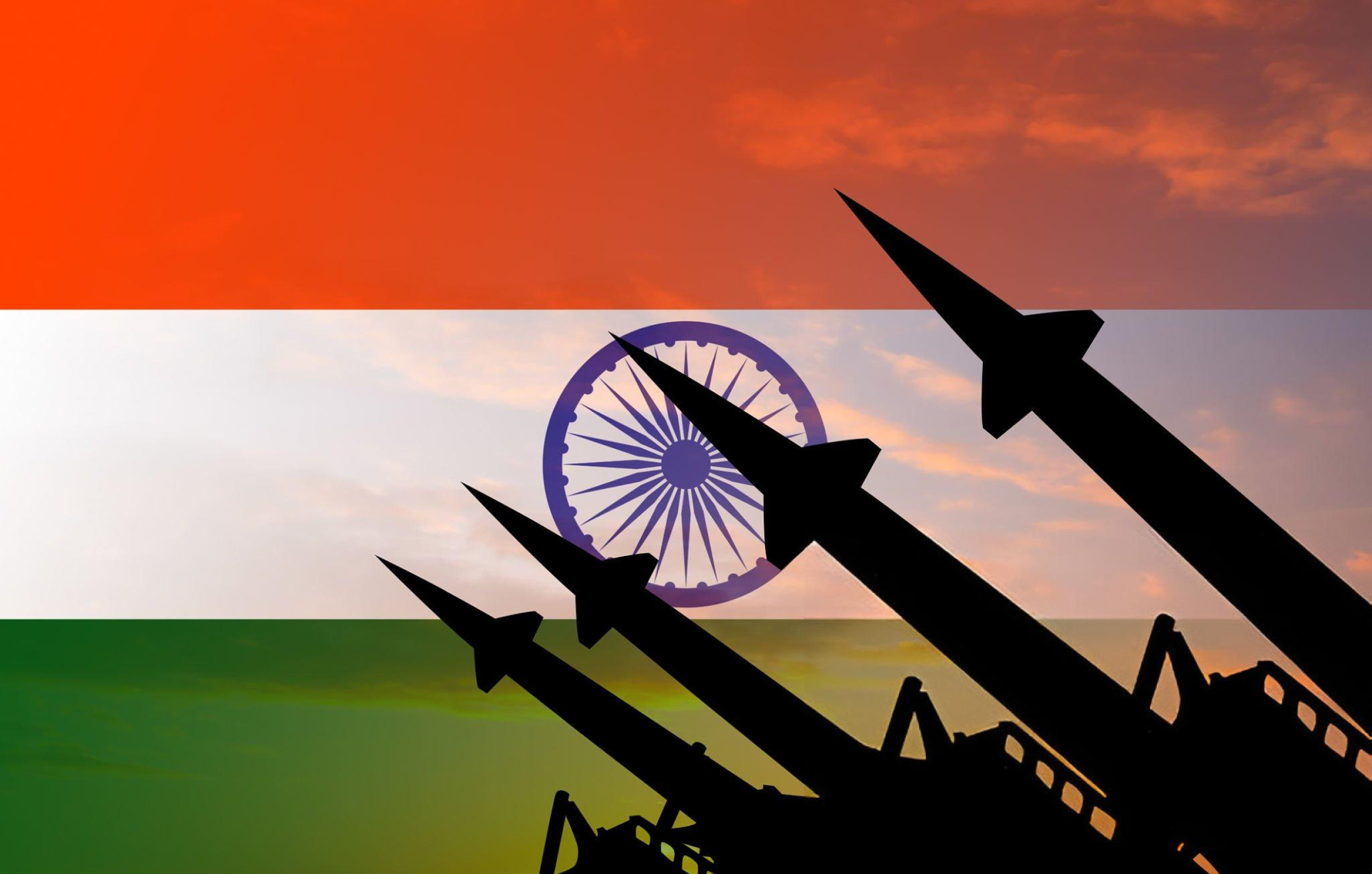
India’s Nuclear Policy:
- No First Use (NFU): India promises it will never use nuclear weapons first, but will
respond strongly if attacked. - Credible Minimum Deterrence: India keeps only enough nuclear weapons to defend
itself, not to attack others. - Strict Control: India has systems in place to prevent misuse and ensure safety of its
nuclear weapons.
More Read

Why Nuclear Weapons Still Matter
Nuclear weapons are often seen as a deterrent, meaning they prevent enemies from attacking. Countries keep them for defense, not attack. However, the world hopes for peace and disarmament, where fewer nations rely on such dangerous weapons.
In Simple Words…
- Nuclear weapons are powerful bombs that can destroy cities.
- They have been used only twice in history, but they continue to shape world politics.
- India is a responsible nuclear power with a peaceful policy.
- The goal for the world should be safety, control, and eventually, a future without nuclear
war.