
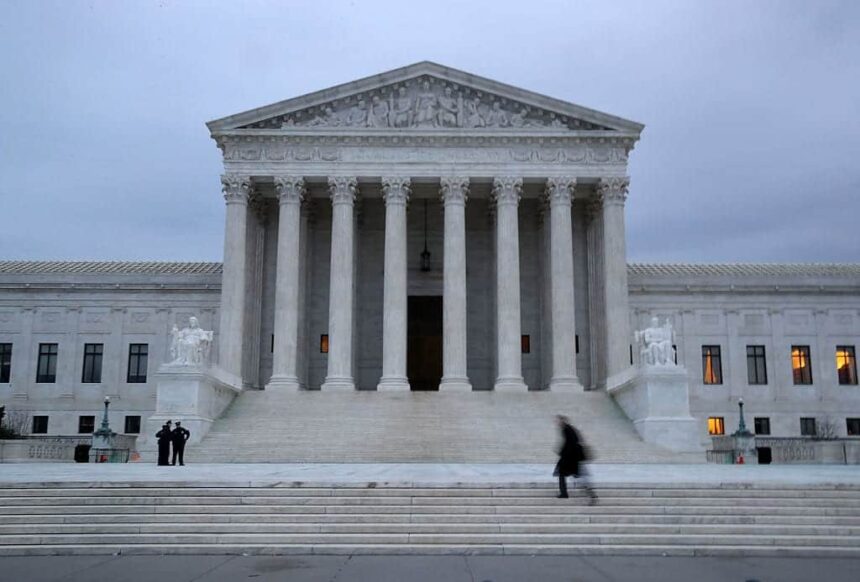
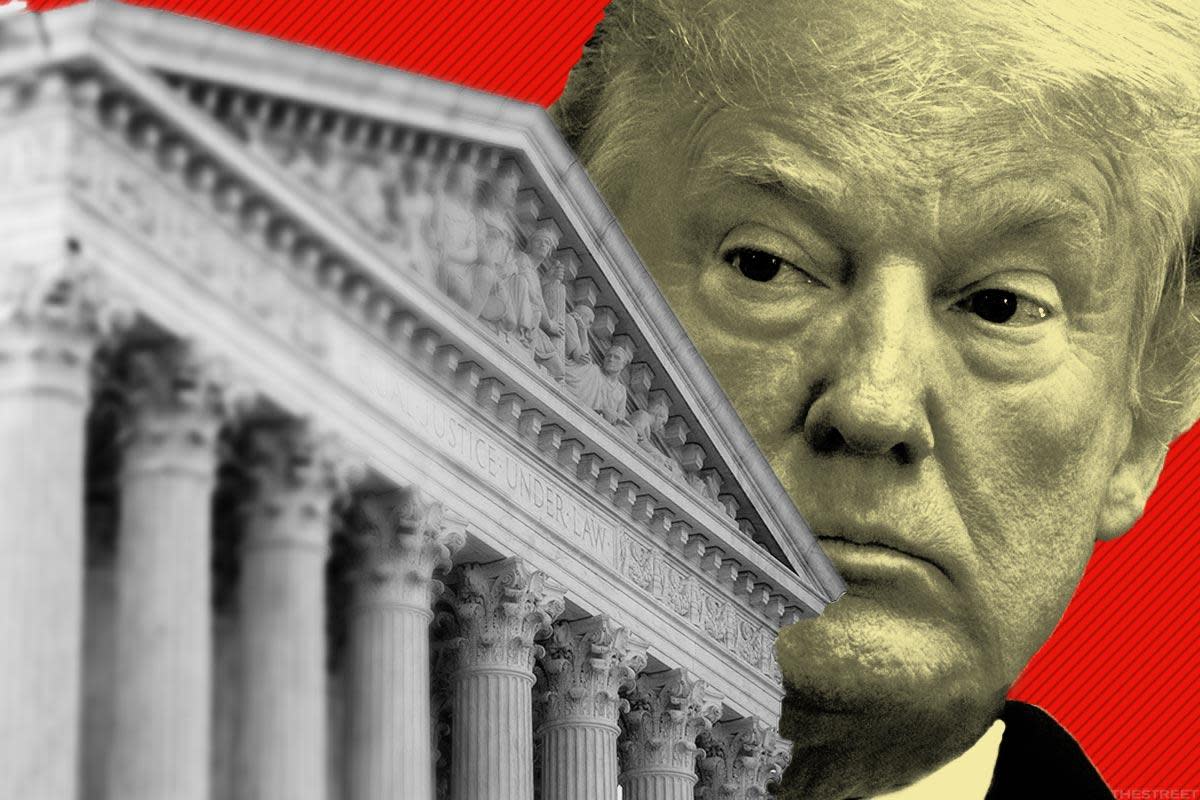
When the nine justices of the Supreme Court of the United States heard oral arguments earlier this week about former President Trump’s sweeping global tariff policy, it was more than a case about trade. It was a test of the separation of powers, the boundaries of presidential authority, and the future of U.S. economic diplomacy.
At the heart of the case lies a simple question: did Trump and his administration overstep a law that allows the President to act in emergencies — and convert it into a weapon to impose tariffs on hundreds of billions of dollars of imports? From the marble steps of the courthouse to the factory floors overseas, the stakes are high.
The Origins of the Tariff Storm
For years, trade policy has been one of the most visible expressions of American economic diplomacy. Tariffs–taxes on imported goods–have been used to protect industries, punish unfair trade practices, and as bargaining chips in negotiations. But until now, they have generally been applied with some legislative backing and international treaty context.
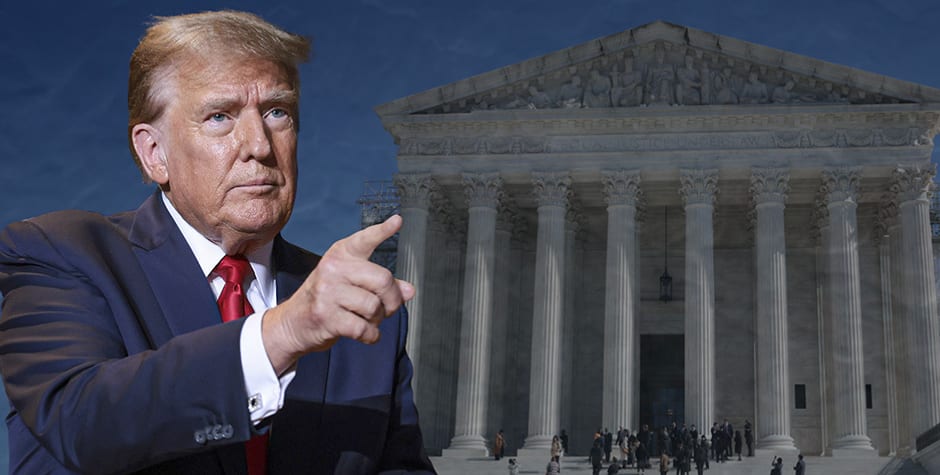
In 2025, Trump’s administration invoked the International Emergency Economic Powers Act (IEEPA) of 1977 to justify a broad program of global tariffs. Under IEEPA, a President may declare a national emergency and then “regulate” commerce, including imports. Trump’s team argued that massive trade deficits, supply-chain vulnerabilities, and foreign dependency constituted such an emergency–and that tariffs were a legitimate tool under that law.
In practical terms, this meant that a duty of around 10 % baseline (with higher rates for certain countries like China) was applied across a broad range of products from virtually every major trading partner. The administration claimed the tariffs had two functions: protect American industry and serve as leverage in trade bargaining and national-security matters.
Yet from the moment this scheme began, legal watchers raised alarms. The IEEPA never specifically mentions “tariffs,” and tariffs are traditionally the realm of Congress, which holds the constitutional power to impose taxes. A portion of businesses, states, and trade experts began preparing challenges. And now the Supreme Court is weighing whether the argument holds up under the doctrines of major authority and separation of powers.
The Court’s Skepticism: Justices Ask Hard Questions
In the oral argument heard on November 5, 2025, justices from both conservative and liberal wings expressed deep skepticism of the administration’s legal argument.
Chief Justice John Roberts pressed the solicitor general: “The vehicle is the imposition of taxes on Americans — and that has always been the core power of Congress.” Justice Neil Gorsuch warned about a “one-way ratchet” of power away from Congress toward the presidency.
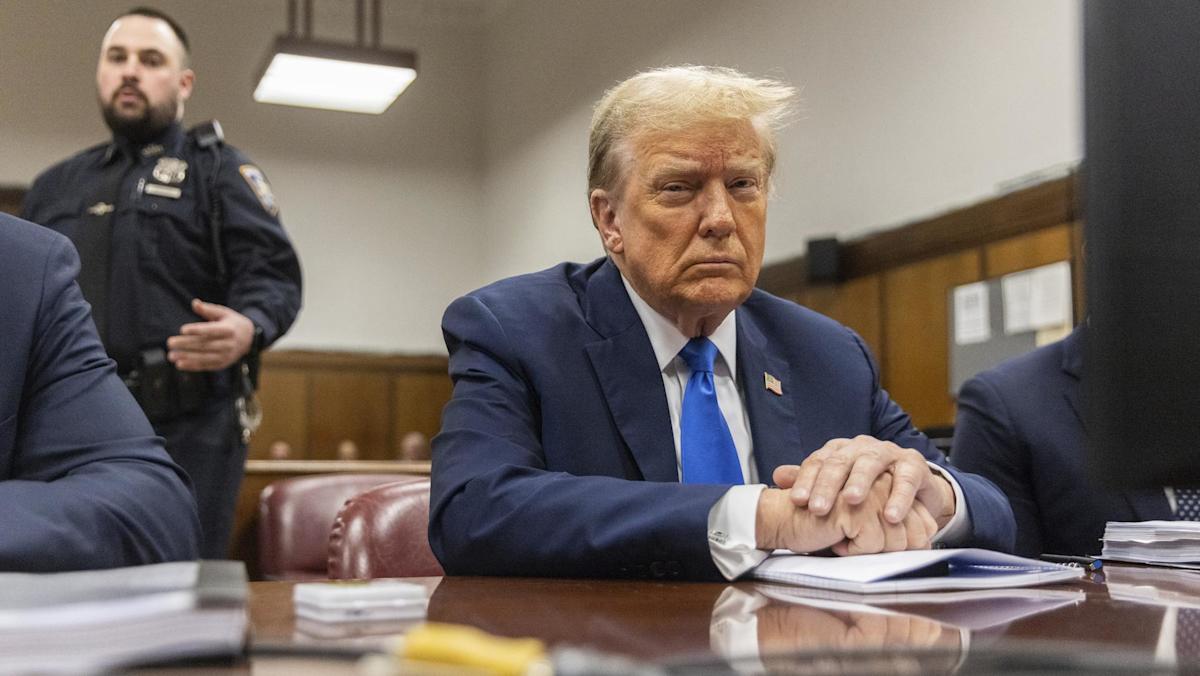
One of the key legal doctrines in play is the “major questions” doctrine: when an executive action has vast economic and political consequences, Congress must clearly delegate the authority. The justices questioned whether IEEPA gives clear authority to impose unlimited tariffs with virtually no geographic or temporal constraints.
At the same time, some conservative justices reminded the attorney that presidents have traditionally had broad authority in trade and foreign affairs–potentially giving the administration some breathing room. Justice Brett Kavanaugh, for example, referenced the Nixon-era use of a similar statute to impose global tariffs in the 1970s.
Why This Case Matters
Congress vs. the Presidency
The American Constitution gives Congress the power to levy taxes. Tariffs fall under that umbrella. If the Court allows wider use of emergency laws to impose tariffs, Congress’s role could be diminished.
Global Trade and Market Certainty
Businesses and markets dislike uncertainty. The tariffs in question generated tens of billions in revenue (one estimate placed it at US$89 billion between February and September 2025). If the Court strikes them down, companies may seek refunds, trade patterns may shift, and the ripple effects on global supply chains could be considerable.
Diplomacy and Foreign Relations
Tariffs are not just economic tools; they’re diplomatic ones. If the administration loses, it may shift to other statutes (like Section 232 of the Trade Expansion Act or other trade laws) which may hold less sweeping scope–but the precedent will matter.
Domestic Politics and Industry
Industries that benefited from the tariffs may oppose a ruling against them. States that relied on protection may see that political argument change. And the case will feed into broader debates about executive power, industrial policy, and economic populism.
The Human Side: What This Means on the Ground
Take a mid-western factory that closed a decade ago when foreign competition surged. Tariffs gave it, its workers, and its town hope. If the Court strikes them down, those hopes may fade.
Or consider an importer who paid the increased tariff on components and now must deal with more expensive supply chains and price pressures. If the tariffs go away, will she get refunds–or be stuck in limbo? Justices asked exactly that question: how would refunds work if prior tariff collections were deemed illegal? “It could be a mess,” warned Justice Amy Coney Barrett.
On the international stage, a small exporter in Southeast Asia might see U.S. import demand fall or shift depending on whether the tariffs stay. That means livelihoods, investment decisions and trade relationships are all at stake.
What Comes Next
The Court is unlikely to issue its ruling until early to mid-2026. The administration has already indicated that, if the IEEPA basis is struck down, they will switch to other trade statutes to maintain tariff policy.
A possible outcome:
The Court could narrowly limit the IEEPA interpretation, say that the law does not cover tariffs, and send the matter back to lower courts.
Or the Court could rule in favor of the administration, letting the tariff regime stand.
In either case, the ripple effects will include demands for congressional action (either to codify tariff authority or limit it), industry lobbying, and perhaps legislative fixes.
Reflecting on the Larger Picture
This case is about tariffs, but it is really about power. About who decides the rules of trade. About how democracy filters into economic policy. And about the stability of the system when executive decisions ripple into global markets overnight.
One might argue: Presidents need flexibility. Global trade is fast, adversaries move quickly, economic threats morph rapidly. Yet others reply: Flexibility cannot come at the cost of constitutional guardrails.
As one trade-lawyer put it: “If they blot out the role of Congress in these decisions, you may never get it back.”
In the end, Americans will be watching–not just for who wins the case, but for what it signals. Will America’s economic policy remain grounded in a shared constitutional process? Or will the presidency expand into a new kind of economic super-power?
Conclusion
More Read

When the Supreme Court grapples with whether tariffs can be imposed under emergency powers, it is not only deciding for one president, one law; it is determining how power is shared, how markets are governed, how the United States will engage with the world on trade.
For ordinary families, factories, workers, exporters and importers, the decision will matter. For the next generation of trade policy, the precedent will be bigger still.
In the end, the ruling will tell us whether tariffs are temporary weapons wielded by a president, or structural tools defined by Congress and the rules of law. And that will shape our economy, our trade relationships, and our democracy.