Artificial Intelligence is no longer a distant concept limited to science fiction or research laboratories. It is already shaping how Indians learn, work, shop, receive healthcare, and interact with government systems. From automated loan approvals and facial recognition to predictive policing and AI-powered education tools, algorithms now influence decisions that directly affect human lives. This rapid adoption makes one question unavoidable: how ethical is this intelligence we are building, and who is responsible when it goes wrong?
The ethics of AI has emerged as one of the most important policy and academic discussions of the 21st century. For India, a country with vast population diversity, deep social inequalities, and an expanding digital footprint, the ethical use of AI is not optional. It is essential.
This article explains the ethics of AI in simple language, explores real-world ethical challenges, and clearly explains why India needs strong, well-designed AI regulation. It is written for students, policymakers, professionals, and everyday readers who want clarity without technical complexity.

Understanding the Ethics of AI
The ethics of AI refers to the moral principles and values that guide how artificial intelligence systems are designed, developed, deployed, and governed. At its core, it asks a simple but powerful question: should AI be allowed to do everything it can do?

Ethical AI focuses on ensuring that technology serves humanity rather than harms it. This includes preventing discrimination, protecting privacy, ensuring accountability, and preserving human dignity.
AI systems are not neutral. They learn from data created by humans and societies. If the data reflects bias, inequality, or injustice, AI systems may amplify those problems at scale.
Key ethical concerns arise because AI systems:
- Make decisions without human emotion or context
- Operate at large scale and high speed
- Are often opaque and difficult to audit
- Can impact fundamental rights
Understanding the ethics of AI helps societies decide how far automation should go and where human judgment must remain central.
Why Ethics of AI Matters More Today Than Ever
In earlier technological revolutions, machines replaced physical labor. AI, however, influences thinking, judgment, and decision-making. This shift makes ethical oversight critical.

AI is now used in areas such as:
- Hiring and recruitment
- Credit scoring and insurance
- Healthcare diagnostics
- Surveillance and law enforcement
- Education and student assessment
A flawed AI system in these areas can deny opportunities, reinforce discrimination, or violate basic freedoms. Without ethical safeguards, efficiency can come at the cost of justice.
The ethics of AI ensures that innovation does not undermine democratic values, social trust, and human rights.

India’s Rapid Adoption of AI
India has embraced AI as a tool for economic growth and governance reform. Government initiatives, startups, and multinational companies are actively deploying AI solutions.
Some prominent examples include:
- AI-based traffic management systems
- Facial recognition in policing
- Automated welfare eligibility checks
- Chatbots for public service delivery
- AI-powered EdTech platforms
India’s digital public infrastructure, such as Aadhaar and digital payments, generates massive datasets. While this creates opportunities for innovation, it also raises ethical concerns related to surveillance, consent, and misuse.
The ethics of AI becomes especially important in India because decisions made by algorithms can affect millions simultaneously.
Ethical Challenges of AI in the Indian Context
Bias and Discrimination
AI systems learn from historical data. In India, historical data often reflects caste bias, gender inequality, regional disparities, and socio-economic exclusion.
For example:
- An AI hiring tool trained on past corporate data may favor urban, English-speaking candidates
- Credit algorithms may disadvantage informal workers
- Facial recognition systems may misidentify people with darker skin tones
Without ethical oversight, AI can silently reinforce existing inequalities.

Privacy and Data Protection
AI relies heavily on personal data. In India, awareness about data rights remains limited, and enforcement mechanisms are still evolving.
Ethical concerns include:
- Collection of data without informed consent
- Use of biometric data for purposes beyond original intent
- Data breaches and unauthorized sharing
The ethics of AI demands that individuals retain control over their personal information.
Lack of Transparency
Many AI systems operate as black boxes. Even developers may not fully understand how complex models arrive at specific decisions.
This creates problems when:
- A loan application is rejected
- A student is flagged by an automated proctoring system
- A citizen is placed under surveillance
Ethical AI requires explainability so affected individuals can understand and challenge decisions.
Also Read: Top 20 Free AI Tools
Accountability Gaps
When an AI system causes harm, it is often unclear who is responsible. Is it the developer, the deployer, the data provider, or the government agency?
Without clear accountability frameworks, victims may have no remedy. The ethics of AI insists that responsibility must always be traceable to humans.
Why India Needs AI Regulation Urgently
India currently lacks a comprehensive AI-specific law. While there are data protection and IT-related frameworks, they do not fully address AI’s unique ethical risks.
Protecting Fundamental Rights
AI can impact rights guaranteed by the Constitution, including:
- Right to privacy
- Right to equality
- Right to freedom of expression
Regulation ensures that AI systems respect constitutional values and do not override them in the name of efficiency.
Ensuring Fair Innovation
Clear ethical rules create a level playing field. Startups, researchers, and companies benefit from knowing what is acceptable and what is not.
Ethical regulation encourages responsible innovation rather than unchecked experimentation.
Preventing Abuse of Power
Unregulated AI can be used for mass surveillance, political manipulation, or social control. Regulation ensures that technology strengthens democracy instead of weakening it.
Building Public Trust
People are more likely to accept AI solutions when they trust the systems behind them. Ethical governance builds confidence among citizens and users.
Global Approaches to Ethics of AI
Many countries have already taken steps to regulate AI ethically.
- The European Union has proposed a risk-based AI regulatory framework
- UNESCO has issued global AI ethics guidelines
- OECD countries have adopted AI principles focused on human rights
India can learn from these approaches while designing a framework suited to its own socio-economic realities.
What Ethical AI Regulation Should Look Like in India
India does not need to copy foreign models blindly. Instead, regulation should be adaptive, inclusive, and context-specific.
Key elements should include:
Risk-Based Classification
AI systems should be categorized based on risk levels. High-risk applications like policing, healthcare, and finance should face stricter oversight.
Mandatory Impact Assessments
Before deployment, AI systems should undergo ethical and social impact assessments to identify potential harms.
Transparency Requirements
Developers and deployers must explain how AI systems work, especially when decisions affect rights or opportunities.
Human-in-the-Loop Mechanisms
Critical decisions should always involve human review. AI should assist, not replace, human judgment.
Independent Oversight Bodies
An independent regulatory authority can monitor compliance, investigate violations, and impose penalties when needed.
Role of Education in Ethics of AI
Ethical AI is not only a legal issue but also an educational one. Students and professionals must understand ethical implications alongside technical skills.
Universities and institutions should:
- Include ethics of AI in curricula
- Promote interdisciplinary learning
- Encourage critical thinking about technology
An informed generation is the strongest safeguard against misuse.
Ethics of AI and Indian Students
For students, understanding the ethics of AI is essential for future careers. Engineers, lawyers, policymakers, and journalists will all interact with AI-driven systems.
Ethical awareness helps students:
- Design fair and inclusive technologies
- Anticipate social consequences
- Make responsible professional choices
This knowledge empowers students to become creators, not just consumers, of ethical technology.
The Economic Argument for Ethical AI
Some argue that regulation slows innovation. In reality, ethical clarity accelerates sustainable growth.
Companies that adopt ethical AI:
- Avoid legal and reputational risks
- Build long-term user trust
- Attract global partnerships
India’s ambition to become a global AI hub depends on credibility as much as capability.
Challenges in Implementing AI Regulation in India
Regulation is not without difficulties. India faces challenges such as:
- Limited technical capacity in regulatory bodies
- Rapid technological change
- Balancing innovation with control
However, these challenges are manageable with stakeholder consultation and phased implementation.
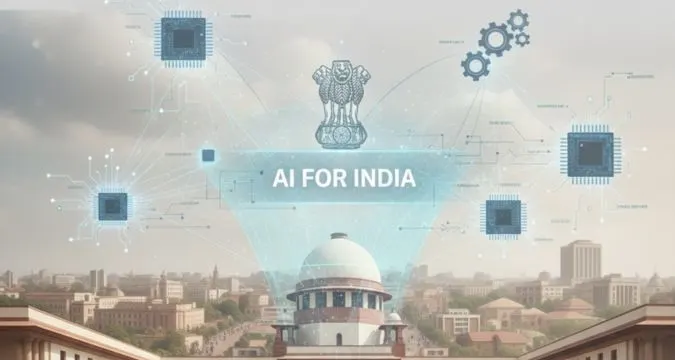
The Way Forward
The ethics of AI should be treated as a continuous process, not a one-time policy exercise. Laws must evolve alongside technology.
India should:
- Encourage public debate on AI ethics
- Involve civil society and academia
- Promote ethical research and development
A values-driven approach will ensure AI serves India’s development goals without compromising human dignity.
Frequently Asked Questions (FAQs)
What is meant by the ethics of AI?
The ethics of AI refers to moral principles that guide how artificial intelligence is designed and used to ensure fairness, transparency, accountability, and respect for human rights.
Why is the ethics of AI important for India?
India’s large population and social diversity mean AI decisions can impact millions. Ethical safeguards prevent discrimination, privacy violations, and misuse of power.
Does India currently have AI regulation?
India does not yet have a comprehensive AI-specific law. Existing frameworks address data protection and IT issues but do not fully cover AI ethics.
Can AI be biased even if it is neutral technology?
Yes. AI learns from human-generated data. If the data contains bias, AI systems can replicate or amplify it.
Will AI regulation slow innovation?
Responsible regulation promotes sustainable innovation by building trust, reducing risks, and ensuring long-term adoption.
How can students contribute to ethical AI?
Students can learn about ethics of AI, question technology critically, and design systems that prioritize fairness and inclusivity.
More Read

Conclusion
Artificial intelligence has the power to transform India’s future. However, without ethical guidance, the same technology can deepen inequality, erode privacy, and weaken democratic values.
The ethics of AI is not a barrier to progress. It is the foundation of responsible progress. India stands at a critical crossroads where timely regulation can ensure that AI becomes a force for inclusive growth rather than unchecked control.
By embracing ethical principles, transparent governance, and informed participation, India can lead the world in building AI that truly serves humanity.