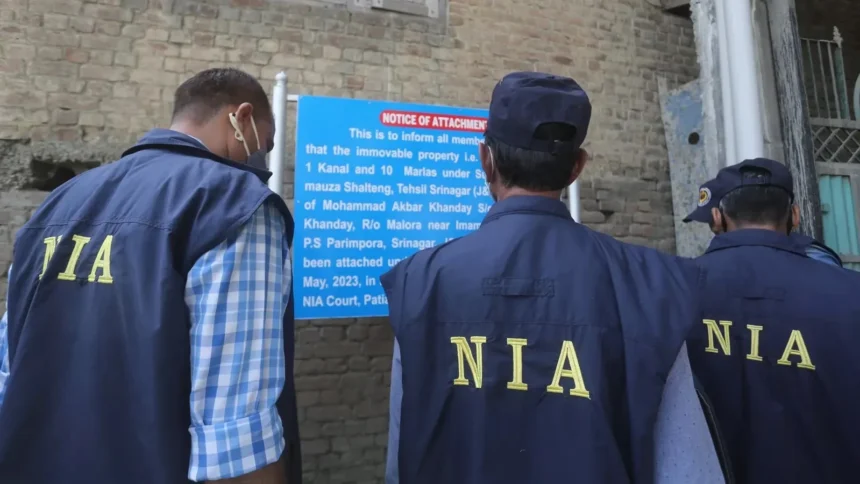
A Web of Destruction Unraveled: Delhi Blast Investigation
What began as a single explosion near Delhi’s historic Red Fort has now unraveled into a chilling terror plot spanning multiple states. Investigators have revealed that at least eight suspects were planning to execute serial blasts across four cities, a strategy designed to sow chaos and fear simultaneously. The revelations point to a sophisticated, well-funded network and a disturbing revival of organized terror operations within India’s capital region.
The investigation, led by national security and counter-terror agencies, is steadily piecing together how these individuals, allegedly linked to Jaish-e-Mohammad (JeM), orchestrated one of the most ambitious terror plots in recent years.
The Four-City Terror Blueprint
According to investigative sources, the group of eight planned to divide themselves into four teams, each targeting a different city. The intention was clear: maximize panic, stretch emergency responses thin, and create confusion across multiple jurisdictions.
Each pair was to carry multiple Improvised Explosive Devices (IEDs), likely built using high-grade fertilizer-based compounds. Initial forensics point toward the use of NPK (Nitrogen, Phosphorus, Potassium) fertilizers commonly available but lethal when mixed with certain chemicals.

Sources disclosed that over 20 quintals of NPK fertilizer, worth nearly ₹3 lakh, had been purchased from Gurugram, Nuh, and nearby regions. The bulk procurement raised no suspicion at the time, as NPK is widely used in agriculture. However, the material later became the core component for IED preparation.
Money Trail: How ₹20 Lakh Funded the Plot
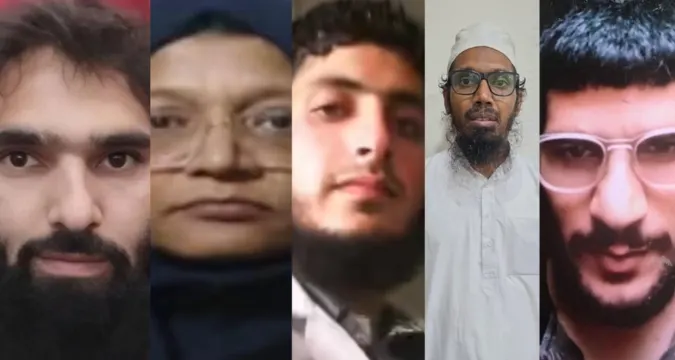
The financing behind the Delhi blast has become a crucial lead for the National Investigation Agency (NIA). Investigators revealed that Dr. Muzammil, Dr. Adeel, Umar Nabi, and Shaheen were instrumental in raising nearly ₹20 lakh in cash, which was later handed over to Umar Un Nabi, believed to be the key operational handler.
The funds were reportedly collected through a mix of local contributions, cross-border channels, and informal hawala networks, indicating a possible foreign link. Intelligence agencies suspect the involvement of handlers across the border, though verification is ongoing.
A dispute later erupted between Umar and Dr. Muzammil over the management of these funds, leading Umar to create a closed Signal app group with 2–4 core members. This encrypted communication channel was used to coordinate movements, material sourcing, and vehicle modifications.
The Explosive Vehicles: How Ordinary Cars Became Weapons
The recovery of two vehicles a Hyundai i20 and a Ford EcoSport has provided key breakthroughs in the probe. Both were reportedly modified to carry IEDs, disguised as everyday passenger cars.

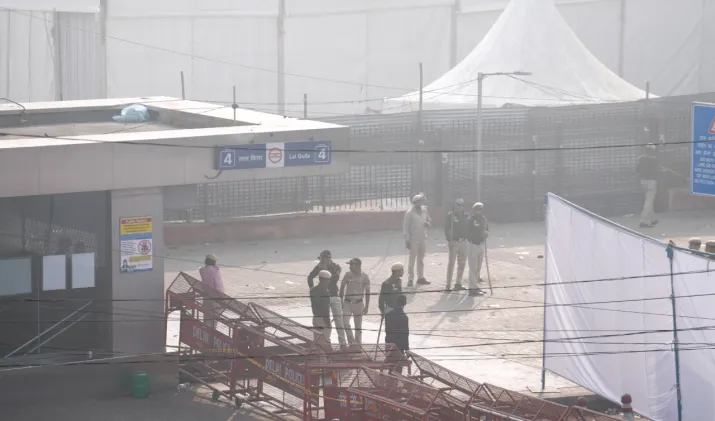
The Hyundai i20, which exploded near the Lal Quila Metro Station on Monday evening, killed 13 people and injured several others. The intensity of the explosion indicated that the device was packed with high-density explosives, likely reinforced with metal shards to increase lethality.
Meanwhile, the Ford EcoSport, recovered from Faridabad (registration number DL 10 CK 0458), was suspected to be the next in line. The vehicle was linked to Umar Un Nabi, and its interiors were allegedly stripped to install an explosive chamber beneath the rear seats.
Investigators are now examining whether two additional vehicles were being prepared to carry explosives, as mentioned in intercepted communications. These vehicles were to be deployed in different cities simultaneously, forming the backbone of the serial blast plan.

Reconstructing Umar Nabi’s Trail
Before the blast, Umar Nabi’s movements painted a meticulous picture of pre-attack preparation. According to CCTV and witness reports, he stayed at a mosque on Asaf Ali Road near Ramlila Maidan, possibly using the location as a temporary hideout.
At around 3:19 PM, Umar was seen driving toward the Sunehri Masjid parking lot, where he parked the i20. Minutes later, the explosion tore through the area, sending shockwaves through central Delhi and shattering the city’s sense of security.
Delhi Police and national agencies have since traced his digital footprint, including mobile signals and GPS data. Umar’s phone was reportedly switched off moments before the explosion — a tactic often used in planned attacks to avoid last-minute tracing.
The Red Fort Tragedy: Scene of Devastation
The blast at Lal Quila Metro Station, adjacent to the iconic Red Fort, was among the deadliest attacks Delhi has witnessed in recent years. The post-mortem reports of the victims revealed multiple fractures, skull injuries, and deep lacerations a grim indication of the explosion’s force.
Forensic teams believe the blast radius extended over 150 meters, with debris scattered across the parking area. Vehicles parked nearby were severely damaged, and several metro commuters sustained shrapnel injuries.
Eyewitnesses described scenes of chaos and confusion, as smoke filled the area and rescuers scrambled to assist the wounded.
Expanding the Investigation: NIA Takes Charge
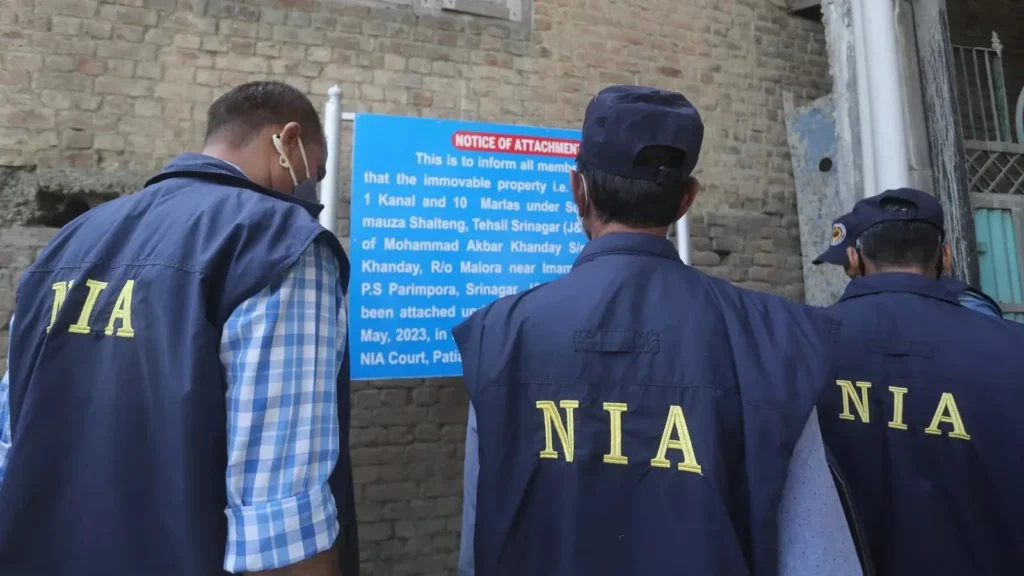
Following the confirmation of a terror angle, the Ministry of Home Affairs (MHA) formally transferred the case to the National Investigation Agency (NIA). A dedicated task force, comprising officers of Superintendent rank and above, has been constituted to ensure comprehensive coordination.
The NIA team is now probing Al-Falah Medical College in Dhouj, Faridabad, believed to have links to Umar Nabi. Sources claim Umar maintained close contact with individuals from the institution, possibly for recruiting and logistical support.
Investigators are also examining whether any faculty or students were aware of the suspicious activities or provided indirect assistance.
The JeM Connection: Reviving Dormant Terror Networks
Preliminary intelligence points toward the involvement of a Jaish-e-Mohammad (JeM) module. JeM, a Pakistan-based terror group banned under Indian and international law, has a history of using educated recruits for technical operations.
Security analysts note a striking pattern: the presence of doctors, engineers, and trained professionals among the accused. This marks a troubling shift toward intellectual radicalization, where individuals with advanced education are being drawn into extremist ideologies.
The group’s use of encrypted apps like Signal and ProtonMail, coupled with coded financial transactions, demonstrates a high level of operational sophistication — far beyond conventional terror cells.
How Intelligence Agencies Pieced the Puzzle Together
The early breakthrough came from the Faridabad Police, who traced the EcoSport’s registration to Umar Nabi. Cross-referencing vehicle data and digital trails revealed links to multiple suspects across Delhi, Haryana, and Jammu & Kashmir.
Surveillance footage, mobile tower data, and vehicle GPS systems became vital evidence. A particular CCTV sequence captured Umar’s car moving through ITO Bridge and Daryaganj, hours before the explosion.
Parallel to the physical investigation, the National Cyber Forensics Division has been analyzing hundreds of gigabytes of encrypted chat logs, financial ledgers, and deleted communications. These are expected to shed light on the chain of command, funding sources, and external handlers.
Counter-Terror Strategy: Lessons from the Delhi Blast
Security experts emphasize that the Delhi blast highlights both vulnerabilities and strengths in India’s urban counter-terror framework. The quick containment and transfer to NIA reflect institutional readiness, but the preventive intelligence gap raises questions about real-time data integration between local and national agencies.
According to retired IPS officer P. C. Sharma, “This case underlines the need for multi-layered surveillance at vehicle scrap yards, fertilizer distributors, and second-hand car dealers — the soft spots often exploited by terror operatives.”
Experts also suggest that AI-based predictive monitoring of suspicious purchases particularly chemicals, fertilizers, and car parts could help authorities flag anomalies earlier.
Delhi’s Security Reset: Immediate Measures Underway
In the aftermath of the explosion, Delhi Police and the NIA have intensified vehicle checks, fertilizer sales monitoring, and mosque surveillance across the National Capital Region. Security around heritage sites and metro stations has been heightened, with new checkpoints added in Old Delhi and Connaught Place.
Home Minister Amit Shah has convened multiple high-level meetings, while Prime Minister Narendra Modi is expected to chair the Cabinet Committee on Security (CCS) to assess the situation and direct coordinated countermeasures.
A special forensic unit has been deployed to analyze explosive residues, identify chemical fingerprints, and establish cross-links with previous cases — including the 2011 Delhi High Court blast and the 2008 Jama Masjid explosion, both of which share operational similarities.
The Road Ahead: Preventing the Next Attack
While the investigation progresses, the Delhi blast serves as a wake-up call. The involvement of educated individuals, the use of common materials, and the choice of crowded civic areas mark a shift in terror strategy from high-profile targets to high-density civilian zones.
Experts believe that community policing, digital vigilance, and financial transparency must converge to preempt future threats. This includes empowering citizens to report unusual purchases, fostering trust in local intelligence cells, and bridging the gap between cyber forensics and field units.
India’s counter-terrorism architecture is robust but must evolve to handle hybrid threats where physical and digital planning merge seamlessly. The Delhi blast may have exposed vulnerabilities, but it also provides critical lessons for urban safety in an age where even a fertilizer bag and a used car can be weaponized.
More Read

Conclusion
The Delhi blast investigation stands as one of the most complex and revealing cases in recent memory. What began as a single explosion near Red Fort has unearthed a vast network of radicalized operatives, intricate financial trails, and a disturbing plan to unleash mass destruction across four Indian cities.
As the NIA deepens its probe, the unfolding evidence underscores a stark reality: terrorism in the 21st century is no longer about imported operatives but localized radical ecosystems leveraging modern tools and everyday resources.
The road to justice and security will be long, but with transparency, coordination, and community vigilance, India can ensure that such plots never reach execution again.
Read More: J&K Doctor Arrested
Source: ANI, NDTV, Hindustan Times, Ministry of Home Affairs Brief, NIA Investigation Updates (November 2025).